Description
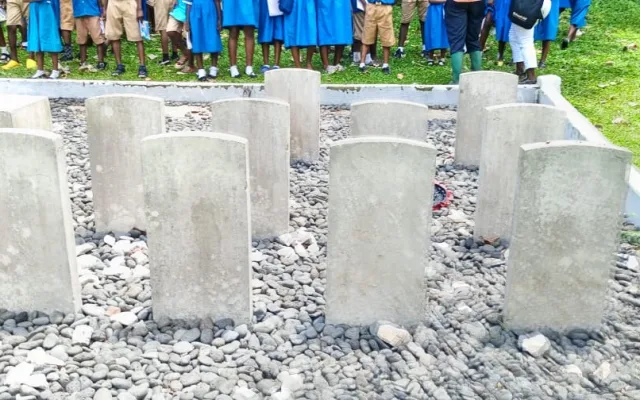
Limbe is a coastal town at the foot of Mount Cameroon, known for its black volcanic beaches and primate rescue centre.
Wiki
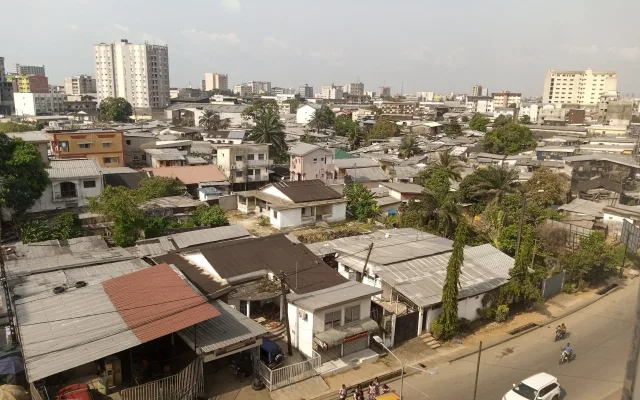
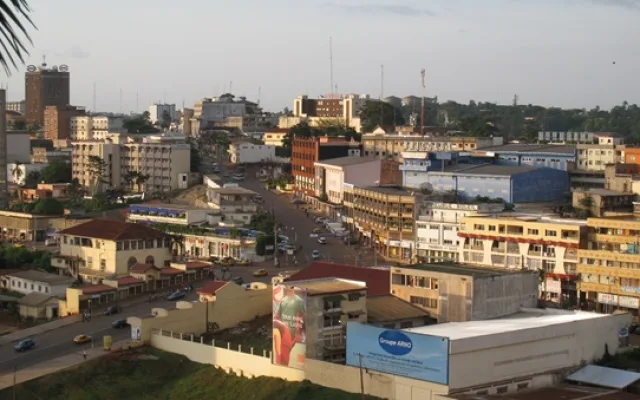
Limbe is a small seaside town in south-west Cameroon, wedged between the slopes of the active Mount Cameroon and the Gulf of Guinea. People come for the black volcanic beaches, lush tropical greenery and primate rescue centre — and for a breather from the chaos of the country's larger cities.
Why come and what is actually worth seeing
- Limbe Wildlife Centre — the main reason to stop here. The centre houses and rehabilitates gorillas, chimpanzees, drills and mandrills confiscated from poachers. This is a working sanctuary, not an entertainment zoo; admission fees go directly towards the animals' care. Allow a couple of hours and arrive in the morning when the animals are most active.
- Black beaches. The sand ranges from dark grey to black — volcanic rock. The best-known is Down Beach in the town itself, a working fishing shore: boats, fresh-fish sellers, no resort gloss. Cleaner and quieter beaches (Mile 6, Seme Beach and further towards Batoke) are outside town and worth a day trip.
- Limbe Botanic Garden — a shaded garden laid out in 1892 with tropical and medicinal plants. A pleasant place to wait out the midday heat; admission is inexpensive.
- Views of the volcano. On a clear day Mount Cameroon — the highest point in West Africa — looms directly above the town. Clear skies are rare because of persistent cloud cover, so take your chance when it comes.
Two days is enough: one for the wildlife centre and town, one for the beaches beyond the city limits.
Getting there
Limbe has no major airport of its own. The standard approach is to fly into Douala (Cameroon's main international hub) and travel overland west from there — a couple of hours depending on traffic leaving Douala.
- Minibuses and shared taxis run from Douala's motor parks towards Limbe and Buea. Cheap and functional if you don't mind a tight squeeze and waiting for the vehicle to fill.
- Private taxi or transfer — more expensive but far less stressful, especially with luggage or on a late-evening arrival.
- The nearby town of Buea (at the foot of the volcano and the starting point for ascents) is linked to Limbe by short-run minibuses — easy to combine both on the same trip.
Getting around
Limbe is compact and the centre is walkable. For beaches outside town and more distant spots:
- Moto-taxis (motorbikes) — the main local transport, cheap and fast. Agree the price before you get on; a helmet is unlikely to be offered.
- Shared taxis run along the main routes.
- For the out-of-town beaches, the easiest option is to negotiate with a moto-taxi or hire a taxi for a half-day.
Where to stay
Stay in the centre or close to the waterfront / Down Beach — you can walk to the main sights and pick up transport easily. The choice ranges from simple guesthouses to a handful of seafront hotels. Those coming primarily for the beach rather than the town might prefer options nearer Mile 6 or Seme, though you will depend on transport from there.
When to go
This is one of the wettest regions in Africa — it is humid almost year-round. The relatively dry season runs roughly from November to February: fewer downpours, a better chance of seeing the volcano's summit, and roads in better condition. At the height of the rainy season (summer), rain falls heavily, roads deteriorate and the mountain is almost always hidden in cloud.
Safety and important notes
- Language and political context: Limbe is part of Cameroon's Anglophone regions, which have been experiencing a prolonged crisis between the Anglophone minority and the central government since 2016–2017. The situation is unstable and can change quickly — check your government's current travel advisories and the local situation before you go, and avoid political topics in conversation.
- Malaria is endemic here — prophylaxis, repellent and a mosquito net are essential. Drink bottled water.
- Carry your documents: checkpoints on roads in this area are routine; stay calm and polite.
- Standard street sense: keep electronics and cash out of sight and agree prices in advance.
Food and money
The food is simple and filling. Look for:
- Fresh fish and seafood right on Down Beach — grilled fish with pepper sauce is the most honest dish in town.
- Ndolé (braised greens with nuts and fish or meat) — considered the national dish; hearty and inexpensive.
- Plantain mash, cassava and brochettes (skewers) from street vendors.
Food and transport are cheap by any measure if you eat where locals eat. Payment is in cash (CFA franc); ATMs exist but it is safer to arrive with cash from Douala.
Common mistakes
- Travelling in the middle of the rainy season and expecting a beach holiday — you will get soaked and will not see the summit.
- Not checking the regional security situation before travelling.
- Expecting resort infrastructure — Limbe is unpretentious and authentic, which is a plus, not a drawback.
- Forgetting to agree a price with the moto-taxi before setting off.