 Города и дороги
Description
The capital of the Guangxi Zhuang Autonomous Region and the main staging post on the road from China into Vietnam. A green subtropical city with a museum of Zhuang culture and an ethnographic park that gathers the buildings of the southern peoples.
Wiki
Nanning is the capital of the Guangxi Zhuang Autonomous Region, a city on the Yong River some two hundred kilometres from the Vietnamese border. The subtropics are already in full force here, with banyans along the avenues and thirty degrees in October. For a traveller it is above all a junction on the road from China into Vietnam, yet the city itself holds enough material for a couple of days.
What to see
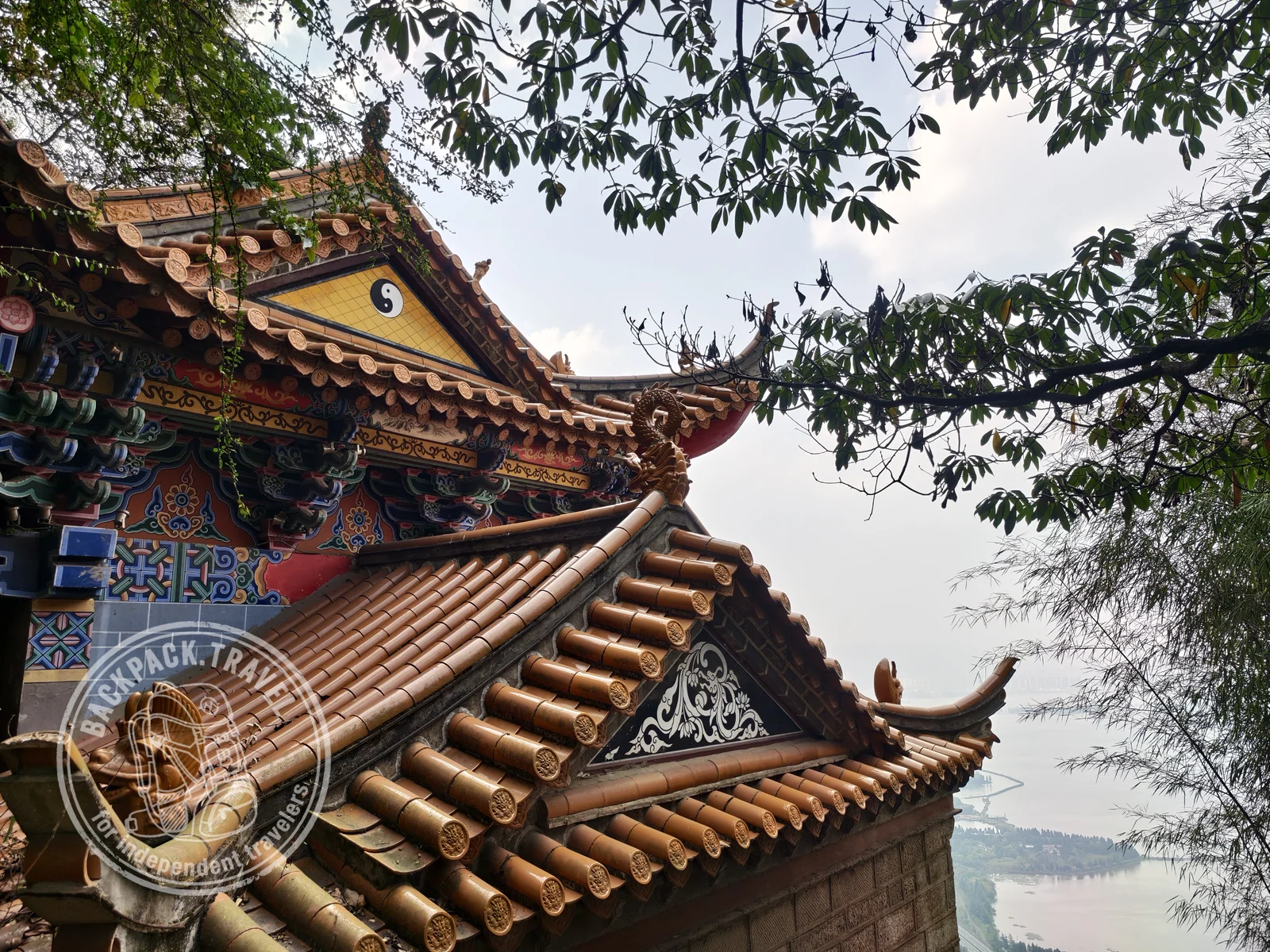
- Qingxiu Mountain Park is a green hill above the southern bank of the Yong River, and at the same time the city botanical garden, with a cycad grove and an orchid house. The Longxiang pagoda stands at the summit, founded under the Ming and rebuilt from scratch in 1986, and in March several thousand cherry trees come into blossom here all at once.
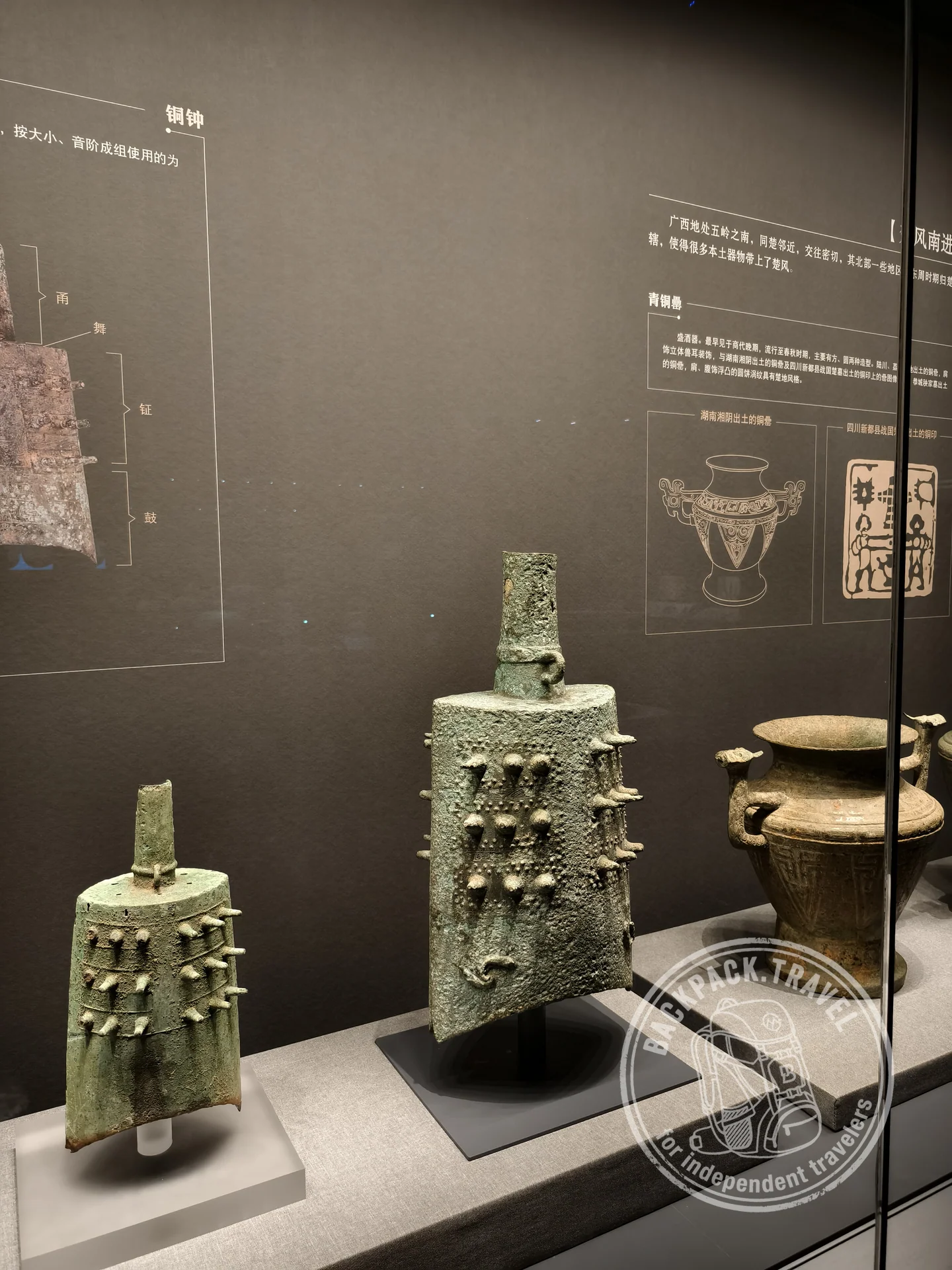
- The Guangxi Museum of Nationalities is an account of the twelve indigenous peoples of the region, built around a collection of bronze drums. Entry is free on production of a passport, and the museum is closed on Mondays.
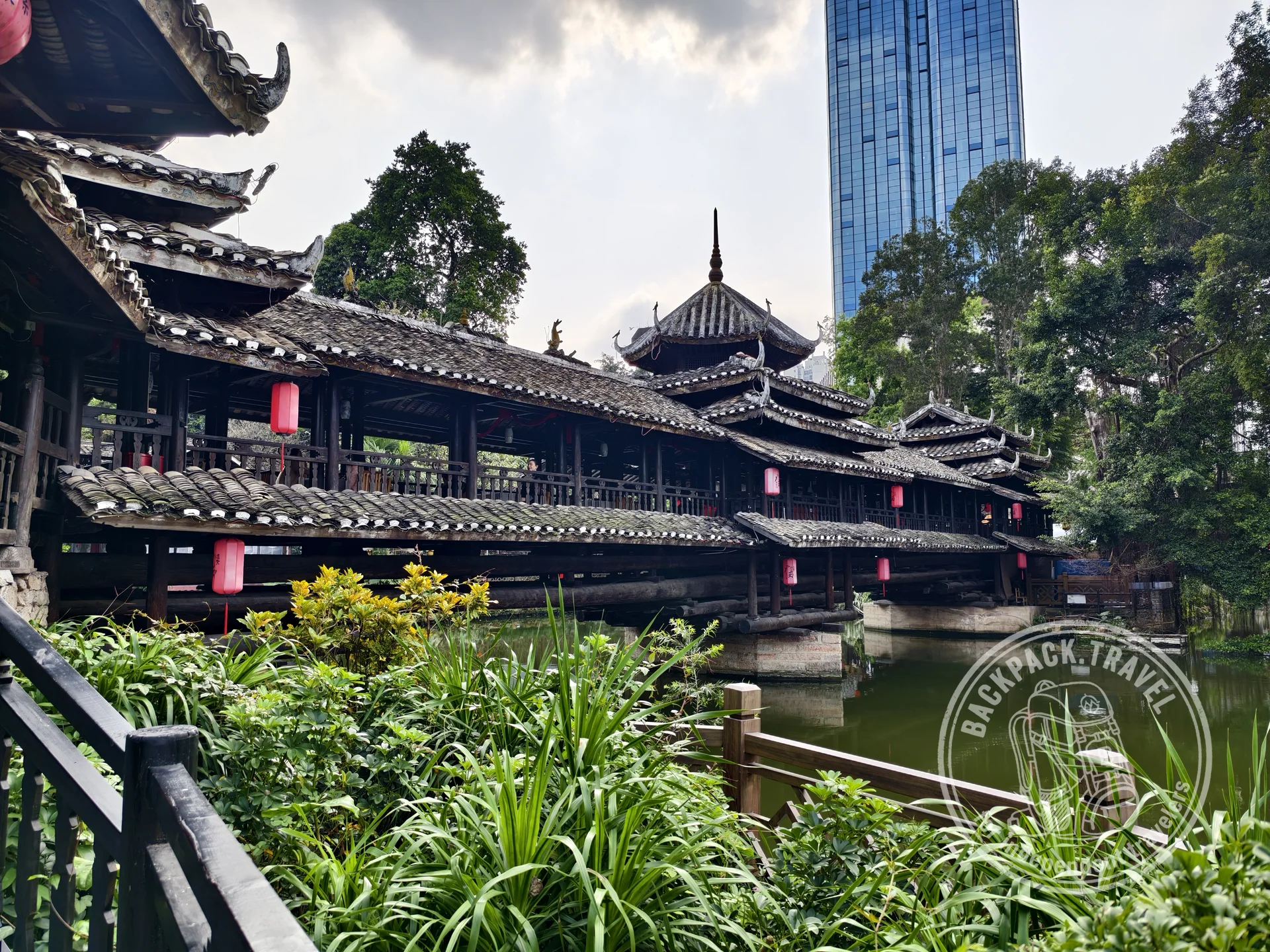
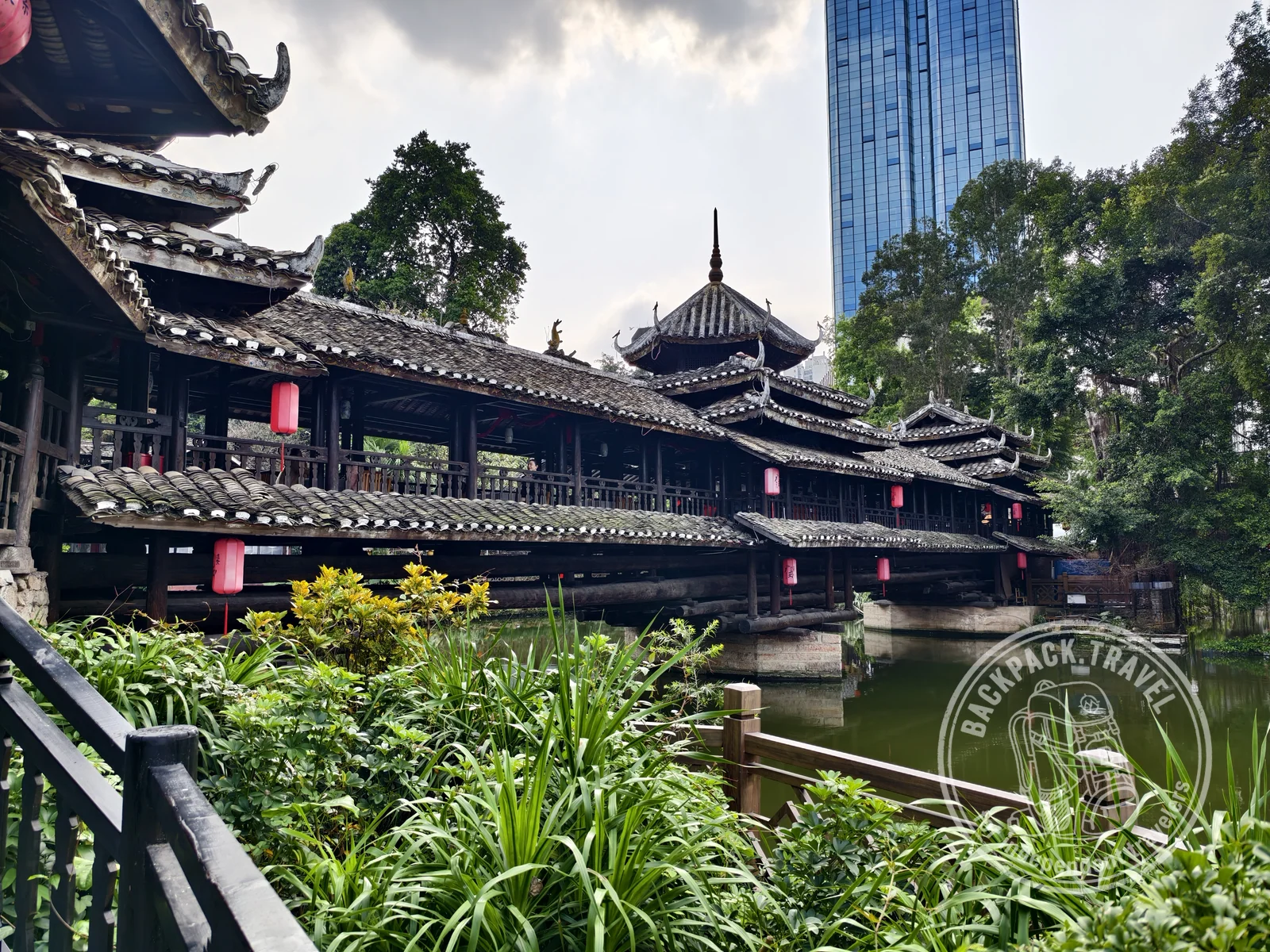
- The ethnographic park attached to the museum holds full-size buildings of the peoples of Guangxi: a wind and rain bridge and a Dong drum tower, along with the stilt houses of the Zhuang. Dong carpenters raise structures like these without a single nail.
- The Yong River embankment follows the water that gave the city its one-syllable name, Yong. Promenades run for several kilometres along the bank, with spaces for tai chi and evening dancing.
- Zhongshan Street and the Three Streets and Two Lanes quarter are the main eating grounds of the city. This is where people try old friend noodles in a sour and spicy broth with pickled bamboo and black beans, lemon duck, and Liuzhou luosifen made on a broth of river snails.
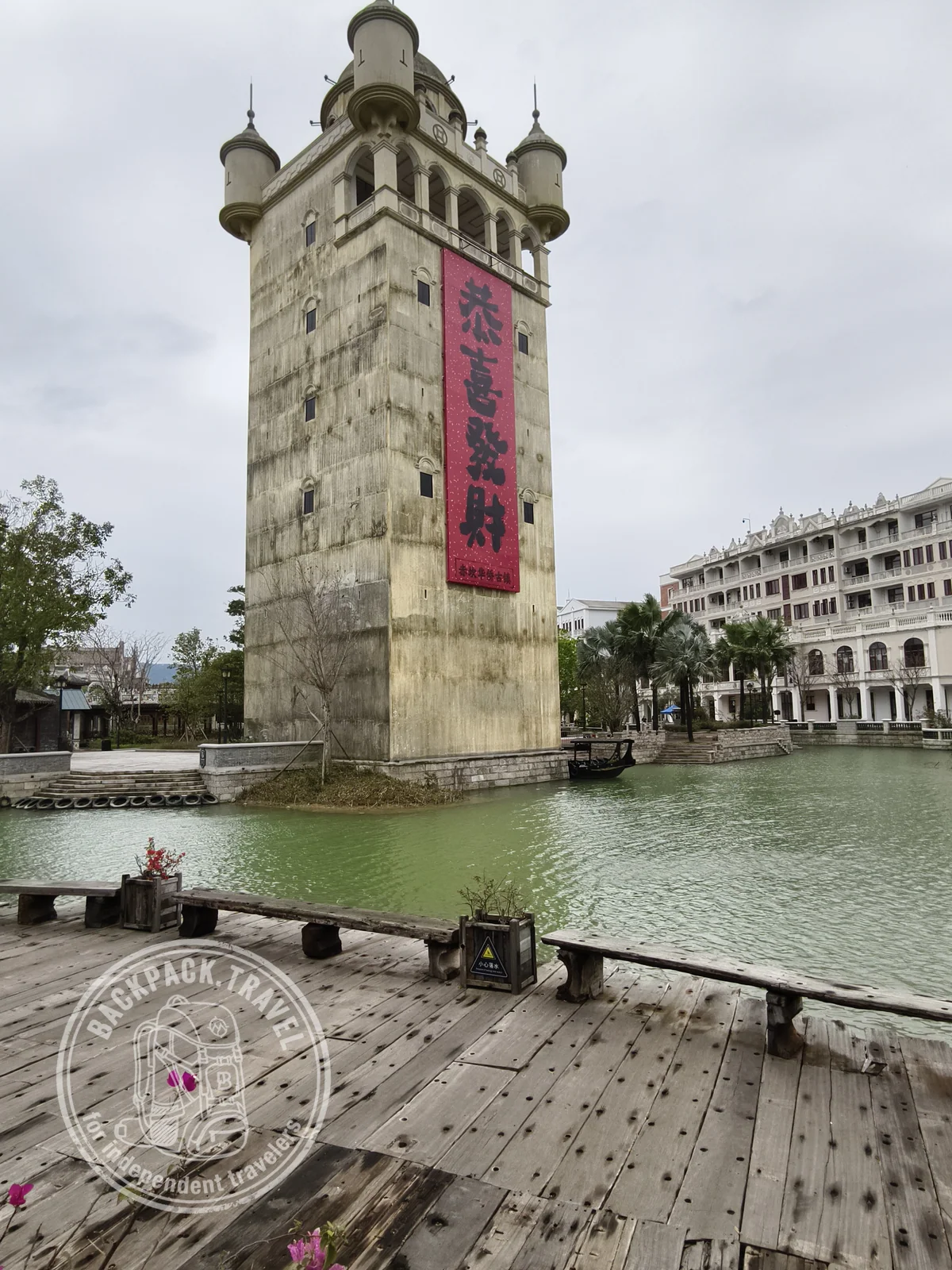
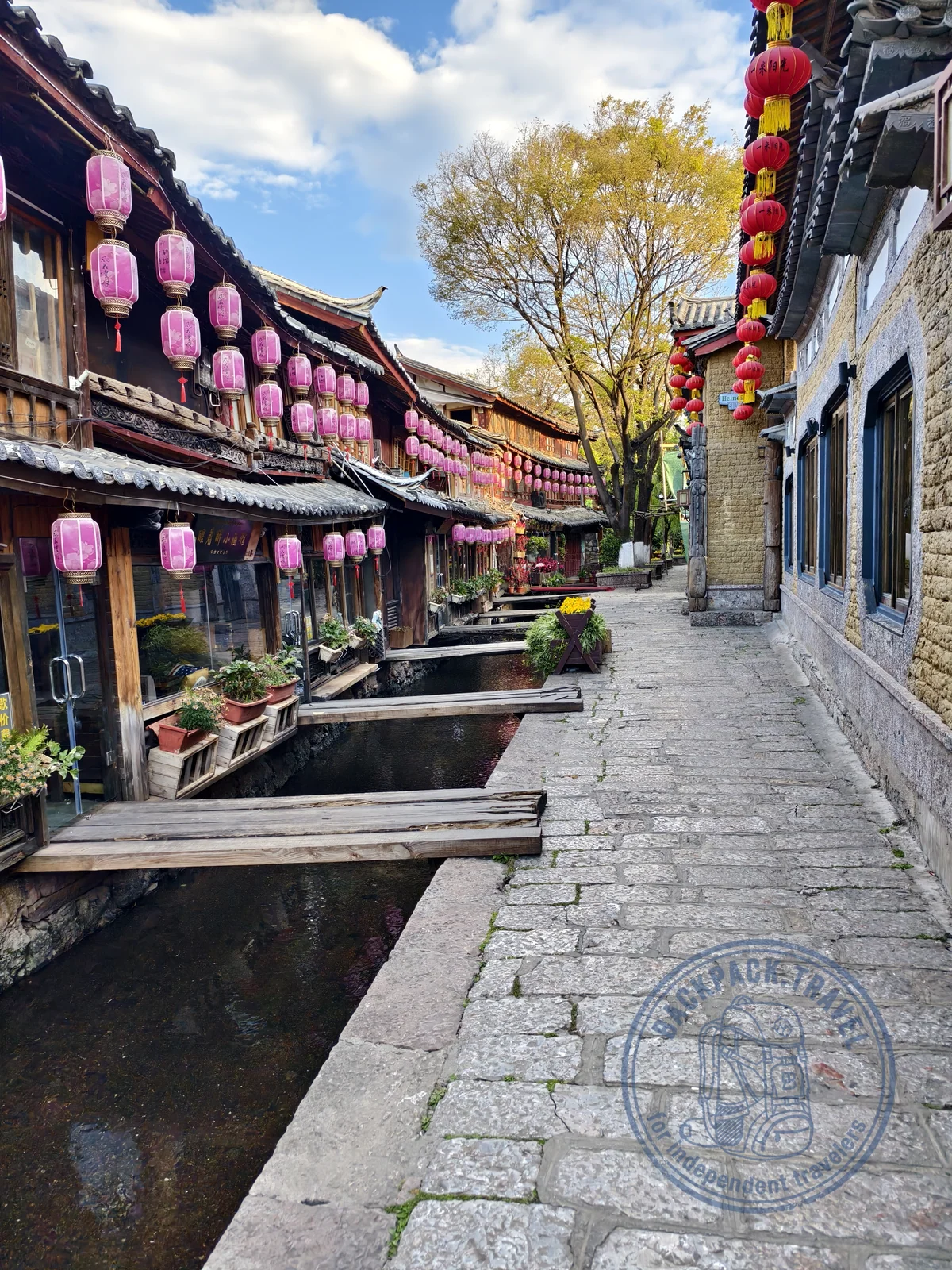
- The old town of Yangmei is a village on the Zuo River an hour's drive to the west, with streets and shopfronts of the Qing period. It is the nearest authentic old quarter to Nanning rather than a modern replica of one.
Detian Falls
Detian in Daxin county is the reason people make a separate trip out of Nanning. The Guichun River drops in three tiers across a front of about two hundred metres directly along the borderline: the left half of the waterfall is Chinese, the right half is Vietnamese and goes by the name of Ban Gioc. This is the largest transnational waterfall in Asia, karst hills stand all around it, bamboo rafts carry visitors up to the foot of the water, and Vietnamese coffee is sold along the bank. The journey covers around a hundred and fifty kilometres and takes some three hours, a direct tourist coach leaves the Langdong bus station in the morning, and it is worth allowing an hour on the way for the pastoral scenery of Mingshi.
Fees and entry
Nanning is inexpensive by Chinese standards. A ticket to Qingxiu Mountain costs a token twenty yuan or so, which is a rarity for a park of the top category, while the electric bus and the lift inside are paid for separately. The museum and the ethnographic park are free, though a passport is asked for at the door without fail. Detian works out the most expensive of the lot, in the region of eighty yuan plus the shuttle around the site and the raft. Tariffs in Guangxi are revised often, so the sums are worth checking again before setting out.
How much time to allow
One full day is enough for the city itself: a morning on Qingxiu Mountain, the second half of the day for the museum with its ethnographic park, and the evening on the embankment over a bowl of noodles. Detian takes the second day in its entirety, because six hours on the road there and back leave room for nothing else, and there is no sense in squeezing the waterfall into the day you leave for Vietnam. Two days come out as a sensible minimum for anyone passing through who wants to carry away from Guangxi more than a border stamp. A third day is justified by Yangmei, or by the enormous garden of medicinal plants on the eastern edge of the city. Beyond that the city holds only those who come on business, and an independent traveller grows bored here quickly.
What to combine it with
The main direction from here is Hanoi. The international train has been running again since May 2025: it pulls out of Nanning station in the early evening and reaches the Hanoi station of Gia Lam in the morning, about eleven hours for four hundred kilometres of track. Passengers are roused twice during the night at the border, at Pingxiang on the Chinese side and Dong Dang on the Vietnamese one, where the bogies are also changed for the other gauge. Buses take the same corridor through the Friendship Pass and work out cheaper, at seven or eight hours, but the border is crossed on foot with your luggage; the electronic visa is arranged in advance, and this exact land crossing has to be named on the form. In the other direction the high-speed train reaches Guilin and Yangshuo in two and a half hours, and the same route leads on to the Longji Rice Terraces, which lie five or six hours one way from Nanning with a change at Longsheng, so the trip makes sense with an overnight stay. Closer at hand is the seaside city of Beihai, with its ferry to Weizhou Island.
When to go
The best stretch runs from October to December, when it is dry, a little over twenty degrees by day, and the evenings are pleasant. March and April bring the cherry blossom on Qingxiu Mountain, but they arrive together with the return of the south, a drawn-out damp spell when the walls sweat and the laundry will not dry for weeks. From May to September it is hot and stifling, above thirty-three degrees, with typhoons reaching the city from the gulf now and then, and yet this is exactly when Detian is at full flow. The China-ASEAN Expo is held in the middle of September, and hotel prices rise noticeably.
Who won't enjoy it
Nanning is a young administrative capital that took on its status only in the twentieth century. There is effectively no historic core, almost everything was built after the 1950s, and the old quarter in the centre is a tidy modern replica. Anyone who remembers Guangxi from photographs of stone peaks above the Li River should bear in mind that those landscapes begin further north. Detian is beautiful, but it is a well-oiled conveyor belt with a queue for the raft and rows of stalls by the water, while the summer humidity wears down even people who are used to heat. For most travellers the city stays a night's stop before the border, and if the days in Guangxi are few, Guilin, Yangshuo and Beihai will give more.