Description
One of the oldest towns in Russia, with the mighty medieval Krom fortress and numerous UNESCO-listed white-stone churches. The Pskov Republic was one of the veche states of medieval Rus, governed by a popular assembly.
Wiki
Ancient Pskov, in north-western Russia near the Estonian border, is one of the few Russian cities where the Middle Ages can be read directly off the ground: fortress walls, the assembly square and squat white-stone churches stand where they stood 500 to 800 years ago. People come here for the atmosphere of pre-Mongol Rus and of the veche era — the age of the popular assembly that governed Pskov as an independent republic — and for the short routes and the closeness of Izborsk and the Pushkin Hills.
Why come, and what to see
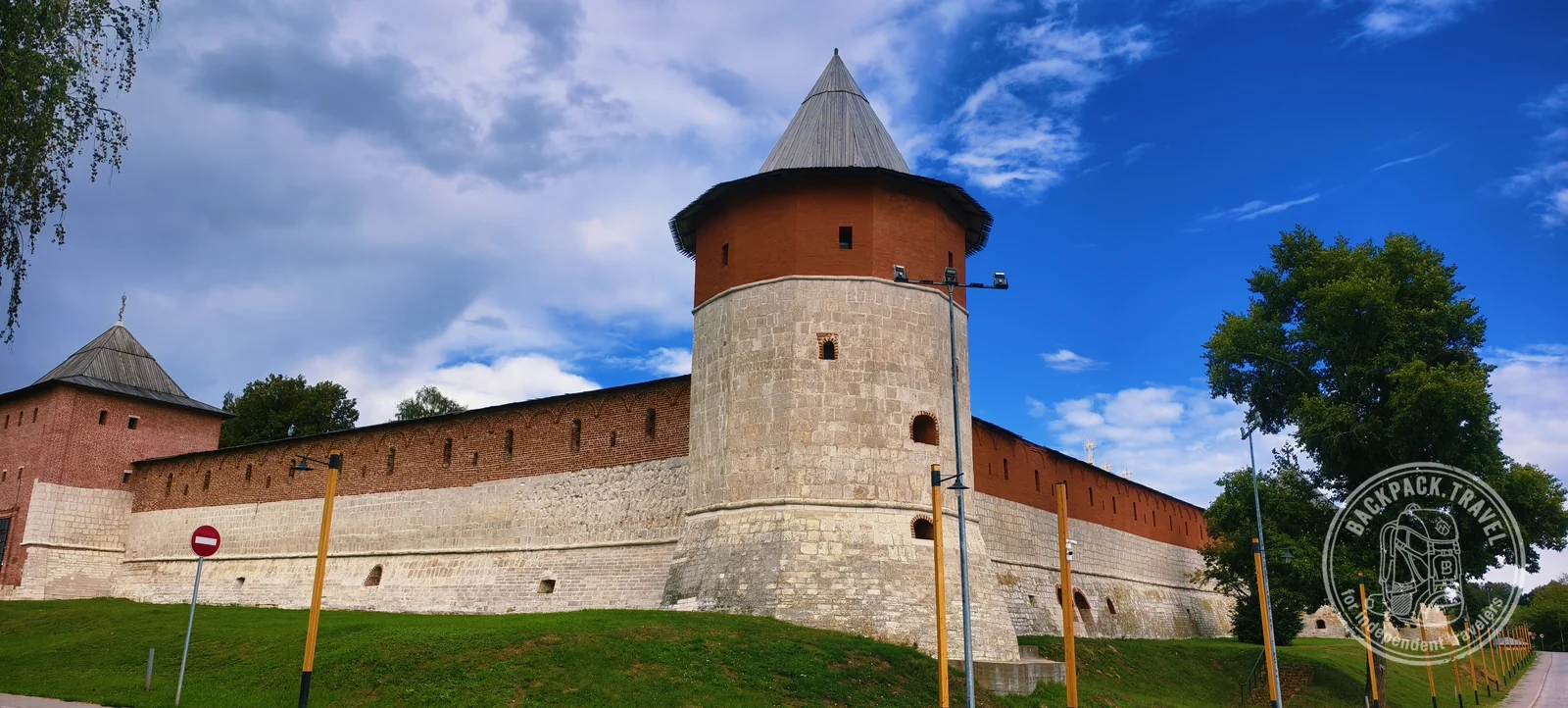
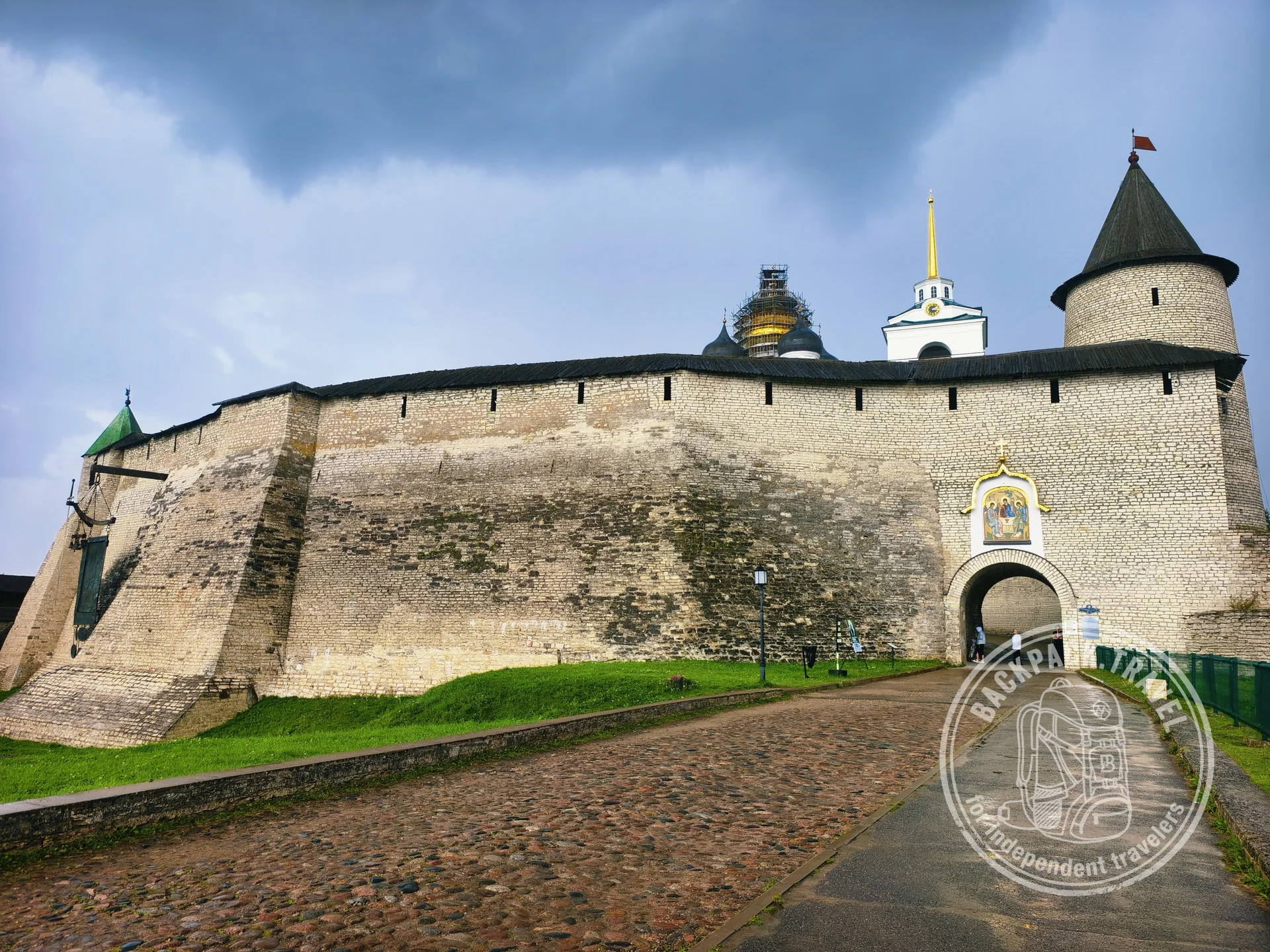
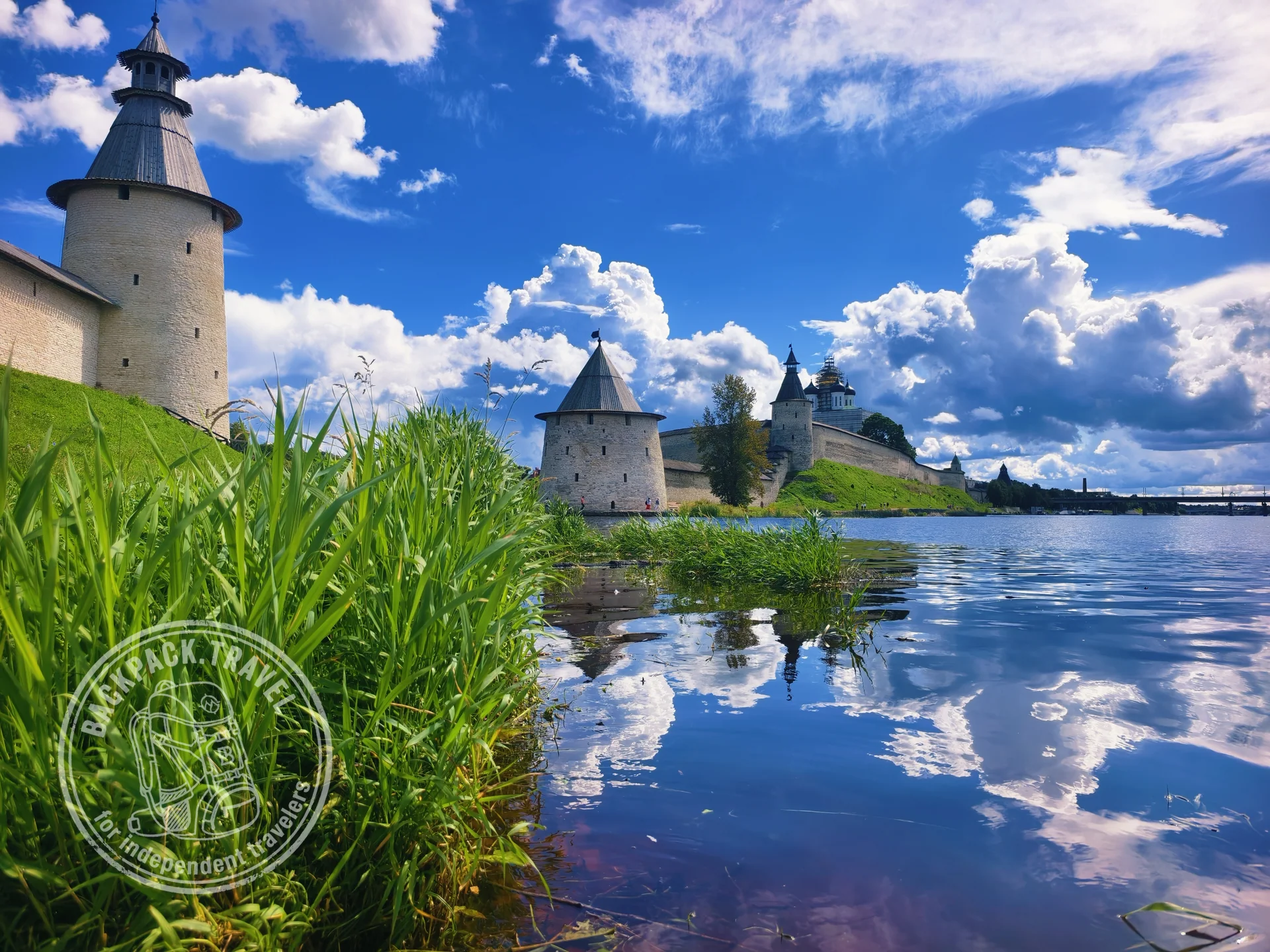
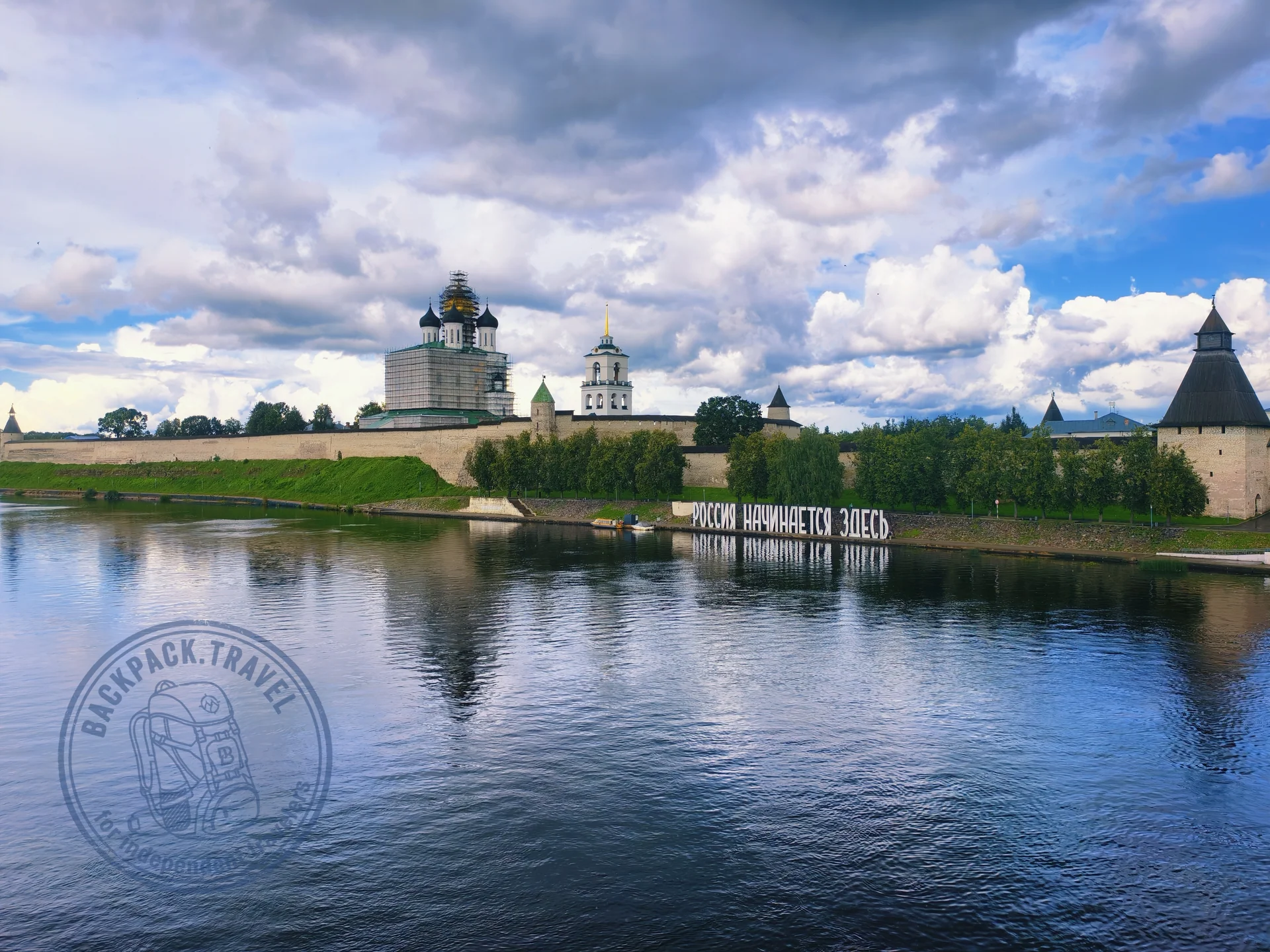
- The Krom (the Pskov Kremlin) — the main must-see. A kremlin is the fortified citadel of an old Russian town, and in Pskov it is called the Krom: mighty walls at the confluence of the Pskova and Velikaya rivers, with the Trinity Cathedral inside dominating the city. Entry to the grounds is free and you can walk it in an hour or an hour and a half. Be sure to look into Dovmont's Town by the entrance — the foundations of dozens of ancient churches.
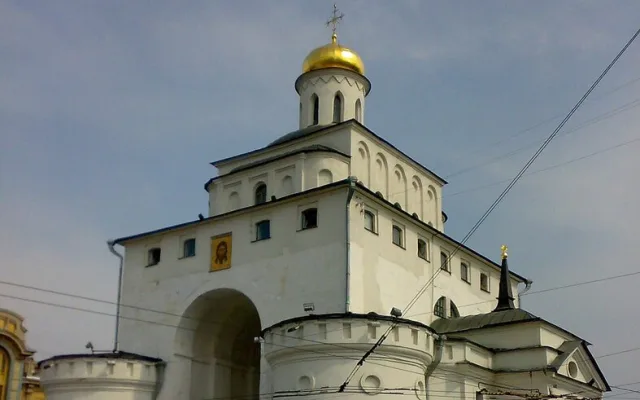
- The white-stone UNESCO churches — Pskov's signature. The Pskov architectural school is instantly recognisable: squat, whitewashed buildings with characteristic open bell-walls instead of tall bell towers. The Mirozhsky Monastery, with pre-Mongol frescoes of the 12th century, is worth crossing to the other bank for.
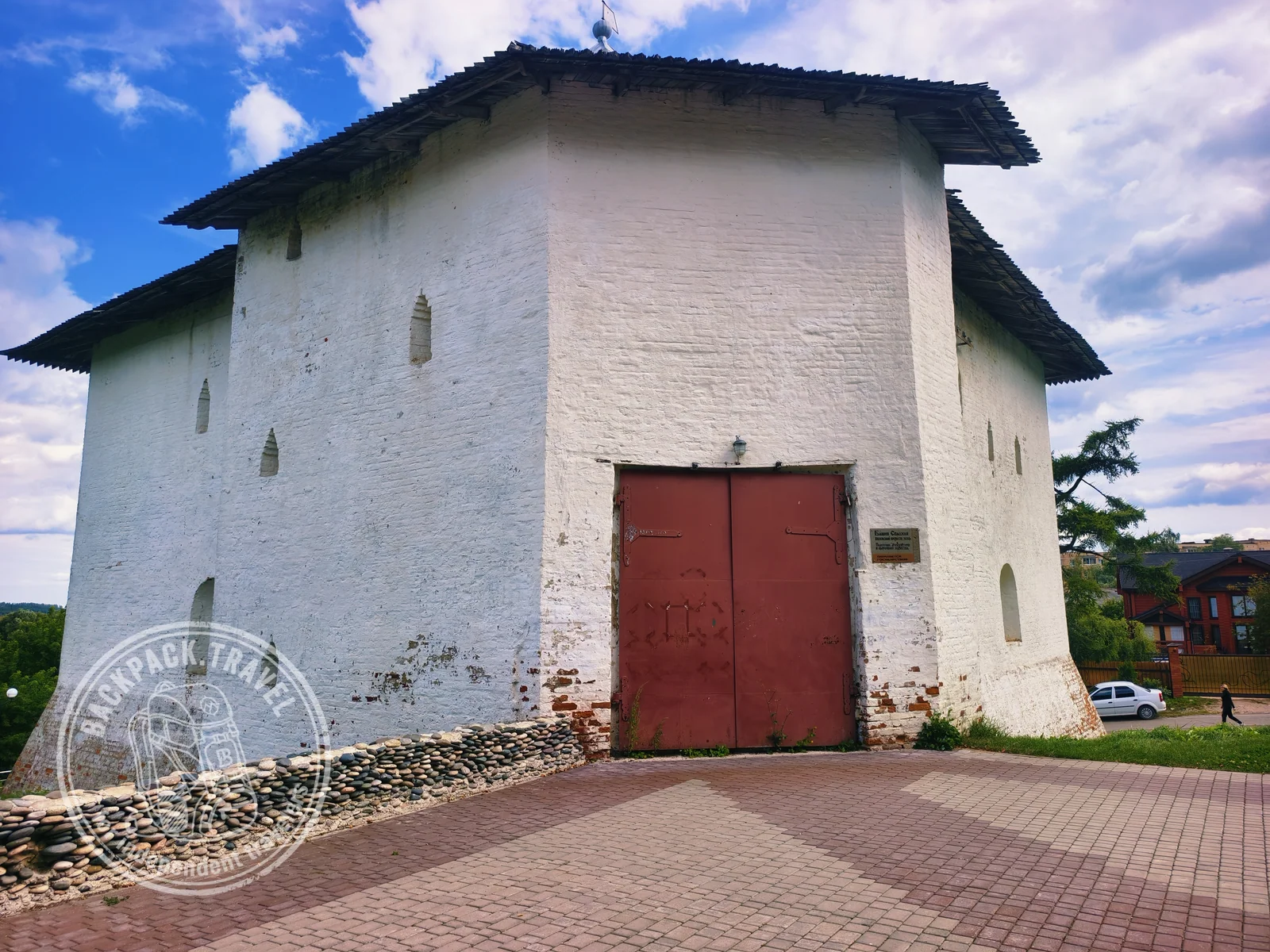
- The city walls and towers — the Pokrovskaya, Gremyachaya and Vlasyevskaya towers. Parts of the walls can be walked.
- The Pogankin Chambers — a rare example of a stone merchant house of the 17th century, now part of the museum reserve.
If churches and fortresses are not your thing, then honestly: two or three days will be more than enough for Pskov, which is a small city.
How many days to allow
- 1 day — the Krom, the centre, a couple of churches. A gallop, but feasible.
- 2 days — add the Mirozhsky Monastery, the walls, the museum and a calmer pace.
- 3 days or more — with trips out. That is precisely why people take Pskov as a base.
The day trips are half the point
- Izborsk — an ancient fortress and the Slovenian Springs, about an hour by bus. One of the most atmospheric spots in the region.
- Pechory — the working Pskovo-Pechersky Monastery with its caves, further than Izborsk but still feasible in a day.
- The Pushkin Hills — Mikhailovskoye, Trigorskoye and the grave of Alexander Pushkin, Russia's national poet, who spent years of exile on the family estate here. Further out (a couple of hours), and better given a full day.
All three are reachable by scheduled bus from the bus station; for the Pushkin Hills it is best to leave early.
Getting there and getting around
- Train — the most convenient way from Moscow and St Petersburg. There is a daytime fast train from St Petersburg, and that journey is noticeably shorter than the one from Moscow. The railway and bus stations are next to each other, not far from the centre.
- Buses — connect Pskov with St Petersburg and neighbouring towns, and serve all the day trips.
- There is an airport, but few flights; more often people fly to St Petersburg and continue by train or bus.
- Within the city the centre is compact and the historic quarters are walkable. Public transport (buses) is mainly needed for the station and the outskirts. Taxis are inexpensive by capital-city standards and are ordered through apps.
Where to stay
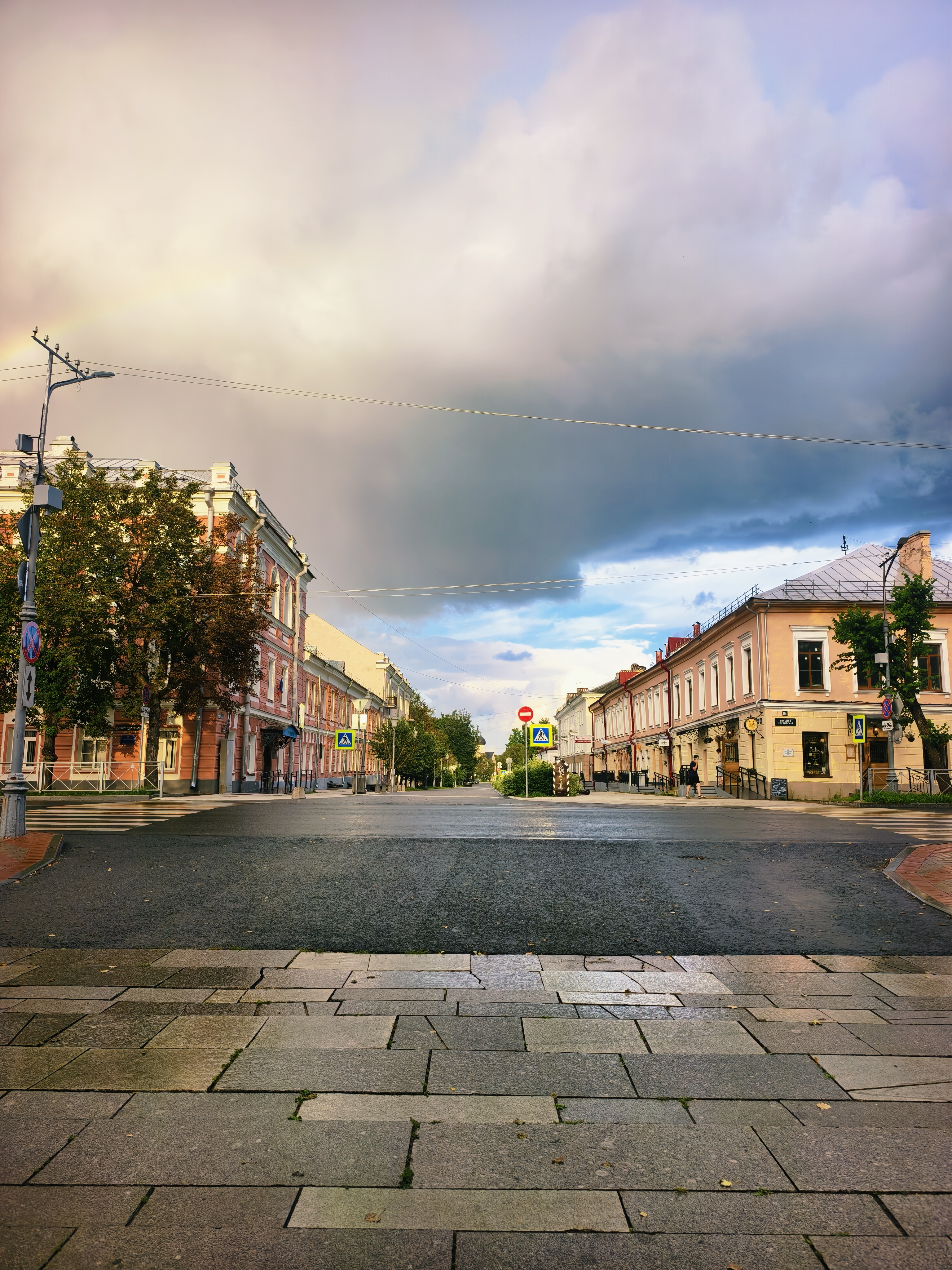
Stick to the centre — the area around the Krom, Oktyabrsky Avenue and the embankments. Everything is walkable from here and it is quiet in the evening. The choice of accommodation is more modest than in the capitals, but the prices are lower too: decent guesthouses and flats cost very reasonably. Staying by the station is only worth it if you have an early departure; otherwise the centre is pleasanter.
When to go
- May–September — optimal. Warm, long days, and the rivers and walls look their best.
- Winter — beautiful and atmospheric under snow, but cold and the day is short; allow for the daylight when planning trips out.
- The shoulder seasons are cheaper and less crowded, but the weather is capricious — bring waterproofs.
Food and money
Pskov is inexpensive compared with Moscow and St Petersburg. You can genuinely save on food:
- Look for canteens and local chain cafés — a filling lunch costs very little.
- Restaurants by the Krom charge a premium for the view; a little to one side the same thing is cheaper.
- Among local specialities, try the fish (Lake Peipus is close) and medovukha (honey mead) or sbiten (a hot spiced honey drink) at the tourist spots.
Keep some cash for the bus stations and small outlets, though cards are accepted almost everywhere.
Practicalities and common mistakes
- Do not reduce the trip to the Krom alone. The Mirozhsky frescoes and the trips out give Pskov its depth — without them the impression is flat.
- Check bus timetables in advance, especially for the Pushkin Hills: there are not many services and it is easy to be stranded or lose half a day.
- Check the opening hours of the monasteries and museums locally — religious sites keep their own schedules, and at Pechory there are sometimes restrictions on visiting the caves.
- Dress for the weather by the water — the embankments and the open walls are windy even on a warm day.
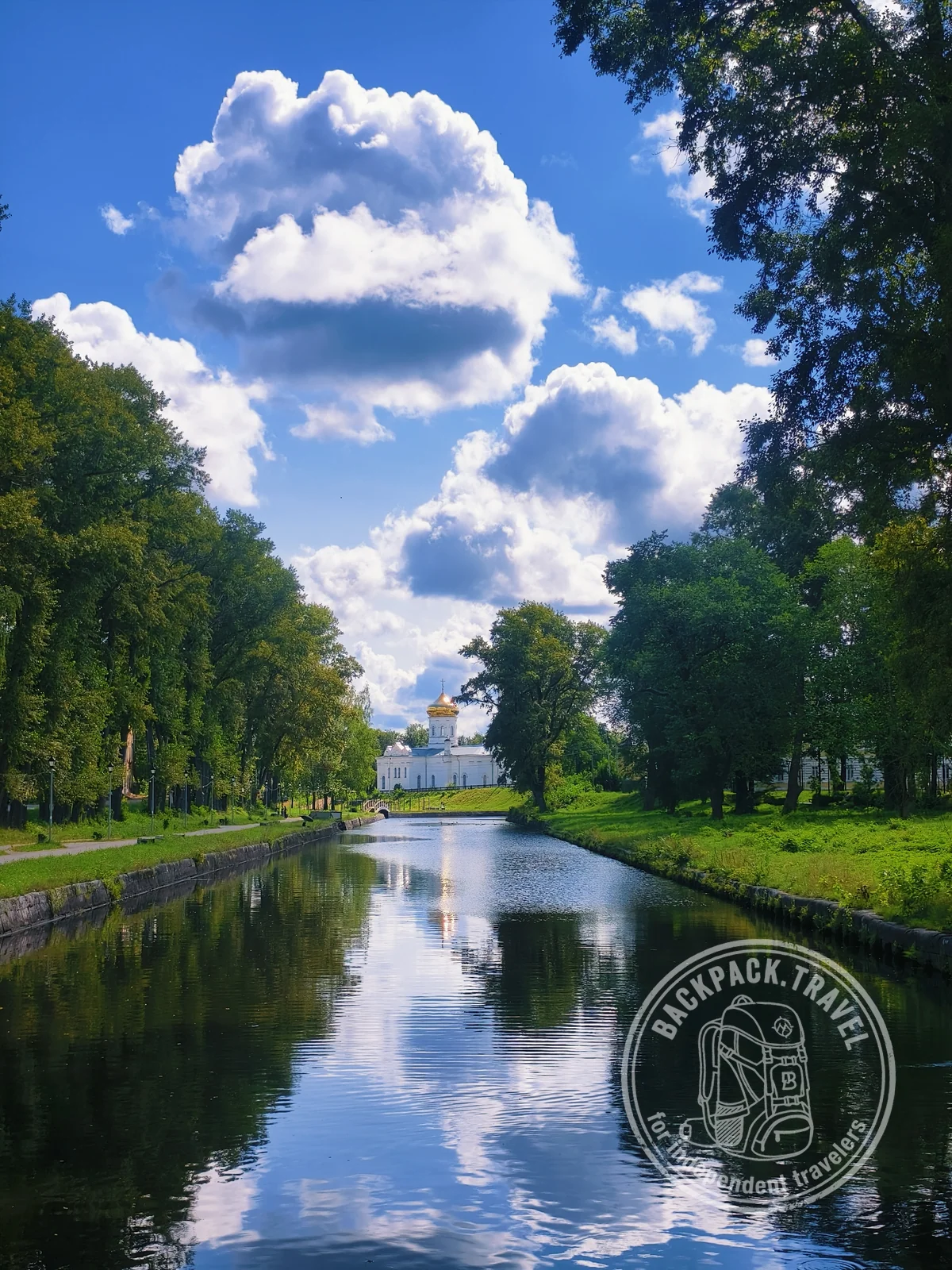
- Do not chase everything at once. Pskov is good taken slowly: sitting on the bank of the Velikaya beneath the walls of the Krom is sometimes worth more than racing round a tenth church.
Pskov is an ideal city for an independent weekend route: close to both capitals, cheap, everything near at hand and with a strong historical core. Take it as a base for three or four days and you get not only a fortress but a whole layer of ancient Rus around it.