Description
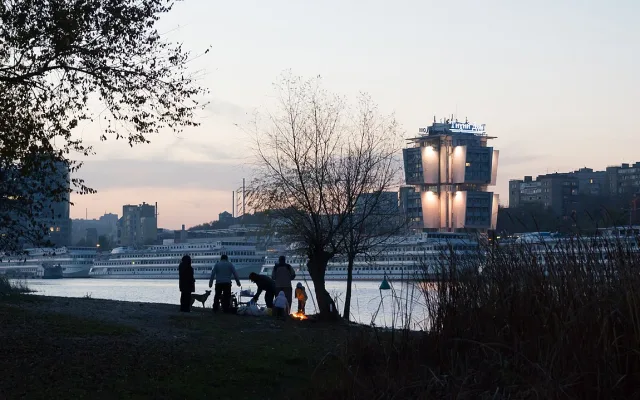
The gateway to the Caucasus on the Don — the pedestrianised Bolshaya Sadovaya, the embankment and Cossack cooking.
Wiki
Rostov-on-Don is a large southern city on the way to the Caucasus and the Black Sea, where many backpackers end up in transit, though the city has enough to fill a couple of days. You feel the steppe south here: an unhurried centre, the wide Don, and food worth staying for.
Why come, and how long to allow
Rostov-on-Don is not a museum city with obligatory masterpieces but a place about atmosphere, walking and food. Two days are enough: one for the centre and Bolshaya Sadovaya, the second for the embankment, the market and a trip out towards the Cossack sites. If Rostov is a staging post on your way south, even one full day is enough to catch the essentials.
Getting there and getting around
The city stands at the crossroads of southern Russia: trains come in from every direction and buses connect it with the cities of the Caucasus and the coast. The railway station is near the centre and makes a convenient starting point.
Within the city:
- The centre is compact — Bolshaya Sadovaya, the embankment and the main streets can genuinely be walked.
- Buses, trolleybuses and shared minibuses run between districts; payment is usually by card or in cash to the conductor.
- For distant points and evening returns it is simpler to take a taxi through an app — they work well in Rostov and are inexpensive.
- There is no metro, so rely on your feet and surface transport.
Where to stay
Best is the area around Bolshaya Sadovaya and the adjoining blocks. Everything walkable from here, plenty of cafés and life until late. Nearer the embankment is also convenient, though in summer it is busy and noisier in the evenings. To save money, look slightly off the main street — prices are lower and it is still 10–15 minutes' walk to the centre. Hostels and guest flats in the centre are the most practical option for the independent traveller.
What to see
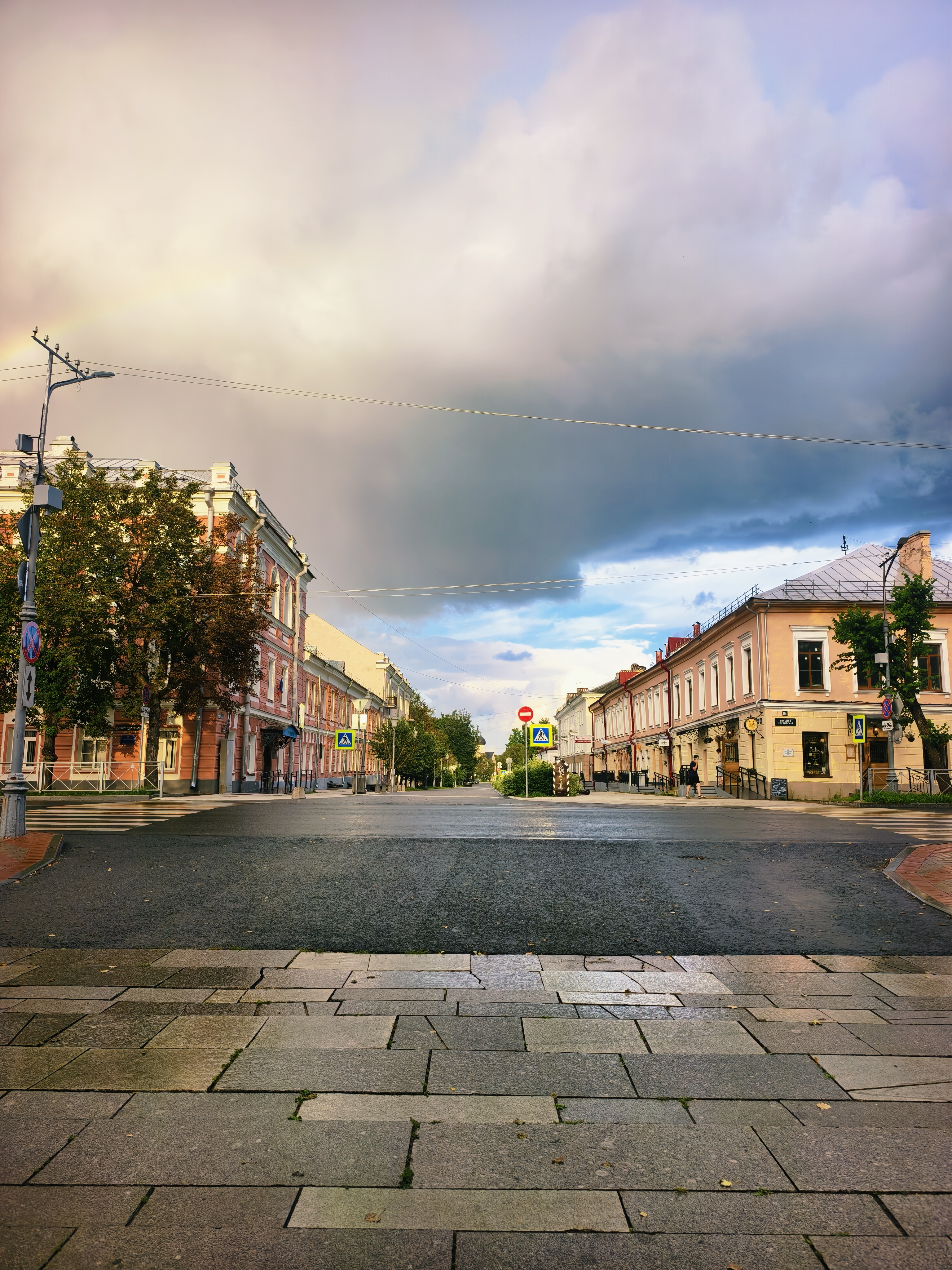
- Bolshaya Sadovaya — the city's main artery, partly pedestrianised, with pre-revolutionary mansions, cafés and street life. Walk its whole length: that in itself is an introduction to Rostov.
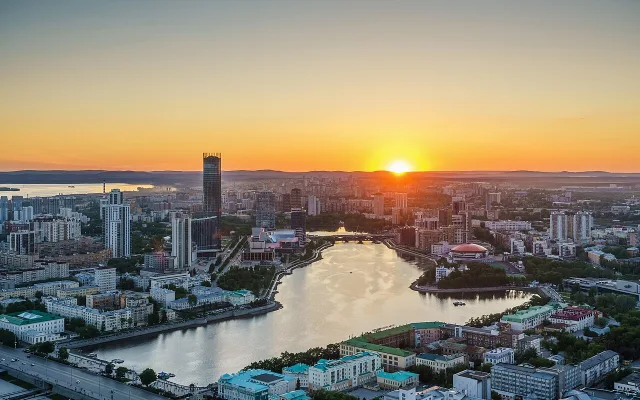
- The Don embankment — the place for evening walks, with river views, boat trips, benches and cafés. In summer it is busy until late at night.
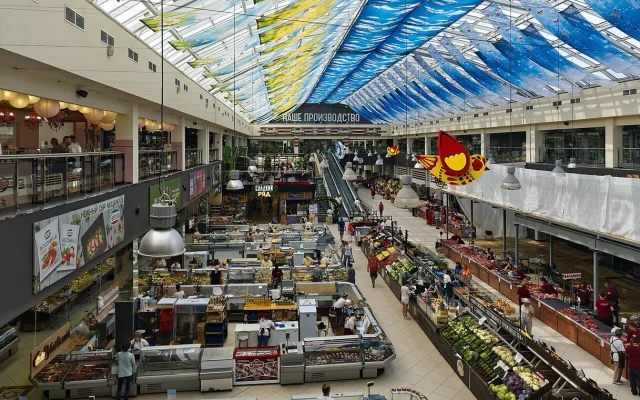
- The Central Market — less a sight than a way to understand southern cooking: herbs, spices, cheeses, fish, cured meat. You can also eat cheaply here.
- The old quarters and courtyards off Bolshaya Sadovaya — turn into the side lanes, where genuine merchant buildings survive without any gloss.
If you are in the mood for an excursion, the stanitsa of Starocherkasskaya — the former capital of the Don Cossack Host, with its early 18th-century Resurrection Cathedral — lies about 30 km away, and Tanais, the excavated remains of an ancient Greek city in the Don delta, sits west of the city near the hamlet of Nedvigovka. Suburban buses serve both.
Food: the reason to stay
Rostov-on-Don is a strong food city, and this is what deserves priority here. Look for:
- Don fish — fish soup, fried pike-perch, dried fish to go with beer.
- Cossack and southern cooking — rich soups, meat, vegetable dishes with plenty of fresh herbs.
- Crayfish — a local cult item; in summer people buy them by the bucket to go with beer. Look for places that specialise.
- Fruit and vegetables from the market — cheap and genuinely good in season.
Café prices feel lower than in the capital and the portions are generous. Lunch in a simple place costs little, and the market is cheaper still.
When to go
The best time is late spring and early autumn (May, September): warm but without the exhausting heat. In summer the south gets genuinely hot and walking in the daytime is hard going — shift activity to morning and evening. In winter the city is quieter and greyer, but perfectly suitable for a short visit.
Safety and practicalities
Rostov-on-Don is an ordinary large city: the centre and the embankment are calm, and standard urban attentiveness to pickpockets in crowds and at the market is enough. The evening embankment is busy and safe. As everywhere, keep your documents and money on you and do not leave belongings unattended in cafés.
Common mistakes
- Coming in winter for the embankment — the whole charm of walking in Rostov comes out in warm weather.
- Shooting straight through the city on the way to the sea — you will miss the best food on the route; allow at least an evening.
- Limiting yourself to Bolshaya Sadovaya — the liveliest things hide in the side lanes and at the market.
- Ignoring the local fish and crayfish — gastronomically, this is what makes the stop worthwhile.
Rostov-on-Don does not burden you with an obligatory programme — it is best lived slowly: a walk through the centre, an evening on the embankment and a good dinner of Don fish give exactly what people come here for.