Description
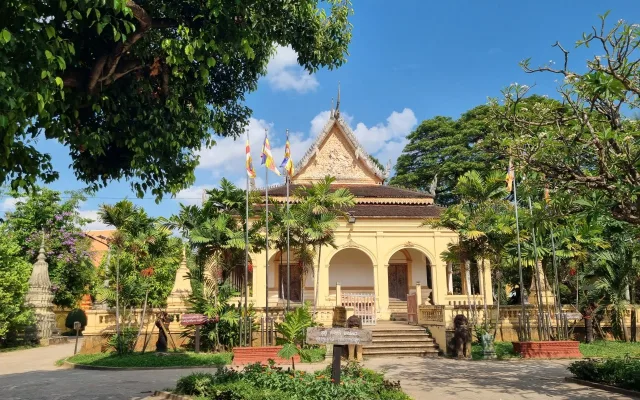
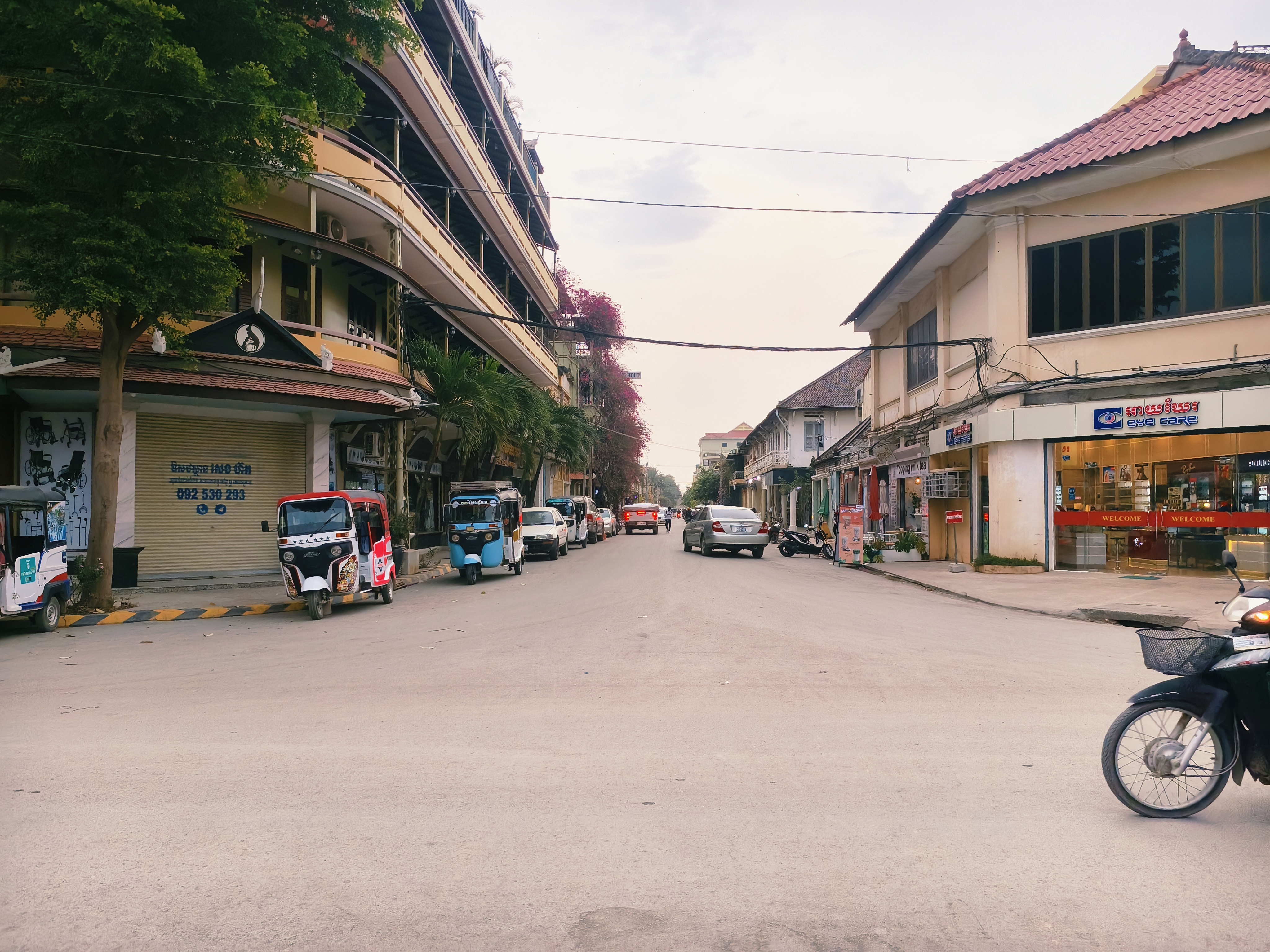
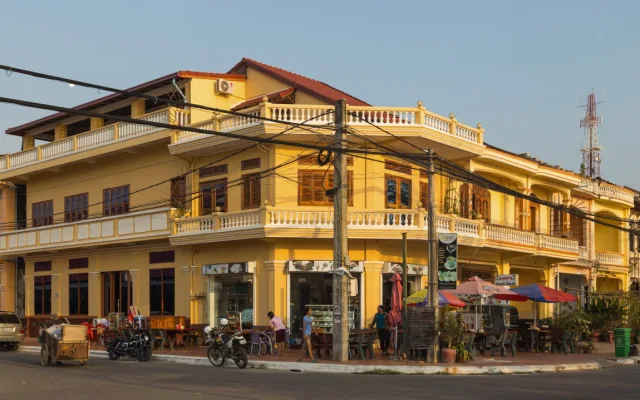
The gateway town to the Angkor Archaeological Park — temples, floating villages on the Tonlé Sap, and Pub Street after dark.
Wiki
The gateway to the Angkor Archaeological Park — the largest religious complex in the world — and a town of about 250,000 people in north-western Cambodia. Angkor was the capital of the Khmer Empire (9th–15th centuries), one of the great civilisations of its age: perhaps a million people lived in the greater Angkor area in the thirteenth century, when London held around 80,000. It has been a UNESCO World Heritage Site since 1992.
The main sights
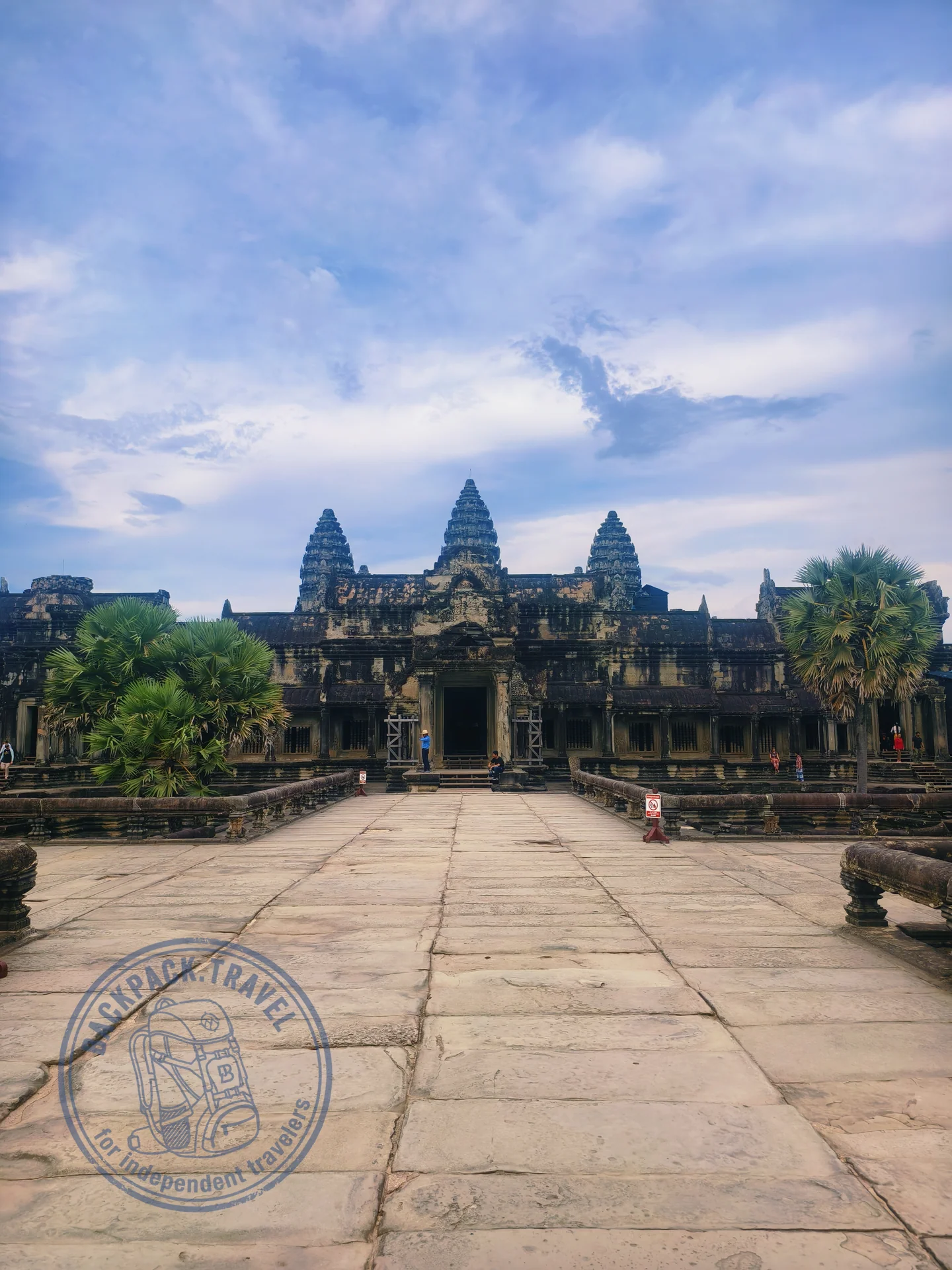
- Angkor Wat — the principal temple of the complex (twelfth century) and the largest religious monument on earth. Hindu at first, Buddhist later. Sunrise and sunset are both compulsory.
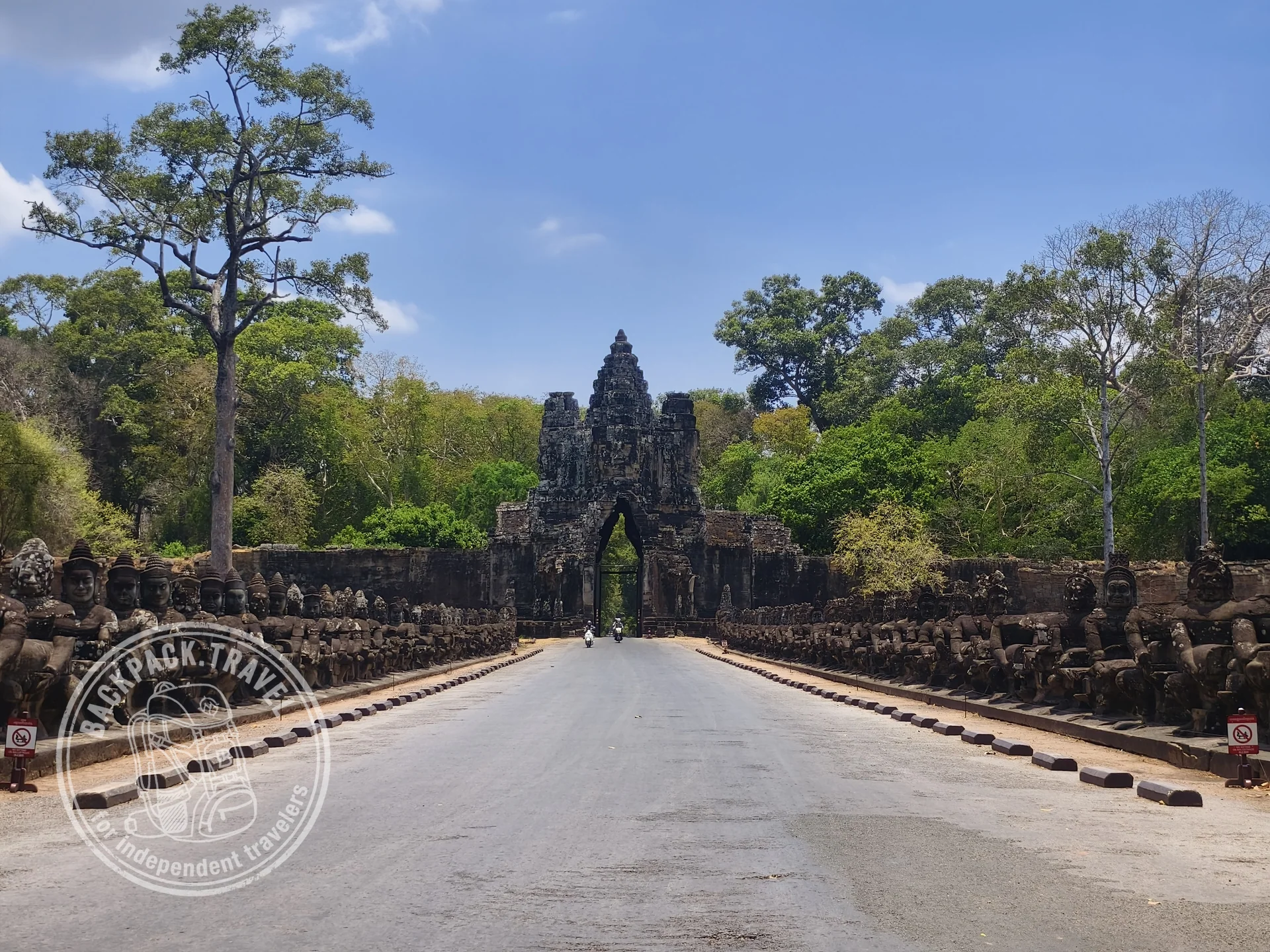
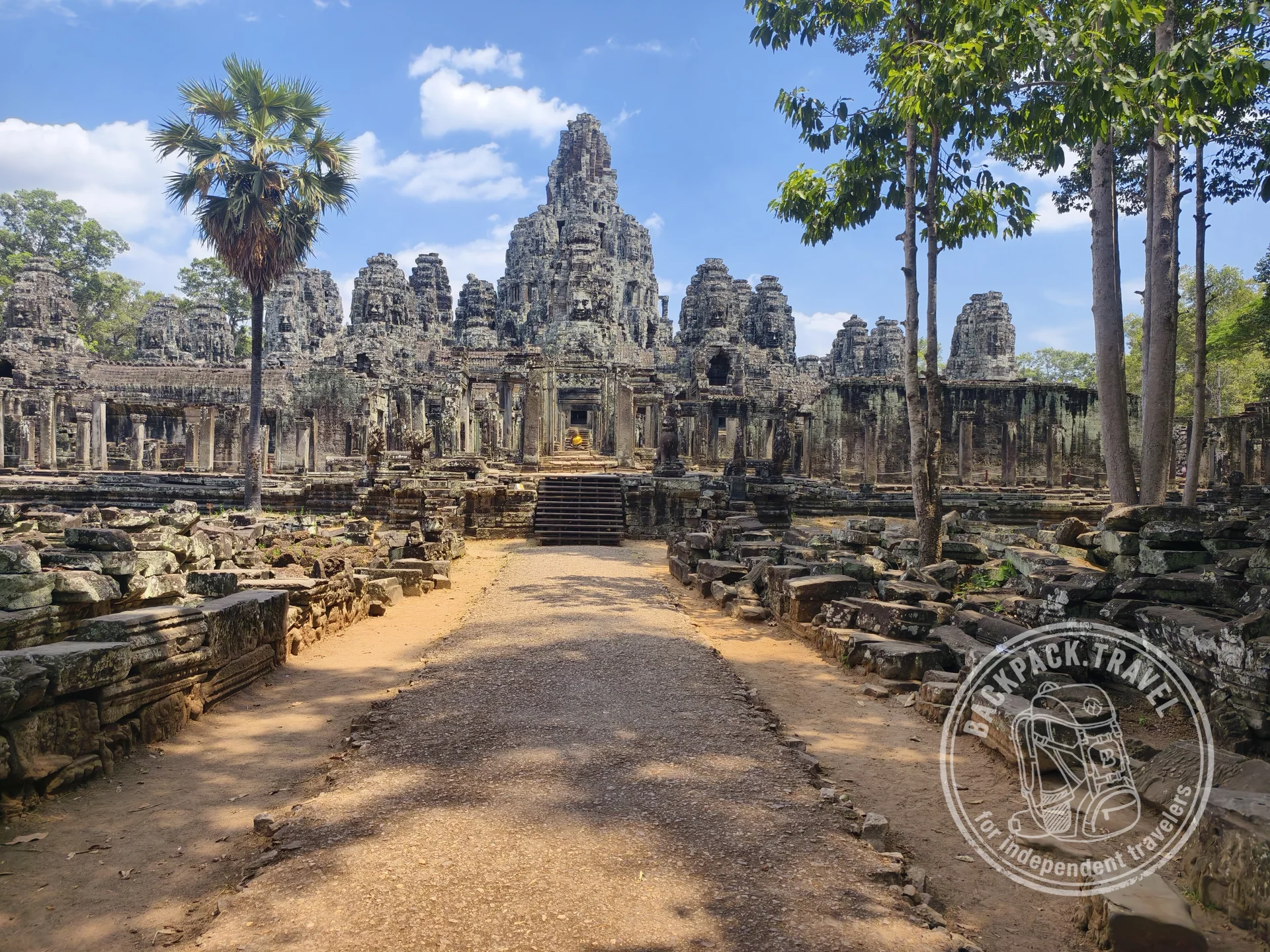
- Angkor Thom and the Bayon — the last capital of the Khmer Empire, whose centrepiece is the Bayon with its 216 stone faces, read variously as the Buddha or the king.
- Ta Prohm — the temple swallowed by jungle, with giant fig roots gripping the walls. The "Lara Croft temple" from Tomb Raider (2001).
- Banteay Srei — the "citadel of women", the most finely decorated temple in the complex, 30 km out. Pink sandstone and carving of astonishing delicacy.
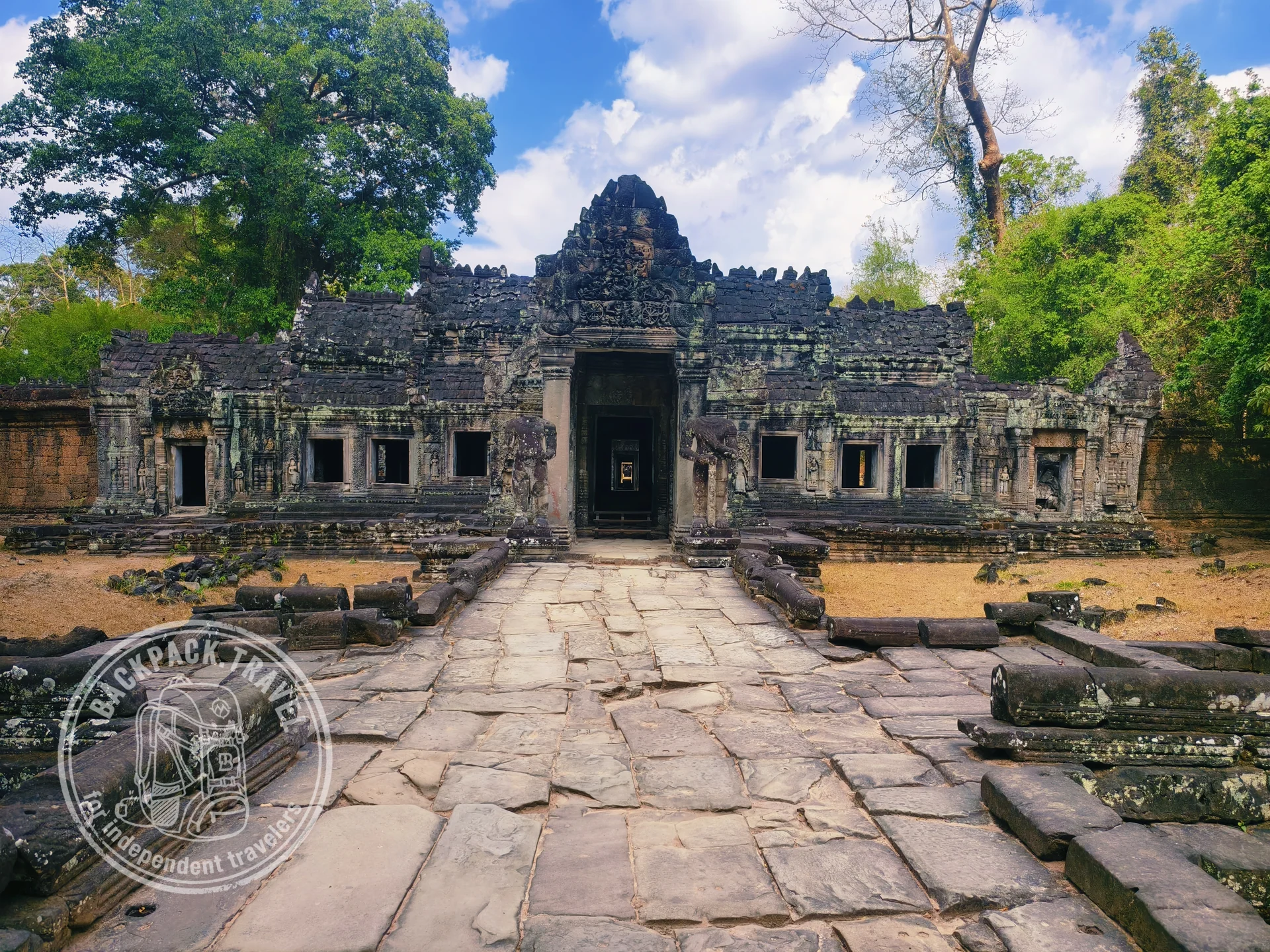
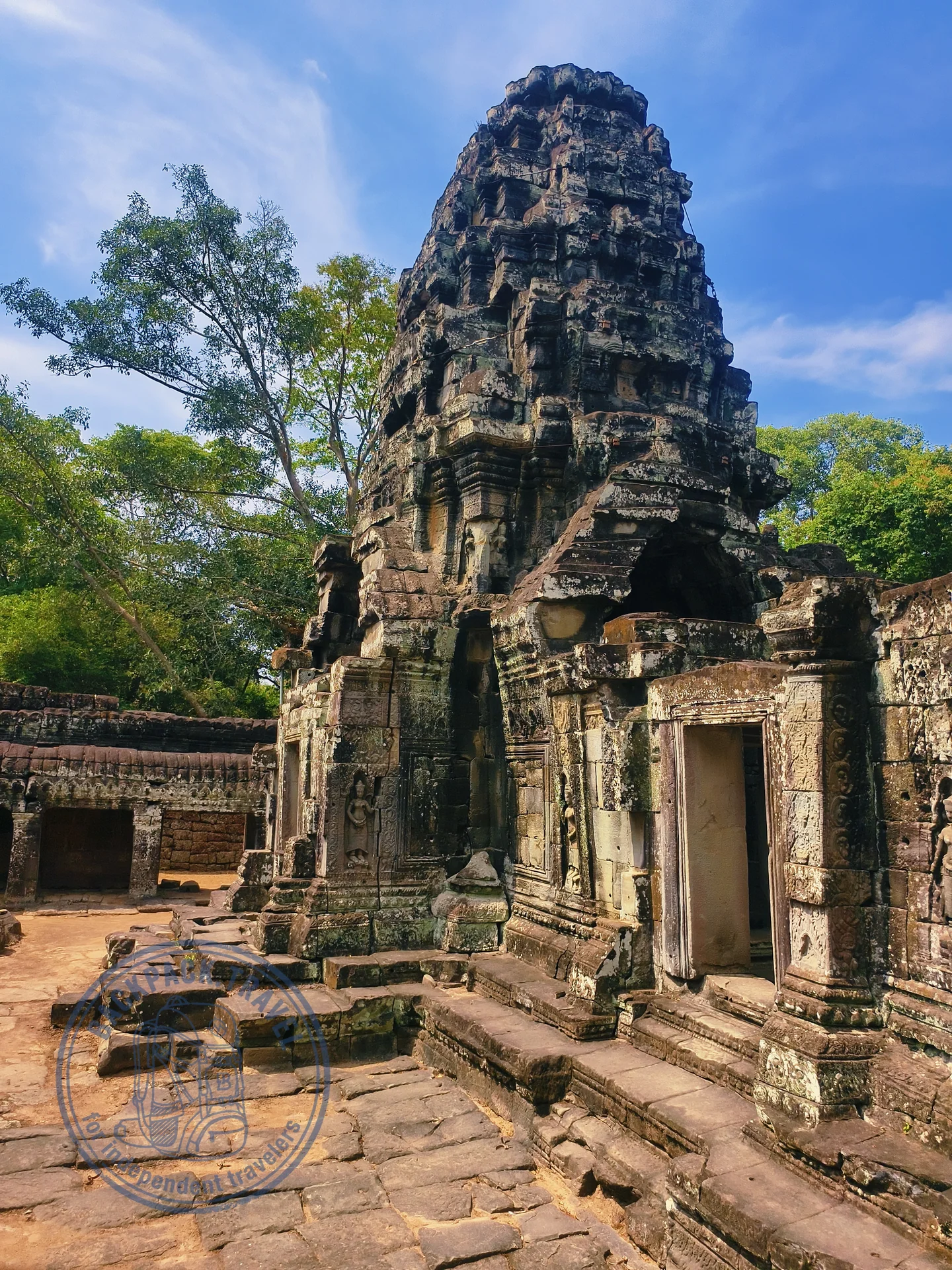
- Preah Khan — a large temple-monastery, also part-reclaimed by vegetation.
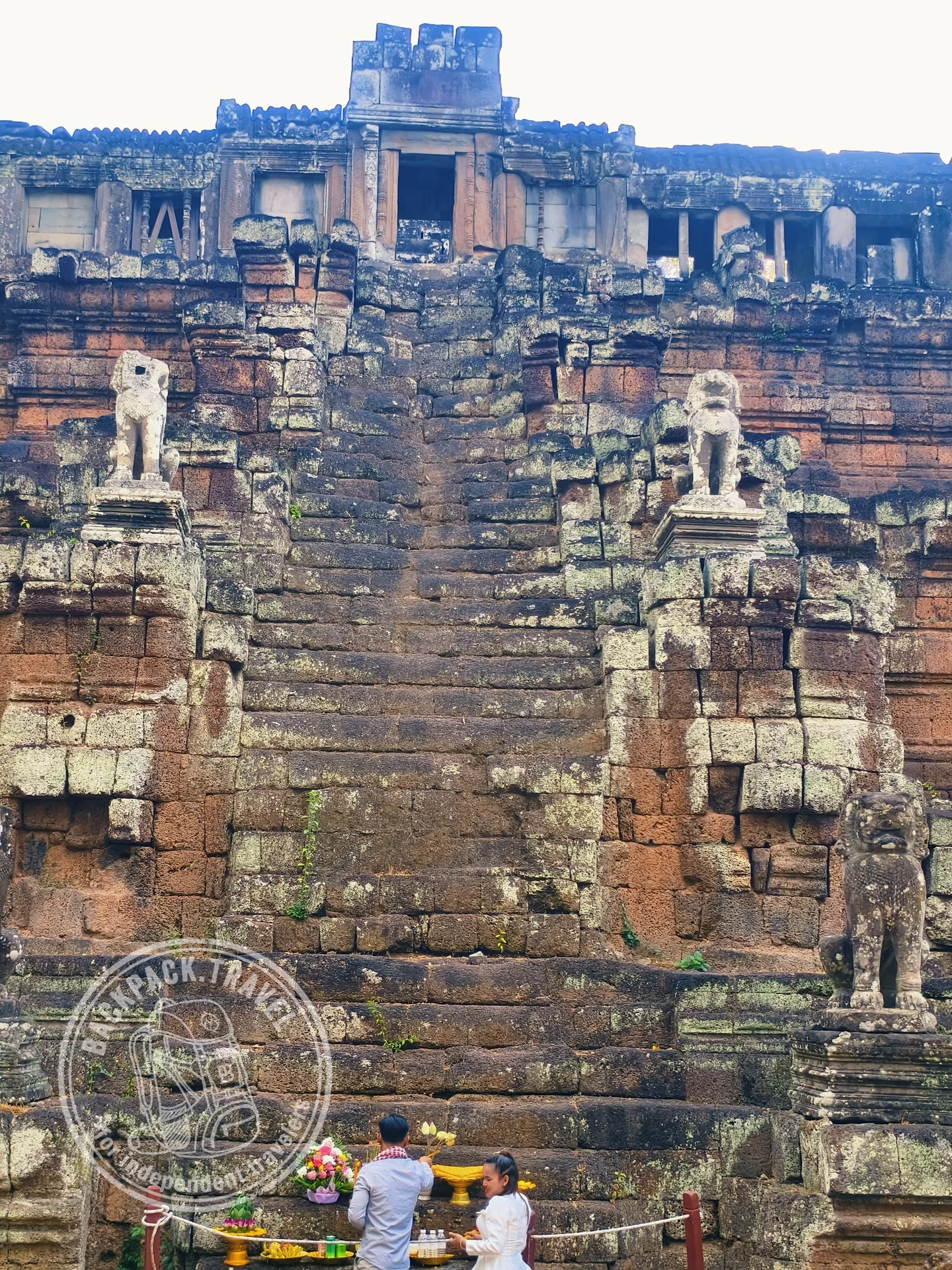
- Ta Keo — a pyramid temple with punishingly steep steps.
- Phnom Bakheng — a hilltop temple and the classic sunset spot.
- Pub Street — Siem Reap's main pedestrian strip, lined with bars, restaurants and the night market.
- The Old Market (Phsar Chas) — the town's main tourist market.
- The Tonlé Sap — the largest lake in Southeast Asia, with floating villages (Kampong Phluk is the most authentic), 40 minutes away.
- Beng Mealea — an unrestored temple in the jungle 60 km out, without the crowds.
- Koh Ker — an ancient pyramid temple 130 km away.
- Preah Vihear — a temple on the Thai–Cambodian border, a UNESCO site, four hours away.
Food and prices
The cooking is Khmer: amok (fish in coconut curry steamed in a banana leaf, the national dish), lok lak (seared beef with a pepper and lime dipping sauce), num banh chok (rice noodles with fish curry) and fresh spring rolls. Lunch at a local place is $4–7, dinner in a restaurant $10–25, an Angkor beer $1. An Angkor pass costs $37 for one day, $62 for three and $72 for seven. Petrol is about $1 a litre; a tuk-tuk for a day around the park is $15–25 and a scooter $7–10 a day. Prices are as of 2026. Cambodia uses the riel, but visitors settle almost everything in US dollars.
Transport
Siem Reap's international airport (REP) is served by Cambodia Angkor Air, Cathay Pacific, Singapore Airlines, AirAsia and Thai Airways among others. A taxi or Grab into town is $5–10. From Phnom Penh it is a 45-minute flight ($60–100) or a six-hour bus ($12–18); from Bangkok, an hour in the air ($50–130). Around town you use tuk-tuks and Grab; around the park, a tuk-tuk, a bicycle or an electric buggy.
When to go
November to March is dry, 22–32°C, and ideal. December and January are peak season. April and May bring extreme heat, 35–40°C. The rainy season (June–October) means short violent downpours, but the Tonlé Sap is at its fullest. Khmer New Year falls on 13–15 April, and Pchum Ben in September or October.