Description
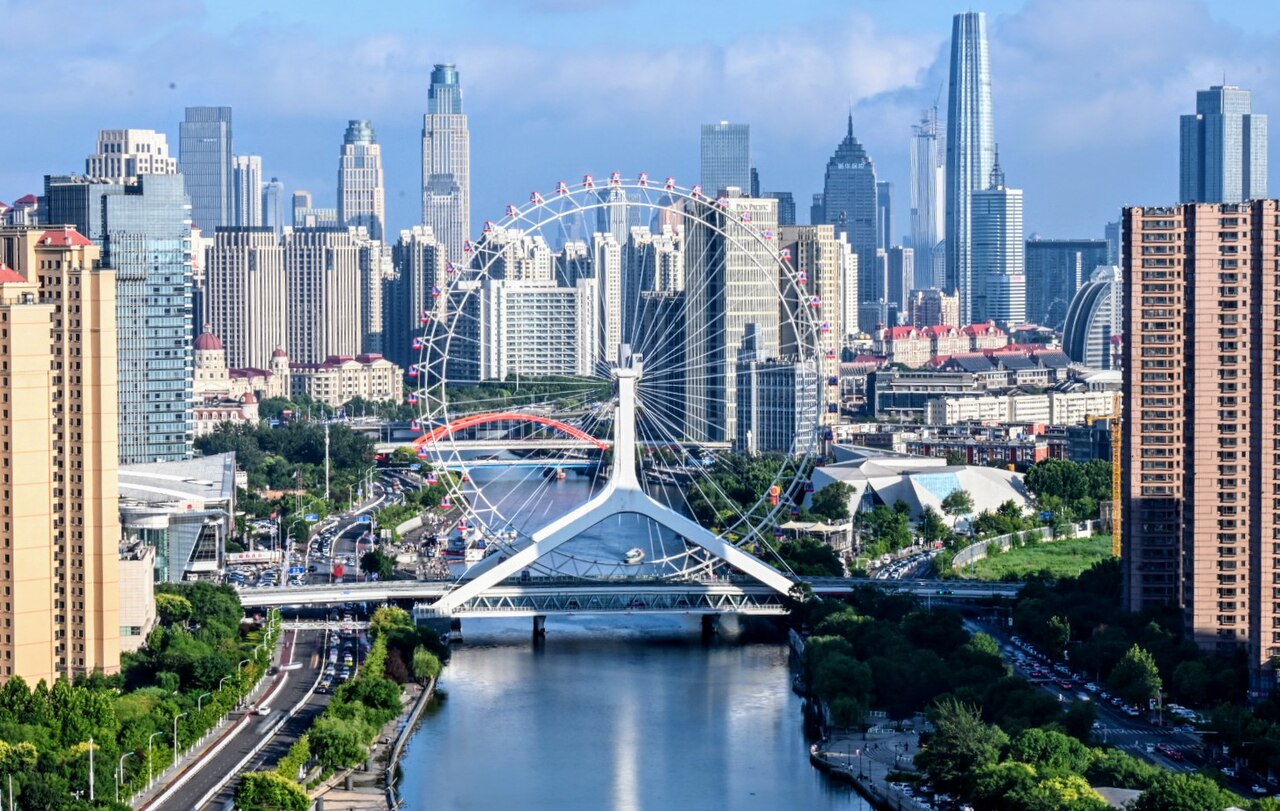
The gateway to Beijing: the Tianjin Eye wheel, the Italian Quarter, Ancient Culture Street and crisp-skinned baozi.
Wiki
Tianjin is a port metropolis in north-eastern China, the fourth largest city in the country by population and one of the four municipalities under direct central administration, alongside Beijing, Shanghai and Chongqing. Set at the mouth of the Hai River about 130 km from the capital, it served for centuries as Beijing's sea gate and remains the largest port in northern China.
Overview and history
Tianjin first gained importance under the Ming dynasty, when a fortified post was laid out here to guard the approaches to the capital along the Grand Canal. The name itself means "the imperial ford" — by tradition, this is where the army of the future Yongle Emperor crossed the river.
The 19th century decided the city's fate. After the Second Opium War Tianjin became a treaty port, and concessions belonging to eight powers appeared on its territory at once — Britain, France, Germany, Japan, Russia, Austria-Hungary, Italy and Belgium. Each built up its own plot in its accustomed style, so the centre today resembles an open-air architectural museum: European mansions, banks, churches and villas stand side by side with traditional Chinese buildings. At various times the last emperor Puyi, who had abdicated the throne, and many political figures of Republican China lived here.
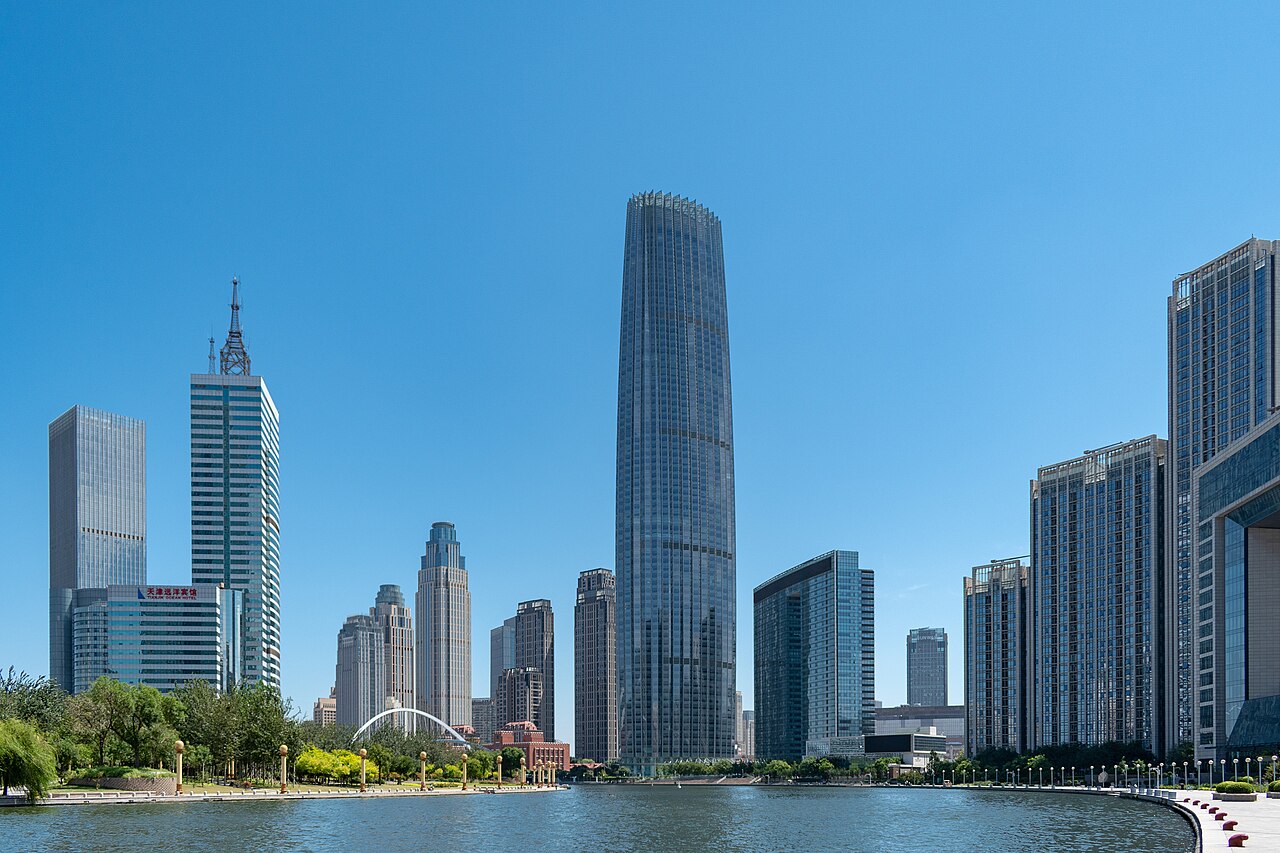
Modern Tianjin is also a business centre, with a district of skyscrapers, the Binhai industrial zone and a well-developed transport network. A high-speed train connects the city with Beijing in just half an hour, which makes it a convenient add-on to a trip to the capital.
Main sights
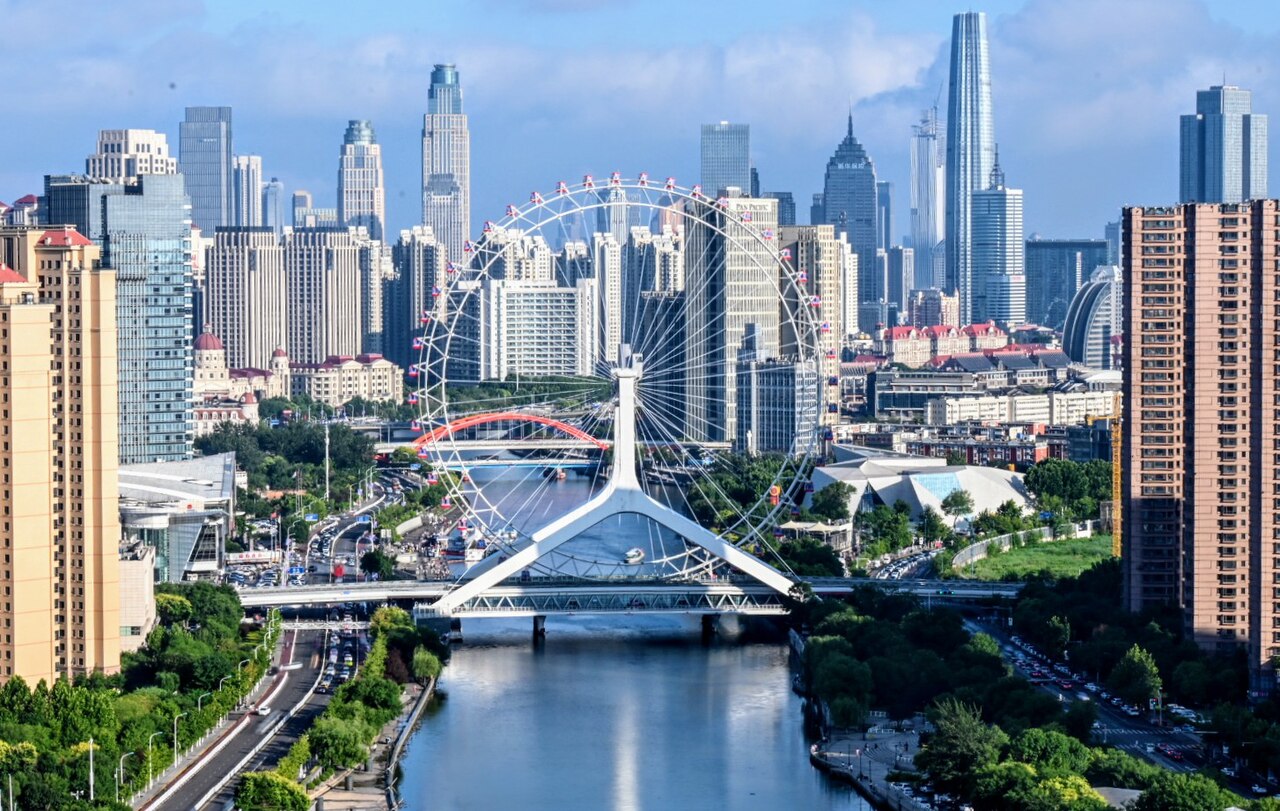
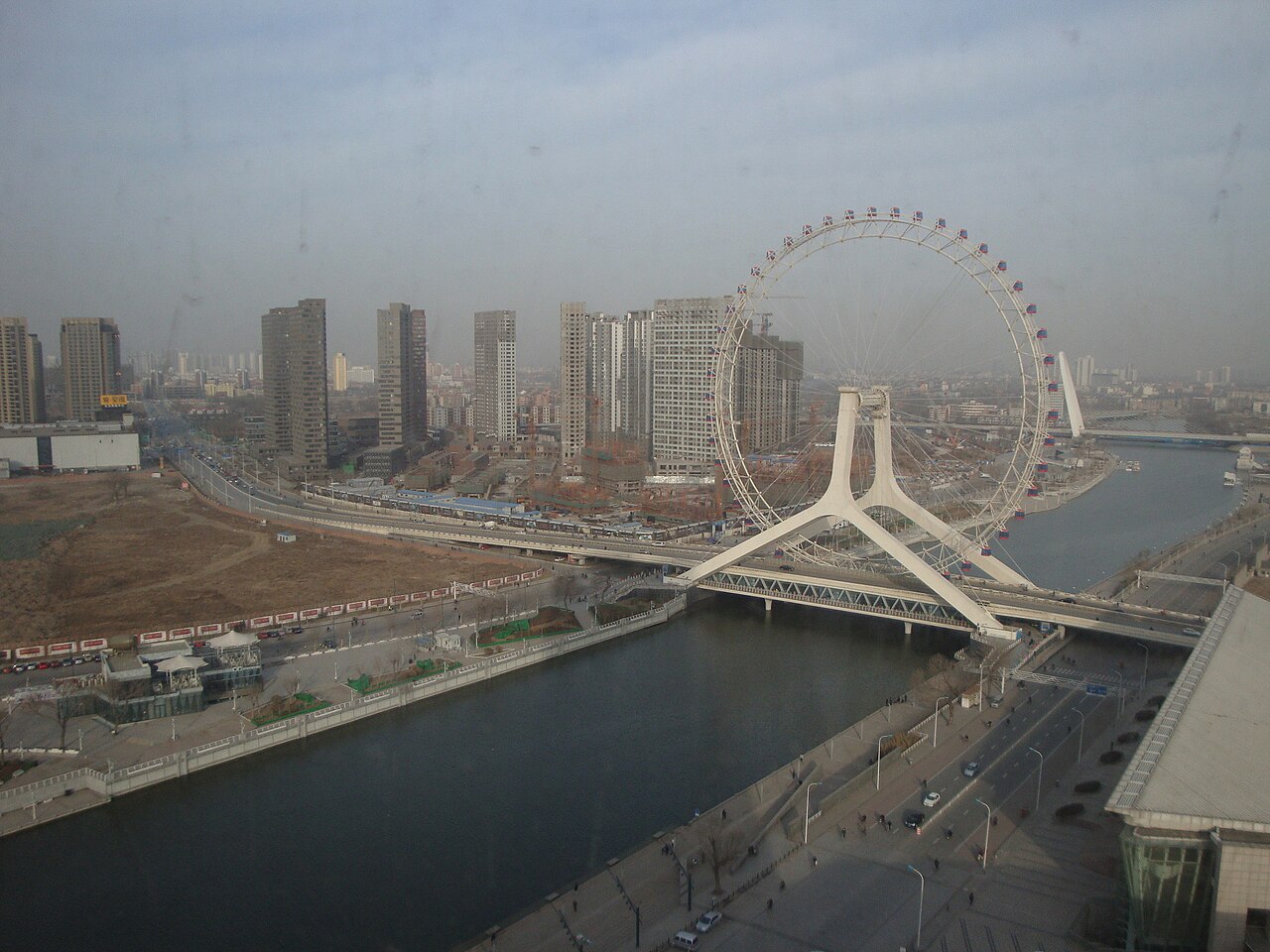
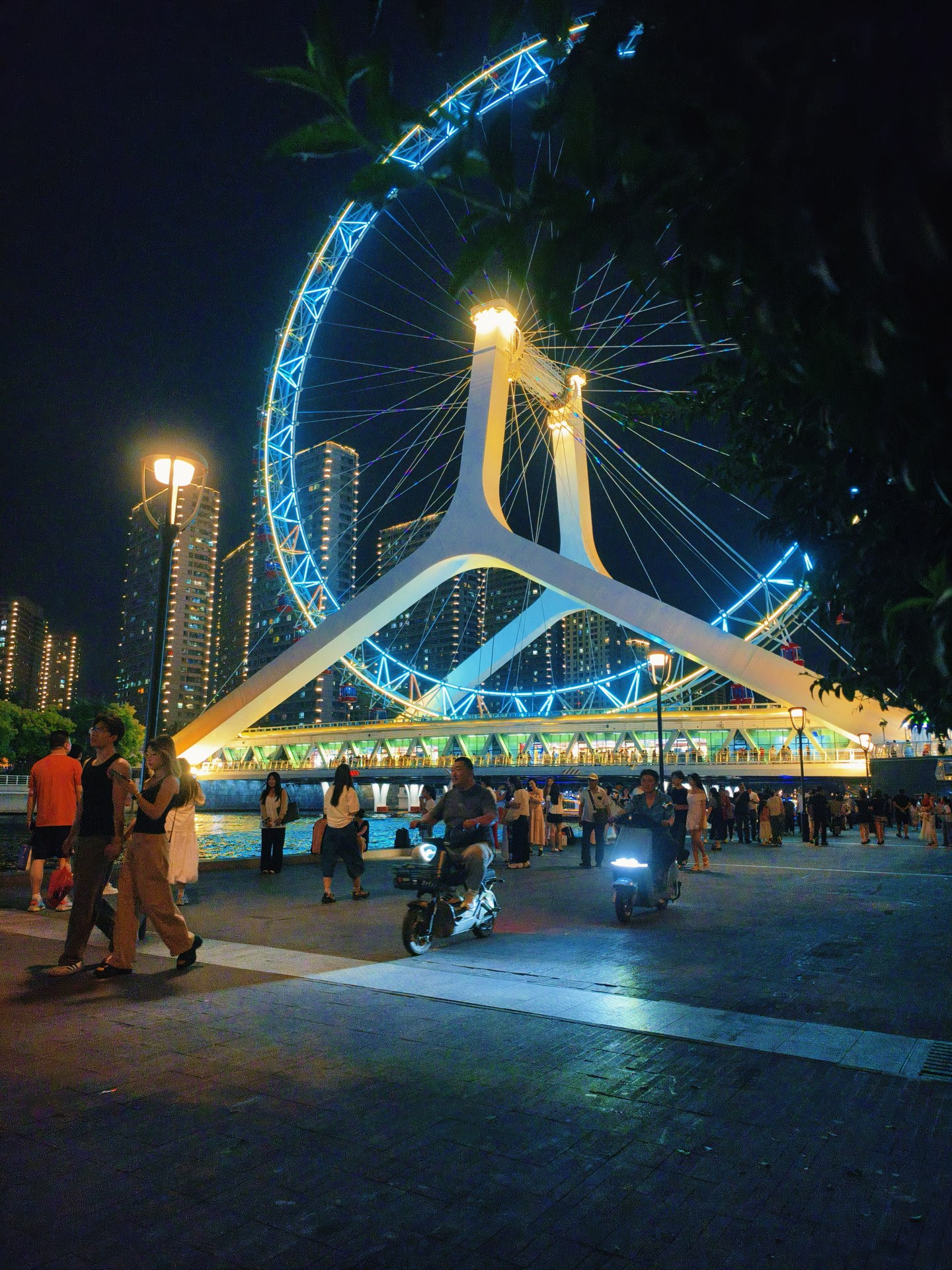
- Tianjin Eye — a 120-metre observation wheel mounted directly on the Yongle road and pedestrian bridge over the Hai River. It is the only structure of its kind in the world; the cabins lift visitors above the river, opening up a panorama of the embankments and the illuminated centre. Entry is about ¥60.
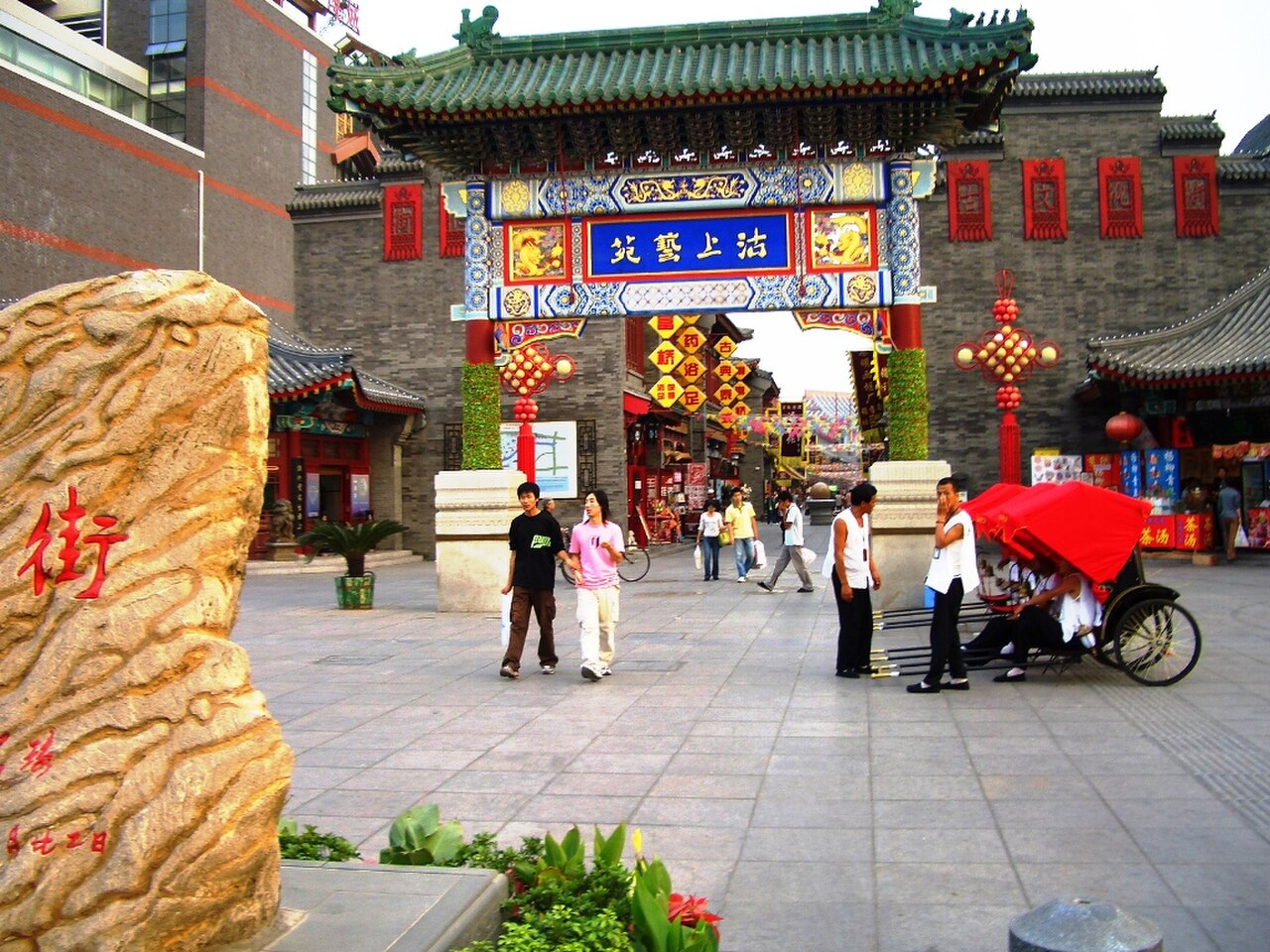
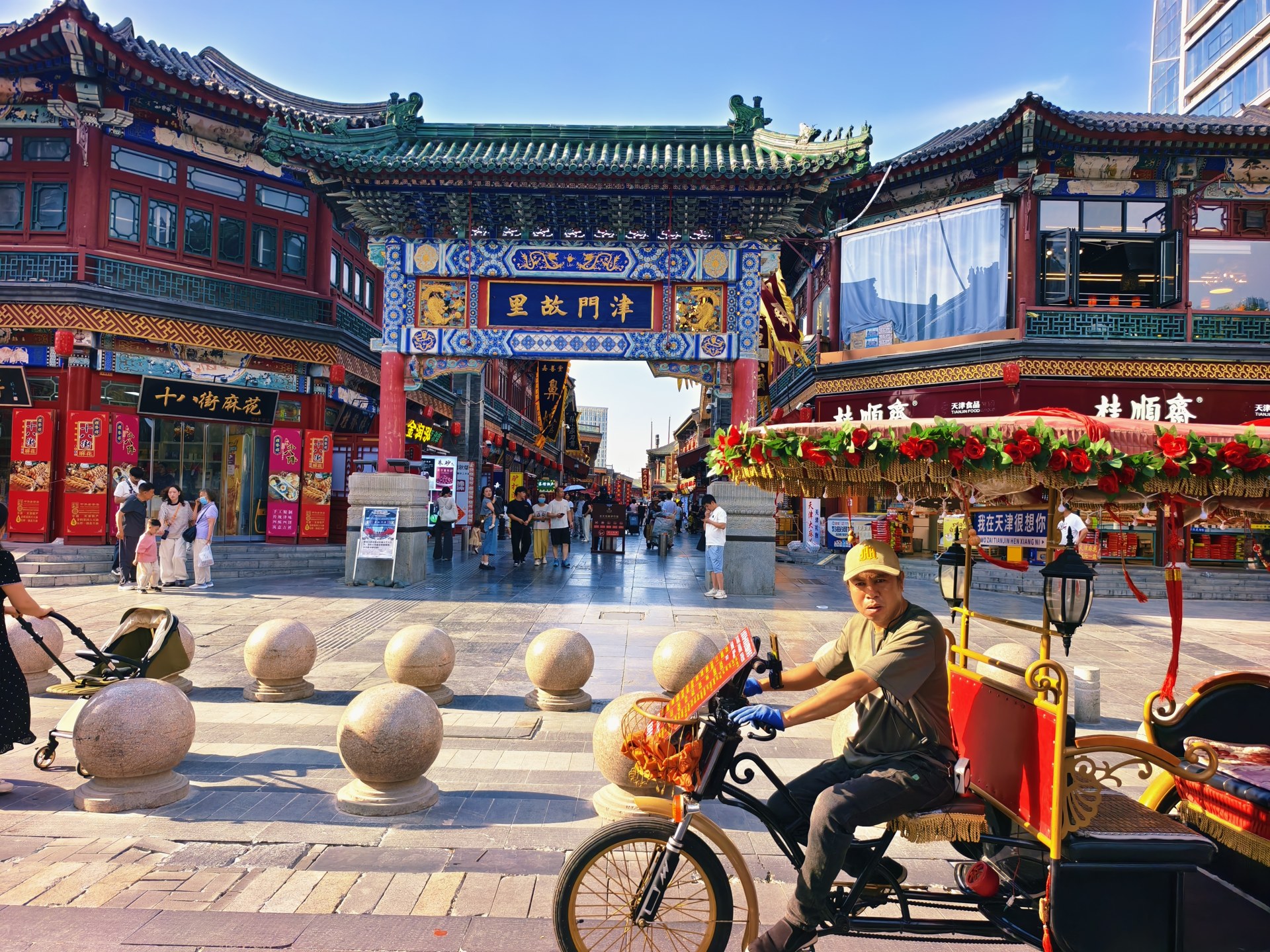
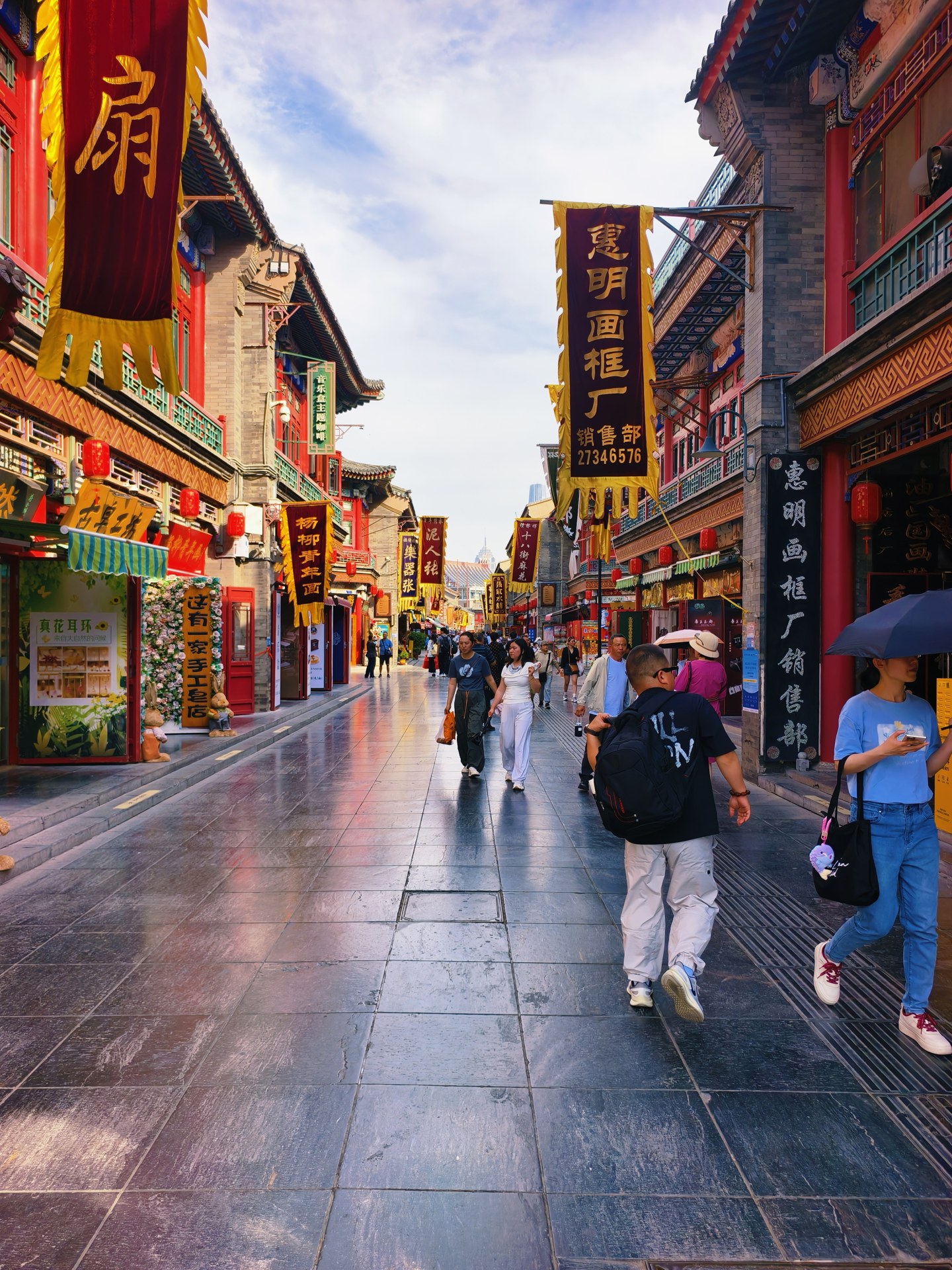
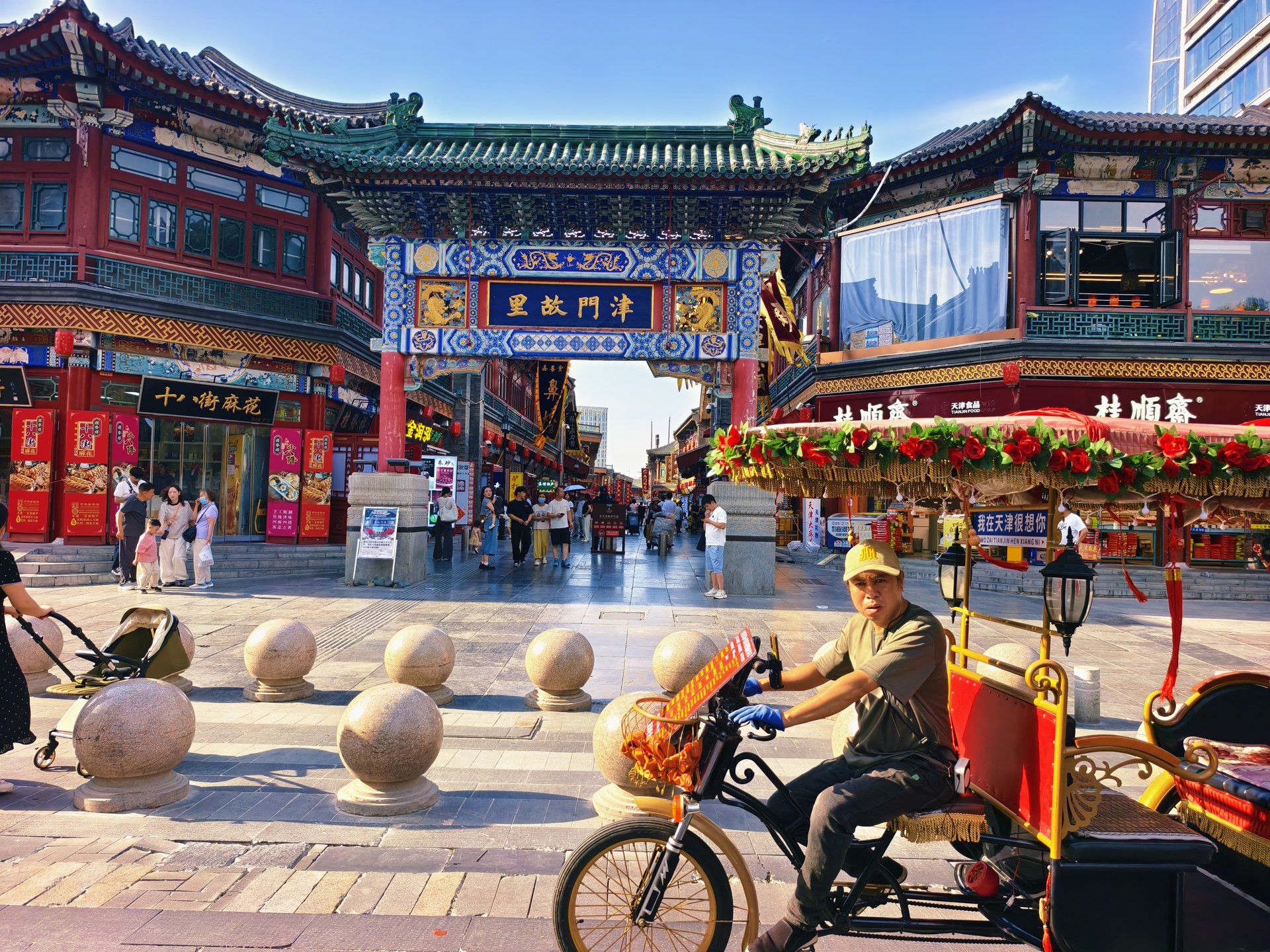
- Ancient Culture Street (Guwenhua Jie) — a pedestrian shopping street some 600 metres long, built in Qing-era style. It sells calligraphy, antiques, folk crafts and the famous "Niren Zhang" clay figurines. Access is free.
- The Italian Quarter — the former Italian concession, the only one outside Italy itself to have kept a coherent Mediterranean look. Squares, fountains, arcades and cafés make it one of the most photogenic places in the city.
- The French Quarter — quiet boulevards with mansions in the spirit of the Third Republic, uncrowded and well suited to an unhurried stroll.
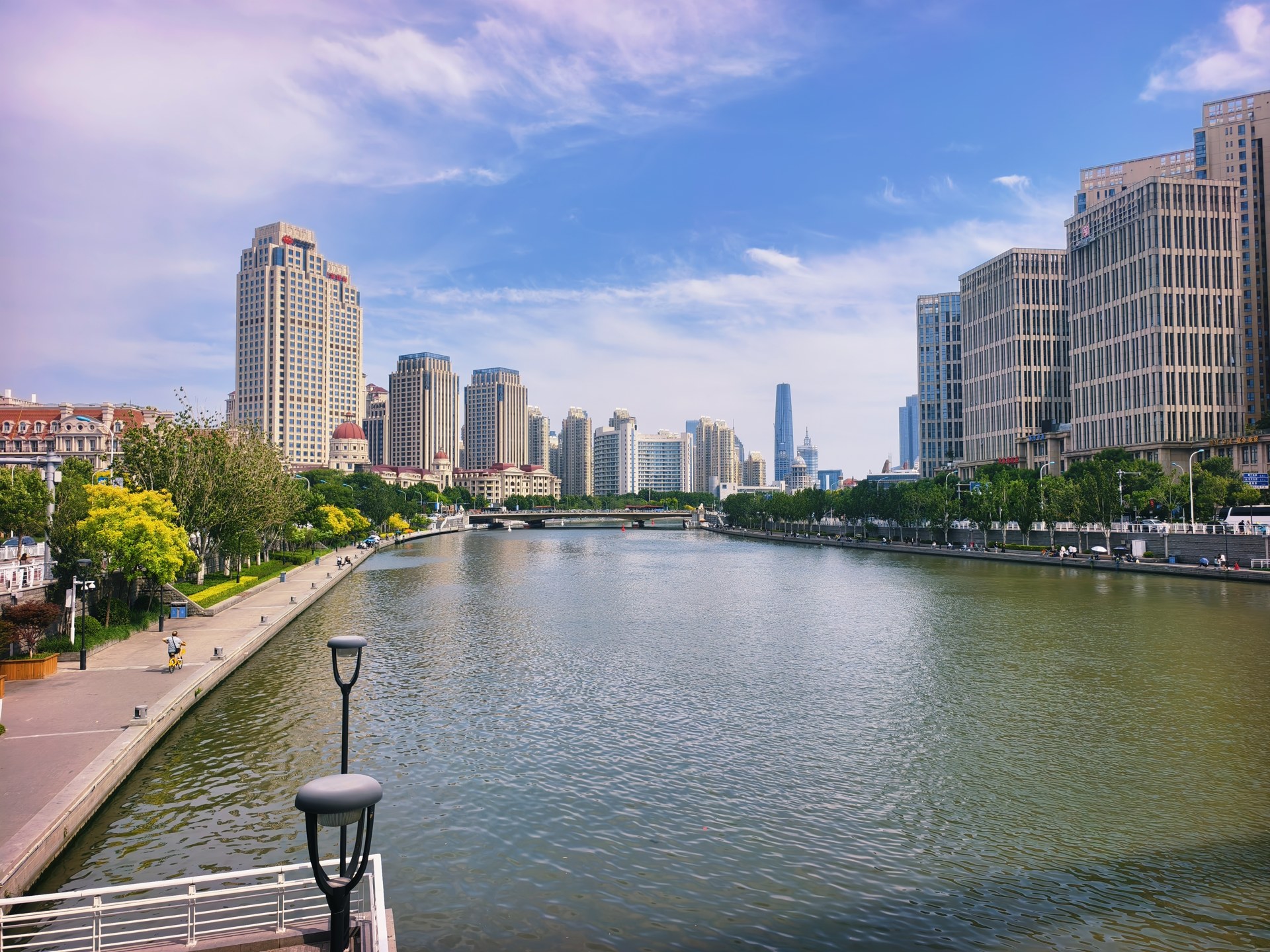
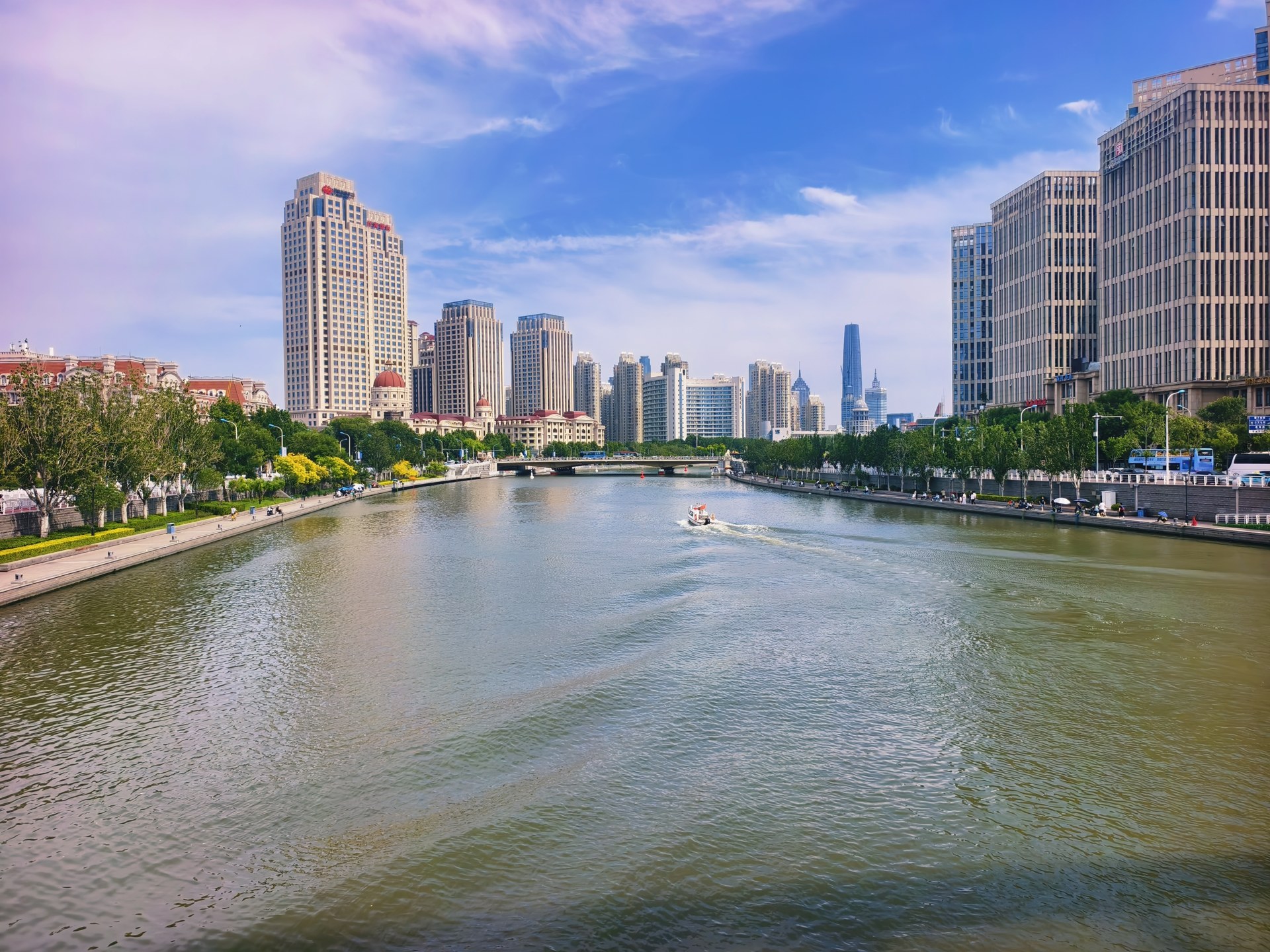
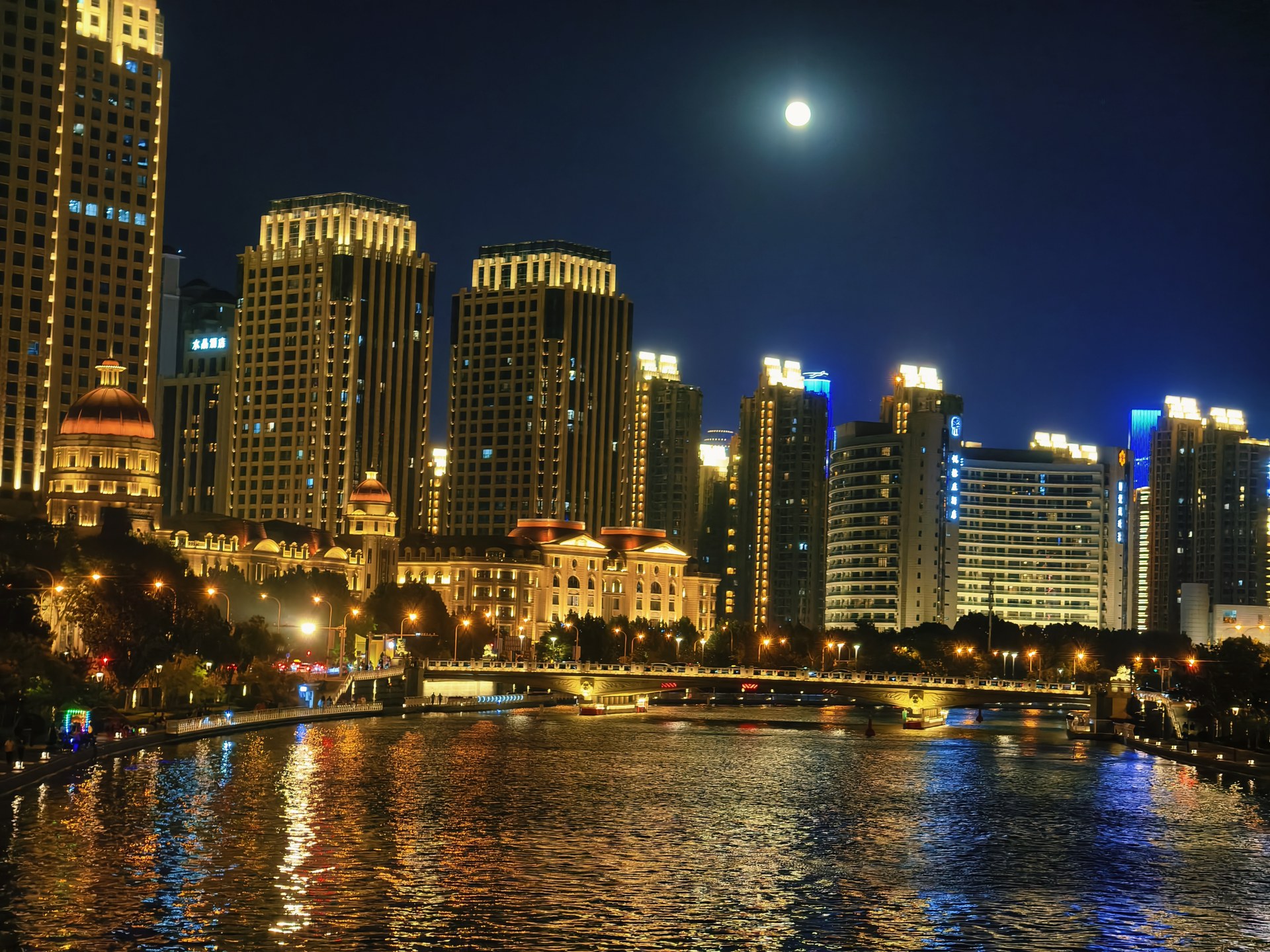
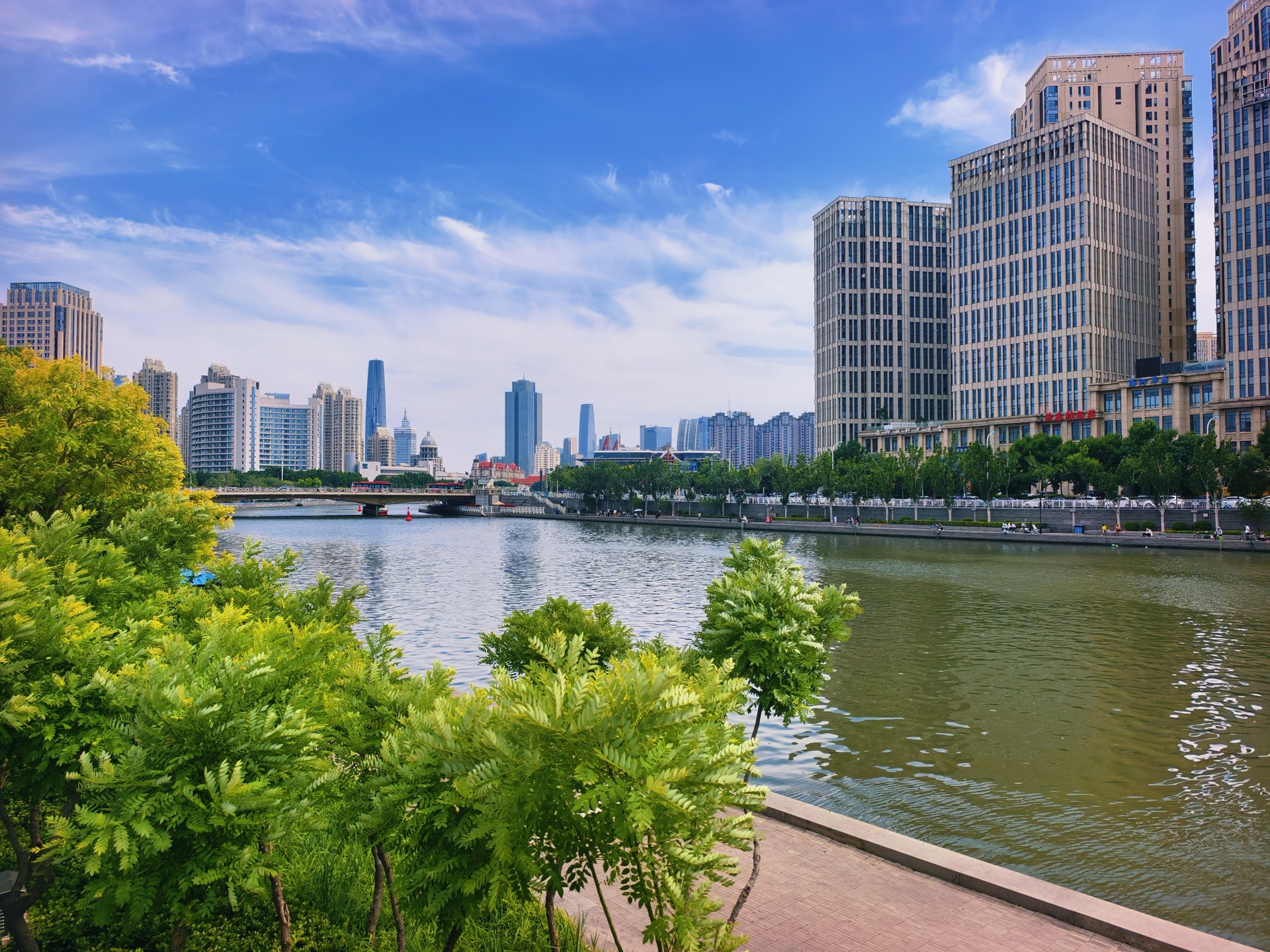
- The Hai River waterfront — a promenade along the river, especially striking in the evening when the lighting on the bridges and buildings comes on. River cruise boats depart from here.
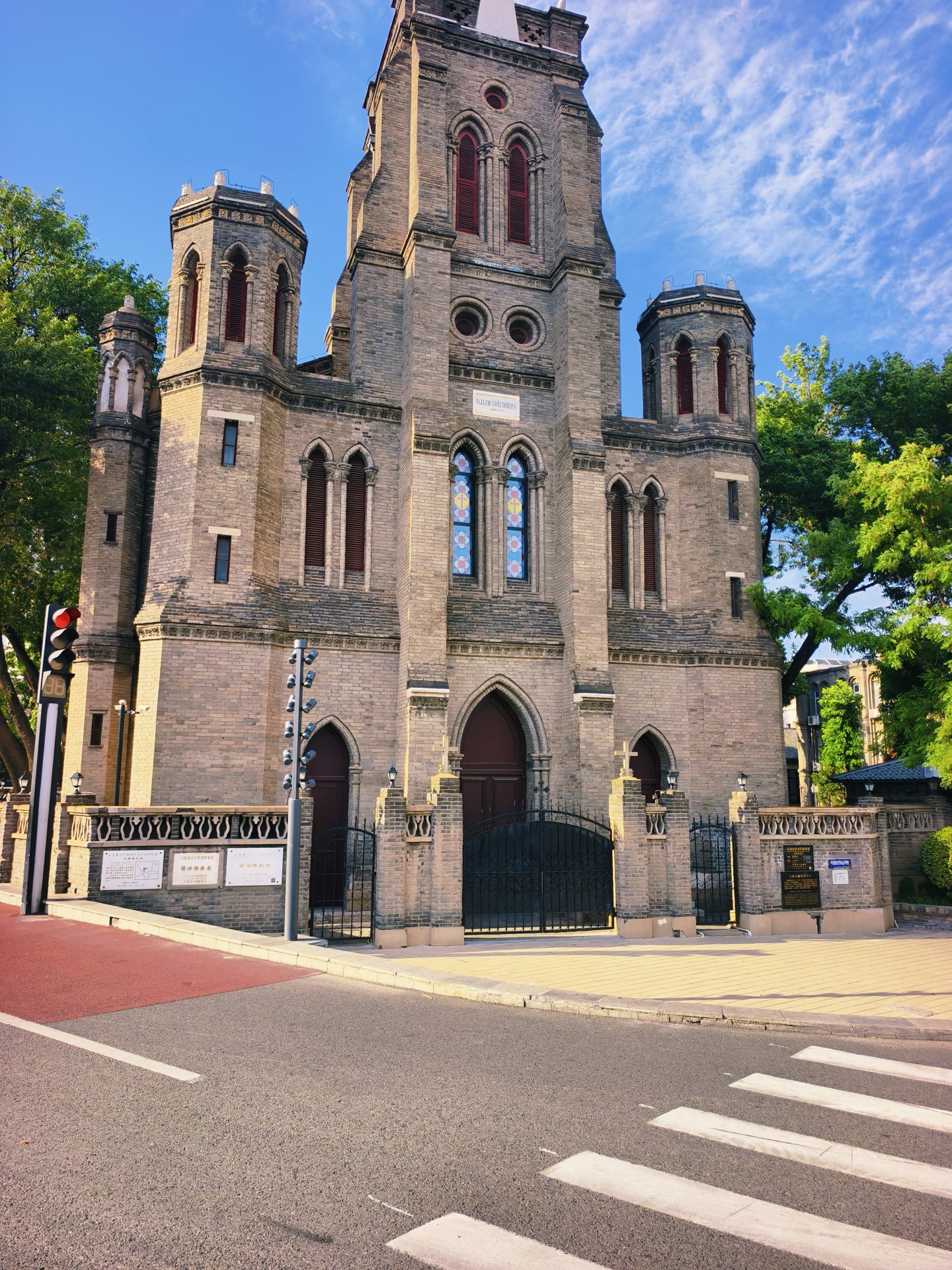
- Notre-Dame Cathedral (Xikai) — the largest Catholic church in northern China, built by the French in 1916 in a neo-Romanesque style with three domes. Entry is free.
It is also worth looking into the "Five Great Avenues" quarter (Wudadao), a preserve of early 20th-century Western architecture that is best seen on foot or from a horse-drawn carriage.
Food
Tianjin is justly proud of its street food and its restaurants. The main local speciality is Goubuli baozi: steamed buns with a juicy meat filling and their characteristic eighteen folds of dough, known across the country. The flagship establishment is on Guwenhua Jie; a basket costs roughly ¥30–60.
The symbol of breakfast here is jianbing guozi, a thin crisp pancake with egg, sauce and a brittle crunchy filling, made in front of you for ¥8–12. Another calling card is mahua, fried dough twists from the Shibajie district, plaited into a tight braid. An average lunch in a café costs ¥15–40; dinner in a restaurant is noticeably more.
Practicalities
Two days are enough to see Tianjin. The first is best spent in the historic part: the concession quarters, the Hai River waterfront and an evening ride on the Tianjin Eye. The second is for Ancient Culture Street, the cathedral and a walk around Wudadao.
The easiest way to get here is by high-speed train from Beijing South Railway Station — the journey takes about 30 minutes. Getting around the city is easy by metro: several lines link the key districts and both main railway stations. The best time to visit is spring and autumn: summer here is hot and humid, winter windy and cold. Payments are most conveniently made through mobile payment services, which are accepted almost everywhere.
Photos