Description
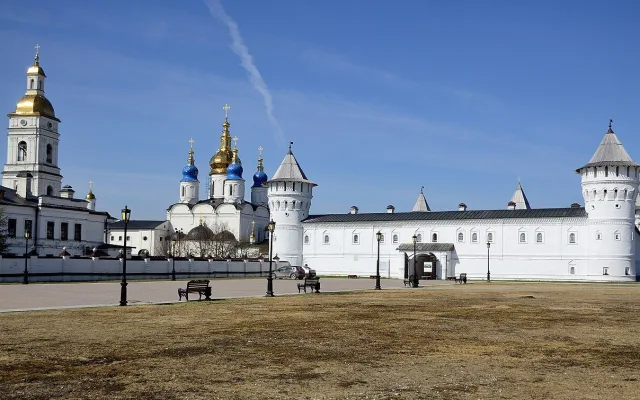
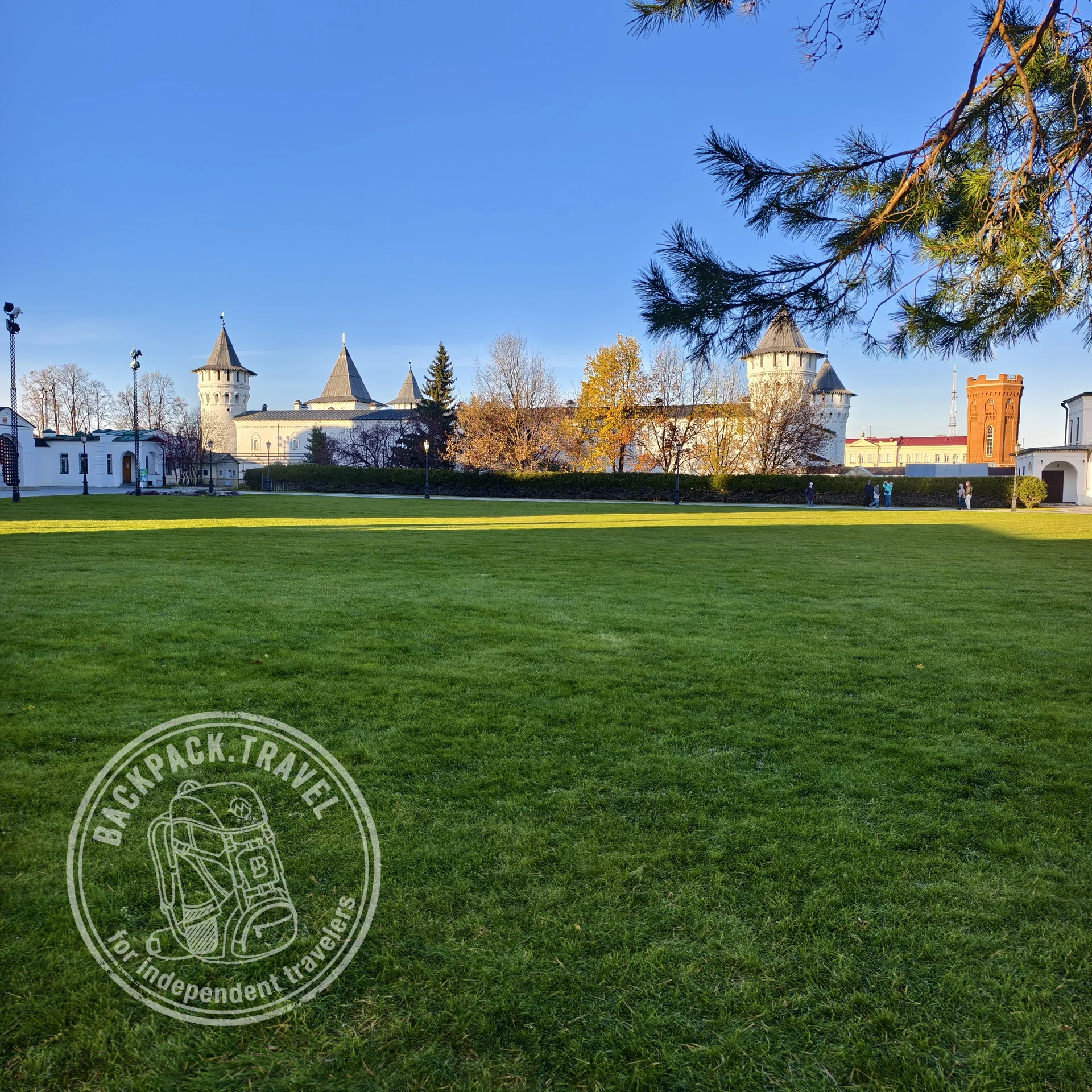
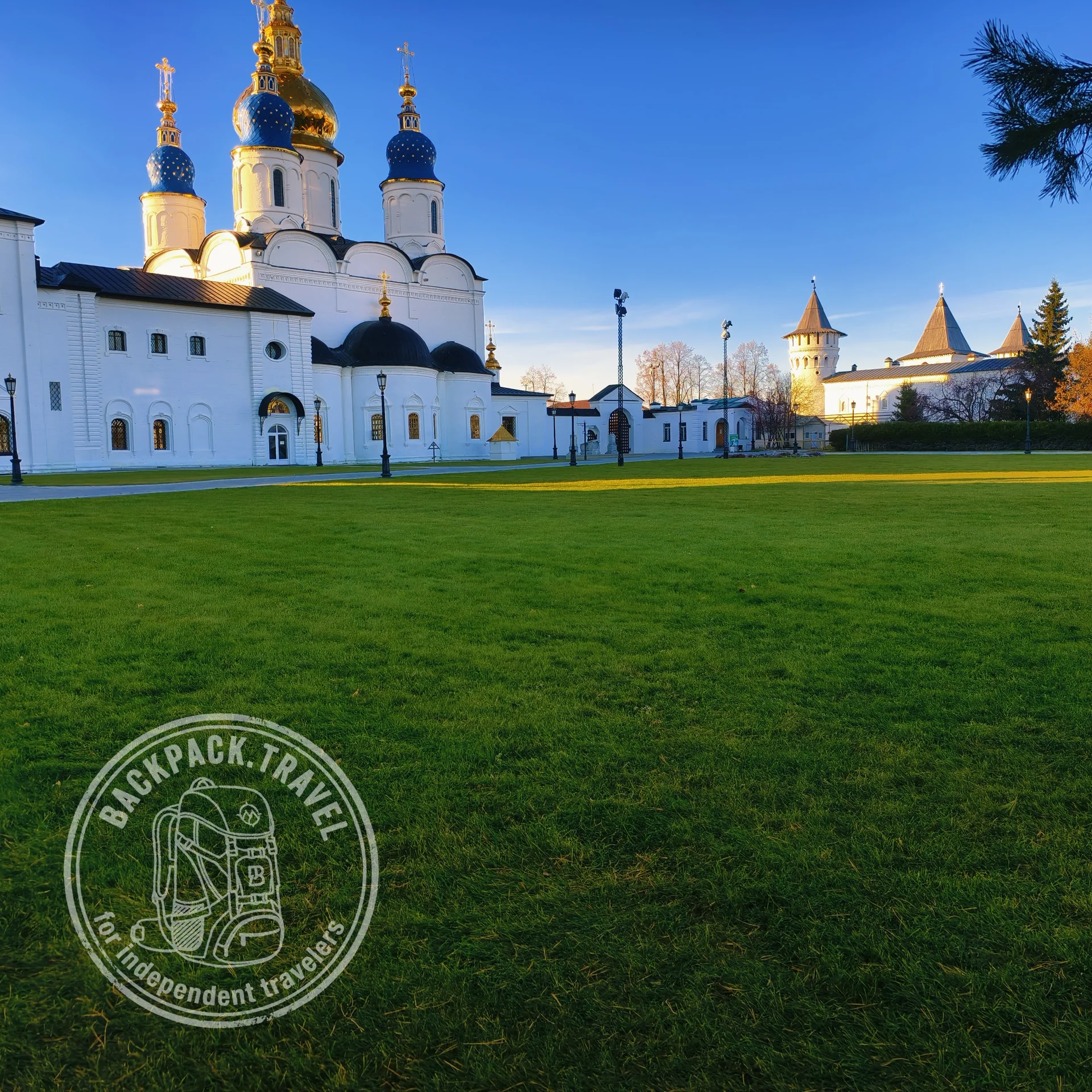
The first capital of Siberia, with the only stone kremlin in Siberia, dating from the 17th century and standing on a high hill. A place of exile for the Decembrists and Russia's last emperor, Nicholas II; Dostoevsky passed through its transit prison.
Wiki
Tobolsk stands on the high bank of the Irtysh River, 250 km from Tyumen in Western Siberia — the former capital of the whole of Siberia, which in the 18th century was bypassed by the new post roads and railways, leaving the city preserved in aspic. That is exactly why people come: the only stone kremlin east of the Urals, a lower town of wooden houses, and a dense layer of exile history, from the Decembrists to the family of Nicholas II.
How many days to allow
One full day is the minimum to walk round the kremlin, go down into the lower town and look into a couple of museums. Two days is the comfortable option: it adds the Abalak Monastery outside the city, a calmer pace and the evening light over the Irtysh (the views from the kremlin terrace at sunset are the best thing here visually). More than two nights is only needed if you are travelling on across Siberia and using Tobolsk as a base.
A common approach is to set out from Tyumen early in the morning and return in the evening. It can be done, but the day will be compressed and you will most likely miss the lower town.
Getting there
Tobolsk effectively has no passenger airport of its own — plan around Tyumen. From there:
- By train. Tobolsk sits on the line towards Surgut and Novy Urengoy, trains run regularly and the journey takes several hours. The overnight service from Yekaterinburg is convenient. The station is a long way from the centre — allow for a bus or taxi.
- By bus. Regular services from Tyumen; the road route is faster and more flexible on timing. Usually the best option for a day trip.
- By car. The Tyumen–Tobolsk highway is of decent quality and the drive takes about three to four hours. A car makes Abalak and the out-of-town sites far easier.
From Moscow and St Petersburg it makes more sense to fly to Tyumen and continue overland.
Getting around the city
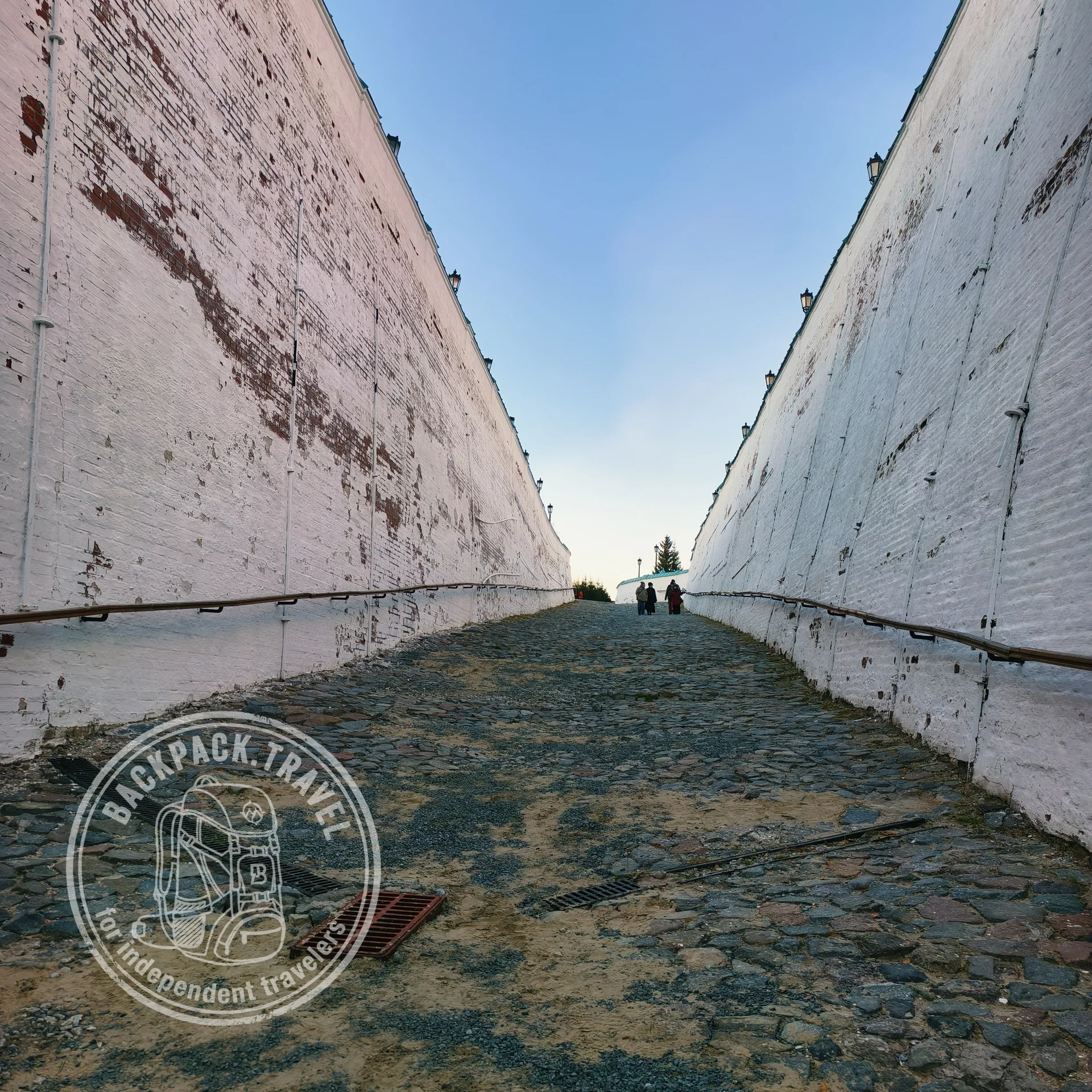
Tobolsk divides into two parts: the upper town (the kremlin, the old centre, the panorama) and the lower town (the podgora: wooden buildings, old churches, museums in historic houses). Between them run a steep descent and the staircase of the Pryamsky Vzvoz, with a great many steps. Upper and lower can each be walked separately, but the link between them is physical work, and in winter it is slippery too.
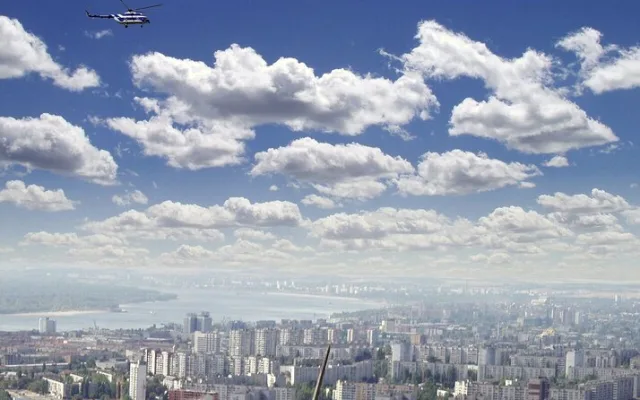
A separate difficulty: the new residential districts stand off to one side and are barely connected visually with the historic centre. If your hotel turns out to be there, every outing into town becomes a journey. City buses run, but at uneven intervals; taxis in the city are cheap, and for short hops it is simpler to take one.
Where to stay
Stay in the upper town near the kremlin — it is the only district where there is any point going out in the evening. Staying "down in the podgora" is more romantic and closer to the wooden environment, but you will have to earn every climb back up on foot. Take the outlying residential districts only to save money, and only if you have a car.
The choice of accommodation is small: a few hotels, including one right inside the kremlin complex, and short-let flats. In high season and on festival dates booking ahead is essential — there really are very few free rooms.
What to see
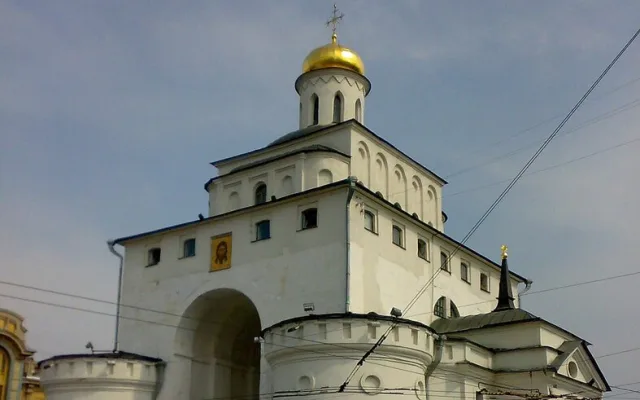
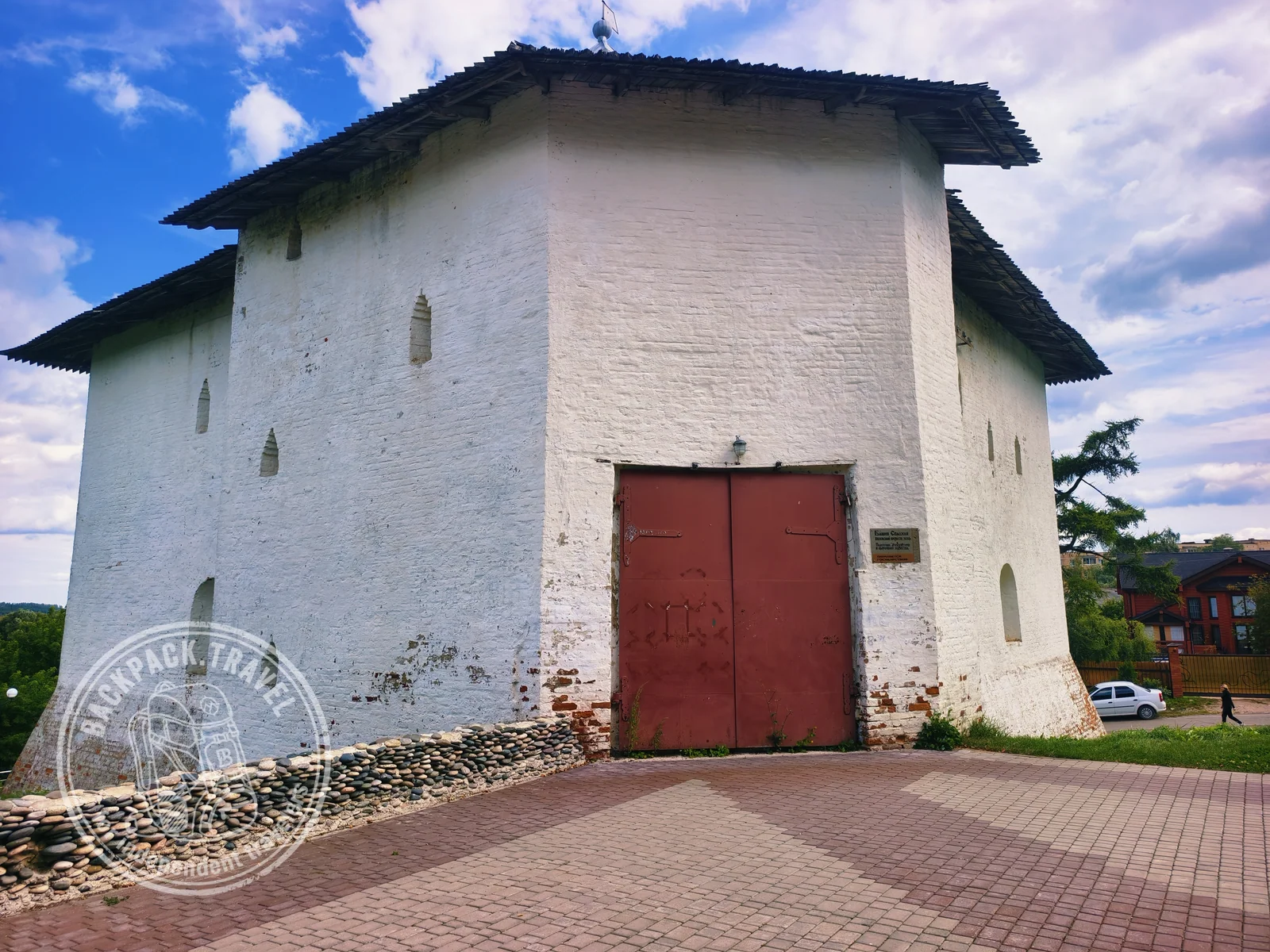
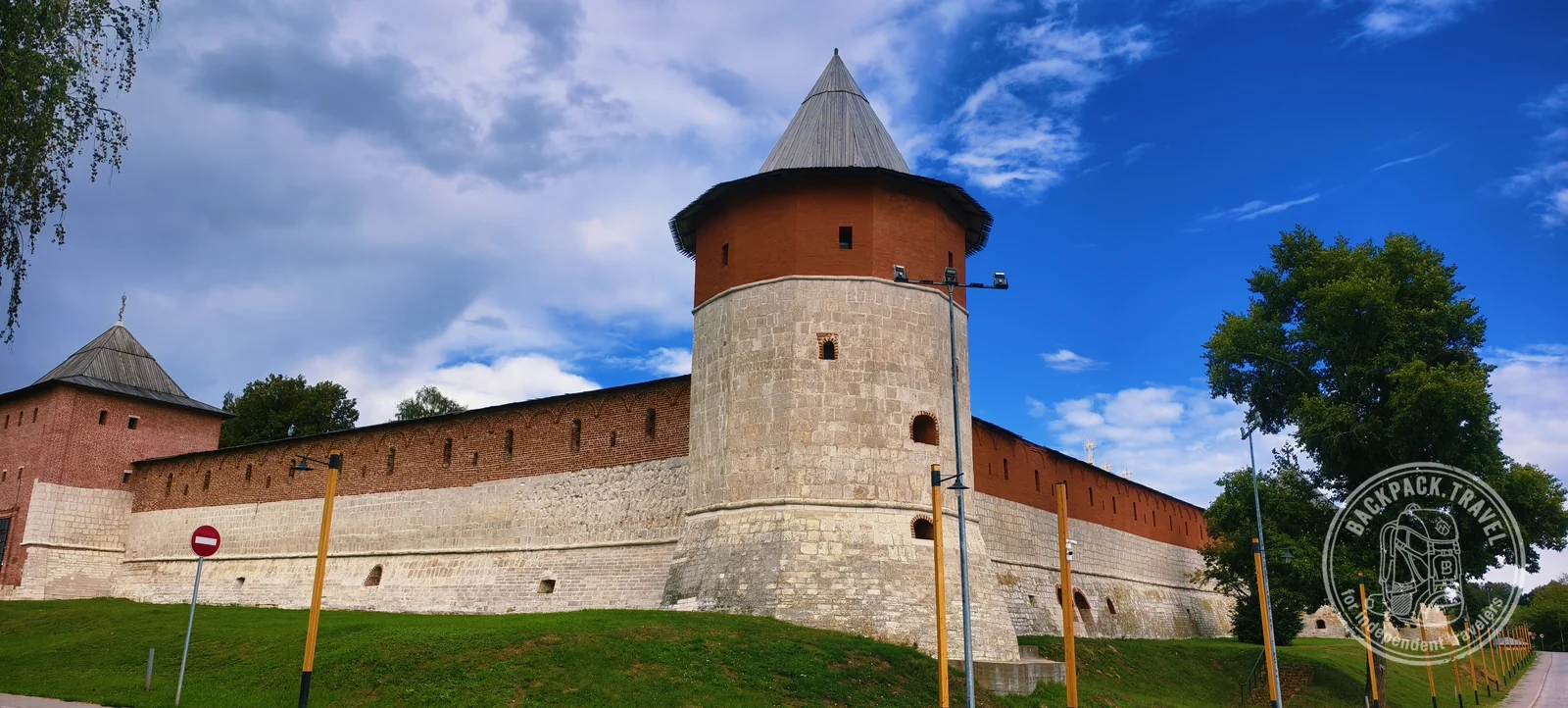
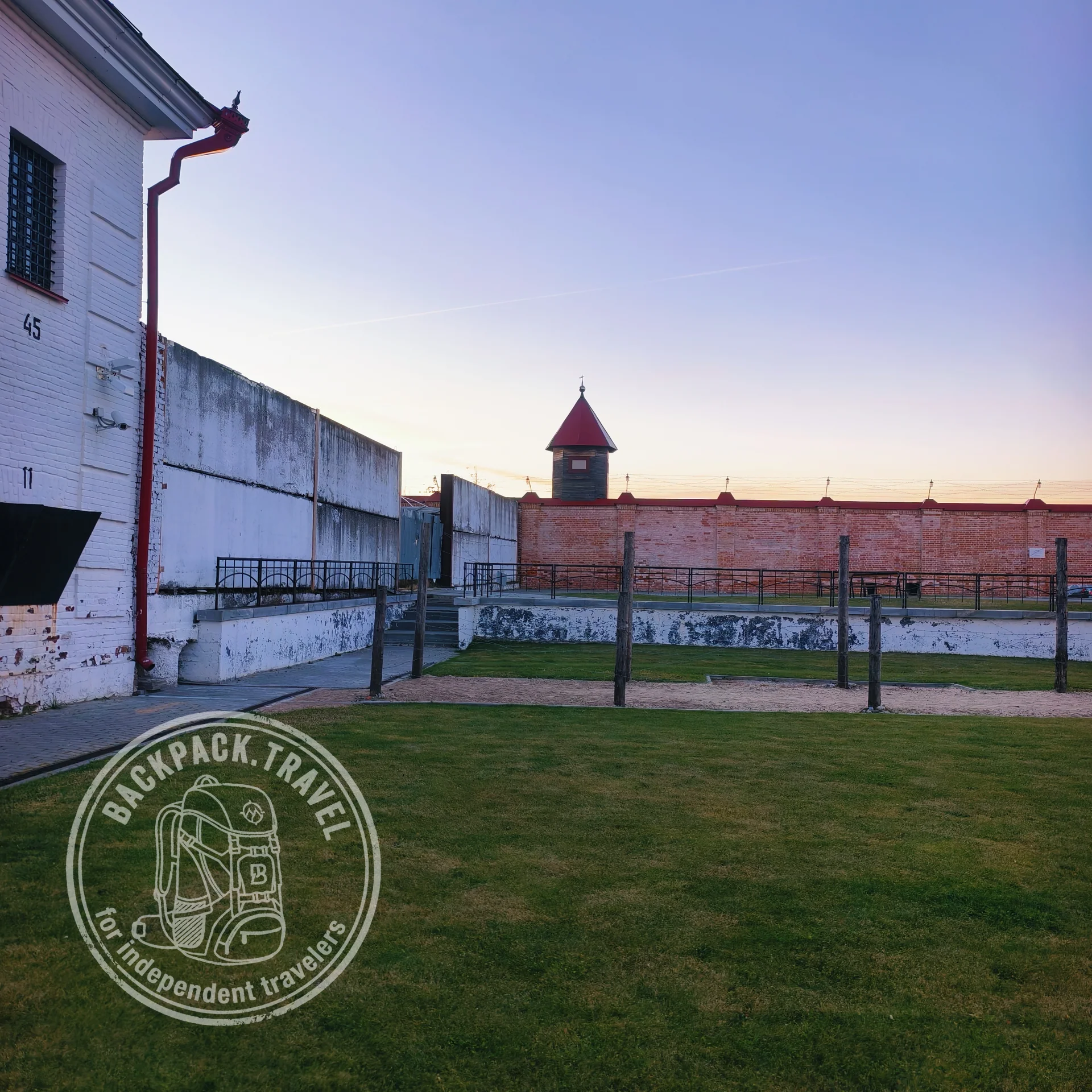
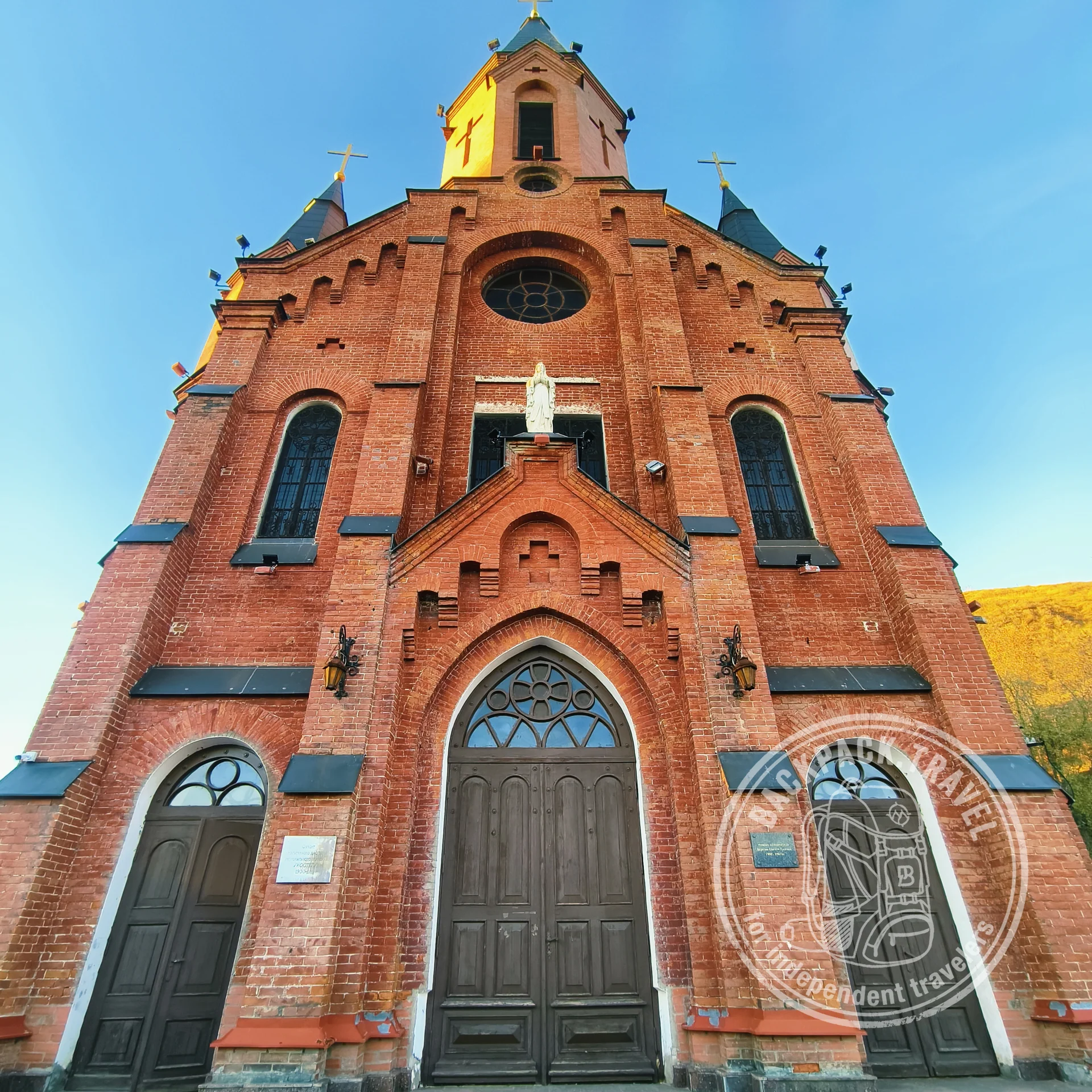
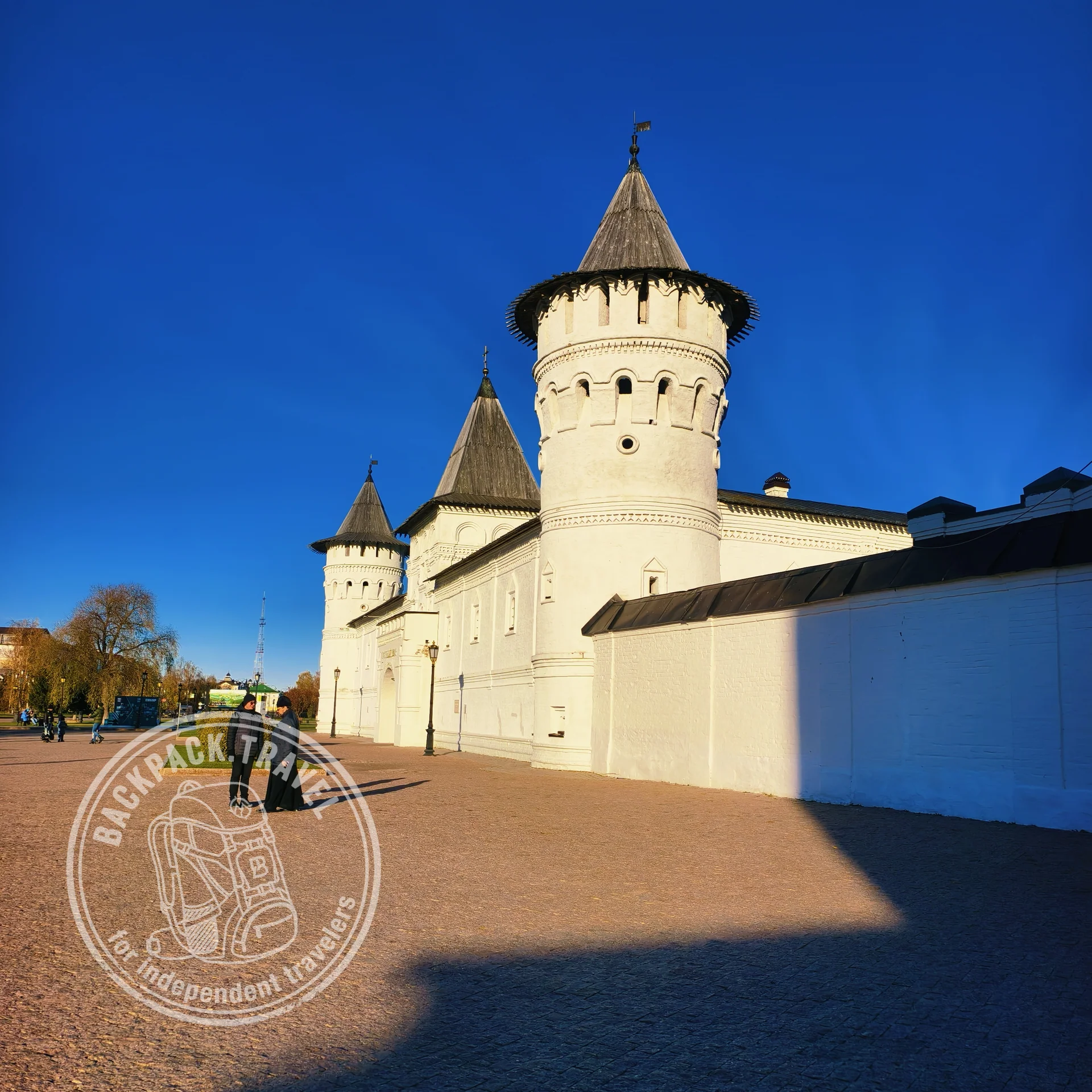
The kremlin is the main reason for coming. A stone ensemble of the 17th and 18th centuries on the brow of the hill: the St Sophia Dormition Cathedral, the trading rows and the prison castle. The prison castle deserves separate attention — it is a museum inside a real penal prison, with cells and punishment blocks; the impression is heavy and powerful, and anyone travelling with children should bear that in mind.
The Pryamsky Vzvoz — a wooden passage between retaining walls descending from the kremlin. The most photogenic spot in the city.
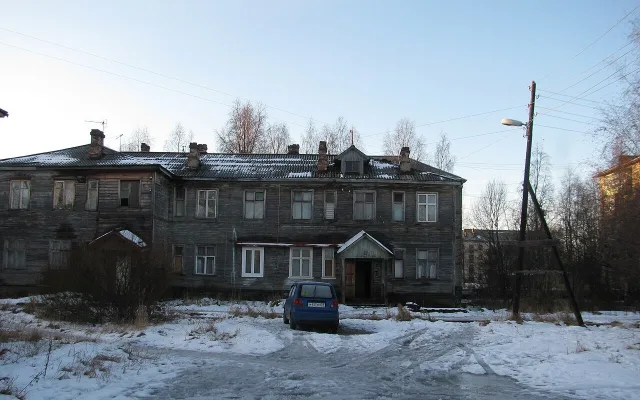
The lower town — where the exiles lived. Houses connected with the Decembrists, surviving churches, and the museum of the Romanov family in the former governor's house, where Nicholas II and his family spent several months before being sent on to Yekaterinburg. The district is run down in places and looks stark after the restored upper town — that is honest texture rather than a failing.
Abalak — a monastery on the high bank 20 km from the city, with a wooden tourist stockade next to it. People come for the view over the Irtysh; it is easiest to reach by car or on a local excursion.
Zavalnoye Cemetery — the graves of Decembrists (Kuchelbecker, Bariatinsky, Muravyov) and of Pyotr Yershov, author of The Little Humpbacked Horse. A quiet place, of interest to anyone who has come for the history of exile.
When to go
Summer is best: long days, boats running on the Irtysh, all the museums open. The downside is midges and mosquitoes, especially near the water and outside town; repellent is essential.
Winter — the kremlin in snow looks its most powerful, but the frosts here are Siberian and the day is short. It is worth coming for the picture, and only with proper gear.
The shoulder seasons — mud and slush, and the lower town is particularly unwelcoming at that time.
Money, food, safety
The city is inexpensive by Russian standards: accommodation, transport and food all cost appreciably less than in Tyumen or Yekaterinburg. Cafés are concentrated in the upper town and in shopping centres; down in the podgora there is nothing in the way of catering, so take water and a snack. Local specialities include fish (whitefish, cured in the local style), pelmeni and Siberian baking. There is no restaurant scene in the usual sense, so do not expect gastronomic discoveries.
The city is calm in terms of crime. The real risks are practical: slippery staircases, broken pavements in the lower part, and a lack of lighting on the edges of the historic quarters in the evening.
Common mistakes
- Coming only for the kremlin and leaving three hours later — all the exile history is down below, and without the podgora Tobolsk remains just one pretty postcard.
- Taking accommodation in the new districts and spending half the day travelling.
- Planning a day without spare time for the climbs — the terrain eats more energy than the map suggests.
- Coming in the shoulder season and hoping to stroll around the wooden quarters.
- Counting on a lively evening scene: once the museums close the city quickly falls quiet.