 Города и дороги
Description
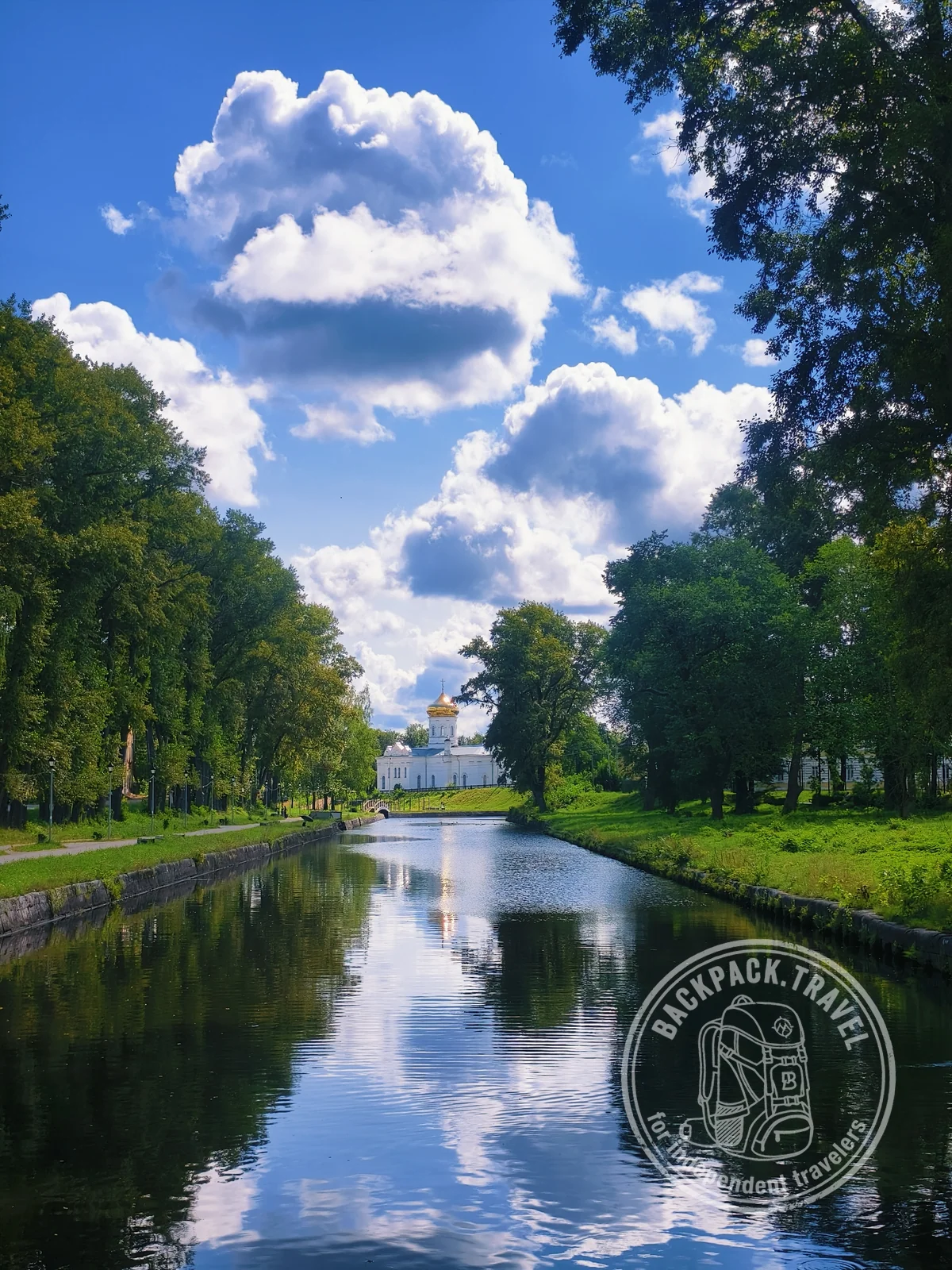
A town of canals between the Baltic and the Volga: the first artificial waterway system in Russia, built under Peter I. Hence the nickname of a Russian Venice, although the town itself has visibly decayed.
Wiki
Vyshny Volochyok is a town in Tver Region at roughly the three-hundredth kilometer of the old Moscow to St Petersburg road, 119 km from Tver. It has a little under 43 thousand residents and the number is falling: in the 1980s close to 76 thousand people lived here. There is one reason to come, but it is a rare one, because this is the first hydraulic engineering complex in Russia, built under Peter I.
Why a canal was dug here
The name speaks for itself: there was a portage here, a land crossing between two river basins. Goods from the Volga came up the Tvertsa, were reloaded and hauled overland to the Tsna, and from there went down the Msta through Lake Ilmen and the Volkhov into Lake Ladoga and the Baltic. With the founding of St Petersburg this portage became the bottleneck of the whole country.
- On 12 January 1703 Peter I signed the decree on a canal between the Tsna and the Tvertsa. Prince Matvei Gagarin was in charge, and the engineering side was run by Dutch specialists led by Adriaan Houter. The Tvertsa Canal was finished in the spring of 1709, the first artificial waterway in Russia.
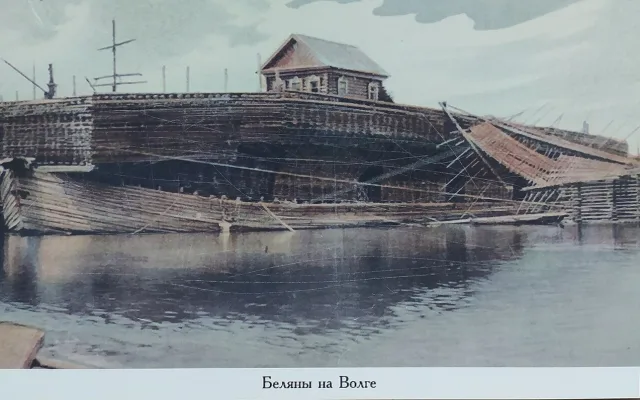
- It worked badly, because there was not enough water. In 1719 the system was handed over for upkeep to the Novgorod merchant Mikhail Serdyukov, and by 1722 it was running properly: he dammed the rivers with beyshlots, or regulating weirs, and created a reservoir.
- In 1774 the system was bought back into state ownership, and in 1785 the locks were inspected by Catherine II. All of it lost its importance by the middle of the 19th century, when the Mariinsky canal system came into operation and the Nikolaevskaya Railway opened in 1851. The town switched to textiles, glass and timber.
What to see
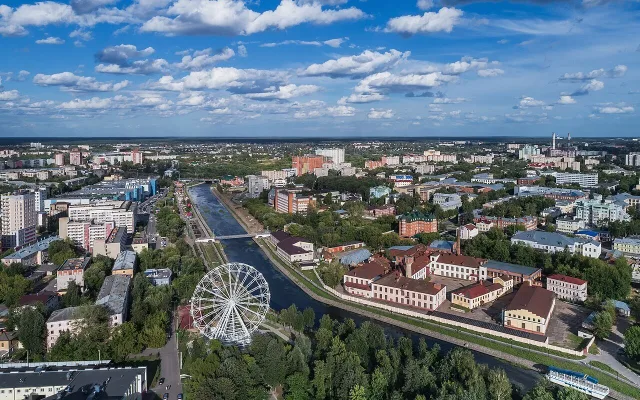
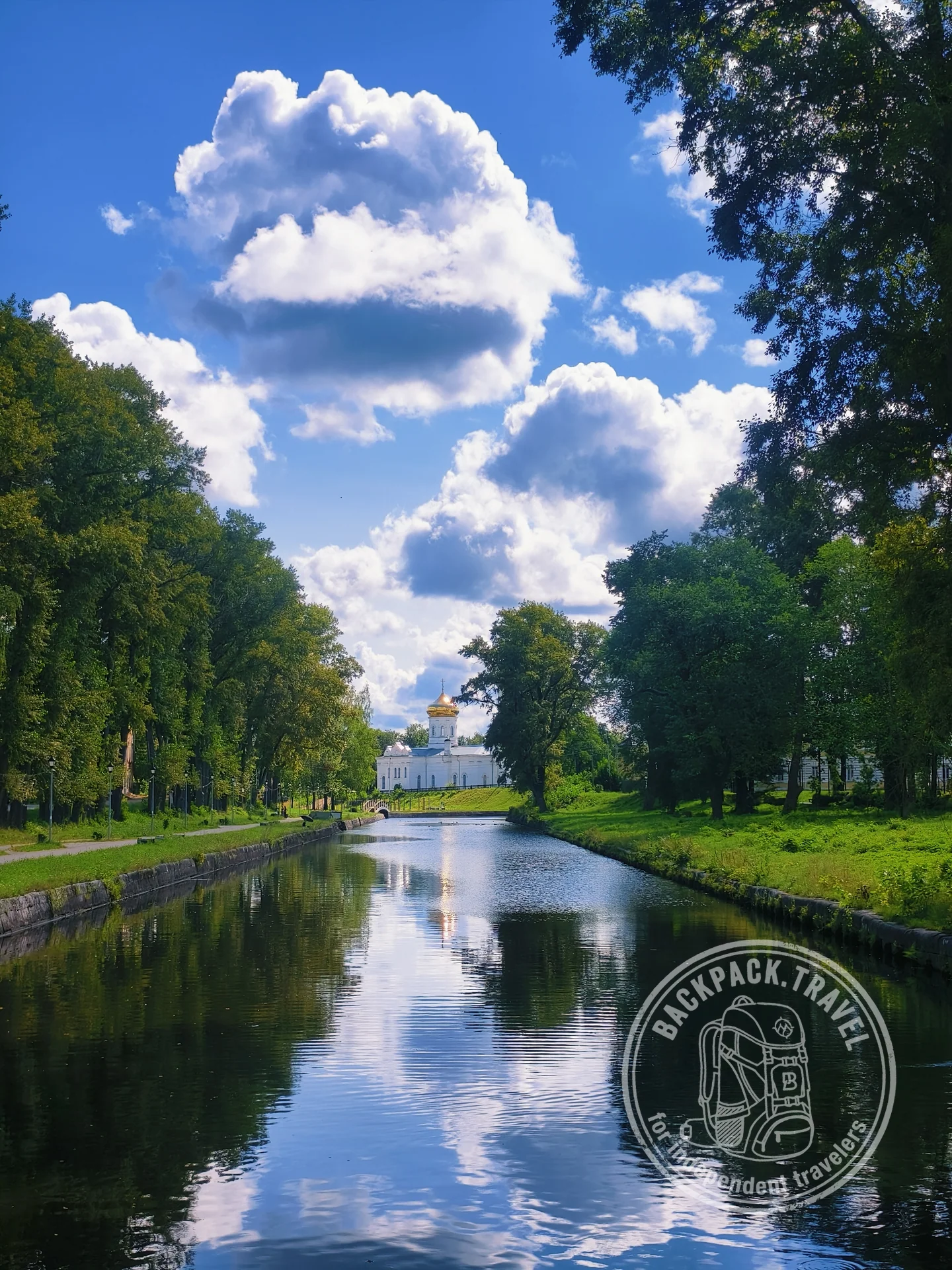
- The canals and the weirs. The Tvertsa and Tsna canals plus the bypass canal run straight through the town, cut it into pieces and create islands. This is the main exhibit in itself: embankment walls, lock structures, and water running along an artificial bed for a third century.
- The monument to Peter I and Serdyukov (2006), in which Serdyukov points out the plan of the system while Peter waves his approval.
- The Epiphany Cathedral on the island between the Tsna and the Tsna Canal — a brick church of the 1810s that took its present appearance after the rebuilding of 1866. This is the signature view of the town, the cathedral reflected in the water.
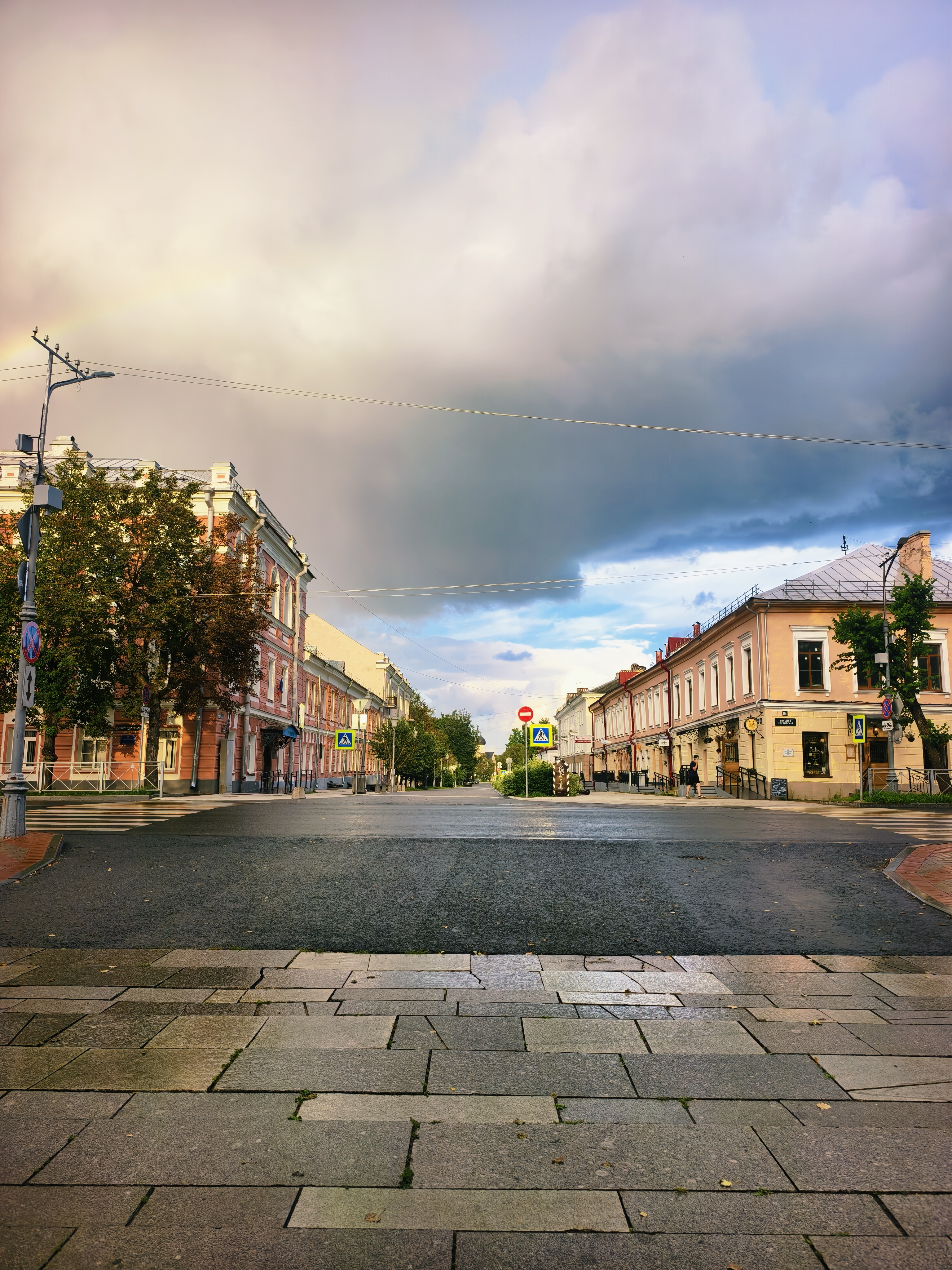
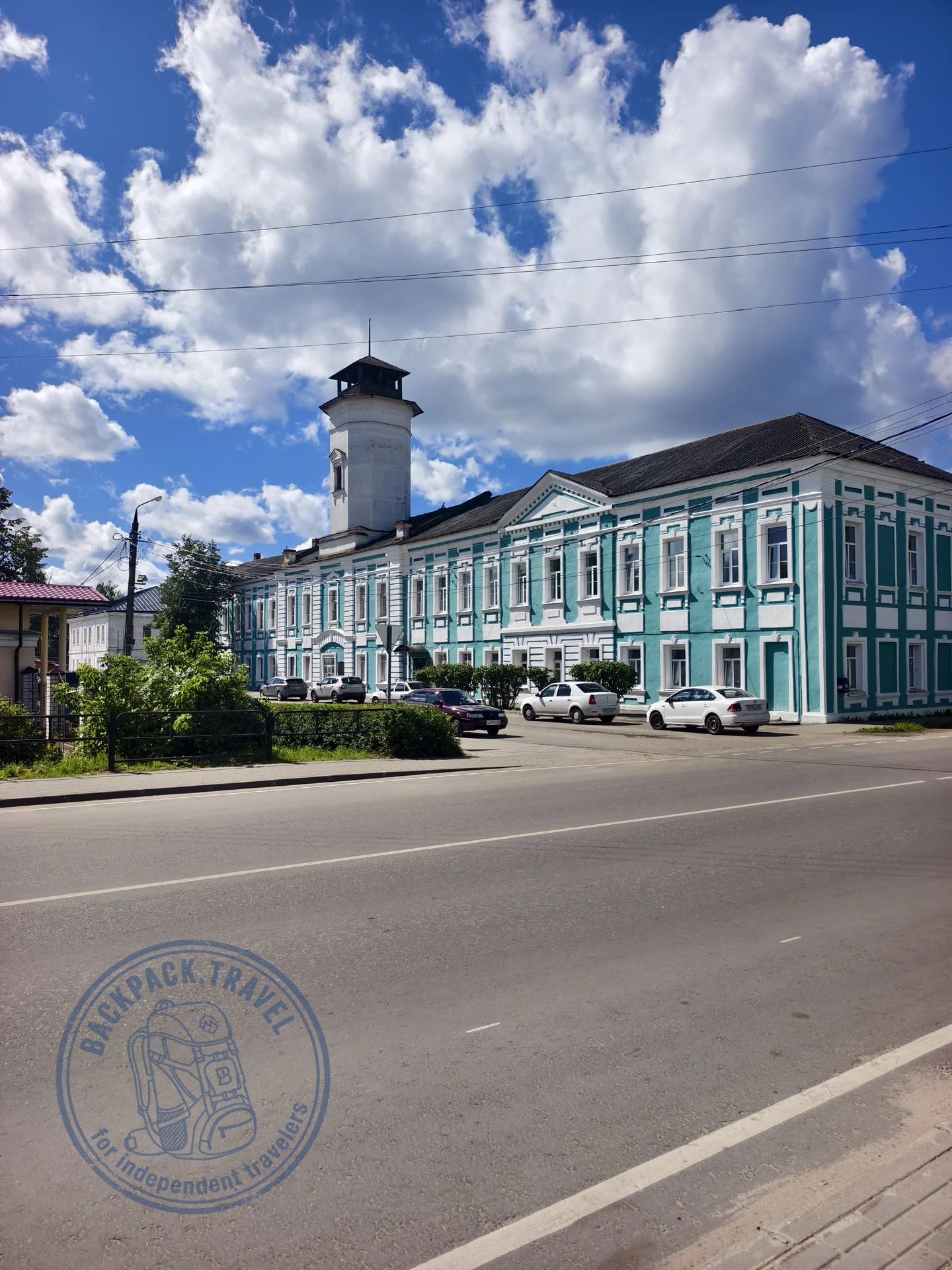
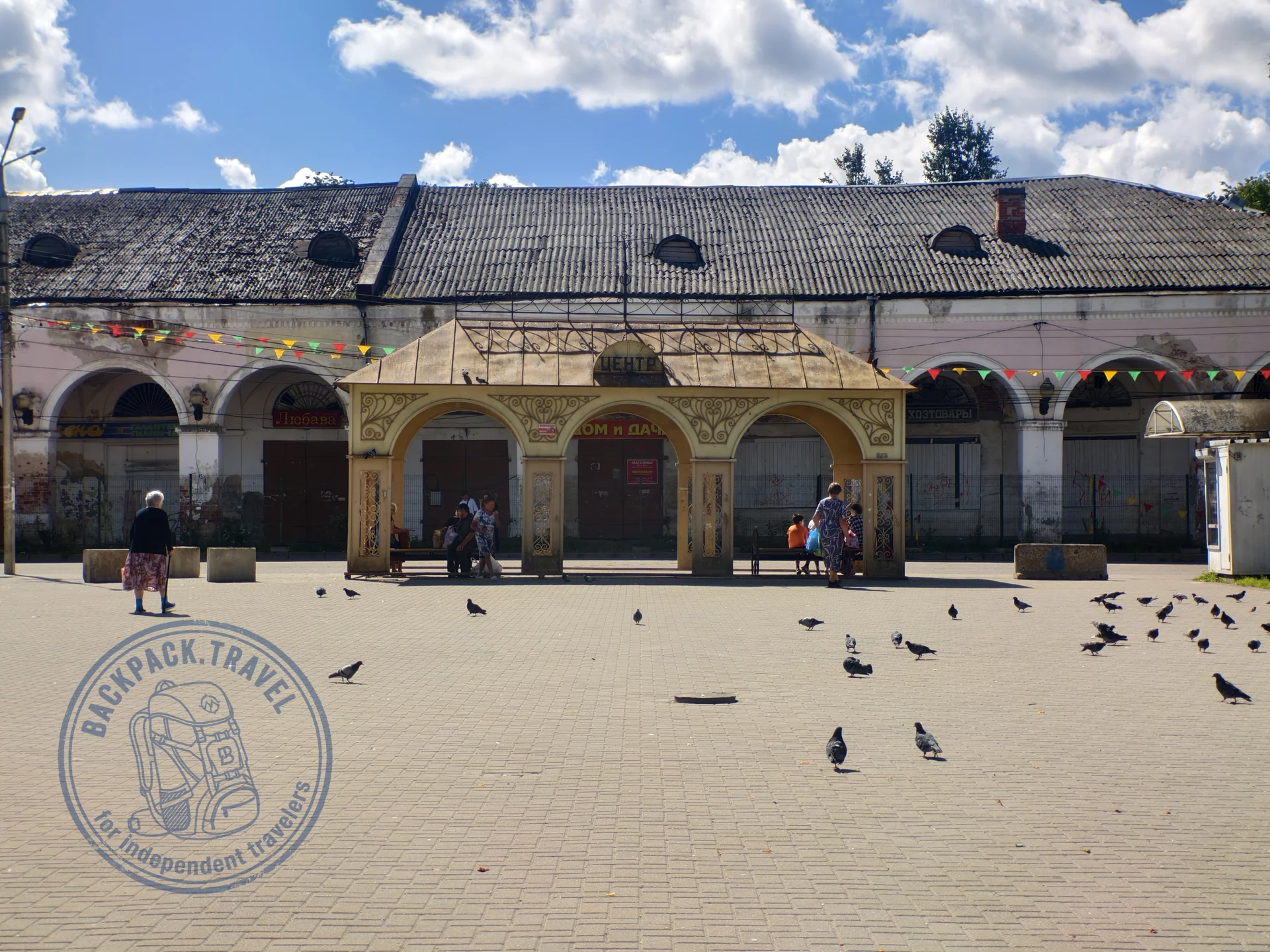
- The trading rows of 1837 and 1850 and the magistrate building of 1777–1780, with a fire watchtower added in 1901; it now holds the library. Together with the regular street grid these form the backbone of the center.
- The drama theater — running since 1896, the oldest in Tver Region, housed in the former Public Assembly building, with a hall of 286 seats. The festival of theaters from Russia's small towns started here.
- The glass museum of the Krasny May works (1968) is one of the largest in the country. The four-layer ruby glass for the Kremlin stars was developed here, and the factory itself closed long ago.
- Eight kilometers away is the Akademicheskaya Dacha, the first artists' retreat in Russia (1884), which hosted Repin, Kuindzhi and Roerich.
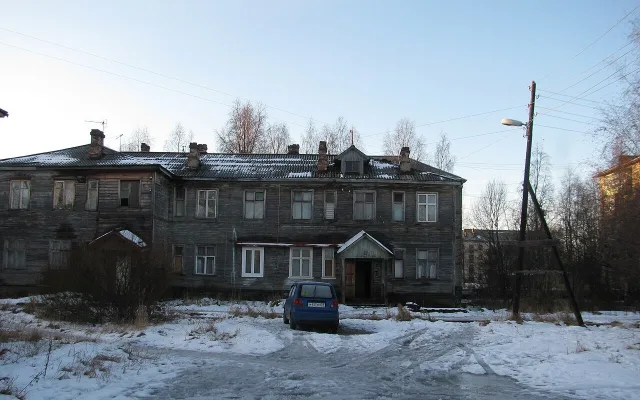
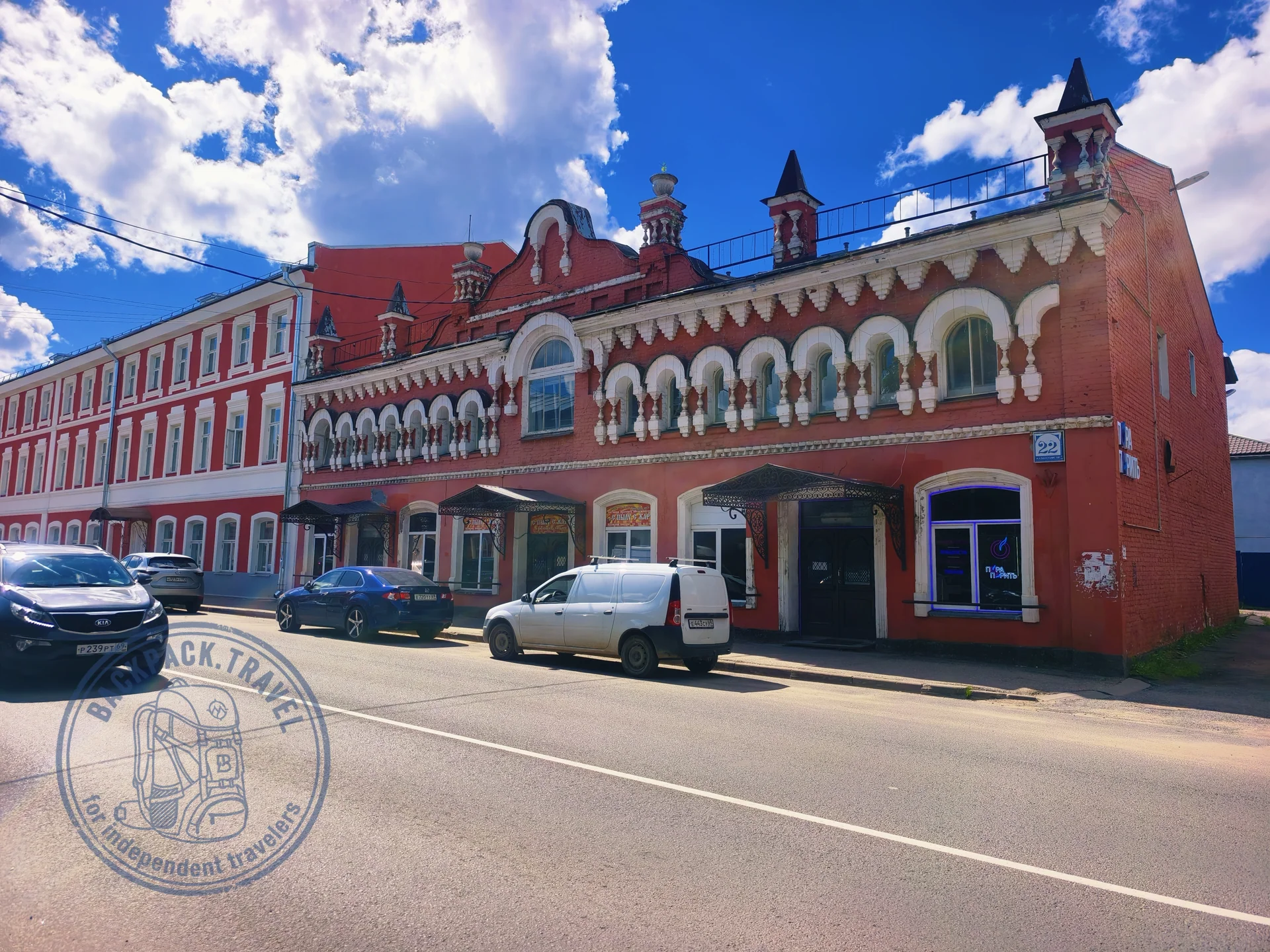
About the "Russian Venice", let us be honest right away: the nickname sounds better than it looks. Nobody has turned the canals into promenades, and you get reinforced walls in places and overgrown littered banks in others, with part of the hydraulic works in poor condition. The historic buildings in the center are crumbling and many houses stand emptied of residents.
How much time to allow
The transit format is two or three hours for the canals, the island with the cathedral, the monument, the trading rows and the magistrate. Half a day is needed if you add the glass museum and the local history collection. A day with an overnight stay makes sense for the Akademicheskaya Dacha, the lakes around the town or an evening at the theater.
The town sits on the old M-10 highway while the M-11 passes to one side, and there is also a station on the Moscow to St Petersburg railway. The logical chain is Torzhok and Tver to the south and Valday and Veliky Novgorod to the north, since Vyshny Volochyok lies exactly halfway along the route between the two capitals.
Who won't enjoy it
There are no embankments in the usual sense here, no food scene and no pedestrian streets; the choice of cafés and hotels is minimal and the center is empty in the evening. The individual sights are not large, since a cathedral is just a cathedral and trading rows are just trading rows, and the whole point lies in the system, without which you are left with the impression of a shabby district town full of ditches. With no preparation the town barely reads at all, and many people leave disappointed. But for anyone interested in how a state once rebuilt geography to suit its own purposes, Vyshny Volochyok will give more than a dozen restored monasteries.