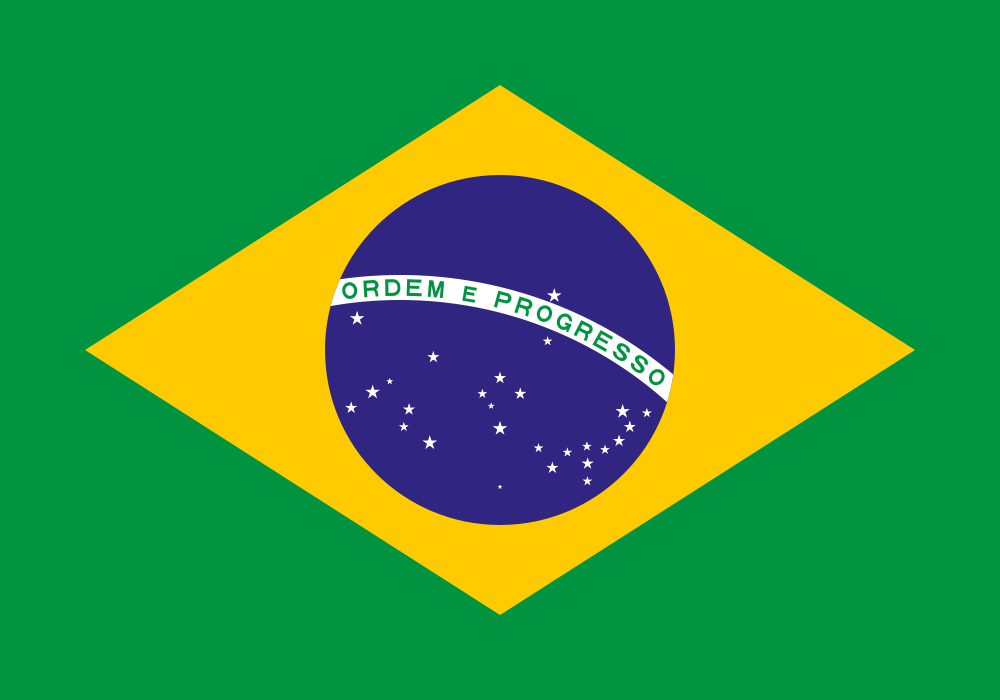
Brazil
BRThe fifth-largest country in the world — from the endless beaches of Rio and the megacity of São Paulo to impenetrable Amazon jungle and the roaring Iguaçu Falls. Brazil is carnival, samba, caipirinha, football as religion and people who radiate joy. It is a country of contrasts: the luxury of Copacabana beside the favelas, cosmopolitan São Paulo beside the primeval Amazon.
Where to go #
Rio de Janeiro
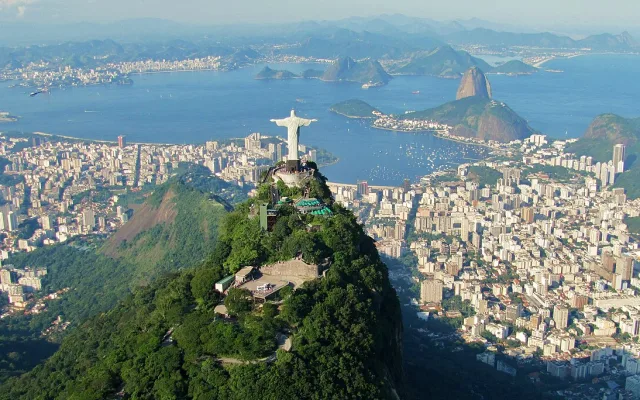
Rio de Janeiro is known for the famous districts of Copacabana and Ipanema, for the towering statue of Christ the Redeemer and for its dramatic mountains.
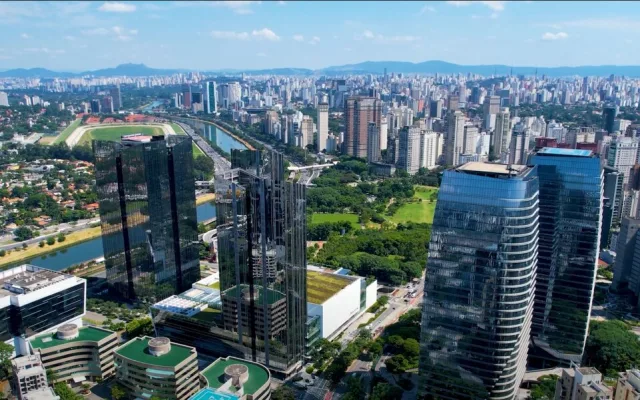
Sao Paulo
Sao Paulo is the economic capital of Brazil, known for world-class food, art and an energetic nightlife.
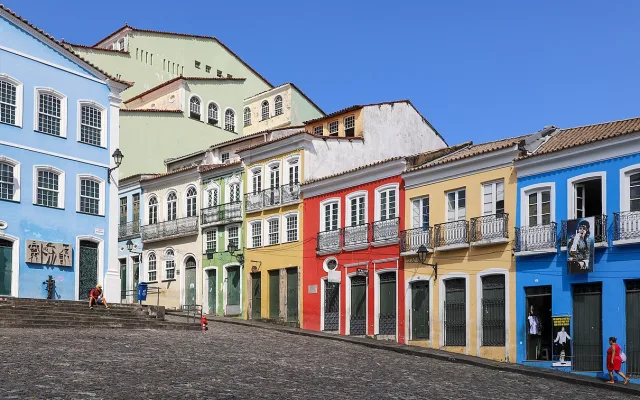
Salvador
Salvador was Brazil's first capital and is known as the cradle of Afro-Brazilian culture, from capoeira to carnival.
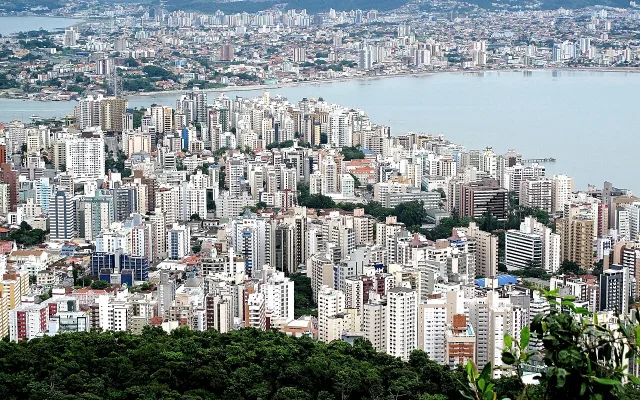
Florianopolis
Florianópolis is a city on an island in southern Brazil, with 42 beaches, world-class surfing, the Joaquina dunes, and the Conceição lagoon.
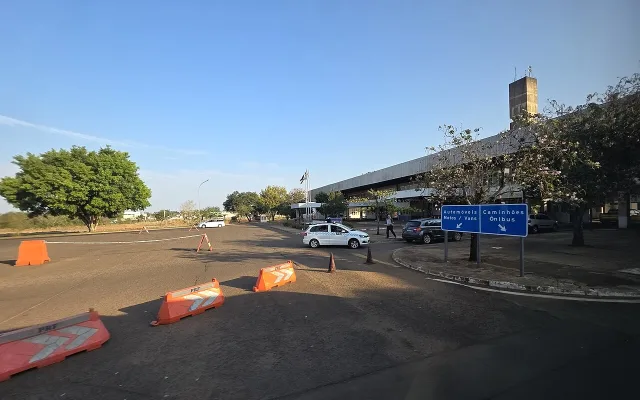
Foz do Iguacu
Foz do Iguaçu is a Brazilian city next to Iguazu Falls, offering sweeping panoramic views of the cascades and home to a renowned bird park.
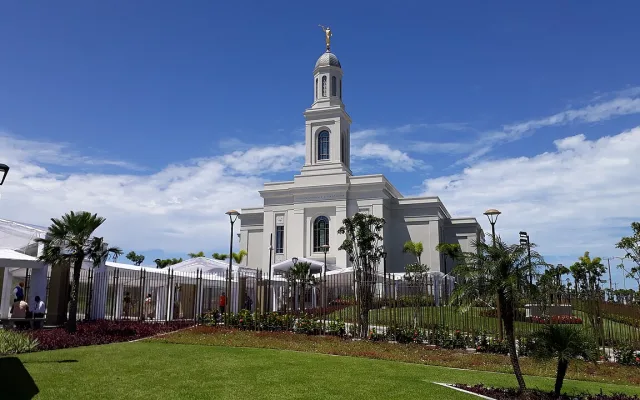
Fortaleza
Fortaleza is the capital of Ceará state in northeastern Brazil, known for its beaches, proximity to Jericoacoara, and the forró music culture.
What to see #
Christ the Redeemer: take the first morning train up Corcovado. That gets you above the mist and ahead of the crowds, with photographs that do not include forty other people.
Sugarloaf: ride the cable car late in the afternoon. The bay in the last of the sun is the single most impressive thing you will see in Rio.
Iguacu Falls: the Brazilian side gives you the panorama of all 275 cascades, which is the shot you came for. The Argentine side lets you get right up to the Devil's Throat.
The Amazon: go in for three or four days, staying at a lodge on the river. In a day you can see the meeting of the black and white waters and fish for piranha.
Lencois Maranhenses: visit this white desert full of lagoons between June and September. Turquoise water among the dunes looks like another planet entirely.
Maracana: go to a football match for the sheer madness of the crowd. Even if you do not follow the game, the scale of the stadium and the passion in the stands stay with you.
Prices #
Currency: the real trades around five to the dollar. Change money in the city, because airport rates are punishing.
Cards: Visa and Mastercard are accepted almost everywhere, including small restaurants and beach kiosks, though Amex is patchy. Contactless is standard and widely trusted.
Cash: you still need notes for taxis, markets and anywhere off the main grid. In the Amazon, card payment barely exists at all.
Exchange: use banks or an official Cambio only. Street money changers are a straightforward route to counterfeit notes.
Tipping: a 10% service charge is normally already on the bill. Anything extra is welcome but not expected.
| Item | Price (USD) |
|---|---|
| Por kilo lunch | 9 |
| Dinner for two | 45 |
| Cappuccino | 2 |
| Beer in a bar | 3 |
| Caipirinha | 4 |
| Metro ticket | 1.3 |
| Uber in Rio | 7 |
| Coach to Sao Paulo | 20 |
| Flight Rio to Iguacu | 80 |
| Christ the Redeemer | 21 |
| Sugarloaf | 34 |
| Iguacu entry | 18 |
| Amazon tour | 300 |
| SIM card | 8 |
Getting around #
Getting there. Sao Paulo (GRU) and Rio (GIG) take direct flights from Lisbon, Madrid, Paris, London, Miami and New York, and Panama City or Bogota work as connections from the rest of the Americas. Fares peak around Carnival and the southern summer, so book months out for December to February.
Domestic flights. Moving between regions is easiest with LATAM, GOL or Azul. The distances are so vast that flying saves days you would otherwise lose on the road.
Long-distance coaches. Between nearby cities the comfortable leito coaches with reclining seats are excellent. Rio to Sao Paulo takes six hours and costs very little.
Uber and 99. These apps are now the default for visitors moving around any city. They are safer and cheaper than a street taxi, and you avoid negotiating in Portuguese.
Metro. In Rio and Sao Paulo the underground is clean, legible and reaches most of what you want to see. Buy single tickets at the counter or machines.
Car hire. A car earns its keep only for exploring the coast, around Florianopolis for instance. In the megacities it makes no sense at all given the traffic and parking.
Moto-taxis. In hilly neighbourhoods this is the only quick way uphill. It costs almost nothing and requires a certain amount of nerve.
Where to stay #
Pousadas. Small guesthouses with home-made breakfasts are the best places to sleep. They convey the local character far better than an anonymous chain block downtown.
Which part of Rio. For safety, stay in Ipanema, Leblon or Botafogo. Copacabana is noisy and the city centre empties out and turns bleak after dark.
Booking. For Carnival and New Year, reserve six months ahead. Rates multiply on those dates and the good places disappear immediately.
Apartments. Renting through the usual platforms suits a longer stay in Sao Paulo. It lets you live a little more like a resident and cuts the restaurant bill.
Eco-lodges. In the Amazon choose an established operation with excursions and meals included. Comfort ranges widely, from simple hammocks to cabins with air conditioning.
On arrival. Check for mosquito screens and test the sockets. Brazil uses the unusual type N plug, which often needs a specific adapter.
Language. Reception staff in mid-range and upper hotels manage English; in pousadas and smaller places they often do not, so have a translation app open when you check in.
What to eat #
Feijoada. The national dish of black beans and pork is served on Saturdays. It is heavy and delicious, and the convention is to drink very cold beer with it.
Churrasco. Go to a rodizio restaurant, where a fixed price buys an endless procession of cuts. The king of the grill is picanha, a juicy beef cut with a strip of fat along the edge.
Padarias. Neighbourhood bakeries open early and serve fresh bread and coffee. A cheap breakfast or a pastry eaten standing at the counter is the local routine.
Street food. Try pastel, a fried pastry filled with cheese or meat. Coxinha, the teardrop-shaped chicken croquette, is sold on literally every corner.
Acai. The purple pulp from the Amazon berry is the best possible answer to the heat. It comes cold, topped with granola and slices of banana.
Sweets. Brigadeiro, the dense chocolate truffle rolled in sprinkles, appears at every birthday and in every bakery, and is the sweet to take home in a box.
Drinks. A caipirinha on the beach can catch you out through the quality of the cachaca and the ice. Drink cocktails in established bars rather than from a cart.
Safety #
Street robbery. Never take an expensive phone out on a busy street in Rio. Thieves on bicycles snatch devices from your hands in a second and vanish into the crowd.
How you look. Leave jewellery and a branded watch in the hotel safe. Dressing down, in shorts and flip-flops, is the most effective thing you can do.
After dark. Move by Uber once the sun is down, even for a couple of blocks. Empty streets in the centres of the big cities become genuinely risky.
On the beach. At Copacabana never leave belongings unattended while you swim. Take minimal cash and the cheapest phone you own.
Favelas. Visiting poorer neighbourhoods is fine on an organised tour with a guide. Walking into an unfamiliar favela on your own can end very badly.
Card skimming. In small shops keep your card in sight, and pay contactless by phone where you can, which is the safest option available now.
Mosquitoes. Dengue and Zika are carried by mosquitoes in the jungle and in the cities alike. Use a repellent with at least 30% DEET, wear covered clothing in the forest, and check whether a yellow fever vaccination is advised for your route.
Etiquette and culture #
Football. For Brazilians this is not a sport but a faith. An afternoon at a stadium tells you more about national character than any museum.
Physical warmth. Do not be startled by hugs and kisses on greeting, even with people you barely know. Brazilians are open and affectionate, and it is part of the social code.
Samba and forro. Dancing here is a means of communication and of expressing joy. The parties in Rio's Lapa district happen in the open air and pull in everyone walking past.
Jeitinho. The local philosophy of solving problems through ingenuity and personal charm. Flexibility and the ability to negotiate are valued far above strict rule-following.
Time. Punctuality is a broad concept here. Turning up half an hour late to meet friends is normal, so relax rather than fume.
Beach etiquette. On the sand everyone is equal and social status is irrelevant. The beach is the main public space for socialising, sport and simply looking at the sea.
Language matters. Brazilians speak Portuguese, not Spanish, and addressing them in Spanish lands badly. Even a clumsy attempt at Portuguese is received with real warmth.
Connectivity #
SIM cards. The main operators are Vivo, Claro and TIM. City coverage is excellent, but signal disappears in the Amazon, so download maps in advance.
The CPF problem. Buying a local SIM usually requires a Brazilian tax number. Ask your hotel reception for help, or simply use an eSIM, which is faster and avoids the paperwork entirely.
eSIM. A plan from Airalo or a similar provider covers Brazil and activates on landing, which is the path of least resistance for a two-week trip.
WhatsApp runs everything. Restaurants take bookings on it, guides use it, and every practical arrangement happens there. Have it working before you arrive.
Public Wi-Fi. Free networks exist in malls and many cafes, but speeds are often poor. Your own data package is more reliable.
Apps. Install Moovit for public transport and iFood for food delivery. Keep both Uber and 99 so you can compare price and waiting time.
The language barrier. English is spoken only in expensive hotels. Prepare an offline translator and learn a few phrases, which Brazilians genuinely appreciate.
Phrasebook #
| English | Portuguese | Pronunciation |
|---|---|---|
| Hello | Olá | oh-LAH |
| Hi | Oi | oy |
| Thank you (m / f) | Obrigado / Obrigada | oh-bree-GA-doo / -da |
| Please | Por favor | por fa-VOR |
| Yes / No | Sim / Não | seeng / nowng |
| How much is it? | Quanto custa? | KWAN-too KOOS-ta? |
| That's expensive | É caro | eh KA-roo |
| Where is...? | Onde fica...? | ON-jee FEE-ka? |
| The bill, please | A conta, por favor | a KON-ta, por fa-VOR |
| Help! | Socorro! | so-KOH-hoo! |
| I don't understand | Não entendo | nowng en-TEN-doo |
| Beer | Cerveja | ser-VEH-zha |
| Water | Água | AH-gwa |
| All good! | Tudo bem! | TOO-doo BENG! |
| How beautiful! | Que lindo! | keh LEEN-doo! |
| Sorry | Desculpa | des-KOOL-pa |
| Bye | Tchau | chow |
| Awesome! | Massa! | MA-sa! (slang) |
| Mate, dude | Cara | KA-ra (slang) |
| Nonsense | Bobagem | bo-BA-zheng (slang) |
Good to know #
Your embassy. Most countries keep their embassy in Brasilia with consulates in Rio and Sao Paulo. Note the addresses before you travel in case a passport goes missing.
Electricity. Brazil uses the three-pin type N socket, and voltage is 127 V in some states and 220 V in others, so check what your devices accept.
Health. Drink bottled water only, and be wary of ice in drinks sold on the street. Take out insurance that covers active travel and jungle excursions.
Getting around. Moovit builds bus and metro routes better than anything else here. For food delivery, iFood has enormous choice and frequent discounts.
Domestic flights. Buy internal tickets a month ahead. GOL and Azul prices climb steeply close to departure and can turn a cheap trip into an expensive one.
Carnival. If the samba parade is the goal, buy Sambadrome tickets only from official sites. Street resellers routinely sell fakes at extraordinary prices.
When to go. April to June and September to October avoid both the worst heat and the highest prices, while December to February is hot, humid and expensive.