
One of the hardest to reach and most dangerous countries in Africa, caught in a long-running armed conflict. Yet this is where Dzanga-Sangha lies — one of the world's best places to watch forest elephants and western lowland gorillas. There are also the Boali falls, the Baka people, the Bouar megaliths and the Ubangi River. The CAR is a destination for the most experienced and fearless travellers only.
Where to go
#Bangui
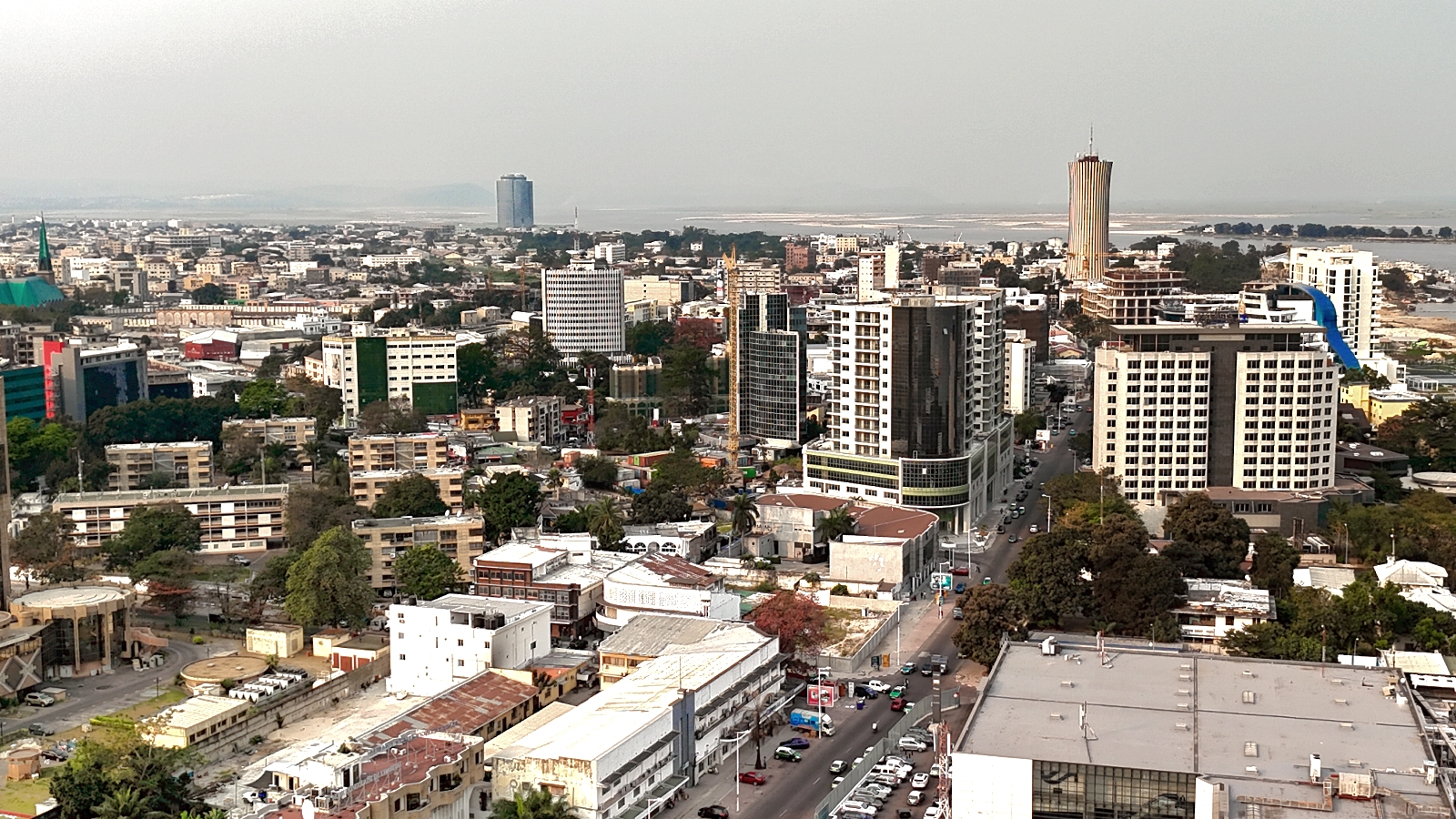
The capital stands on the Ubangi river, with the far bank of the other Congo visible across the water. Worth a trip for the central market and for boat rides at sunset. The city is compact but extremely dusty and loud.
Bayanga
This village in the southwest is the gateway to the forest wonderland of Dzanga-Sangha. Travellers come here to see elephants and gorillas in the wild. The main lodges and the national park headquarters are all based here.
Berberati
The country's second city is an important staging post on the way to the forest peoples. You can do the local market and restock your supplies in a day, which is about all there is. Infrastructure is thin but basic guesthouses exist.
Bouar
This western town draws people for the mysterious stone megaliths that get called the local Stonehenge. Sitting on a plateau, it enjoys a cooler and more pleasant climate. Go for the ancient history and the upland scenery.
Boali
A small settlement famous for its enormous fifty-metre waterfalls. This is the most popular excursion from the capital and needs only a single day. In the rainy season the cascade becomes genuinely spectacular.
What to see
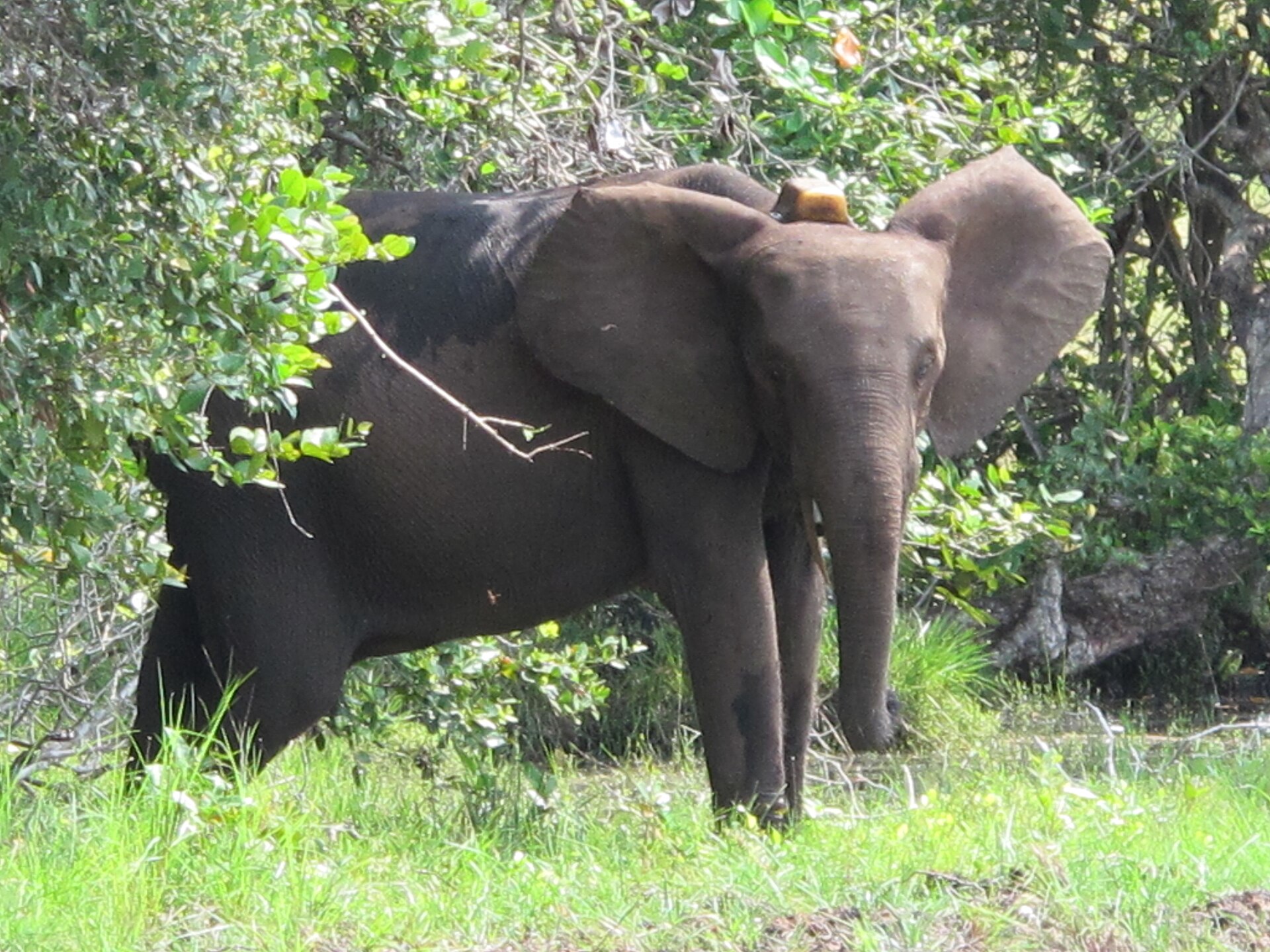
#Dzanga-Sangha: The reason worth crossing thousands of kilometres for. In this park you can watch hundreds of forest elephants gather at the Dzanga Bai clearing and track groups of western lowland gorillas.
Boali Falls: A huge cascade on the Mbali river a hundred kilometres from the capital. Easy to do in a day, with lunch overlooking the churning water and a walk across the suspension bridge.
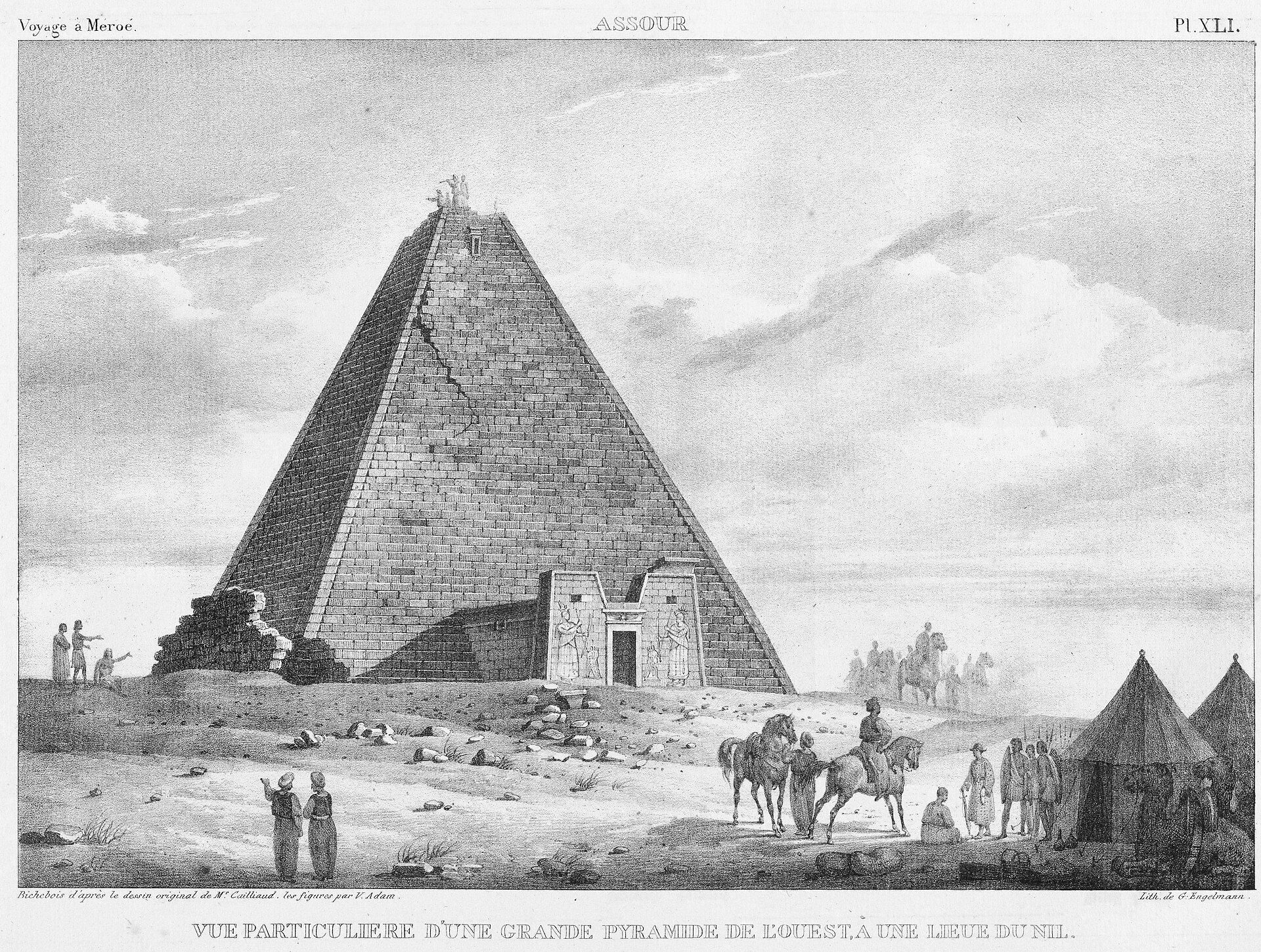
The Bouar megaliths: Stone structures more than two thousand years old are scattered across the hills in the west. This one is for people who like historical puzzles and want to see the African answer to Stonehenge.
The Ubangi river: Hiring a pirogue for a trip along the Congolese border gives you the best views of the capital. Local boatmen will happily show you daily life in the riverside villages and the sunset panoramas.
The Boganda Museum: In Bangui the national museum holds unusual artefacts and musical instruments of the forest peoples. The display is modest but it gives a decent grounding in the ethnography of the region.
The Baaka people: An expedition into the jungle lets you see traditional net hunting and hear polyphonic singing. It is a deep ethnographic experience and it genuinely rearranges how you see things.
Prices
#Currency: The country uses the CFA franc, pegged firmly to the euro, which means no unpleasant surprises with the rate during your trip. Bring euros in cash; dollars are taken more grudgingly and at a worse rate.
Cards: Card terminals are extremely rare even in the capital. Put Visa, Mastercard and Amex out of your mind for shops and restaurants, because only physical money works here.
Getting cash: The only functioning cash machines belong to Ecobank in Bangui. Expect high fees and frequent occasions when the machine simply has no notes, which is why you should arrive with your whole budget in cash.
Tipping: At lodges and on safari it is customary to thank the staff with modest amounts. Hand the money to the manager so it gets shared fairly between guides, cooks and trackers at the end of the tour.
Budget: Life here is expensive for a foreigner because almost everything is imported. Even with modest tastes, expect to spend over a hundred dollars a day before you count the flights.
| Item | Price (USD) |
|---|---|
| Lunch in a cafe | 10 |
| Street food | 4 |
| Mocaf beer | 2 |
| Water 1.5l | 1 |
| Taxi around Bangui | 4 |
| Moto-taxi | 1 |
| Night in a guesthouse | 30 |
| Night at the Ledger | 220 |
| E-visa fee | 82 |
| Park entry | 45 |
| Guide per day | 150 |
| Gorilla trekking | 300 |
| SIM card | 4 |
| Coffee | 1 |
| Transfer to Bayanga | 180 |
Getting around
#Getting in: Bangui M'Poko is the only international airport, served from Paris, Casablanca, Addis Ababa and Douala, so almost everyone arrives on one connection from Europe or two from North America. Flights are infrequent and expensive, so book early and leave slack in your schedule.
Hiring a four-wheel drive: For the southwest this is the only dependable option. A vehicle with a driver costs a serious sum, but it gets you to Dzanga-Sangha in relative comfort and one piece.
Bush taxis: These overloaded trucks and elderly minibuses suit only the most hardened adventurers. The fare is trivial, the journey takes an eternity and comfort does not enter into it.
River crossings: Wide pirogues serve as transport between riverside settlements. You can cross from Cameroon on one, or simply take a scenic run along the Sangha and the Ubangi.
Domestic flights: Scheduled services between towns disappeared long ago. You can charter a light aircraft to Bayanga if your budget stretches to several thousand euros to save two days on the road.
Road conditions: Proper tarmac ends just outside the capital, and beyond that it is broken dirt. In the rainy season many routes become completely impassable even for a well-prepared vehicle.
Checkpoints: Military posts are frequent on the highways. Stay calm, keep your documents to hand and follow the lead of your driver, who knows exactly how to handle the conversation.
Where to stay
#Hotels in Bangui: The Ledger Plaza is the smartest address, with a pool and security on the gate. An independent traveller will get on better at the Gust Hotel, which backpackers like for its sane prices and cleanliness.
Jungle lodges: Around Dzanga-Sangha the choice is small, with Doli Lodge on the riverbank the best known. The rooms are simple but comfortable, and the setting drops you straight into the sound of the rainforest.
Provincial guesthouses: In towns like Berberati the auberges are spartan. Typically you get a room with a bed and a mosquito net, with the bathroom somewhere down the corridor.
Electricity: Power in hotels usually depends on a generator. In budget places the lights come on for a few hours in the evening only, so charge everything, including your power banks, in advance.
Water: A hot shower is a rarity outside the expensive hotels in the capital. Lodges often heat water in the sun, and in guesthouses you will get used to a bracing bucket wash.
Booking: The big platforms show two or three properties, all in Bangui. Most hotels and lodges have to be arranged over WhatsApp, or through a guide who will telephone on your behalf.
What to eat
#The staple: The country's main dish is gozo, a thick porridge made from cassava flour. It is eaten with your hands, dipped into various sauces, and it forms the base of any meal in a local canteen.
Meat: In the Bangui markets there is always goat or chicken grilling over coals. It comes with hot pepper, and while the cooking is simple it is filling and full of smoke and aroma.
River fish: Tilapia and capitaine from the Ubangi count as delicacies. The fish is usually fried whole and goes perfectly with rice or fried plantain, which replaces potato here.
Lebanese influence: The capital has a number of restaurants opened by the Lebanese community. They are the best places for a decent shawarma, hummus or a fresh salad in clean and reliable surroundings.
Drinks: The one local beer is Mocaf, light and refreshing in the heat. Among traditional drinks, palm sap is popular and turns quickly into a strong wine.
Hygiene: Drink bottled water only and avoid ice in your drinks. Approach street food carefully, choosing places where dishes are cooked over a fierce flame in front of you.
Safety
#The general picture: The country remains one of the most dangerous in the world because of a smouldering civil conflict. Plan your route carefully, stay on the established roads in the west and the south, and read your own government's travel advisory before you commit to anything.
Local guides: Moving around independently outside the capital is impossible and extremely risky. A reliable fixer is not a luxury but the thing that keeps a checkpoint conversation from turning into a problem.
Photography: Photographing soldiers, police or any government building is strictly forbidden. Even an accidental frame containing a person in uniform can end in arrest or a large demand for money.
After dark: Life in the towns shuts down at nightfall and the risk of robbery climbs sharply. Stay inside your hotel grounds and resist any urge to explore Bangui alone at night.
In the forest: In the national parks, do exactly what the rangers tell you. Meeting a wild elephant or a gorilla requires strict adherence to instructions so the animal is never provoked.
Health: Malaria is everywhere here and often severe. Start prophylactic tablets before you arrive and always sleep under a treated mosquito net.
Etiquette and culture
#The Baaka people: These forest dwellers have preserved a hunter-gatherer way of life. Their polyphonic singing is recognised as cultural heritage, and their knowledge of medicinal jungle plants is genuinely astonishing.
The Sango language: This is one of the few African languages to become a national official language. Even a couple of simple phrases in Sango produces instant warmth and trust from people you meet.
A religious mix: Christianity, Islam and traditional belief in forest spirits are tightly interwoven here. People attend church regularly while also observing the older rituals of their ancestors.
A visible foreign presence: Bangui hosts a large international community, from UN peacekeepers and aid agencies to foreign contractors and traders. Visitors are noticed and often assumed to be working for one of them rather than travelling for pleasure.
Etiquette: Always ask before photographing anyone. Some people believe an image carries real power, and others simply want their private life treated with respect.
The pace: Nobody in Central Africa is in a hurry, and you have to accept that. Waiting an hour for lunch or for a vehicle that never quite arrives is part of the texture of the place.
Connectivity
#Operators: Orange, Moov and Telecel all work in Bangui. You can buy a SIM at the airport or from any kiosk in the centre, and your passport is required to register it.
Internet quality: In the capital you can hold a 3G signal, which is enough for messaging and simple websites. Hotel Wi-Fi is highly unstable and tends to vanish along with the electricity.
Outside the capital: The moment you leave Bangui the signal becomes occasional. Around Bayanga and inside the forest there is effectively nothing, so warn people at home that you will drop off the map.
Offline maps: Download the region in Maps.me or something similar before you travel. Reliable GPS becomes your main asset in a country with almost no road signs.
English in practice: French and Sango run everything, and English is barely spoken outside a few hotels and international organisations. Learn some French phrases or travel with a guide who translates.
WhatsApp: This is the main channel for reaching guides, drivers and lodge owners. Every arrangement and booking gets settled in a chat, so make sure the app is installed and updated before you fly.
Phrasebook
#| English | French / Sango | Pronunciation |
|---|---|---|
| Hello | Bonjour | bon-ZHOOR |
| Thank you | Merci | mair-SEE |
| Please | S'il vous plait | seel voo PLAY |
| How much is it? | C'est combien? | say kom-BYEN |
| Yes / No | Oui / Non | wee / non |
| That's good | C'est bon | say BON |
| Water | L'eau | loh |
| Food | La nourriture | lah noo-ree-TEWR |
| Fish | Le poisson | luh pwah-SON |
| Meat | La viande | lah VYAND |
| That's expensive | C'est cher | say SHAIR |
| White foreigner (slang) | Munzu | MOON-zoo |
| Hello (Sango) | Bala mo | BAH-lah moh |
| Thank you very much (Sango) | Singila mingi | seen-GHEE-lah MEEN-ghee |
| How are you? (Sango) | Mo yeke nzoni? | moh YEH-keh en-ZOH-nee |
| All good (Sango) | Nzoni | en-ZOH-nee |
| No problem (slang) | Probleme a pe | pro-BLEM ah peh |
| Goodbye (Sango) | Nzoni pepe | en-ZOH-nee PEH-peh |
| My friend (Sango) | Zo ti mbi | zoh tee em-BEE |
| Help me | Aidez-moi | ay-day MWAH |
| I don't understand | Je ne comprends pas | zhuh nuh kom-PRON pah |
| Where is the toilet? | Ou sont les toilettes? | oo son lay twa-LET |
Good to know
#Electricity: Sockets are European types C and E, so most European travellers need no adapter while British, American and Australian plugs do. The real problem is voltage, which swings badly, so bring a surge protector.
When to go: December to April is ideal, covering the dry season. Roads are passable then and animals are easier to spot at waterholes and in open clearings.
Clothing: Pack natural fabrics that cover arms and legs against insects. Solid boots are essential for gorilla trekking, and a rain shell earns its place even in the dry season.
Medical kit: Bring a complete set of medicines including antibiotics and treatment for food poisoning. Finding a proper pharmacy in the provinces is impossible and local healthcare is very limited.
Torch: With electricity as unreliable as it is, a powerful head torch becomes your best friend. You will use it in a forest camp and in the corridors of budget hotels in the capital alike.
Kit for the forest: If you plan nights out in the bush, bring a light sleeping bag and your own mosquito net. That gives you comfort and protection where conditions are entirely basic.
Frequently asked questions
#Yes, essentially every visitor does, arranged in advance through the official e-visa portal or at a CAR embassy. Approval typically takes three to seven working days, and you will need a passport valid for six months, photographs and proof of the fee.
The only realistic way is hiring a properly equipped four-wheel drive with a local driver. The five hundred kilometre journey takes anywhere from fourteen hours to two full days depending on the weather.
You will not be allowed into the country without an international vaccination certificate for yellow fever. It is checked on arrival at the airport and must be valid, meaning the jab was given at least ten days before you travel.
Tracking western lowland gorillas costs around three hundred dollars per person. That figure excludes guide fees and the daily national park entry charge, which are billed separately.
Practically nowhere. Card terminals barely exist, and the only usable cash machines are Ecobank's in the capital, which often run dry. Bring enough euros in cash to cover the entire trip.
Always ask first, since many people react badly to a camera. Photographing anyone in uniform, along with police stations and military sites, is absolutely forbidden.
The dry season from December to March is the optimal window. Roads are in their best condition and the humidity in the forest becomes considerably more bearable.
Walking the capital after dark is highly unsafe even in the central districts. With almost no street lighting and a difficult security situation, visitors are advised to stay within their hotel grounds.
Effectively no — flying is banned or out of reach for tourists. A Defence Ministry order of 21.12.2023 suspended all drone permits. New requests go to the Defence Ministry 7 days ahead, and unregistered drones are shot down. Rules for other countries are in the drone ranking by country.
Updated
The data on this page goes out of date. Visa rules and permitted stays, border requirements, prices and budgets, transport and local conditions all change fast, and we do not re-check every page every day. We show the date of our last check where we have one, but before you travel, verify with official sources: the country’s consulate, its immigration service, its e-visa portal and your carrier.