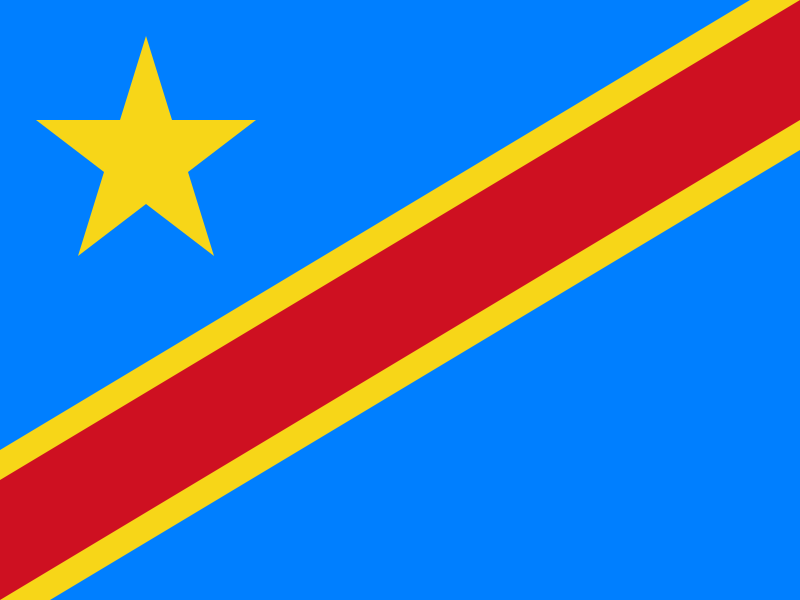
Democratic Republic of the Congo
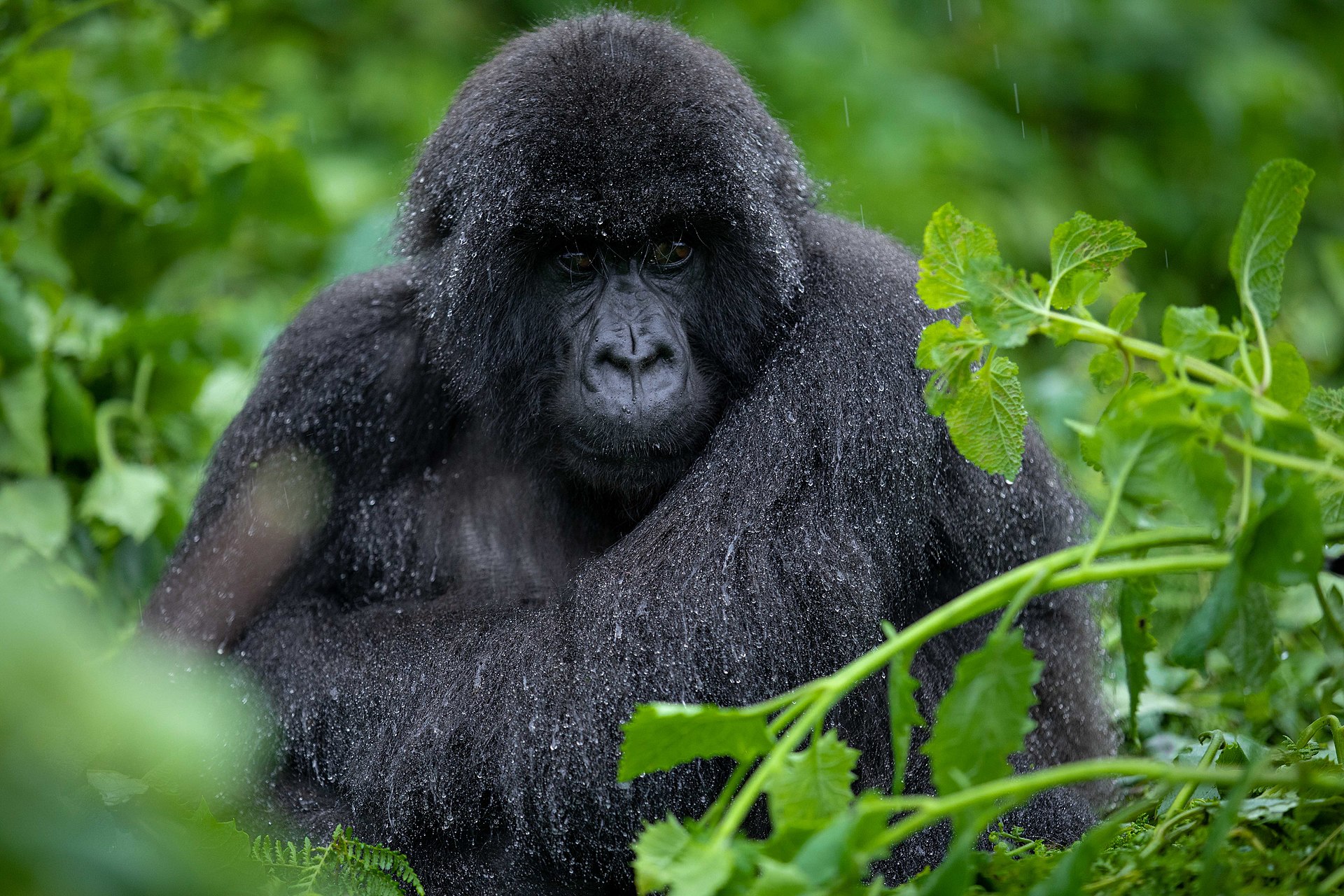
CDThe DR Congo is an enormous country at the heart of Africa, the second largest on the continent. The Congo River and the rainforests of the Congo Basin form the planet's second lung after the Amazon. Nyiragongo holds the largest lava lake in the world, Virunga its mountain gorillas, and the forests the bonobo, our closest relative. But the east is gripped by armed conflict involving dozens of militias, and Kinshasa is one of Africa's most expensive and chaotic megacities. For well-prepared travellers only.
Where to go #
Kinshasa
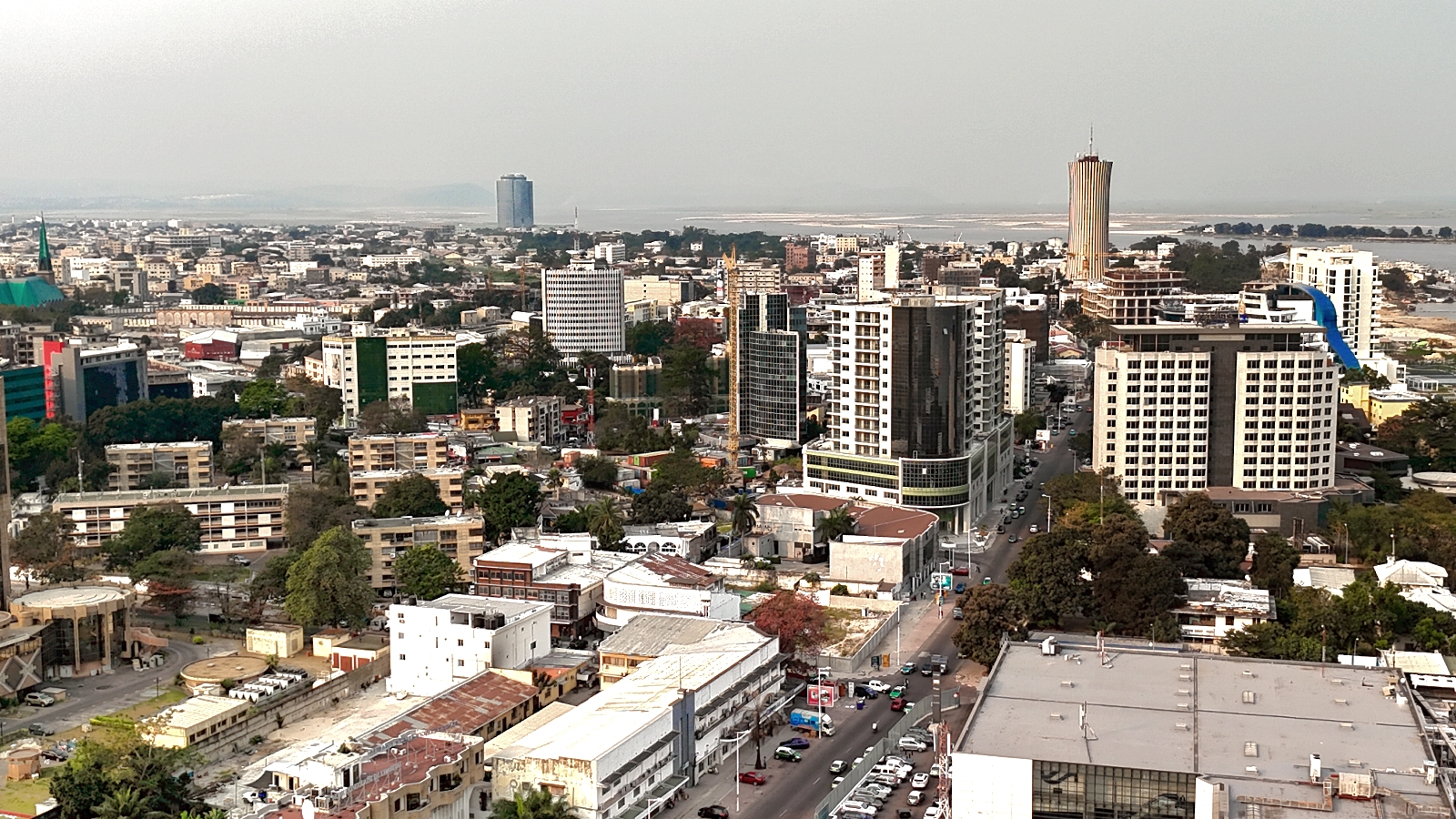
An enormous city on the bank of the Congo, where you want to be in the Gombe district for relative safety and the best restaurants. In a day you can do the National Museum and the riverside with its view across to Brazzaville on the far shore.
Lubumbashi
The southern copper capital, and noticeably calmer than the country's main port city. Travellers come here for the colonial-era architecture and the local zoo, and because the pace is survivable.
Goma
A city at the foot of a volcano on Lake Kivu, now a hub for humanitarian missions because of the conflict in the east. Where to go from here is a complicated question, since the surrounding area is often closed to civilians.
Bukavu
A scenic town on the southern shore of Lake Kivu that kept the spirit of its Belgian past in its villas. Worth a trip as the crossing point for Kahuzi-Biéga and its rare lowland gorillas.
Kisangani
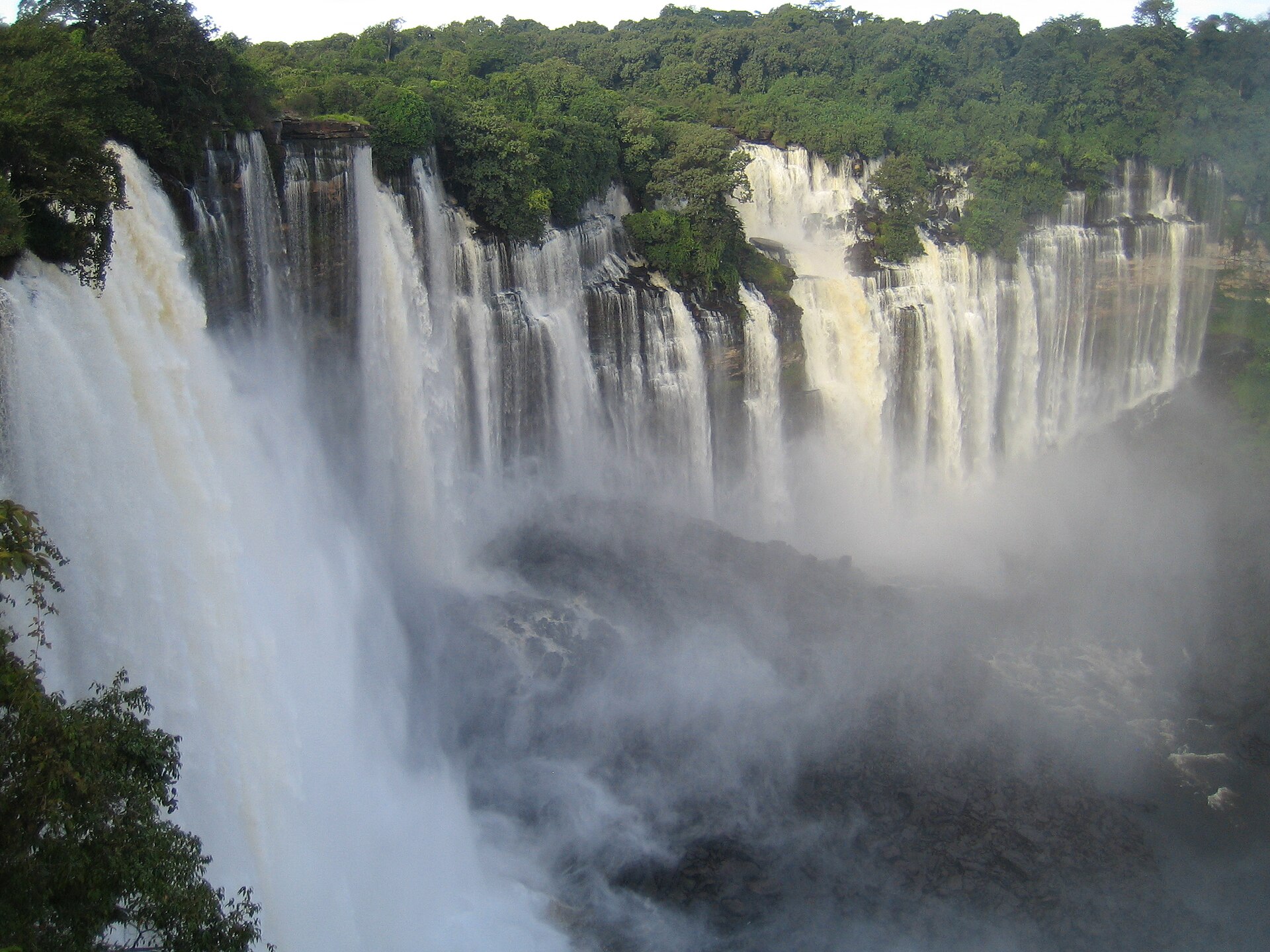
The key inland junction, drawing anyone who wants to see the Boyoma Falls on the great river. It is also the starting point for long boat journeys into the deepest part of the jungle.
What to see #
Lola ya Bonobo: A sanctuary where you can see our closest relatives in something close to natural conditions, only an hour from the capital.
Kahuzi-Biéga: Worth the effort for trekking to the rare eastern lowland gorillas. A permit costs an independent traveller 400 dollars, which is well below the neighbouring countries.
The Congo River: Plan a boat trip at sunset simply to register the scale of the deepest and least explained river on the planet.
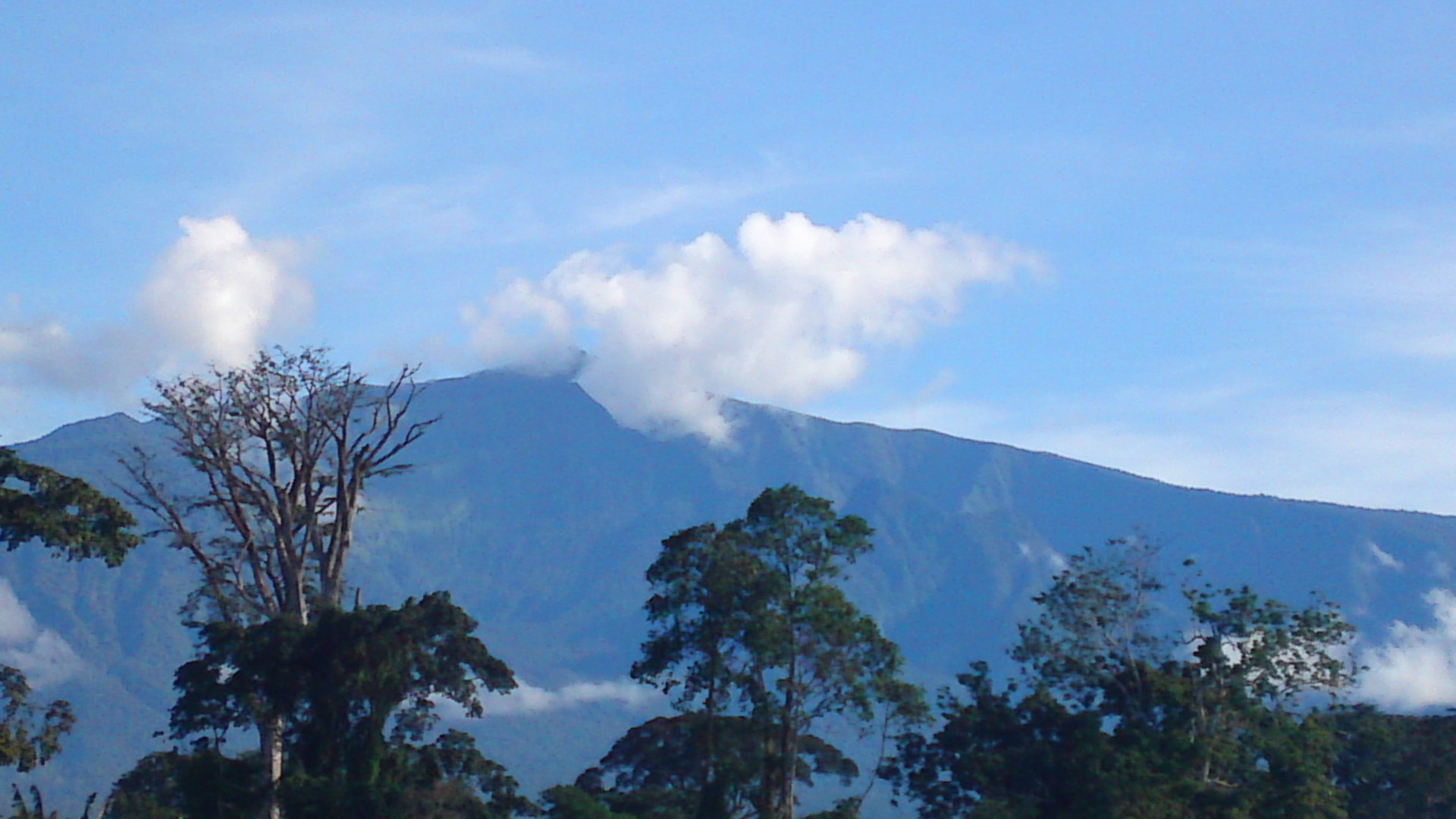
Nyiragongo: Where to go for real drama, up to the lava lake. Bear in mind that Virunga park closes periodically because of armed group activity, so nothing here is guaranteed.
Académie des Beaux-Arts: In Kinshasa this green campus is worth an afternoon for the contemporary sculpture and the work of young Congolese artists.
Marché de la Liberté: You can do this in a morning, buying bright fabric and spices while standing in the middle of genuine trading chaos and the rhythm of ordinary life.
Prices #
Currency: The Congolese franc loses value fast, so prices are often quoted directly in US dollars for convenience and to hold their worth.
Dollar condition: Dollars function as a second currency, but only crisp notes without writing or creases, and only those issued after 2006. A torn twenty is worthless here, so inspect what you bring.
Cards: Terminals are extremely rare and confined to a handful of upmarket places in Kinshasa. Bring the whole trip's budget in cash and plan on nothing else working.
ATMs: Machines dispensing dollars exist in Gombe and at a few banks in Lubumbashi, but they run dry and should never be the only plan.
Tipping: Around ten per cent in restaurants. Small dollar notes are also useful for smoothing your way through the many road checkpoints.
| Item | Price (USD) |
|---|---|
| Lunch in a café | 5 |
| Dinner in Gombe | 35 |
| Street snack | 2 |
| Bottle of water | 1 |
| Beer in a bar | 3 |
| Taxi across town | 10 |
| Simple guesthouse | 45 |
| Central hotel | 130 |
| Gorilla permit | 400 |
| SIM card | 1 |
| Data bundle | 5 |
| Ferry to Brazzaville | 20 |
| Car with driver per day | 150 |
| Flight Kinshasa-Goma | 300 |
Getting around #
Domestic flights: There are barely any roads between cities, so you fly, with Congo Airways or CAA. It is expensive and needs booking well ahead.
City taxis: The yellow cars in Kinshasa have no meters. State your price firmly before you get in, and stick to it.
Minibuses: Local vans are overcrowded and mechanically unsound. A solo visitor should not use them, and no saving is worth the risk.
River travel: Barges and boats run up the Congo to Kisangani, but such a trip can stretch to a week in genuinely hard conditions. It is an expedition, not transport.
Car hire: Renting without a driver is close to impossible. What you get is a 4x4 with a chauffeur whose working day runs strictly from eight in the morning to eight at night.
Moto-taxis: The fastest way past the monumental traffic jams, and the accident rate is off the scale. Wear the helmet, or walk.
Getting there: Kinshasa has direct services from Brussels, Paris and Istanbul, plus strong regional connections through Addis Ababa, Nairobi and Johannesburg. From North America the routing is always via Europe or Addis.
Where to stay #
Where to stay: In the capital, book in Gombe. It removes a whole category of security problems and puts you near somewhere reasonable to eat.
Guesthouses: Small family-run hotels offer basic comfort at 40-60 dollars, though hot water and air conditioning that works all night are both rare.
Booking: International platforms only list the larger chain properties. For anything else you will be calling or messaging owners directly.
Generators: In budget places the power cuts out constantly. A hotel with its own decent generator is not a luxury but a functional requirement.
Long stays: For a month or more, furnished serviced apartments with security exist, but they cost noticeably more than the equivalent in most European capitals.
Park lodges: For the gorilla trek, book tents or cabins in advance through the official national park portals rather than turning up.
What to eat #
Pondu: Cassava leaves stewed with palm oil and fish, and the backbone of the national diet. Most people eat some version of it almost daily.
Fufu: The dense cassava-flour staple is eaten with the right hand, rolled into a ball and dipped in sauce. Wash your hands carefully first, since there is no cutlery involved.
Liboke: Fish or meat with spices, wrapped in a banana leaf and baked over coals. Aromatic, and safer than most street options because it cooks sealed.
Poulet moambé: Chicken in a thick palm-nut sauce, treated as a celebration dish and arguably the culinary high point of central Africa.
Beer: Primus and Skol are drunk in quantity. They help with the heat and they are the fastest route to a conversation in any bar.
Street food: Fried plantain and brochette skewers are on every corner. Cheap, but they require a robust stomach and some judgement about which stall.
Safety #
The east: Ituri and the Kivu provinces are at war. Civilian movement there carries a real risk of death or kidnapping, and no itinerary justifies it.
Urban crime: Robbery and express kidnapping for ransom are realities in the big cities. Walking anywhere after dark is simply not done.
Checkpoints: Uniformed men frequently demand money for invented offences. Stay calm, stay polite, and do not hand over your original passport.
Photography: Photographing government buildings, bridges or anything military leads to immediate arrest and heavy fines.
Malaria: It is everywhere here. Prophylaxis and repellent are essential for the entire trip, not just the jungle portion.
Demonstrations: Political gatherings ignite quickly and can end in shooting. At the first sign of a crowd, leave and get indoors.
Advisories: Read your own government's travel advisory carefully before booking. For this country it contains information you actually need rather than boilerplate.
Etiquette and culture #
Rumba: The soul of the country, and recognised by UNESCO as living heritage. A live show in the clubs of Bandalungwa is the best thing that can happen to anyone who cares about music.
La Sape: In Kinshasa you will meet the sapeurs, dandies in vivid couture suits for whom impeccable style outranks food and comfortable housing.
Church: Sunday mass is the event of the week. Churches overflow and the choirs are audible several blocks away, and visitors are usually welcome.
Language: Official French mixes with Lingala and Swahili into a city slang that takes practice to follow. French will get you through everything practical.
Mundele: Visitors attract curiosity and are often called mundele. It is not an insult, just a description of skin colour, and reacting badly to it only confuses people.
Greetings: A handshake and a long exchange about the health of your family are obligatory. Skipping the ceremony makes any conversation, business or personal, harder than it needs to be.
English: Rarely spoken outside international organisations and top hotels. Even basic French makes an enormous practical difference here.
Connectivity #
Operators: Vodacom and Airtel dominate. You can buy a SIM from street vendors, though you need to show your original passport to register it.
Coverage: Fast 4G exists only in the centres of the largest cities. Outside them the signal disappears entirely or drops to 2G.
Top-ups: Scratch cards with credit codes are sold everywhere, but for usable internet you want to activate a data bundle by short code rather than paying per megabyte.
Power: Because of the constant electricity problems, a high-capacity power bank is the single most useful item in your bag outside the cities.
eSIM: Coverage from international eSIM providers is patchy here compared with East Africa, so treat it as a stopgap for the first day and buy a local SIM at the airport.
WhatsApp: Almost all communication and booking happens there. It is the reliable way to reach guides, drivers and guesthouse owners.
Phrasebook #
| English | French | Pronunciation |
|---|---|---|
| Hello | Bonjour | bon-ZHOOR |
| How's it going? | Ça va? | sa VA |
| Thank you | Merci | mer-SEE |
| Please | S'il vous plaît | seel voo PLEH |
| How much is it? | C'est combien? | say kom-BYAN |
| That's expensive | C'est cher | say SHEHR |
| Water | L'eau | loh |
| Beer | Bière | BYEHR |
| Food | Nourriture | noo-ree-TEWR |
| Help! | Au secours | oh suh-KOOR |
| I'm a tourist | Je suis touriste | zhuh swee too-REEST |
| Foreigner (Lingala) | Mundele | moon-DEH-leh |
| Mate (slang) | Mon vieux | mon VYUH |
| No problem (Swahili) | Hakuna matata | ha-KOO-na ma-TA-ta |
| Good (Lingala) | Malamu | ma-LA-moo |
| Come here | Viens ici | vyan ee-SEE |
| Where is the toilet? | Où sont les toilettes? | oo son lay twa-LET |
| Goodbye | Au revoir | oh ruh-VWAR |
| Market | Marché | mar-SHAY |
| Money | Argent | ar-ZHON |
| Thank you very much (Lingala) | Melesi mingi | meh-LEH-see MEEN-gee |
Good to know #
Register on arrival: Let your own country's embassy know you are in the country and roughly where. Several governments run online registration for exactly this situation.
Documents: Carry colour copies of your passport and visa at all times and leave the originals in a hotel safe, so a checkpoint cannot separate you from them.
Torch: Street lighting is absent even in the middle of the capital, and buildings lose power without warning. A proper head torch is a necessity.
Water: Do not use tap water even for brushing teeth. Buy bottled and check the cap seal before you pay.
Medical kit: Assemble a full one, covering stomach problems and including antibiotics. Reliable medication is close to impossible to find outside the biggest cities.
Offline maps: Download the regions you need before you go. Paper atlases are useless here because official street names change frequently.