
Where to go
#Libreville
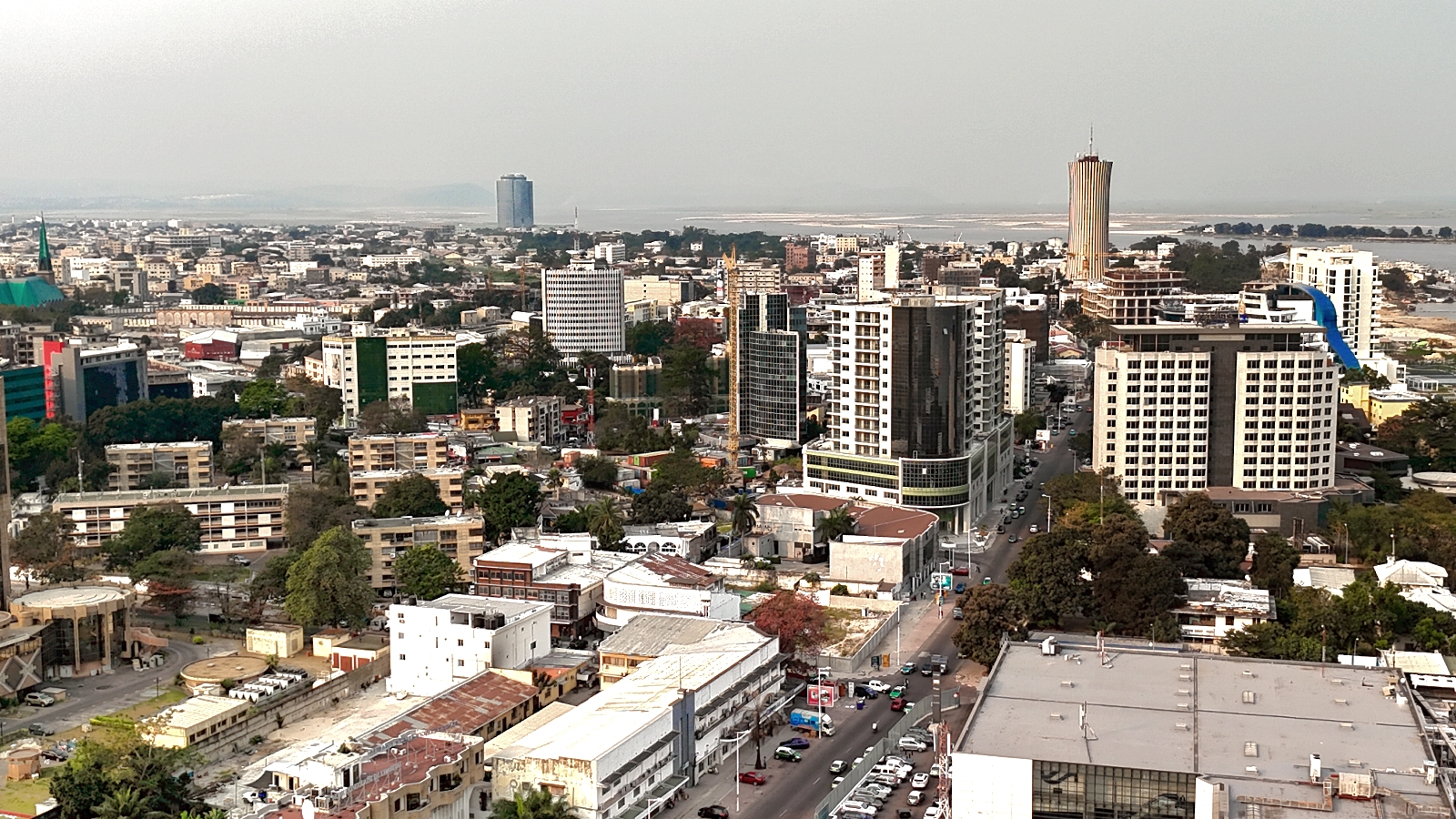
The capital and the way in for almost everyone, worth a couple of days for the Atlantic beaches and the sprawl of Mont-Bouet market. You can see the carved wooden churches and walk the seafront in a day. Treat it as the place to stock up before any long trip inland.
Port-Gentil
The oil town on an island, and the launching point for Loango National Park. It is expensive, but independent travellers use it as a transit hub. You can only reach it by boat or on a small plane from the capital, since no road connects it.
Lambarene
Come here for the Albert Schweitzer museum and for quiet river trips on the Ogooue. It is a calm place with colonial charm and genuine guesthouses along the bank, and it suits anyone who wants the pace to drop.
Franceville
The end of the Trans-Gabon railway, ringed by green hills and plateau country. From here you can plan trips to the Poubara falls and the strange landscapes of the south. The cooler climate is a relief after the coast.
Tchibanga
A southern transport junction, passed through on the way to Congo or to the coast at Mayumba. It shows provincial life without decoration, and it is where you find a lift towards the border. Everything revolves around the market and the bus yard.
Oyem
The main town of the north, and the first stop if you enter from Cameroon. Useful for a short break and for buying supplies before heading into the forest, with plantations and jungle pressing in on all sides.
What to see
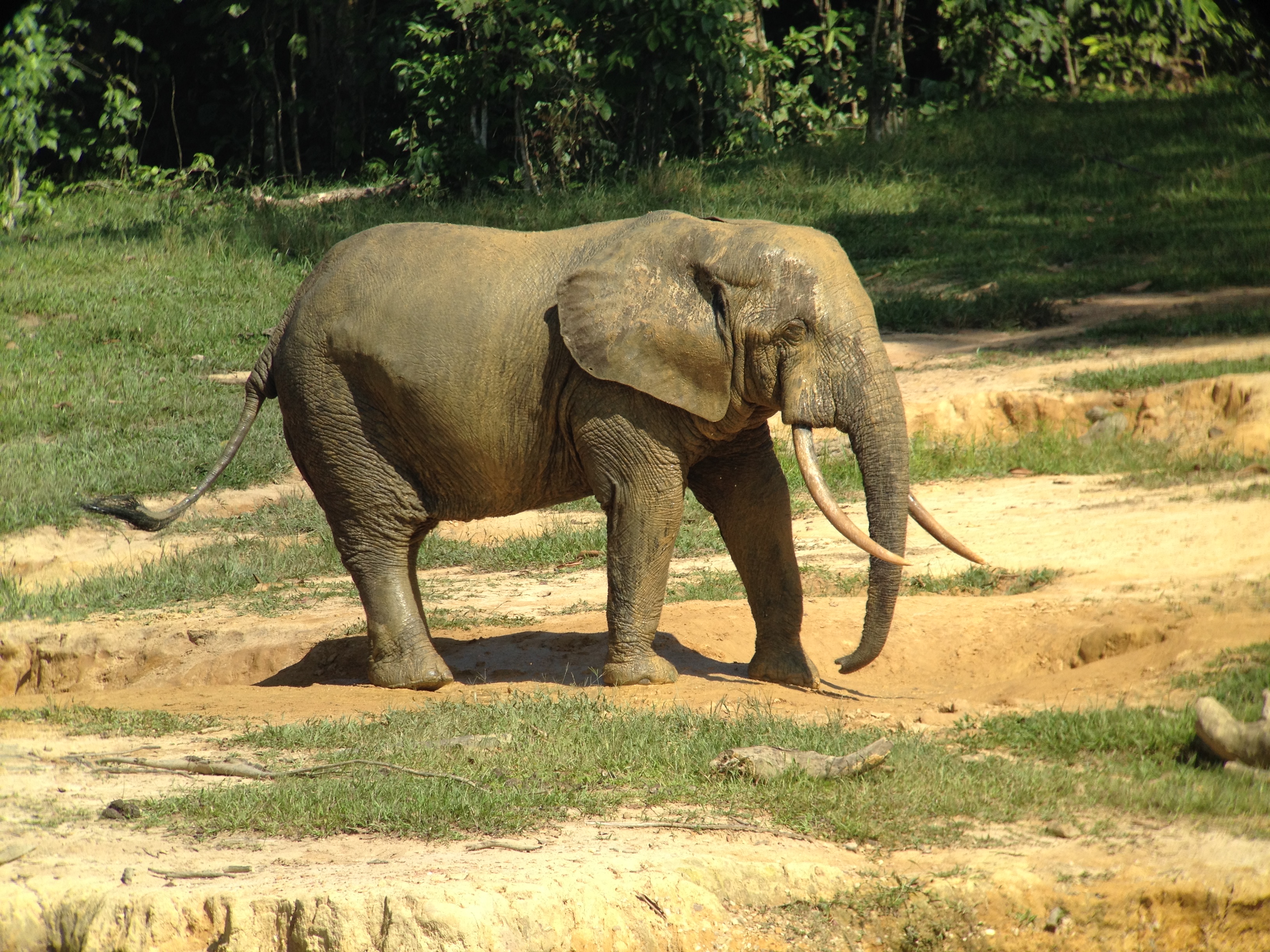
#Loango National Park: the country's calling card, and the reason most people come. Forest elephants walk the surf line here, humpback whales breach offshore between July and September, and hippos genuinely swim in the sea. It is expensive and requires a guide, but nowhere else offers this.
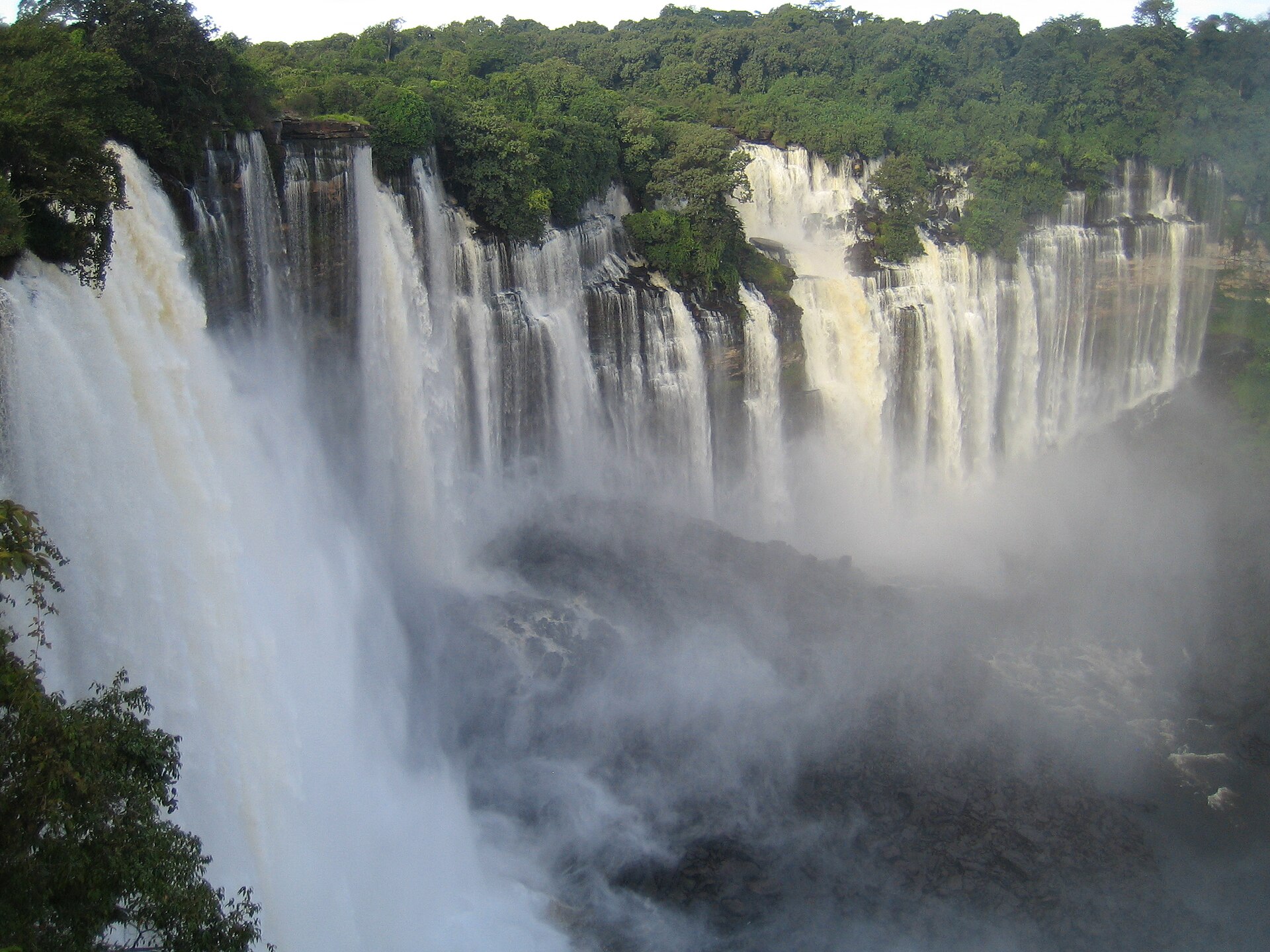
Kongou Falls: in Ivindo National Park, the most powerful cascades in Central Africa and extremely hard to reach alone. Getting there by pirogue through the forest is an adventure in itself, full of the sounds of the jungle and glimpses of rare monkeys.
Pointe Denis: the accessible option, a day trip from the capital for white sand and sea turtles. Boats leave the Libreville waterfront every half hour and deliver you to beach bars and clean water without any logistical planning.
The Schweitzer hospital: at Lambarene, the Nobel laureate's museum preserves the atmosphere of the early twentieth century in the middle of the rainforest. His consulting room and instruments are still there, and walking the grounds among the old wards is oddly peaceful.
Mont-Bouet market: the main sight in Libreville for anyone who wants life unvarnished. An endless maze of cloth, spices, ritual objects and street food where half a day disappears easily. Loud, tight and completely genuine.
Saint-Michel church: famous for its thirty carved mahogany columns, each the work of a blind craftsman who rendered biblical scenes with African faces. It takes twenty minutes and stays with you far longer.
Whale watching: from July to September the humpbacks come close to shore off Port-Gentil and Loango. You can sometimes see them from the beach, but a boat with a guide is what makes the trip.
Prices
#Currency: the Central African franc (XAF), pegged hard to the euro at 655 to one. That peg is your friend: rates are the same everywhere and there is nothing to shop around for.
Cash country: Gabon runs on notes, especially outside the two main cities. Euros change more easily than dollars at any bank. Keep a stock of small bills, because getting change for a 10,000-franc note in a taxi is a recurring problem.
Cards: acceptance is minimal outside top hotels. ATMs in Libreville, Ecobank among them, do take foreign Visa and Mastercard, but the fees are punishing and machines fail often. Plan to carry most of the trip's budget in cash.
Getting money out: withdraw larger amounts less frequently, and do it in the capital before you head inland, where working machines effectively do not exist.
Tipping: 5 to 10 percent in restaurants if the service was good. Park guides and jeep drivers expect a small amount at the end of the day. In taxis nothing is added, since the fare is agreed before you get in.
| Item | Price (USD) |
|---|---|
| Dinner at a maquis | 5 |
| Regab beer | 1.5 |
| Cup of coffee | 2.5 |
| Taxi across town | 2 |
| Car with driver, per day | 189 |
| Hotel in Libreville | 50 |
| Provincial guesthouse | 35 |
| Petrol, per litre | 1.1 |
| Ten eggs | 2.5 |
| Mangoes, per kilo | 1.5 |
| Flight to Port-Gentil | 110 |
| Train, second class | 45 |
| National park permit | 500 |
| Bottled water, 1.5 l | 0.8 |
| Fast food meal | 12 |
Getting around
#The railway: the Trans-Gabon line links Libreville with Franceville and is the best way into the interior. There are day and night services with seats and sleeper compartments. Buy tickets at Owendo station a few days ahead, because they sell out to local demand.
Flights: no road reaches Port-Gentil, so the 40-minute flight is the practical option and local carriers run it daily. Light aircraft and helicopters also serve the remote park lodges, at hundreds of dollars per seat.
Taxi-brousse: intercity minibuses and bush taxis are the cheap way to move. They leave when full, they are crowded and unair-conditioned, and they show you the country from the inside. Road quality swings from good asphalt to mud in the wet season.
City taxis: in Libreville taxis work as shared rides, picking up anyone going the same way, and cost almost nothing. If you want the car to yourself, ask for a "course" and expect to pay five to ten times more. Apps like Gozem exist, but flagging one down is still faster.
Car hire: renting without a driver is essentially unavailable to visitors. A 4x4 with a driver costs about 189 dollars a day plus fuel and the driver's expenses. Agree the route and hours in advance, since few will drive after dark.
Boats: pirogues and launches are the real transport in the Ogooue delta and out to Pointe Denis. The fast boat to Port-Gentil undercuts the plane but the ocean crossing can be rough. At Lambarene, hiring a motorised pirogue puts you among hippos and pelicans.
Where to stay
#City rooms: there is almost no hostel scene, because the market serves oil workers and businessmen. Expect from 50 dollars for a basic room with air conditioning and a shower. In Libreville, Batterie IV and Glass are the safe districts with cafes in walking distance.
Guesthouses: provincial towns like Lambarene and Franceville have small family places. Conditions are spartan — a bed under a net, a fan, unreliable water pressure — but the owners often help find guides or arrange transport.
Park lodges: staying inside the national parks is the single biggest expense of any trip here, at 300 to 500 dollars a night including meals and activities, because the logistics are brutal. Book months ahead for gorilla trekking in Loango or Ivindo.
Booking: the big platforms cover Libreville and Port-Gentil and nothing else. Inland, find places on Google Maps and message the owners on WhatsApp. Have the first night confirmed before you arrive in a new town.
Facilities: most hotels now have Wi-Fi, though the speed is poor. City power is stable, while forest camps may run a generator for a few evening hours only. Check the mosquito nets at check-in, since that is your main protection.
Longer stays: for a week or more in Libreville, look for apartments through local social media groups. Cheaper than a hotel and with a kitchen, which matters given restaurant prices, but view before paying because the photos flatter.
What to eat
#Poulet nyembwe: the national dish and the one to order first. Chicken simmered in a thick sauce of palm fruit, giving it a deep nutty flavour, served in a maquis with boiled plantain or cassava sticks wrapped in leaves.
Grilled fish: on the coast, poisson braise with fiery pili-pili sauce dominates. It is the safest street food going, caught in the morning and cooked in front of you. In Port-Gentil the crab and prawns cost a fraction of European prices.
Bushmeat: in rural areas you may be offered antelope, wild pig or even monkey. Avoid it, both for disease risk and because many species are protected and buying it is an offence. Stick to beef, chicken or fish.
Street snacks: brochettes and omelettes are cooked on every corner for a couple of dollars, and they are fine if the meat is grilled while you watch. On markets look for papaya, mango and the purple atanga fruit, which Gabonese boil or fry and eat with bread.
Drinks: Regab beer is a genuine cultural institution, cheap and light and sold everywhere in glass bottles. If you don't drink, bissap made from hibiscus flowers is the best thing in the heat. Water only from sealed bottles.
What it costs: a filling plate in a maquis runs 5 to 8 dollars, while a white-tablecloth restaurant in central Libreville will bill 30 to 50 for dinner. Shopping at markets and eating where locals eat at lunchtime cuts the food budget in half.
Safety
#The general picture: Gabon is one of the calmer countries in the region, but Libreville and Port-Gentil still need attention. The main risk is pickpocketing in market and station crowds. Avoid walking alone after dark and keep expensive electronics out of view.
Mont-Bouet market: the highest concentration of petty thieves in the capital. Wear your bag on your front and keep your phone in a zipped pocket. Insistent self-appointed helpers work here too, and a firm, polite refusal in French usually ends it.
Pavements: where they exist, watch your step. Storm drains along the roads are often deep and uncovered, and falling into one causes serious injury. Street lighting is unreliable, so a phone torch earns its keep walking back to a hotel.
Checkpoints: road blocks are routine. Carry a copy of your passport and visa and leave the originals in the hotel safe. Officers are usually correct but may look for a reason to fine you, so greet them first, stay calm and don't argue.
Malaria: a year-round threat. Prophylaxis, repellent and nets are not optional here. City pharmacies stock what you need, but bring your own basics. The sun is fierce too, even under cloud.
In the parks: follow your guide exactly. Forest elephants and buffalo on a trail are genuinely dangerous, and they are not habituated to people. Never feed monkeys or stand at the water's edge where crocodiles live. Check your own government's travel advisory before you go.
Etiquette and culture
#Say bonjour first: the greeting is not a formality but the key to every interaction. Before you ask a taxi driver or a stallholder anything, greet them and wait for the reply. Skipping it reads as deep disrespect and gets you either no help or a higher price.
Photography: never photograph people without clear consent, which causes real anger and suspicion. Military sites, airports, bridges and government buildings are entirely off limits, and breaking that rule tends to end at a police station with your memory card being emptied.
Bwiti: a distinctive religious tradition built around the iboga root that runs deep through Gabonese life. The rituals are private and visitors rarely see them properly. Treat the subject with respect, don't push for details, and never experiment with the substances yourself.
Appearance: Gabonese care about looking neat, even in the heat. Scruffy or very revealing clothing is judged. For a church or any official visit, cover shoulders and knees.
Time: the rhythm is relaxed and an hour's delay is unremarkable. Anger achieves nothing except damage to your reputation. Patience and a smile solve more here than any complaint.
Haggling: expected in markets and when hiring a private taxi, but do it gently. The foreigner price always starts higher, and your job is to bring it down to something sane rather than to win.
Connectivity
#French is essential: English is spoken only by staff at expensive hotels and some park guides. In a maquis or a taxi you will not be understood. Learn enough French to order, ask directions and negotiate, or the trip becomes a running exercise in mime.
Networks: Airtel and Moov are the two operators, and Airtel has the wider coverage, especially along the railway and in smaller towns. Buy a SIM at the airport or an official shop with your passport; registration takes a while, so keep the receipt until it activates.
Data: 4G is stable in Libreville and Port-Gentil, dropping to slow Edge or nothing in the countryside. Bundles cost 5 to 10 dollars for a few gigabytes, and there are no restrictions on messaging apps or social media.
In the parks: deep in Loango or Ivindo there is no signal at all. Tell people at home you will be offline for several days. A few upmarket lodges have satellite internet, usually expensive and confined to the dining area.
eSIM: a global eSIM installed before departure saves queueing, though it costs more than a local bundle and gives you no local number, which some ride-hailing apps require.
Wi-Fi: available in capital hotels and cafes, password-protected and prone to collapse under load. The airport hotspot wants a local number to authenticate, so plan to arrive with your own data.
Phrasebook
#| English | French & local slang | Pronunciation |
|---|---|---|
| Hello (daytime) | Bonjour | bon-ZHOOR |
| Good evening | Bonsoir | bon-SWAHR |
| How's it going? | C'est comment? | say koh-MON |
| It's fine | Ca va | sah VAH |
| See you (slang) | On est ensemble | on ay ton-SAHM-bluh |
| Thank you | Merci | mair-SEE |
| Please | S'il vous plait | seel voo PLEH |
| Yes / No | Oui / Non | wee / nohn |
| How much is it? | C'est combien? | say kom-BYEN |
| That's too expensive | C'est trop cher | say troh SHAIR |
| Give me a better price | Fais un prix | fay uhn PREE |
| Where is the toilet? | Ou sont les toilettes? | oo son lay twah-LET |
| Help! | Au secours! | oh suh-KOOR |
| I don't understand | Je ne comprends pas | zhuh nuh kom-PRON pah |
| Local eatery | Maquis | mah-KEE |
| Foreigner (slang) | Moundou | moon-DOO |
| All quiet (slang) | O calme | oh KALM |
| Money's tight (slang) | C'est le caillou | say luh kah-YOO |
| A beer | Une biere | oon BYEHR |
| The bill, please | L'addition, s'il vous plait | lah-dee-SYON |
Good to know
#Getting there: Libreville is reached from Europe via Paris with Air France, via Istanbul with Turkish Airlines, or via Casablanca with Royal Air Maroc; Ethiopian connects through Addis Ababa from the Americas and Asia. Fares are high and rarely discounted, so book early.
The parks agency (ANPN): the organisation behind every permit, including gorilla trekking. The office is in Libreville, and calling in during your first days is the way to confirm plans and learn the real state of the roads to Ivindo.
Navigation: don't rely on being online, because coverage disappears without warning. Download offline maps in Maps.me or Google Maps beforehand; they show the main roads and even some forest tracks, and they help you tell whether a taxi is taking the long way round.
Plugs: European type C and E sockets at 220 V. Travellers from the UK, the US or Australia need an adapter, and a strong power bank matters in villages and camps that run on generators or solar.
Drinking water: tap water is not safe even boiled. Buy bottled Andza or Akewa, sold everywhere, and skip ice in bars you are unsure about.
Health cover: take a policy that covers repatriation, since care outside the capital is minimal and private clinics are very expensive. Bring antiseptics, plasters and rehydration salts alongside the malaria tablets.
Frequently asked questions
#Most nationalities do. The e-visa is applied for online before you fly and costs about 85 euros, paid in cash on arrival at Libreville airport, and it allows a stay of up to 30 days. It only works if you arrive by air at Libreville; overland entries need a visa arranged at a consulate in advance.
Loango National Park on the Atlantic coast is the place. Elephants and buffalo come onto the sand looking for minerals, which produces the photographs the country is known for.
There is no road, so it is either a plane or a boat. The flight takes 40 minutes and costs around 110 dollars; the sea crossing is cheaper, takes several hours and depends on the weather.
Permits and guiding start around 500 dollars per person, before lodge accommodation and transfers. Numbers are strictly limited and the groups are led by working researchers, which is what you are paying for.
Barely. A few top hotels accept cards and some Libreville ATMs take foreign Visa and Mastercard at high fees. Bring most of your budget as cash in euros, which change more easily than dollars.
The humpback migration runs from July to September along the coast. You can sometimes spot them from shore near Port-Gentil or Loango, but a guided boat gets you close.
The Trans-Gabon railway links the capital with Franceville, and tickets must be bought in person at the station a couple of days ahead. Second class is the cheap option; a sleeper compartment makes the overnight run through the forest genuinely comfortable.
In practice no, because of insurance rules and road conditions. The standard arrangement is a 4x4 with a local driver at 180 to 200 dollars a day, which also smooths the way through checkpoints.
Yes, but with restrictions. Registration is mandatory for a drone of any weight. The drone must be registered; tourists need no pilot licence. Rules for other countries are in the drone ranking by country.
Updated
The data on this page goes out of date. Visa rules and permitted stays, border requirements, prices and budgets, transport and local conditions all change fast, and we do not re-check every page every day. We show the date of our last check where we have one, but before you travel, verify with official sources: the country’s consulate, its immigration service, its e-visa portal and your carrier.