Greece
GRThe cradle of European civilisation, with the turquoise Aegean, whitewashed villages on clifftops and tavernas serving the best olives and feta anywhere. Greece is the Acropolis and Santorini, myth and meze, blue sea and 300 days of sun a year.
Where to go #
Athens
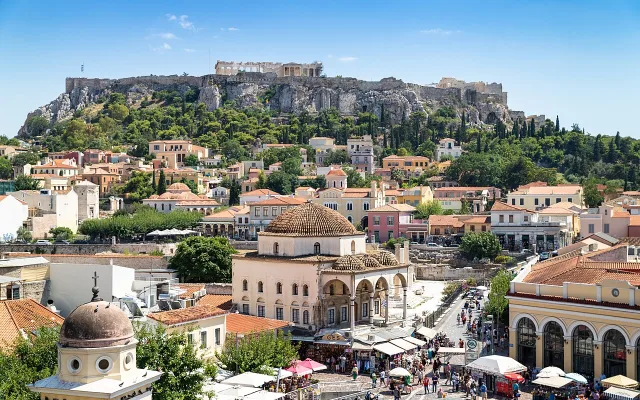
Athens is a city with a deep history, home to the Acropolis, the Parthenon and the famous Monastiraki market. It is also the place to try a good moussaka.
Santorini
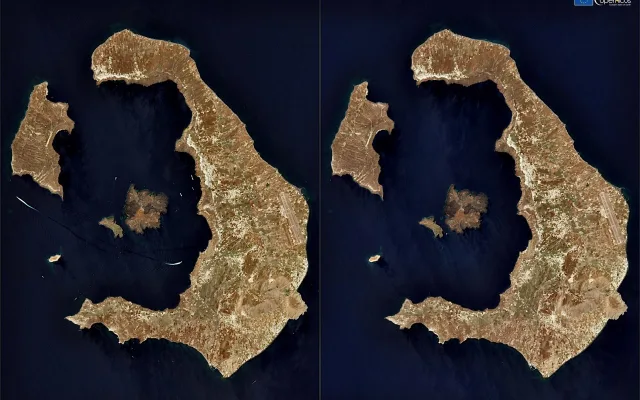
Santorini is known for its white villages perched above the blue caldera, for its volcano and for its spectacular sunsets.
Thessaloniki
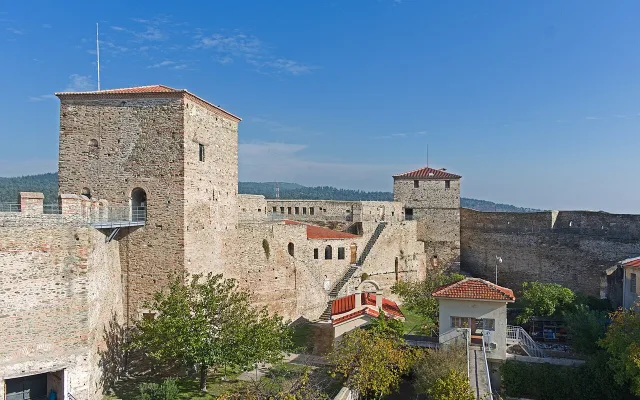
Thessaloniki is the second city of Greece, known for the White Tower and for the ferries towards Mount Athos. It also offers a wide range of street food.
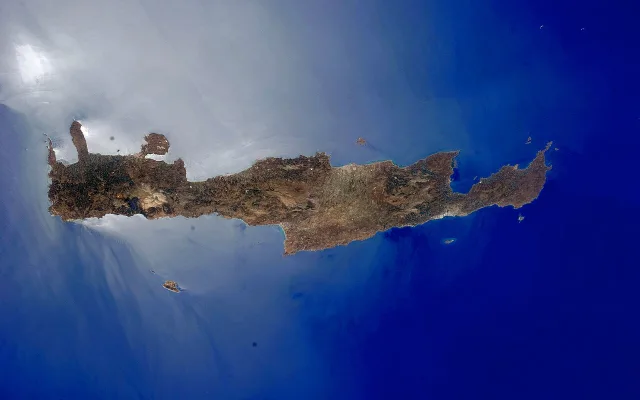
Crete
Crete is the largest Greek island, known for the beaches of Elafonissi and for the Samaria gorge.
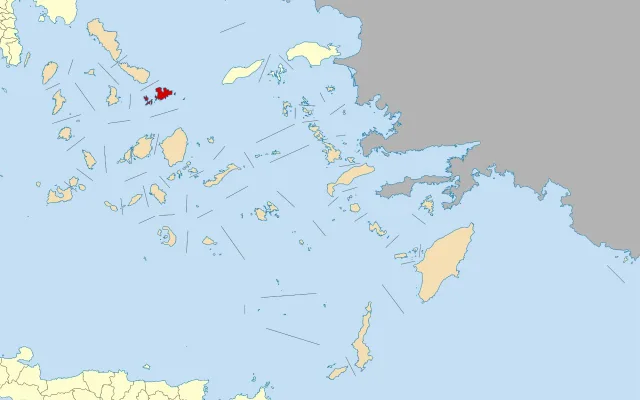
Mykonos
Mykonos is a famous Greek island known for its glamorous atmosphere, windmills, dazzling white Cycladic lanes, and legendary beach parties.
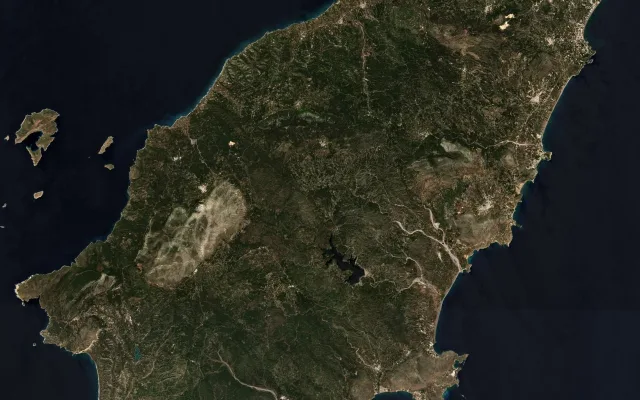
Rhodes
Rhodes is an island with a remarkably preserved medieval city built by the Knights Hospitaller. Visit the ruins of the Lindos acropolis and enjoy sunny beaches.
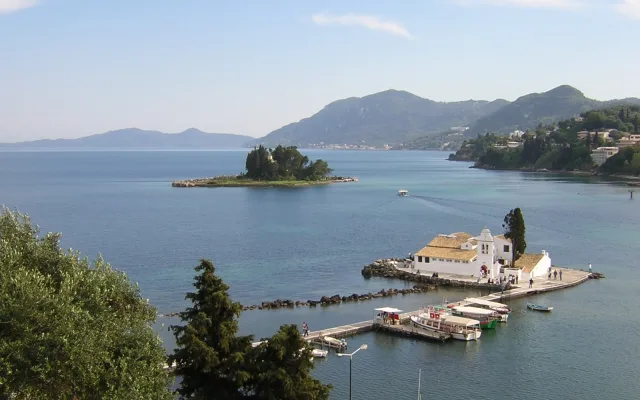
Corfu
An emerald Ionian island of Venetian forts, olive groves, turquoise bays, and a refined Greco-Italian cuisine.
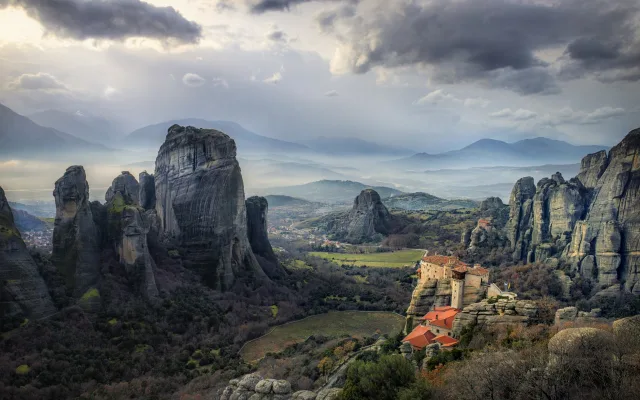
Meteora
Meteora is a complex of cliff-top monasteries perched on towering sandstone pillars — one of the most extraordinary and spiritually powerful sites in Greece.
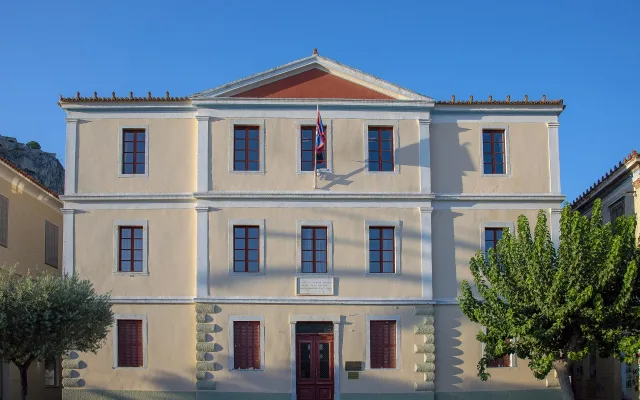
Nafplio
The first capital of modern Greece — a romantic port city with the Venetian fortress of Palamidi and paved neoclassical lanes.
What to see #
The Acropolis: book the earliest 08:00 slot so you are not stuck in the crush at the Propylaea. Tickets are sold for a specific time only, so reserve online about a week ahead.
The Palace of Knossos: what to see first on Crete, without much argument. Go at opening time, before the heat turns the site into an oven and the coach parties arrive.
Meteora: monasteries balanced on rock pillars. The crowds can make them feel overhyped, but architecturally the place is a genuine thrill, and the drive up is half of it.
Cape Sounion: an easy day trip from Athens to the Temple of Poseidon at the southern tip of Attica. Sunset on the cliff above the sea is what justifies the two-hour journey each way.
Mount Olympus: if you like walking, head for the Throne of Zeus. The forests on the lower slopes look magical in autumn, particularly if you catch the golden leaves in October.
Balos beach: pink sand and a turquoise lagoon, the set piece of western Crete. The road in is hard on the nerves and on a hire car, so take the boat from Kissamos instead.
Santorini: the Red Beach looks like Mars and is always packed. Take the boat on to the White Beach, where the cliffs come right down to the water and there are far fewer people.
Acropolis Museum: not an add-on to the hill but a masterpiece in its own right. The Parthenon gallery on the top floor lets you see the friezes at full height in natural light.
Prices #
Currency: euros, and nothing else. Changing dollars or pounds locally is poor value, with private exchange offices taking up to 15 percent, so arrive with euros or use an ATM.
Cards: Visa and Mastercard are accepted almost everywhere, including small tavernas, and contactless is standard. Amex is patchier outside hotels and larger restaurants, so don't rely on it alone.
Cash still matters: village bakeries, farmers' markets, beach loungers and taxis often want notes. Note that 200 and 500 euro bills are effectively unusable, so break large amounts at a bank.
Fees: a Wise or Revolut card avoids the double conversion that domestic cards charge, which is worth a fair amount over a two-week trip. Always choose to be billed in euros when the terminal asks.
Tipping: 5-10 percent in a taverna is good manners. If service is already on the bill, leaving the change or a couple of euros on the table is plenty.
| Item | Price (USD) |
|---|---|
| Gyros to go | 3.50 |
| Dinner for two | 45.00 |
| Frappe coffee | 3.00 |
| Acropolis ticket | 33.00 |
| Car hire, per day | 25.00 |
| Petrol, per litre | 2.30 |
| Ferry to an island | 40.00 |
| Metro ticket | 1.30 |
| Mussels, per kilo | 4.50 |
| Beach lounger | 3.00 |
| Beer in a bar | 4.50 |
| Bottle of wine | 8.00 |
| Moussaka in a taverna | 10.00 |
| Fridge magnet | 2.50 |
| Taxi, 10 km | 20.00 |
Getting around #
Car hire: the islands really do open up with a car. Book through an aggregator rather than at the desk on arrival, and read the deposit terms, which vary wildly between local suppliers.
KTEL buses: the intercity network is excellent. Fares run to roughly five euros per 100 km, buses keep to the timetable, and the air conditioning always works.
Ferries: book Crete or Santorini crossings online a couple of months out. Turning up at the port in August is a good way to find the fast catamarans already sold out.
Getting into Athens: the blue metro line runs from the airport, and the X95 bus runs around the clock to Syntagma. Both cost a fraction of the taxi, which charges a fixed airport fare.
Driving here: Greek drivers are impulsive and treat some rules as suggestions. Fines are not gentle: 350 euros for an unfastened seatbelt, and running a red light can cost you your licence.
Licences: Greek police can ask for an International Driving Permit alongside a non-EU licence, and the fine for not carrying one runs into the hundreds. Check what your own licence needs before you fly.
Domestic flights: hopping between islands is often faster and cheaper by air than by sea. Aegean and Sky Express start around 20 euros if you book well ahead.
Where to stay #
Apartments: book somewhere with a kitchen and your food budget collapses. Fresh seafood from the market at four or five euros a kilo turns self-catering into the best meal of the day.
Booking ahead: central Chania sells out for the peak months as early as spring. The same goes for anywhere on Santorini, where late booking is punished severely.
Athens neighbourhoods: Koukaki is the best place to sleep, full of local coffee shops and a short walk from the Acropolis. Give the cheap listings around Omonia Square a miss.
On Crete: Rethymno suits families for its long, shallow sandy beaches. In Chania itself, look for boutique places tucked deeper into the Old Town, away from the noise of the harbour.
Guesthouses: mountain villages and the south of the island have excellent rooms for around 40 euros. Without a car, though, you will be completely stranded there.
Season and price: a good room costs 60 euros in May and 150 for the identical thing in August. September is the best compromise: warm sea, sane prices.
Places to avoid: Malia and Hersonissos are strips of clubs and drunk teenagers. If that is not your trip, look elsewhere and you will not miss anything.
What to eat #
The principle: Greek cooking is about the freshness of the ingredients rather than clever technique. The best places are the tavernas with paper tablecloths where Greeks themselves eat lunch.
Cheap and good: gyros at three or four euros is the budget traveller's friend. Filling, fast, and sold on every corner well into the small hours in any tourist town.
Seafood: order mussels and octopus only in dedicated fish tavernas rather than generic tourist places. At the market, a kilo of very fresh mussels costs about four euros.
Drinks: try a frappe, the whipped iced coffee that locals nurse for hours. For something stronger, Cretan raki or a glass of ouzo over ice with a plate of something salty.
Portion sizes: enormous, almost always. A salad and one hot dish frequently feeds two people. Asking to take the rest away is completely normal and nobody blinks.
When to eat: many tavernas close through the afternoon and reopen around eight. Get used to eating late, because that is when the food and the company are at their best.
Fruit: in season, nectarines, peaches and figs cost one to one and a half euros a kilo at the market. Cheaper and infinitely better than the supermarket version.
Safety #
The new border system: the EU's Entry/Exit System now records biometrics for non-EU visitors and passports are no longer stamped. Overstaying the 90-days-in-180 Schengen allowance is picked up automatically, so count your days carefully.
Heat: July in central Athens hits 40°C. Climbing the Acropolis at midday is a genuinely bad idea, and you want at least a litre and a half of water on you at any time.
Slippery marble: the stone on ancient sites has been polished mirror-smooth by millions of feet. Wear trainers with real grip; fashionable sandals cause a steady stream of injuries.
Restaurant traps: avoid anywhere with someone outside trying to talk you in, particularly on the main streets of Plaka. The food is mediocre and a "service" line can appear on the bill at the price of a main course.
Pickpockets: watch your bag on the Athens metro and around Monastiraki flea market. Greece is safe overall, but the tourist hubs are worked hard.
In an emergency: 112 reaches all services. The tourist police on 171 are obliged to speak English and are the right call for disputes with businesses.
Tap water: fine to drink in Athens and on Crete. On the smaller islands it can be brackish, and there the bottled stuff is worth buying.
Etiquette and culture #
The afternoon pause: between two and five, provincial Greece stops. Making noise or trying to get into a shop during those hours is bad form; the rest is taken seriously.
Hospitality: family tavernas often bring a free dessert or a shot of homemade liqueur after the meal. It is a genuine gesture and refusing it is not really done.
Dress code: at the Meteora monasteries, shoulders and knees must be covered. Most sites hand out free wraps or long skirts at the entrance if you turn up unprepared.
Siga siga: literally "slowly, slowly", and the governing principle of the country. Don't expect the bill to arrive quickly, or the food; the point is to sit there enjoying it.
Volume: Greeks talk loudly and gesture hard, which to an outsider can look like a furious argument. It is almost always just conversation.
In churches: shorts and loud voices are out of place in working churches. Candles are usually left out for anyone to take against a voluntary donation.
Connectivity #
English: almost universal in tourist areas. Younger Greeks speak it fluently, menus are printed in English everywhere, and you will not struggle in daily life.
A gesture to learn: a sharp upward jerk of the head means no, and a downward nod means yes. Get it backwards and ordering a coffee becomes an unexpectedly long conversation.
Signage: road signs and Athens metro stations are always duplicated in Latin script, so the Greek alphabet is no barrier. Google Maps handles the KTEL bus routes well too.
Learn two words: "efharisto" and "kalimera" go a very long way. Greeks notice the effort and respond to it, especially away from the resorts.
Slang: you will hear "malaka" constantly. Depending on tone it is either an affectionate jab between friends or a real insult, so listen rather than deploy it.
Offline translation: download the language pack before you go. It earns its keep in the northern mountain villages, where older people speak only Greek and are not online.
Phrasebook #
| English | Greek | Pronunciation |
|---|---|---|
| Hello | Γεια σας | YAH-sas |
| Good morning | Καλημέρα | kah-lee-MEH-rah |
| Thank you | Ευχαριστώ | ef-hah-ree-STOH |
| Please / You're welcome | Παρακαλώ | pah-rah-kah-LOH |
| Yes | Ναι | neh |
| No | Όχι | OH-hee |
| How much is it? | Πόσο κάνει; | POH-soh KAH-nee |
| The bill, please | Το λογαριασμό, παρακαλώ | toh loh-gah-ryahz-MOH |
| Sorry | Συγγνώμη | see-GHNOH-mee |
| Help | Βοήθεια | voh-EE-thee-ah |
| Very tasty! | Πολύ νόστιμο! | poh-LEE NOH-stee-moh |
| Where is the toilet? | Πού είναι η τουαλέτα; | poo EE-neh ee twah-LEH-tah |
| Wine | Κρασί | krah-SEE |
| Water | Νερό | neh-ROH |
| My friend (slang) | Φίλε μου | FEE-leh moo |
| Come on! (slang) | Έλα! | EH-lah |
| OK (slang) | Εντάξει | en-DAH-ksee |
| Cheers! | Στην υγειά μας! | steen ee-YAH mas |
| Beer | Μπύρα | BEE-rah |
| Good | Καλά | kah-LAH |
Good to know #
Getting there: Athens, Thessaloniki, Heraklion and Chania are all served directly from across Europe, and Ryanair, easyJet and Wizz Air keep fares low outside August. From North America there are seasonal nonstops to Athens, otherwise connect through London, Frankfurt, Paris or Istanbul.
Mobile data: an eSIM from Airalo or a similar provider has you online the moment you land, which beats queuing at a shop. Local SIMs need a passport and a visit to an operator's office.
Plugs: standard European type C and F sockets at 230 V. European chargers work as they are; travellers from the UK, the US or Australia need an adapter and, for anything without a universal power supply, a converter.
When to go: May and September are the golden months. The sea is warm at both ends, the crowds are a fraction of August, and room rates are far kinder.
Sunscreen: bring it from home. Sold near a Greek beach it costs three times as much, and 20 minutes of Aegean sun is all it takes to burn.
Medicines: pack a basic kit. Antibiotics and many specific drugs are prescription-only here, and getting a prescription as a visitor is awkward.