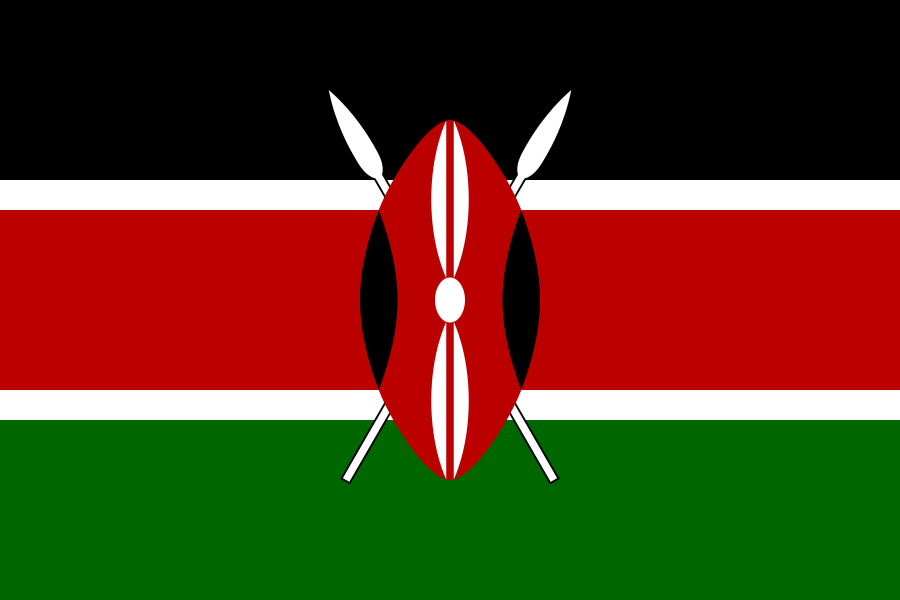
Kenya
KEThe country of the Great Migration, the Big Five and endless savannah — the premier safari destination in Africa. The Masai Mara, Amboseli beneath Kilimanjaro, the pink flamingos of Nakuru and the white beaches of Mombasa make for startling contrasts. Nairobi is one of the most dynamic cities on the continent, and the Maasai in their red robes have become an emblem of all Africa. Kenya speaks English, drinks superb tea and invented M-Pesa, the mobile payment system that got there before anyone else.
Where to go #
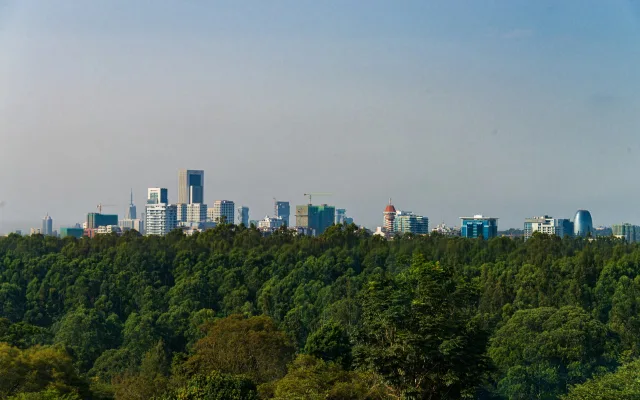
Nairobi
Nairobi is the capital of Kenya, where a safari can begin in the national park as soon as you land; there is also the giraffe centre, and the city is a base for trips to the Masai Mara.
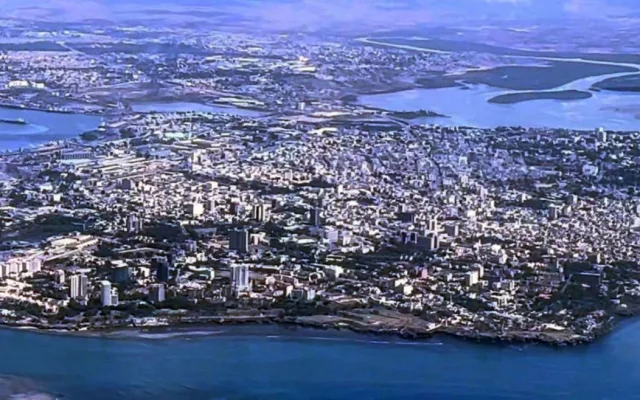
Mombasa
Mombasa is a port city on the Indian Ocean. Its sights include UNESCO-listed Fort Jesus, the beaches at Diani and the coral reefs, along with Swahili culture.
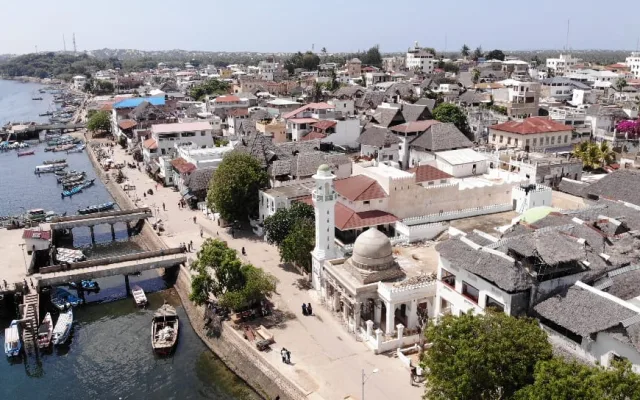
Lamu
Lamu is a UNESCO-listed town in Kenya, known for its Swahili architecture, its donkeys and dhows, and a culture shaped by the Indian Ocean.
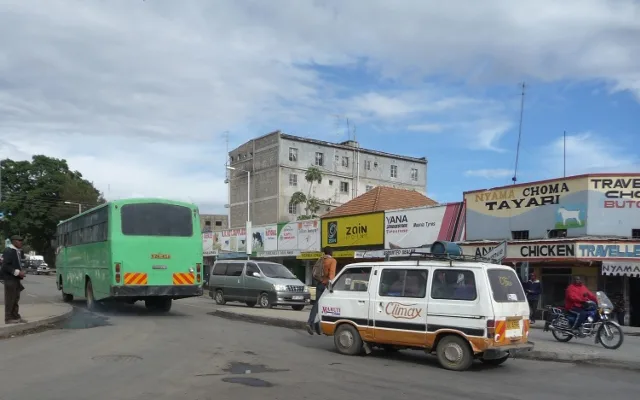
Naivasha
Naivasha is a town in Kenya's Rift Valley, known for its lake and hippos. Mount Longonot is nearby, along with zebras and flower farms.
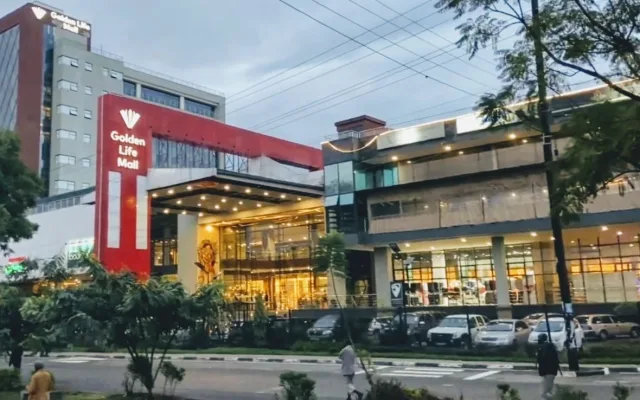
Nakuru
Nakuru is a lakeside town known for its flamingo colonies and the rhinos of its national park, set among the scenery of the Rift Valley.
What to see #
Masai Mara: The main event, and where to go for the Big Five and the dramatic crossings of the Mara river. From July through October you can watch the migration of over a million wildebeest, provided you booked a camp months earlier.
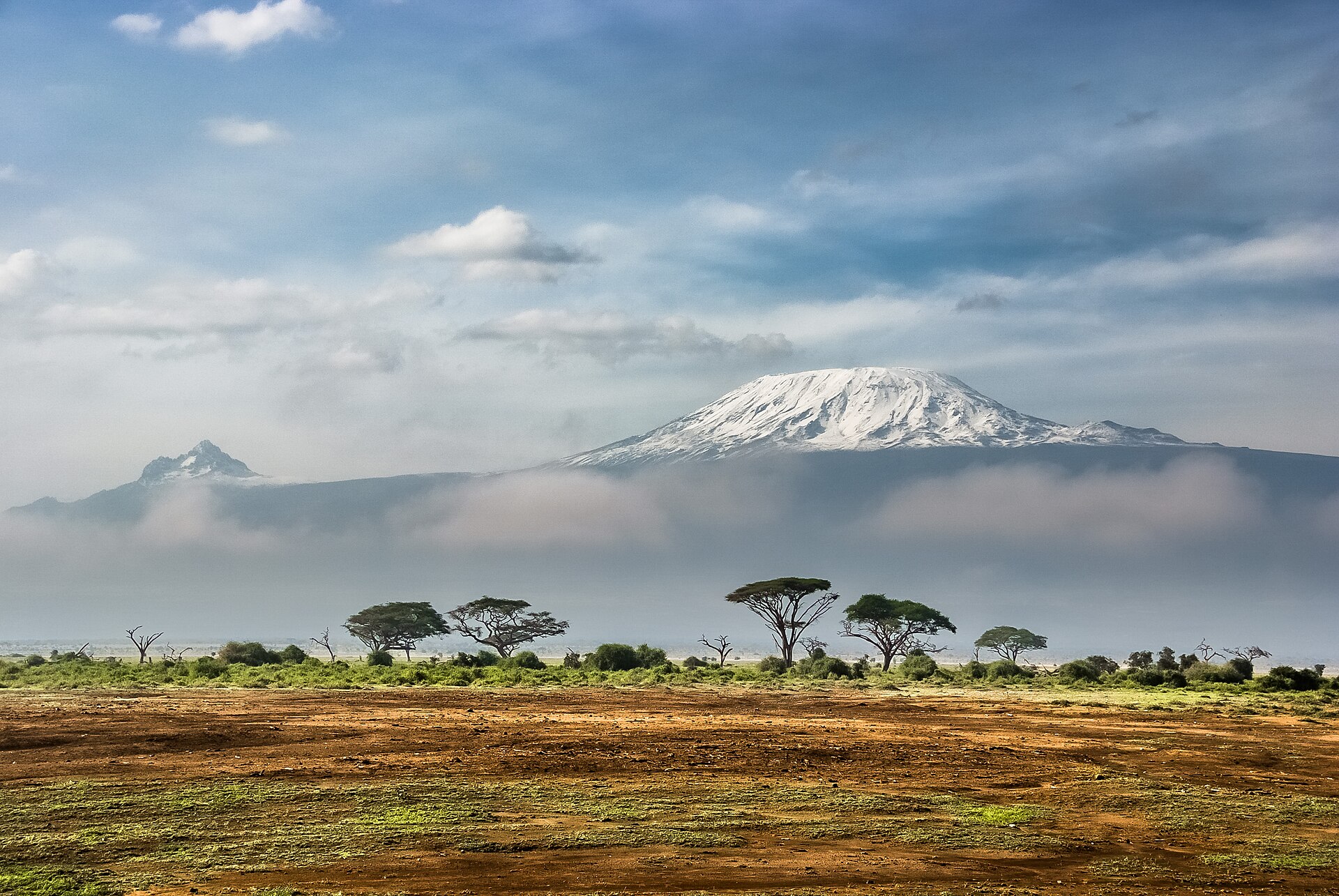
Amboseli: Come here for the classic photograph of elephants against the snow on Kilimanjaro. The park sits on the Tanzanian border and is known for very large herds.
Nairobi National Park: A genuinely unusual place where you see lions and rhino with the city skyline behind them. A game drive here fits into a day, with only half an hour of driving from the centre.
Hell's Gate: One of the few parks where you are allowed to walk or cycle among the wildlife. It is the pick for anyone who wants something active, with gorges to scramble through and hot springs at the bottom.
Giraffe Centre: At Langata you can feed rare Rothschild's giraffes from a raised platform. It pairs neatly with the David Sheldrick elephant orphanage nearby, which has limited visiting hours.
KICC viewing deck: The roof of the 27-storey conference centre in Nairobi gives a full circle over the city. It is the fastest way to get your bearings in the capital and the shot over the business district is worth the lift ride.
Prices #
Currency: The Kenyan shilling is the local unit. US dollars are readily accepted at parks and lodges, but for everyday spending in towns and markets you need shillings in cash.
Exchange: Change money at licensed Forex bureaux in Nairobi or Mombasa, where the rate beats the airport comfortably. Bring newer US notes issued after 2006, because older designs are frequently refused.
Cards: Visa and Mastercard work in large supermarkets, hotels and chain restaurants, and Amex is rarely accepted anywhere. Card infrastructure thins out fast outside the cities, so carry enough cash for the days you spend in the parks.
Tipping: The safari industry runs on tips, and it is genuinely expected. Budget 10 to 15 dollars a day for your driver-guide, plus small amounts in shillings for porters and waiting staff.
M-Pesa: The mobile money system lets you pay for almost anything from your phone. As a visitor you need a Safaricom SIM and can top up at any kiosk, which makes life in the provinces dramatically simpler.
| Item | Price (USD) |
|---|---|
| Street food snack | 2 |
| Lunch in a cafe | 6 |
| Tusker beer | 2 |
| Coffee in town | 1 |
| Matatu across town | 0.5 |
| Uber in Nairobi | 7 |
| SGR train ticket | 10 |
| Masai Mara entry | 100 |
| Amboseli entry | 60 |
| Guesthouse in town | 25 |
| Safari camp per night | 100 |
| SIM card with data | 5 |
| Boat trip | 40 |
| Bicycle hire | 10 |
Getting around #
Rail: The modern Madaraka Express runs between Nairobi and Mombasa in about five hours. Economy tickets start at 10 dollars and should be booked ahead on the official site or paid through M-Pesa.
Matatus: These shared minibuses remain the cheapest way to move between towns. They are loud, decorated and leave when full, and a couple of hours costs a few hundred shillings.
Ride-hailing: Uber and Bolt both work well in Nairobi and Mombasa. It is the safe and cheap option for city travel, particularly after dark, when walking is strongly discouraged.
Domestic flights: Safarilink and AirKenya save a full day on trips to remote parks like the Mara. Expect 60 to 150 dollars one way from the capital to the coast or the savannah.
Boda-bodas: Motorbike taxis solve traffic jams but are considered dangerous given the riding style. In rural areas they are often the only way to get from the bus stop to your lodge.
Boats: On Lamu and along the Watamu coast, dhows and small motorboats do the work. Haggling with the boatmen is expected, and the price depends on your negotiating and how many people are sharing.
Getting in: Jomo Kenyatta in Nairobi is the regional hub for East Africa, with direct flights from London, Amsterdam, Paris and several Gulf cities, plus connections via Addis Ababa and Doha from almost anywhere.
Where to stay #
In the cities: Nairobi and Mombasa both have clean, affordable guesthouses and apartments. Choose a secure neighbourhood such as Westlands or Karen in the capital, so that walking to a shop is a normal thing to do.
Safari camps: Tented camps put you as close to the wildlife as it gets, with no fences. In the cheaper ones the facilities are shared, and at night Maasai watchmen patrol the site to keep animals out.
Lodges: These are permanent hotels inside the national parks, with pools and familiar comforts. They cost more than tents but guarantee hot water and a room that insects cannot get into.
Lakeside: At Naivasha, campsites right on the shore are popular, and hippos come out of the water at night. It is a memorable experience that requires taking the camp's instructions seriously.
Private rentals: Booking a room in an ordinary Nairobi apartment through the international platforms saves real money. Hosts will often help with logistics, train tickets or arranging a transfer.
Booking ahead: During the migration season from July to September the popular parks are full six months out. Fixing prices early matters, because on-the-day rates can be double.
What to eat #
Nyama choma: Goat or beef grilled over charcoal is the centrepiece of Kenyan eating. It comes with kachumbari, a sharp tomato and onion salad, and is normally demolished by a large group in a local grill bar.
Ugali: Dense maize meal takes the place of bread and comes with almost any stew. Traditionally you eat it with your hands, rolling a ball and using it to scoop up sauce or sukuma wiki greens.
Pilau: Spiced rice reflects the Arab and Indian influence along the Indian Ocean coast. Fragrant with cardamom and cloves and cooked with meat, it is at its best in Mombasa or Lamu.
Snacks: Samosas and chapati are the standard quick lunch in the cities. Triangular meat pastries and flat unleavened bread cost almost nothing and are sold on every corner.
Water and ice: Drink only bottled water and refuse ice in cocktails, since it is often made from the tap. This one rule prevents the majority of stomach trouble visitors run into here.
Drinks: Tusker, the pale lager with the elephant on the label, is a national symbol and the default beer. Also try Kenyan tea with milk and spices, or dawa, a hot mix of honey, lemon and ginger.
Safety #
Cities: Nairobi requires real attention because of pickpocketing and street robbery. Do not display expensive equipment or large amounts of cash, and after dark take a taxi even for short distances.
Wildlife: On safari, never leave the vehicle without your guide's permission. Hippos and buffalo kill more people than any predator in Africa, and their apparent calm means nothing at all.
Malaria: Mosquitoes carrying malaria are active on the coast and in the lowlands, so prophylaxis and repellent are essential rather than optional. Take out insurance that covers private clinics and transfers.
Hustlers: Markets and busy streets attract insistent "helpers" who then demand payment for a service you did not want. Refuse politely but firmly, and always agree a taxi fare before you set off.
Border areas: Do not travel independently to the regions bordering Somalia, where terrorism remains a threat. The tourist routes in the centre and south are well protected and considered safe. Check your own government's travel advisory before finalising a route.
Sun: The equatorial sun burns even on overcast days and on a cool savannah morning. Use high-factor sunscreen and wear a hat to avoid both burns and heat exhaustion.
Etiquette and culture #
The Maasai: Kenya's best-known people have kept much of their traditional way of life near the national parks. A village visit costs money, but you see the adumu jumping dance and the beadwork made by hand.
Hakuna matata: The phrase is not just a line from a film but a genuine approach to difficulty. Do not be surprised by slow service or late transport; the pace here is deliberate.
Modesty: Kenya is conservative, especially along the Muslim coast. In Mombasa or Lamu, wear clothing that covers shoulders and knees as a matter of basic respect.
Photography: Always ask before pointing a camera at someone. Many people in the more visited places expect a small payment for posing, which is a normal part of the exchange.
Swahili: A couple of words in Swahili changes the temperature of any interaction. Even a simple "Jambo" opens a conversation and often improves the price you are quoted in a market.
Bargaining: At the Maasai Market in Nairobi the opening price for a foreigner can be several times the real one. Name your own figure, do it with a smile, and treat the whole thing as a game rather than a fight.
Connectivity #
Operators: Safaricom has the best coverage, reaching most national parks and the main highways. Airtel is a cheaper alternative if you plan to stay mainly in the cities and on the beaches.
Buying a SIM: You can register a number at Nairobi airport with your passport in about ten minutes. Staff will help activate a data bundle and set up mobile money at the same time.
eSIM: International eSIM providers cover Kenya and work from landing, but a local Safaricom SIM is worth having anyway because M-Pesa requires one.
Coverage: 4G is solid in the cities, fine for maps and messaging. In the savannah the signal drops out regularly, so download offline maps of the areas you are visiting before you leave town.
Hotel Wi-Fi: Most lodges and guesthouses offer free wireless, but rarely fast enough for large files. For calls and work, rely on your own mobile data.
Plugs: Kenya uses British-style type G three-pin sockets. An adapter costs a couple of dollars in any Nairobi hardware shop and you will need it from day one.
Phrasebook #
| English | Swahili | Pronunciation |
|---|---|---|
| Hello | Habari | ha-BA-ree |
| Hi (slang) | Sasa | SA-sa |
| All good (slang) | Poa | PO-a |
| Thank you very much | Asante sana | a-SAN-teh SA-na |
| Please | Tafadhali | ta-fa-DHA-lee |
| How much is it? | Bei gani? | bay GA-nee |
| Too expensive | Ghali sana | GHA-lee SA-na |
| No worries | Hakuna matata | ha-KOO-na ma-TA-ta |
| How are you? | Habari yako? | ha-BA-ree YA-ko |
| Yes / no | Ndiyo / Hapana | n-DEE-yo / ha-PA-na |
| Sorry (sympathy) | Pole | PO-leh |
| I don't understand | Sielewi | see-eh-LEH-wee |
| Where is the toilet? | Choo kiko wapi? | choh KEE-ko WA-pee |
| Lion | Simba | SIM-ba |
| Friend | Rafiki | ra-FEE-kee |
| Help! | Saidia! | sa-ee-DEE-a |
| Goodbye | Kwaheri | kwa-HEH-ree |
| Water | Maji | MA-jee |
| Food | Chakula | cha-KOO-la |
| Beautiful / good | Nzuri | n-ZOO-ree |
Good to know #
Official sites: Use the Kenya Wildlife Service site for current park fees, which change more often than guidebooks suggest. Any electronic travel authorisation should be applied for only through the official government domain, etakenya.go.ke, never an agent.
Medical kit: Beyond the standard supplies, carry antimalarials and self-test kits. You can buy them at chain pharmacies in Nairobi, but you want them from day one rather than day three.
Seasons: Plan your visit for the dry months of July to October, or January and February. During the long rains in April and May many park tracks become impassable even for serious 4x4s.
Safari luggage: If you are taking light aircraft to the parks, pack into a soft bag under 15 kilos. Hard suitcases often do not fit the narrow holds and can simply be refused at check-in.
Electronics: Bring a large power bank, since some camps run their generators only for a few hours in the evening. For photographing animals you want a decent zoom or a good pair of binoculars.
Documents: Keep a photo of your passport, your insurance policy and your entry authorisation on your phone and in your email, and print the authorisation for the border desk.