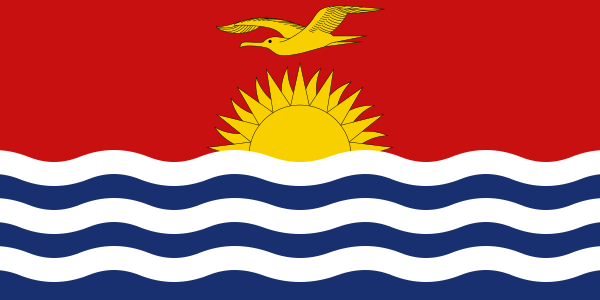
Kiribati
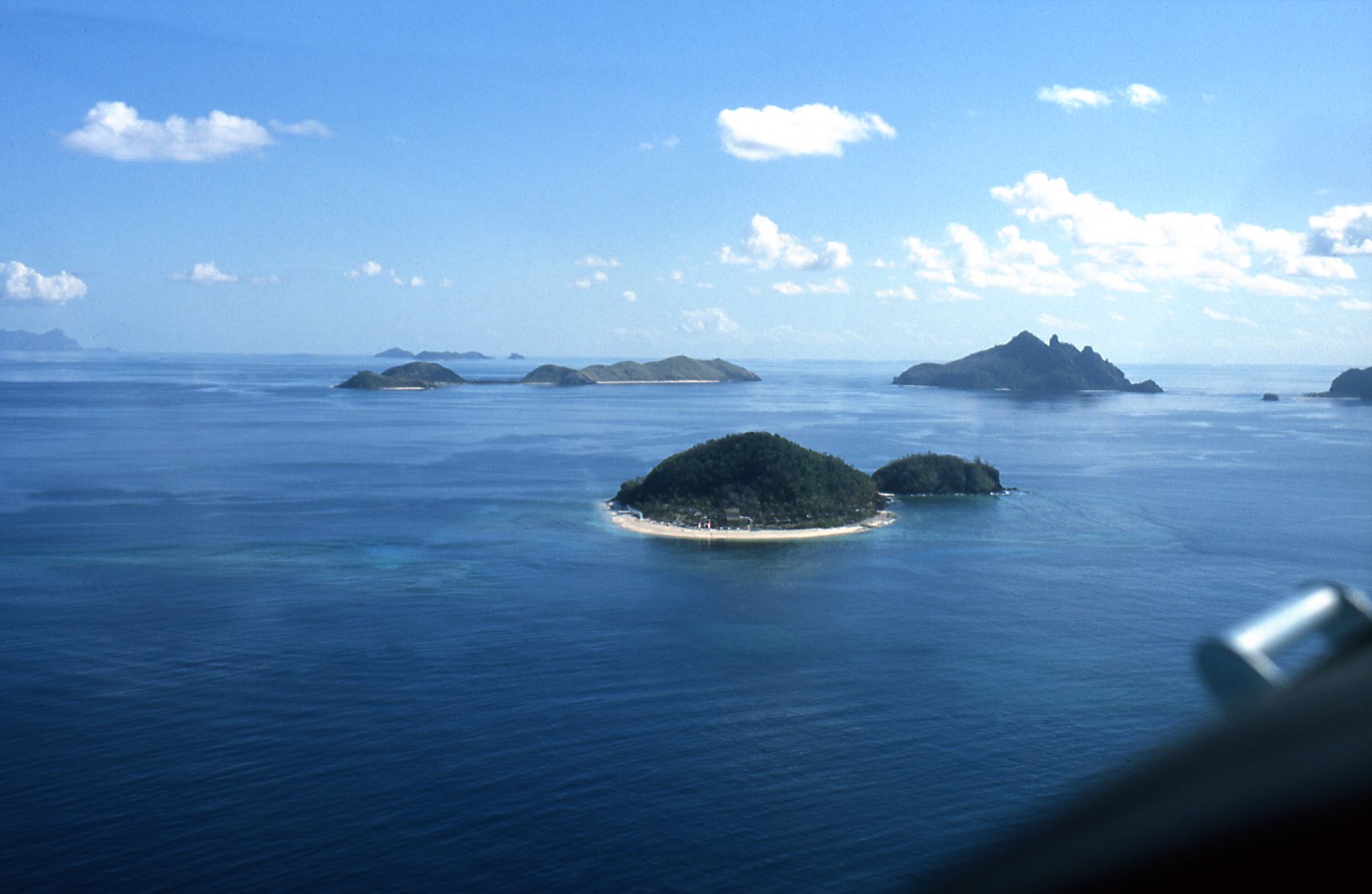
KIOne of the remotest and least visited nations on earth — 33 atolls scattered across 3.5 million km² of the Pacific. This is where the date line crosses the equator, where the fishing on Christmas Island (Kiritimati) draws fly-fishers from around the world, and where atoll life has barely changed in centuries. It may become the first state to disappear beneath a rising ocean.
Where to go #
South Tarawa
The country's main hub, worth the trip for the bustle of Bairiki and the wartime history of Betio. All urban life, the markets and the government buildings are concentrated along this one thin strip. Getting between the islets is easy on the minibuses that run the length of the causeway.
London
The largest settlement on Kiritimati, and where to go if you care about fly fishing. The village is ringed by lagoons and looks out towards the Cook Islet reserve. It also holds most of the island's guesthouses and shops.
Abaokoro
The administrative centre of North Tarawa, where the traditional way of life has held on. You can reach it in a day by boat from Bairiki, for the silence and the thatched houses. It is the best starting point for understanding local culture.
Buariki
The northern tip of Tarawa, worth going to for untouched beaches and easy snorkelling. It is also an ideal place to look at stars, far from the lights of the capital. The village is known for its hospitality and for very fresh seafood.
Abatao
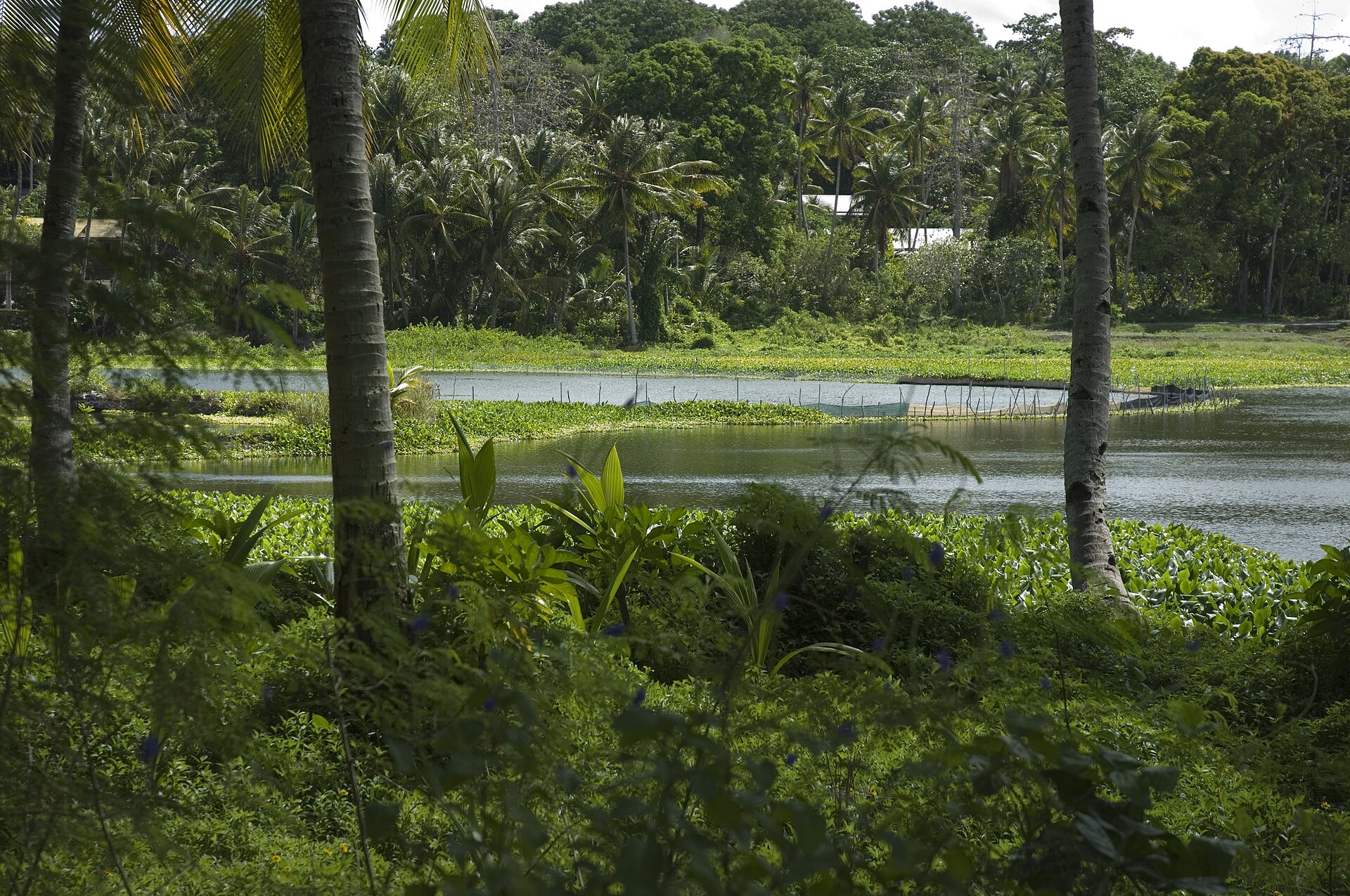
A quiet islet reached by a short boat crossing from Buota. Visit the giant clam farm or simply lie in a hammock strung over the water. The whole atmosphere is one of complete, uncomplicated calm.
What to see #
Betio: The main thing to see in the capital is the physical remains of one of the bloodiest battles of the Second World War. Japanese bunkers, the hulls of tanks and memorials to the fallen are scattered across the islet, often just metres from people's houses.
Fishing: Kiritimati, better known as Christmas Island, is a world-class destination for bonefish and giant trevally. Experienced guides know which flats fish best, and the sport here is genuinely addictive.
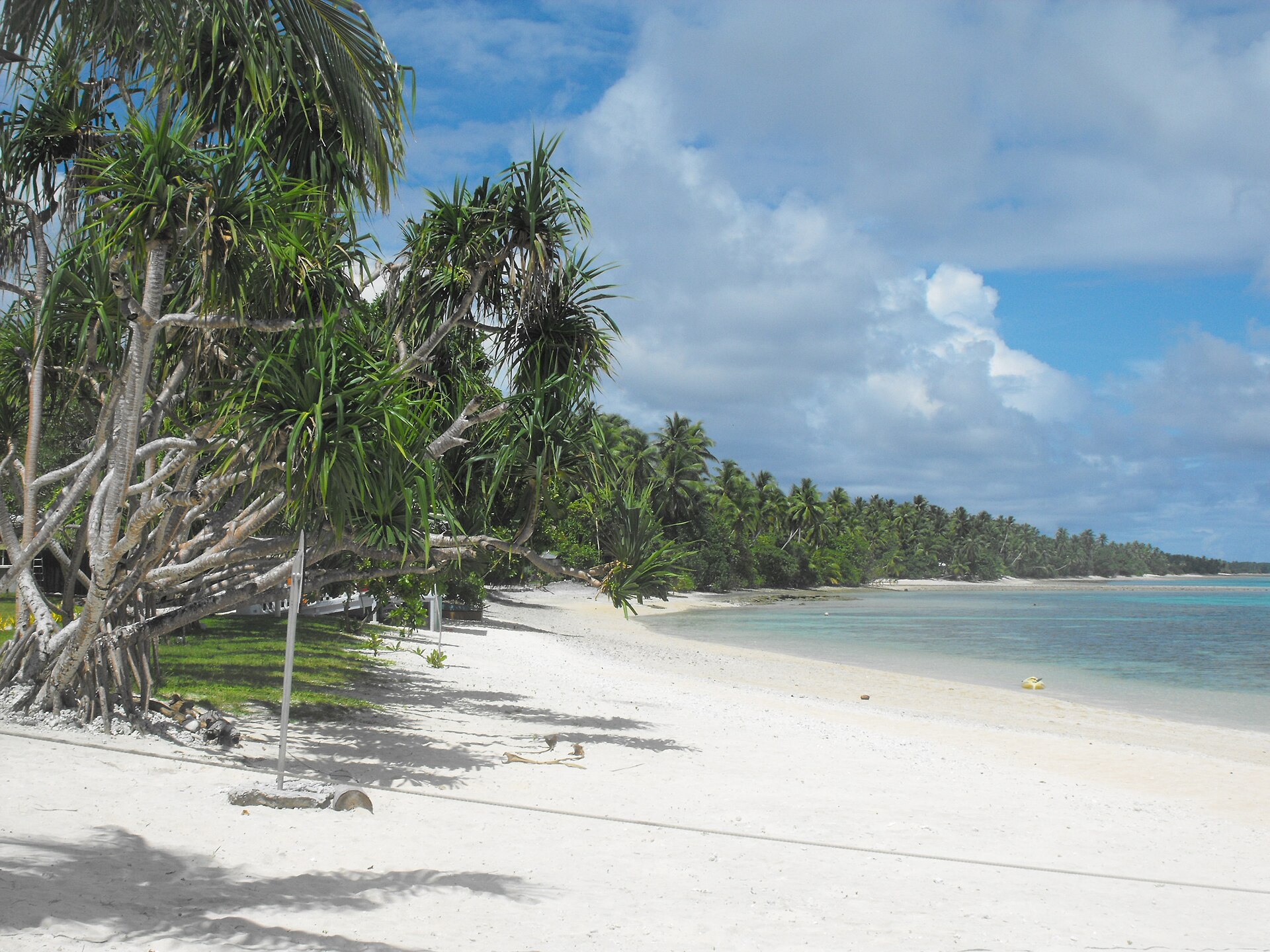
The lagoon: For the perfect colour of water, sail Tarawa lagoon under a traditional rig. The local "te wa" canoes skim across the turquoise and produce the photographs everyone comes back with.
The museum: In Bikenibeu, the national cultural centre holds a collection of remarkable artefacts. Armour made from shark teeth and traditional woven work are the highlights, and an hour covers it comfortably.
Skies: The most intense sunsets are on the outer atolls, where there is effectively no electric light. The night sky over this part of the Pacific is among the clearest and most star-dense anywhere on the planet.
Clam farms: Visit the giant tridacna clam growing operation on Abatao. It is a working research site as much as an attraction, and it gets you very close to creatures you would otherwise never see.
Prices #
Currency: Kiribati uses the Australian dollar, in notes and coins, with no local currency to learn. Prices are quoted in it everywhere, which makes budgeting straightforward if you have travelled in Australia or the Pacific before.
Cash is king: This is a physical cash economy. Bring the entire amount you expect to spend as banknotes, and bring more than you calculated, because there is no easy way to top up once you are here.
Cards: Cards are accepted at a couple of the larger Tarawa hotels and nowhere else, and even there the terminals fail regularly. On Kiritimati there are no card terminals at all, so the money you carry is the money you have.
ATMs: The only working machines belong to ANZ and stand in the capital districts. They run out of cash, and there is no alternative when they do, so withdraw early rather than on the day you need it.
Getting money in: Change your currency into Australian dollars before you fly, ideally in Fiji or Australia where the rate is decent. Small denominations are much more useful than large notes in village shops.
| Item | Price (USD) |
|---|---|
| Lunch at a local cafe | 10 |
| Street fish with rice | 4 |
| Guesthouse per night | 45 |
| Hotel in Tarawa | 110 |
| Minibus ride | 1 |
| Taxi within the district | 5 |
| Boat north | 10 |
| Ferry across the channel | 1 |
| Inter-island flight | 130 |
| Beer in a bar | 4 |
| 1.5 litres of water | 2 |
| Local SIM card | 5 |
| Scooter hire per day | 20 |
| Museum entry | 5 |
| Stick of tobacco as a gift | 2 |
Getting around #
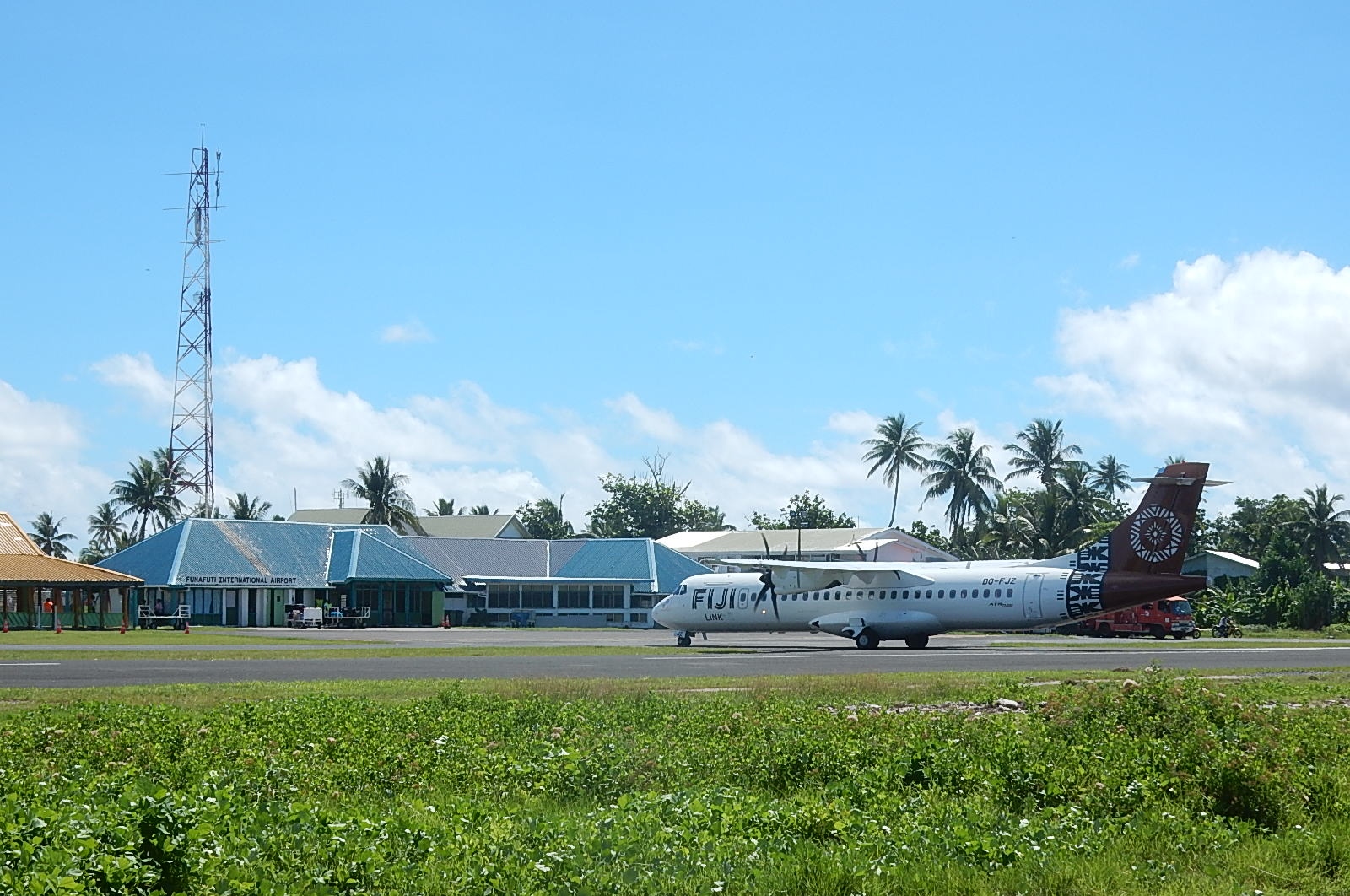
Getting in: Bonriki airport on Tarawa is the gateway, served from Fiji and Nauru. Fares are high and seats are few, so book several months before you intend to travel and expect the schedule to change.
Minibuses: Private minibuses running along the main road are how South Tarawa moves. The fare is fixed regardless of distance, and you stop one by waving at it from anywhere on the roadside.
Taxis: They exist, but the reliable way to get one is through your hotel's reception. Cars rarely cruise looking for passengers, so standing on the street hoping is a poor strategy.
Boats: Small craft link Bairiki with Abaokoro, carrying people and light freight. Schedules depend on the tide as much as the clock, so confirm departure times at the jetty the day before.
Domestic flights: Air Kiribati connects the capital to the outer islands with small aircraft. Delays for weather are routine, so never plan a tight connection onto an international departure.
Motorbikes: Renting a bike is the best way to explore North Tarawa or Kiritimati independently. Helmets are required by law, and roads on the remoter atolls are compacted coral rather than tarmac.
Channel crossings: Little motorboats ferry people between islets across the narrow channels. The trip takes a couple of minutes and you pay the boatman directly before you climb in.
Where to stay #
Hotels: South Tarawa has a handful of hotels with air conditioning and basic service. Stay in Betio or Bairiki to be near the shops and the main transport stops.
Guesthouses: This is the standard option for independent travellers on every atoll. Expect a plain room in a solid house, a shared kitchen and hosts who will feed you if you ask nicely.
Traditional houses: On North Tarawa you can sleep in a "buia", a stilt house with a thatched palm roof. Inside there is usually a mattress and a mosquito net and nothing else, but the view over the ocean settles the argument.
Fishing lodges: On Kiritimati, accommodation is aimed at serious anglers and priced accordingly. These places include full board, which matters because finding your own food on the island is genuinely difficult.
How to book: The usual booking sites barely cover Kiribati, so you contact places directly. Message owners on WhatsApp or email using the details listed on the official tourism site.
What to expect: Be ready for interruptions to fresh water and power even in places that look well kept. Hot water is rare, and internet either costs extra or does not exist.
Eco-lodges: Some villages run small sustainable tourism projects built around local, organic food. Staying at one is the best way to put money directly into a community and to see how island life actually works.
What to eat #
Fish: Tuna and reef fish are the foundation of the diet, landed every morning. The freshness is absolute and the taste comfortably exceeds what the simplicity of the cooking would suggest.
Te rere: Try the raw fish marinated in fresh coconut milk with sharp onion. It is the national favourite and exactly the right thing to eat in equatorial midday heat.
Sides: Almost everything arrives with rice or baked breadfruit. Taro and babai root are also common, stewed in coconut cream until they turn into a soft purée.
Coconut: The palm feeds the islands entirely, from the fresh flesh to the sweet sap called toddy. Karewe, the slightly fermented version of that sap, is what local men drink in the evening.
Chinese food: The capital has a number of small restaurants opened by migrants from Asia. They serve familiar fried rice with meat and vegetables at prices that suit a traveller's budget.
Breakfast: Mornings mean flatbread or bread and butter with very sweet tea or coffee. Fruit is scarce beyond papaya and coconut, because the soil is too salty for orchards.
Hygiene: Drink only bottled water and avoid ice in drinks at roadside cafes, where it is usually made from tap water.
Safety #
Crime: The crime rate is extremely low and people are unusually peaceable. You can walk around without worrying about robbery, though basic care still applies.
Sun: Equatorial radiation here is extreme and unprotected skin blisters in about twenty minutes. Use maximum-factor sunscreen, wear a hat and keep your shoulders covered even while swimming.
Water: Tap water is not drinkable and should not be used for brushing your teeth without boiling. Keep several litres of bottled water in reserve, bought from a supermarket in advance.
Medical care: Healthcare is very limited and serious cases require an evacuation flight to Australia. Bring a full personal medical kit with everything you might plausibly need, because pharmacies are scarce.
Reefs: Swimming without reef shoes is a bad idea, given the sharp coral and the venomous things living in it. Cuts from coral heal very slowly in this climate.
Currents: Be extremely careful with tidal flows, which can be ferocious around the causeways and narrow channels. Never swim alone in a place you do not know.
Dogs: Villages have a lot of stray dogs, and packs can be aggressive towards strangers. Give them a wide berth, and carrying a stick is a normal and understood signal here.
Etiquette and culture #
Mauri: The greeting is not just "hello" but a wish for health and peace. Always return a greeting, because it is the doorway to every genuine conversation you will have here.
The maneaba: The traditional communal meeting house with its high roof is the sacred centre of village life. Meetings, disputes and celebrations all happen there, and the rules of the maneaba carry more weight locally than national law.
Etiquette: Take your shoes off before entering a maneaba and sit on the mat rather than standing. Never stand at full height while elders are seated; stoop slightly as a mark of respect.
Dress: Outside tourist areas, women should cover knees and shoulders with a sarong or skirt. Swimwear in a village is considered seriously improper, so save it for hotel beaches or empty islets.
The head: In Micronesian culture the head is sacred. Never touch another person's head, and do not reach your arm over the heads of people who are sitting down.
Sunday: Sunday belongs to church and family, and almost everything stops. It is not the day for noise, work or energetic sport anywhere near a village.
Gifts: If you are visiting a household, buy a bag of rice, sugar or good tea from a shop. Practical gifts are valued far above souvenirs and read as genuine respect.
Connectivity #
Operators: Vodafone and Ocean Link both provide mobile service. You can buy a SIM at the airport or at the main offices in Bairiki, and activation is quick.
Mobile data: 3G speeds are available on South Tarawa, but on the outer islands signal comes and goes. Access to global services and messaging apps is unrestricted, with no censorship to work around.
Wi-Fi: The pricier hotels have wireless networks, but the quality is generally poor and unstable. Sharing a connection from your own local SIM is often the more practical option.
Kiritimati: Connectivity on Christmas Island is considerably worse because of how remote the atoll is. It runs on a satellite link, so it is expensive, slow and sometimes affected by cloud cover.
Coverage: Along the main Tarawa road the signal holds, though it can vanish indoors. If you are heading up into North Tarawa, tell people at home you will be unreachable for a couple of days.
Offline maps: Download maps of the whole country before you arrive, because downloading them here is painfully slow. Data can also run out at exactly the wrong moment on a remote stretch of road.
Messaging: Locals use WhatsApp and Facebook for everything, including business. It is the best way to book a room or arrange a boat, by sending the owner a short text message.
Phrasebook #
| English | Gilbertese | Pronunciation |
|---|---|---|
| Hello (health to you) | Mauri | MOW-ree |
| Thank you | Ko rabwa | ko RAB-wa |
| Please | Taiaoka | tai-a-O-ka |
| Goodbye | Ti a boo | tee a BO |
| Yes | Eng | eng |
| No | Aki | AH-kee |
| How are you? | Ko uara? | ko oo-A-ra |
| I'm fine | E raoiroi | eh ra-o-ee-RO-ee |
| Sorry | Matauninga | ma-tow-NEENG-a |
| How much is it? | Iraua boona? | ee-RA-wa BO-na |
| That's expensive | E bobuaka | eh bo-boo-A-ka |
| Stop here (on the bus) | I-kai | ee-KAI |
| Help! | Buokai! | boo-o-KAI |
| Good luck | Tekeraoi | te-ke-ra-O-ee |
| My name is... | Arau bon... | A-row bon |
| Where is the...? | E mena iaa te... | eh MEH-na ee-AH teh |
| Foreigner | I-matang | ee-ma-TANG |
| Delicious! | E kan amwarake! | eh kan am-wa-RA-keh |
| Beautiful! | E tamaroa! | eh ta-ma-RO-a |
| Friend | Raou | RA-oo |
Good to know #
Time zones: The country stretches across three time zones, and Kiritimati is the first inhabited place on earth to see each new day at UTC+14. Tarawa runs on UTC+12, so check which zone your flight times refer to.
Plugs: Sockets are the Australian type with three flat pins at an angle, running on 240 volts. Buy a proper adapter before you leave, since finding one locally is unlikely.
Opening hours: Government offices run from nine to five on weekdays. Shops in the capital stay open until about eight, but on Sunday most close by lunchtime and many do not open at all.
Post: The main post office is in Bairiki and postcards sent from there take a very long time to arrive. That is part of the appeal, given how rarely anyone receives a stamp from this country.
Environment: Plastic waste is a serious problem on the atolls, so keep what you generate to a minimum. Carry your empty bottles and packaging out with you when you leave a beach or a village.
Dress: For walking around the capital and villages, choose light cotton clothing that covers you. It saves you from disapproving looks and from the sunburn in roughly equal measure.