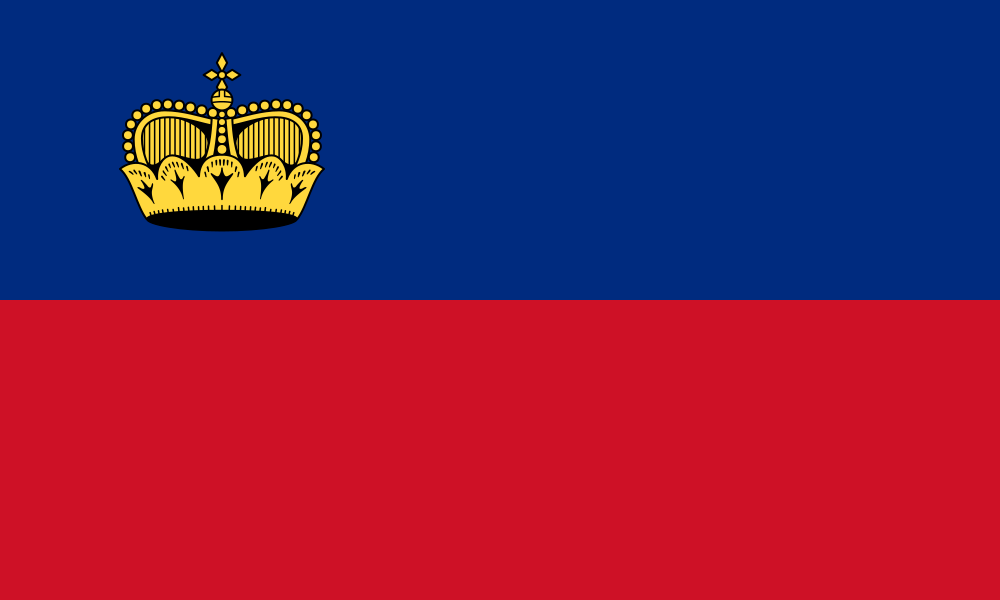
Liechtenstein
LIA tiny Alpine principality between Switzerland and Austria — 160 km², 40,000 residents, a medieval castle above the capital and mountains outside the window. Liechtenstein is one of the smallest countries in Europe and among the richest in the world per head. It has no airport of its own, but it does have the Malbun ski resort, princely vineyards and a souvenir passport stamp for 3 francs. A perfect day trip from Zurich.
Where to go #
Vaduz
The tiny capital, where everything worth seeing can be covered in a couple of hours. The main museums are concentrated here, along with the best views up to the castle. It makes an excellent base for the whole country.
Schaan
The largest town in the principality and where to go for affordable beds. The country's youth hostel and its cultural venues are here. It runs almost seamlessly into the capital.
Balzers
A village in the south, worth the trip for Gutenberg Castle on its hill. The place is known for quiet and for classic Alpine panoramas, and it hosts concerts through the summer.
Triesenberg
A mountain village at nine hundred metres with a distinct Walser culture. The views over the Rhine are the best in the country and guesthouse prices sit below the capital's. This one is for people who like tradition.
Malbun
The only ski resort, and the place from which you can walk the Princess trail in a day. The pistes are good in winter and there are falconry displays in summer.
Ruggell
The northern commune, home to a remarkable nature reserve. It is a perfect end point for a long walk and a good place to simply sit and look. Three national borders converge nearby.
What to see #
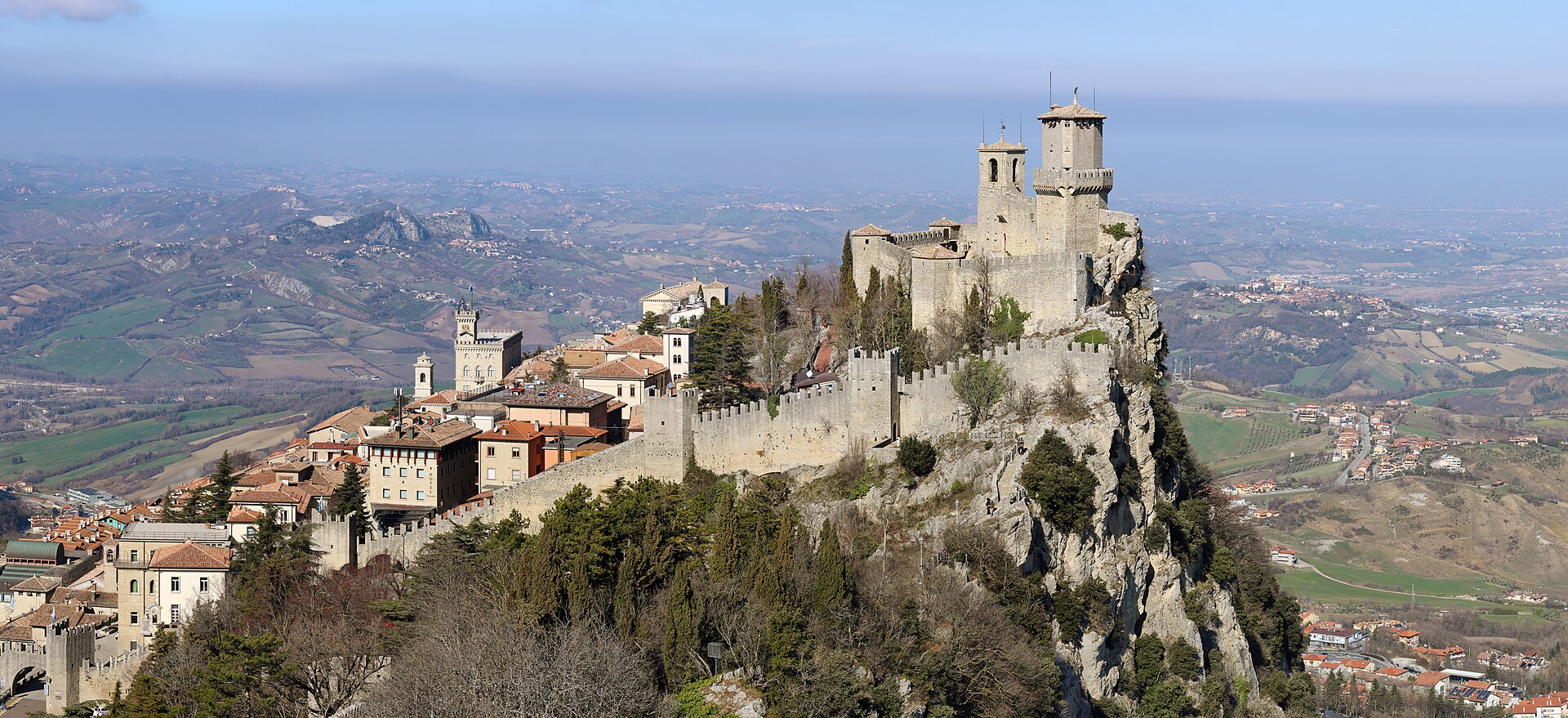
Vaduz Castle: The prince's official residence is closed to visitors, but the walk up the trail is worth doing for the atmosphere alone. The viewpoints give the best outlook over the town and the Rhine valley, and on 15 August the gardens open to everyone.
The Kunstmuseum: The famous "black cube" in the centre of the capital is what to see if you care about contemporary minimalism and sculpture. Entry is free on Wednesdays, which is an easy saving on your culture budget.
The Prince's Trail: The most spectacular route in the country, and yes, you can do it in a day along the narrow rock ledges. It demands proper footwear and a head for heights, but the views over three countries repay the effort.
Gutenberg Castle: This twelfth-century fortress in Balzers keeps its medieval feel and the courtyard is open to walk around, well away from the bustle in Vaduz.
The Postal Museum: Liechtenstein is famous for its stamps, and this is worth a visit even if you have never collected anything. Entry is free and the exhibition tells the country's history through miniature artworks.
The princely winery: Tasting the local pinot noir belongs on any independent traveller's list. You can see how it is made and walk among vines that grow in the middle of the capital.
St Florin's Cathedral: The elegant neo-Gothic landmark of the old centre, quiet and cool inside, with stained glass among the region's finest.
Prices #
Currency: The country uses the Swiss franc, one of the most stable currencies anywhere. Euros are accepted reluctantly, usually in larger shops, and you get change back in francs at a poor rate.
Changing money: Change cash before you arrive, ideally in Zurich, because Liechtenstein has almost no exchange offices. Most local bank branches close entirely at weekends.
Cards: Visa and Mastercard are taken almost everywhere, from restaurants to souvenir shops, and Amex less consistently. A Wise or Revolut card saves you the conversion spread on francs. Keep a few coins for small things like the passport stamp or coffee up in the mountains.
Tipping: Service is normally already included in restaurant and hotel bills. If you were genuinely well looked after, round up to the nearest whole number or leave a couple of francs.
| Item | Price (USD) |
|---|---|
| Cappuccino | 6.50 |
| Lunch in a café | 22.00 |
| Restaurant dinner | 45.00 |
| Beer in a bar | 9.00 |
| 0.5L bottle of water | 3.50 |
| Kunstmuseum ticket | 12.00 |
| National Museum | 10.00 |
| Passport souvenir stamp | 4.00 |
| Wine tasting | 11.00 |
| Day ski pass | 51.00 |
| Single bus ride | 4.50 |
| Day travel pass | 15.00 |
| Dorm bed | 55.00 |
| Guesthouse night | 120.00 |
| Souvenir magnet | 8.00 |
Getting around #
Buses: The bus network is the backbone of travel here, linking every commune and mountain village. Services run strictly to timetable every 15 to 30 minutes, and you buy tickets from the driver or in the app.
Coming from Switzerland: The easiest approach is a train to Buchs or Sargans, then the yellow local bus. From the border to central Vaduz takes no more than twenty minutes.
Coming from Austria: Routes 11 and 14 run regularly from Feldkirch into Schaan. This is the cheapest way into the principality.
Trains: The Vienna to Zurich line crosses the country, but the international expresses do not stop. A regional train to Schaan is the only rail option you can actually use.
Cycling: Excellent paths run along the Rhine and let you ride across the entire country in half a day. The tourist centre in Vaduz rents e-bikes at a discount.
Day pass: If you plan to move around, buy the Tageskarte, which pays for itself after three rides. It covers every line inside the country and saves you thinking about fares.
On foot: Town centres are so compact that transport within them is barely needed. It is a seven-minute stroll from the parliament building to the castle trail.
Where to stay #
Where to base yourself: To save money, book in Schaan or Triesenberg rather than the expensive capital. The buses are excellent and ten extra minutes of travel costs you nothing.
Hotels and guesthouses: Vaduz is dominated by pricey places aimed at business travellers. Independent travellers do better in the family-run pensions on the hillsides.
The hostel: The country's only hostel sits between Schaan and Vaduz, offering clean beds and breakfast. Book months ahead for high season, since it fills completely.
Mountain chalets: In Malbun and Steg you will find cosy places looking straight at the peaks. This is ideal if you want to start hiking from your own front door.
Sleeping over the border: Many visitors stay in Feldkirch in Austria instead. Hotel prices there run at roughly half and the bus into Liechtenstein takes fifteen minutes.
Apartments: The usual booking sites list apartments from local owners. It is a good chance to stay in a traditional Alpine house and cook for yourself instead of paying café prices.
Seasons: Winter sends Malbun rates through the roof because of the skiers, while summer pushes up prices down in the valley. Plan ahead either way if you want a decent deal.
What to eat #
The national dish: Käsknöpfle are soft egg dumplings under a thick layer of melted local cheese, and they are non-negotiable. They come with fried onions and apple sauce, which sounds odd and works completely.
Breakfast: Ribel, a maize-flour porridge, was once poor people's food. It is fried until crisp and eaten with milky coffee or apple compote.
Princely wines: Liechtenstein makes genuinely good whites and reds on its own vineyards. In Vaduz you can drop into a tasting and take home a bottle of pinot noir.
Opening hours: On Sundays almost every supermarket and many cafés are closed. If your trip falls on that day, buy your food on Saturday, because you will not find much open.
Eating cheaply: Restaurant lunches are expensive, so independent travellers buy ready meals from the Coop or Migros supermarkets. The quality is high and the price is a fraction of a sit-down meal.
Alpine cheese: Local farms make distinctive cheeses from the milk of cows grazing high meadows. Look for them in the specialist shops in Triesenberg or at markets.
Beer: Liechtensteiner Brauhaus in Schaan brews excellent craft beer, and its bar is the easiest informal place to fall into conversation with locals.
Safety #
Crime: The principality ranks among the safest places on the planet, and theft is genuinely rare. You can walk anywhere at any hour without worrying about yourself or your belongings.
In the mountains: The real risk here is on the steep Alpine trails. Weather changes in minutes, so always carry a windproof layer, plenty of water and a charged phone with offline navigation.
Emergency services: Police and mountain rescue respond very quickly. Dial the standard European number for help, or ask any local, who will make the call for you.
Respect boundaries: Do not cross fences or wander onto private land, however tempting the view. People here value their privacy, and that goes double for the castle grounds.
Roads: Drivers are extremely disciplined and always stop for pedestrians. Take more care on the narrow mountain hairpins, especially if you are walking along the verge.
Water: Tap water is entirely safe to drink, as is water from the marked public fountains. It comes from clean mountain sources and meets every standard going.
Wildlife: You may meet chamois or marmots in the forests, and they are usually unbothered by people. Watch them from a distance and never feed wild animals human food.
Etiquette and culture #
The monarchy: The Prince of Liechtenstein holds real political power, including a veto over legislation. The family lives in the castle above the capital and is genuinely well regarded by citizens.
National Day: On 15 August the country celebrates on a scale that seems impossible for its size. The prince invites residents into the castle gardens, where beer and traditional food are often handed out free.
Walser traditions: The people of high-altitude Triesenberg take pride in descending from medieval Walser settlers. Their dialect and customs are carefully preserved and displayed in the local museum.
Public art: Contemporary sculptures stand out on the streets of Vaduz, turning the centre into an open-air gallery. Works by internationally known artists sit right in the streetscape.
Wealth: The country went from a farming region to one of the richest states on earth in living memory. Liechtensteiners are proud of their industry and their technological base.
Religion: Most people are Catholic and church festivals are observed by the whole community. Sunday service at St Florin's remains an important fixture for many families.
Language: German is official, but daily speech is an Alemannic dialect. Locals appreciate a visitor attempting a phrase, though younger people speak excellent English and you will manage easily.
Connectivity #
Mobile data: The country has no operator of its own; the infrastructure runs on Swiss networks. The simplest option in 2026 is activating an eSIM through a service like Airalo or Yesim before you arrive.
SIM cards: If you want a physical card, buy one from the Swiss providers Swisscom or Sunrise. It works in Liechtenstein at home rates with no roaming surcharge.
Registration: Buying a local SIM requires showing your passport for identification. The process at an operator office or the post office takes ten minutes at most.
Wi-Fi: Wireless is available in all hotels, many cafés and at the tourist sites in Vaduz. Coverage can be patchy up in the mountains, so download offline maps in advance.
Plugs: Sockets are the three-pin Swiss type J. Standard European type C plugs fit fine, but earthed appliances may need a specific adapter, and UK, US or Australian plugs definitely will.
Voltage: The standard is 230 volts, familiar to European devices. Chargers work without any trouble and adapters are sold in any large supermarket.
Post: Sending a postcard with a Liechtenstein stamp is a small ritual worth performing. Post offices operate in every commune and sell a wide range of collectable issues.
Phrasebook #
| English | German | Pronunciation |
|---|---|---|
| Hi | Hoi | hoy |
| Hello (formal) | Grüezi | GROO-et-see |
| Thank you | Merci | mer-SEE |
| Goodbye | Uf Wiederluege | oof VEE-der-loo-eh-guh |
| Yes | Ja | yah |
| No | Nein | nine |
| Please | Bitte | BIT-uh |
| How much is it? | Was koschtet das? | vas KOSH-tet das |
| Sorry | Entschuldigung | ent-SHOOL-dee-goong |
| Where is the toilet? | Wo isch d'Toilette? | vo ish duh twa-LET-uh |
| Beer | Bier | beer |
| Wine | Wein | vine |
| Water | Wasser | VAS-er |
| The bill, please | D'Rechnig, bitte | duh REKH-nig, BIT-uh |
| Castle | Schloss | shloss |
| Good / tasty | Guat | gwaht |
| Mountain | Berg | bairk |
| I don't understand | Ich verschtoh nüd | ikh fer-SHTOH nood |
| Help | Hilfe | HILF-uh |
| Beautiful | Schö | shuh |
Good to know #
Adventure Pass: This tourist pass is the best way to cut costs on museums and transport. It covers free entry to thirty attractions and unlimited travel on every bus in the country.
Passport stamp: The souvenir stamp of the principality is issued at the Liechtenstein Center in Vaduz. It costs three francs and is wildly popular with collectors of unusual entries.
Tourist office: The office in the centre of the capital hands out free maps and confirms mountain trail conditions. Staff speak English and will help you build a sensible day plan.
Sunday quiet: Remember that the country shuts down on Sundays and shops are closed. It is the perfect day for a long mountain walk, since the landscape does not keep opening hours.
Consular help: Liechtenstein hosts almost no foreign missions, and most countries cover it from their embassy in Bern. If you lose your passport you will be travelling into Switzerland to sort it out, so keep scans in the cloud.
What to pack: Even in summer the mountains turn cold, so layers are your friend. Proper trainers or boots with real grip are essential for anything on the trails.
Opening hours: Museums and banks close early, often at 17:00 or 18:00. Plan exhibitions for the morning and leave evenings for walking or a long dinner.