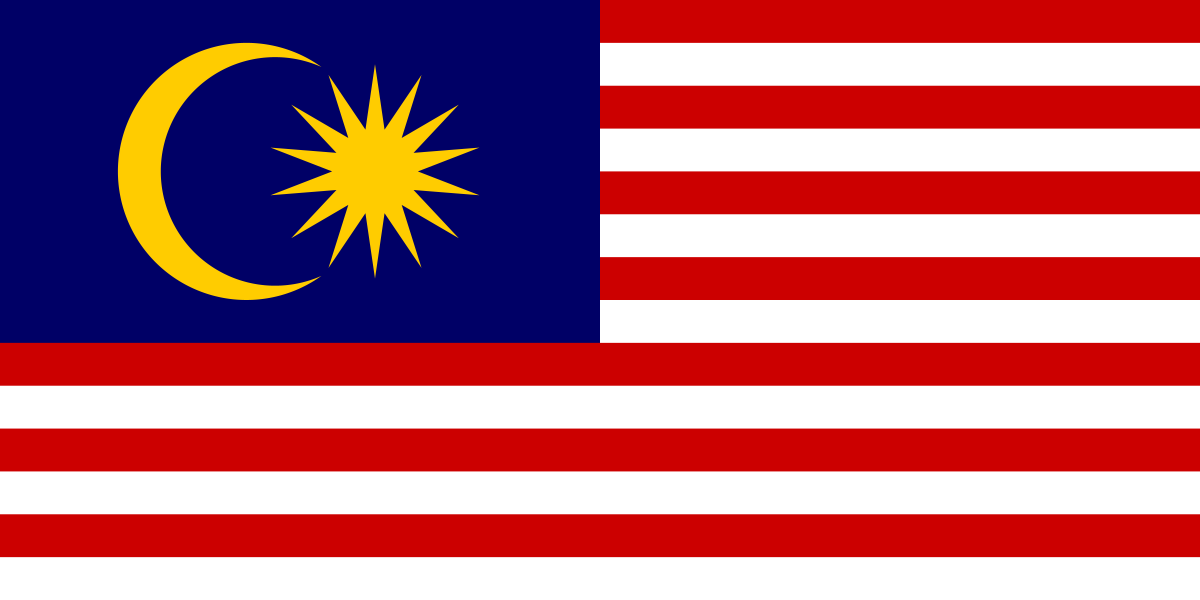
Malaysia
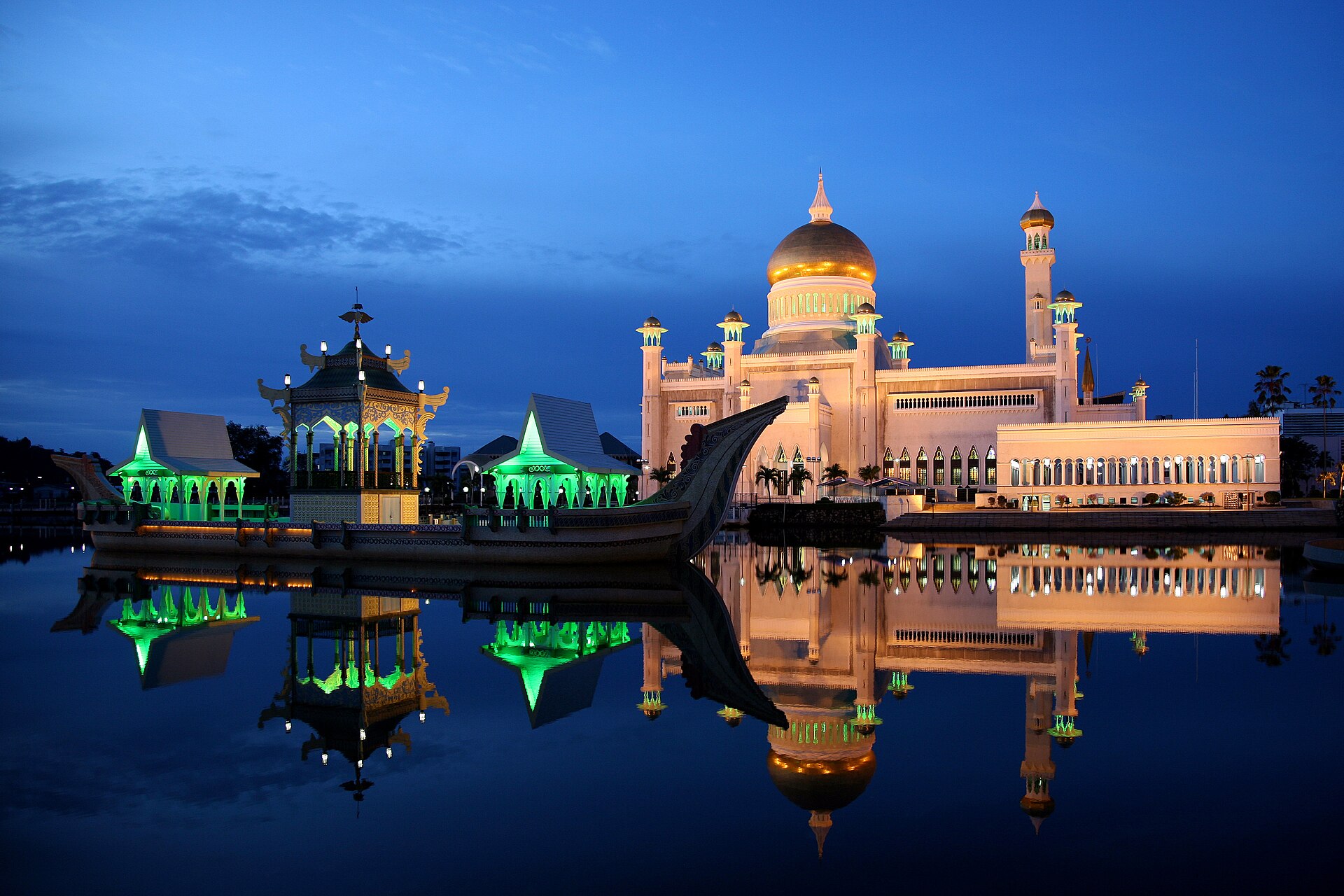
MYA country where all of Asia is shaken into one glorious cocktail: Malay mosques, Chinese temples, Indian shrines and British colonial buildings, the whole lot doused in the best street food in the world. The Petronas Towers, the jungles of Borneo, islands in turquoise water.
Where to go #
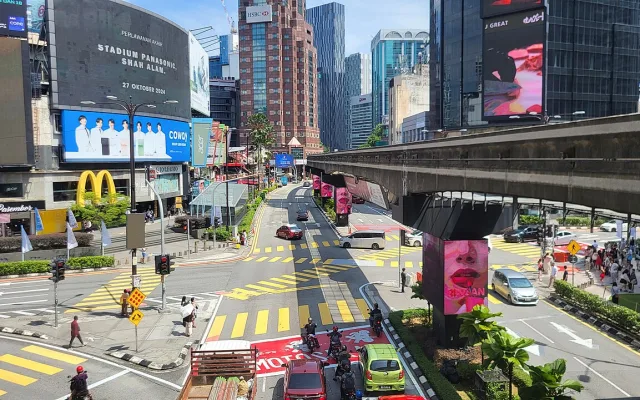
Kuala Lumpur
The Petronas Towers, Batu Caves, street food and the most affordable shopping in Asia.
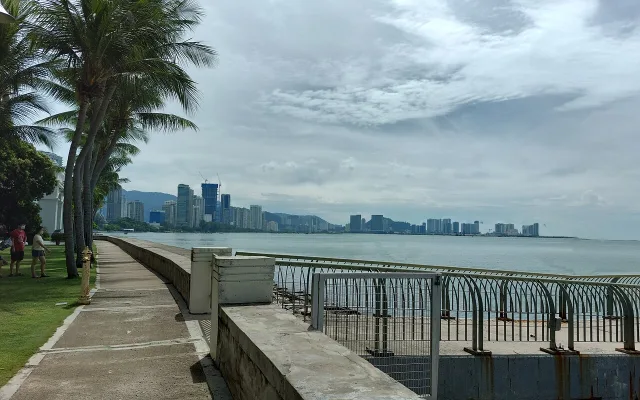
George Town
Penang's UNESCO-listed capital — street art, Straits shophouses and the best street food in Malaysia.
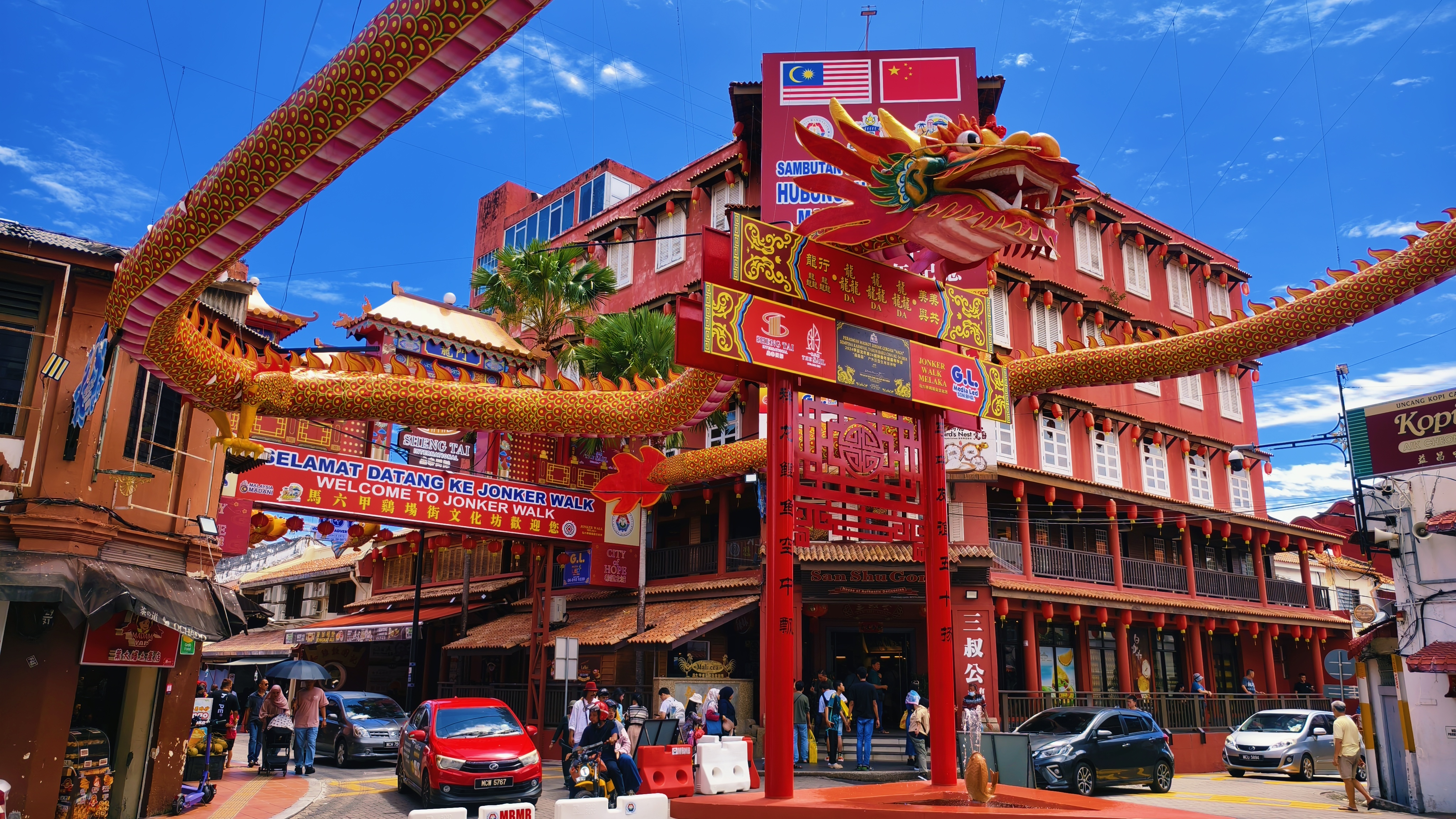
Malacca
UNESCO-listed port city — Dutch Square, the ruins of A Famosa and the Jonker Street night market.
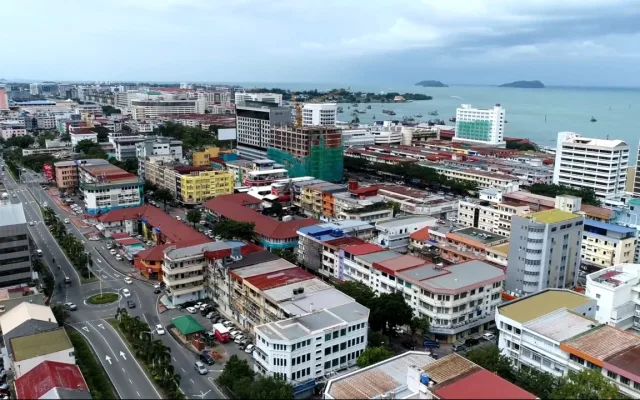
Kota Kinabalu
Capital of Sabah — the climb up Mount Kinabalu, the coral islands of the marine park and Borneo wildlife.
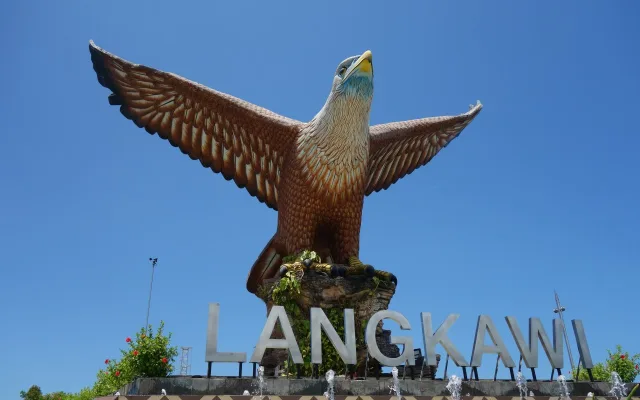
Langkawi
Malaysia's duty-free archipelago — Cenang beach, mangrove safaris and the cable car up Mount Mat Cincang.
What to see #
The Petronas Towers: the symbol of the capital, and best seen lit up at night. The 86th-floor observation deck is impressive, but tickets sell out a week ahead, so book online.
Batu Caves: the famous Hindu temple complex with its giant golden statue and rainbow staircase. It is an easy commuter train ride from central Kuala Lumpur and entry to the main cave is free.
George Town street art: hunting down Ernest Zacharevic's wall paintings turns into a proper quest through the narrow lanes. Download a mural map so you do not miss the ones hidden down alleys.
Mount Kinabalu: the highest peak in Southeast Asia, a two-day climb. It is a test of endurance requiring a guide and a hut booking made months in advance.
Tunku Abdul Rahman marine park: a cluster of islands off Kota Kinabalu where you can snorkel and swim in a day. Boats run regularly from the central jetty and it is the cheapest way to reach turquoise water.
Menara KL tower: the alternative to Petronas, with an open-air Sky Deck. No smeared glass in the way, and the glass box hanging over the drop delivers both adrenaline and the photograph.
Watch the monkeys: the macaques at Batu Caves and in the parks are bold and quick. They will take a bag, sunglasses or a phone straight out of your hand, so keep valuables zipped away.
Prices #
Currency: everything is priced in Malaysian ringgit, written RM or MYR. Roughly four and a half to the US dollar, which makes mental conversion easy once you settle in.
Cards: Visa and Mastercard are accepted in malls, hotels, chain restaurants and most cafes, and contactless is normal. Small shops, markets and hawker stalls remain cash only.
Exchange: the best rates are at licensed money changers inside the big shopping malls. At the airport change only what you need for the first hours, because the rate there is punishing.
Tipping: not customary, since tax and a service charge are usually already on the bill. Nobody expects anything extra in simple cafes or street eateries either.
Tourist tax: Malaysia charges a flat levy on hotel stays, usually ten ringgit per night, collected separately in cash at check-in.
| Item | Price (USD) |
|---|---|
| Street food | 1.5 - 3.5 |
| Food court lunch | 4.0 - 7.0 |
| Restaurant dinner | 12.0 - 20.0 |
| Beer in a bar (0.5) | 5.0 - 8.0 |
| Coffee | 2.5 - 4.5 |
| Bottle of water | 0.3 - 0.6 |
| Metro ride | 0.3 - 1.2 |
| Grab ride across town | 2.0 - 5.0 |
| Bus KL to Malacca | 2.5 - 3.5 |
| Train to Penang | 15.0 - 25.0 |
| Scooter hire per day | 7.0 - 10.0 |
| Hostel bed | 5.0 - 12.0 |
| Guesthouse night | 15.0 - 30.0 |
| Petronas ticket | 22.0 - 25.0 |
Getting around #
Getting there. Kuala Lumpur is one of Asia's great hubs, with nonstop flights from London, Dubai, Doha, Istanbul and most of Asia and Australia, and one-stop routings from North America. AirAsia makes hopping onward to Penang, Langkawi or Borneo absurdly cheap if you book ahead.
Grab. The single most important app on your phone here. Prices are fixed, payment goes on a linked card or in cash, and there is no haggling with drivers.
The KL metro. The LRT, MRT and monorail together cover almost the whole city. Trains are clean, air-conditioned and frequent, and single journeys are bought as blue tokens from station machines.
Intercity buses. A very comfortable way to cross the peninsula. Most departures from the capital leave from TBS terminal, which resembles a modern airport and is just as easy to navigate.
Fast trains. ETS services link the capital with Ipoh and Butterworth. They beat the buses on time and comfort, but popular dates should be booked a fortnight ahead.
Transport cards. If you are using the metro and buses a lot, buy a Touch 'n Go card. It works as an electronic wallet and is accepted in some shops too.
Go KL buses. The purple buses circling central Kuala Lumpur used to be free and now cost a token ringgit for visitors, which is still excellent value.
Where to stay #
Where to stay in KL. For a first visit choose Bukit Bintang. It is busy, close to the metro and the famous food street, and the choice runs from capsules to luxury suites.
Penang. In George Town, stay in one of the old colonial shophouses converted into boutique hotels. It adds real atmosphere and puts the street art within walking distance.
Condos. Renting apartments through the usual platforms is popular here. Thirty or forty dollars gets you a flat in a modern tower with a spectacular rooftop pool.
Guesthouses. Malacca and the islands are full of friendly family-run places. Conditions are often simple, but cleanliness and hospitality more than compensate and prices stay low.
Booking. Use the global platforms to compare, and note that a cash discount is sometimes available on arrival, especially if you are staying a week.
Deposits and plugs. Almost everywhere asks for a cash deposit or a card hold at check-in. Remember an adapter for the British type G sockets, which are used throughout the country.
Borneo. Accommodation there is often plainer and dearer than on the peninsula. Book Kota Kinabalu ahead, because the flow of visitors from elsewhere in Asia is heavy.
What to eat #
Nasi lemak. The national dish and the one to try first: fragrant coconut rice with anchovies, egg and hot sambal, eaten standing up on the street.
Mamak cafes. Round-the-clock places where the day never quite ends. Order roti canai and watch them make teh tarik, the tea pulled between two jugs.
Laksa. A spiced noodle soup that changes with every region. The Penang version is sour and fishy, while Sarawak's is creamy, and both are genuinely great.
Jalan Alor. The famous food street that wakes up after dark. Everything from satay skewers to exotic fruit, at slightly above normal prices.
Hawker centres. Food courts with dozens of stalls, and the best way to eat cheaply and safely, since turnover is huge and everything is cooked in front of you.
Durian. The king of fruit, with its notorious smell. Hotels ban it from the rooms, but try it once so you can form your own opinion.
Heat. Local food can be extremely spicy. If your stomach is not used to it, say "tak pedas" when ordering, though that does not always save you.
Safety #
The general picture. Malaysia is one of the calmest countries in the region for independent travel. Evening walks are comfortable and people readily help a lost visitor.
Bag snatching. The one real urban problem is thieves on motorbikes. Carry your bag on the building side rather than the road side, and never leave valuables on a cafe table.
Mosquitoes. In the jungle and national parks the main risk is dengue. Use repellent and cover up on forest walks, particularly at dawn and dusk.
Jellyfish. Some beaches, especially in the rainy season, get stinging jellyfish. Watch for warning signs and stay out when a red flag is flying.
Drug laws. Penalties are among the harshest in the world and include the death penalty. Never carry anything through a border for someone else and avoid dubious company entirely.
Monkeys. They look charming in photographs only. They bite when they smell food, so do not pet or tease them at popular sites.
Tap water. Do not drink it. Use bottled or boiled water even for brushing your teeth, which spares you a ruined week.
Etiquette and culture #
Religion. Islam is the state religion and shapes the rules. Cover legs and shoulders in mosques, where women are given a robe and headscarf at the door.
Many cultures at once. The country is remarkable for how Malays, Chinese and Indians live side by side. Mosques stand near Buddhist temples, and each community brings its own festivals to the calendar.
The right hand. The left hand is considered unclean. Greet, pass money and hand over food with the right hand only.
Shoes. Take them off before entering any temple, and often a private home or a small shop as well. Look for slippers by the door and follow what everyone else does.
Composure. Loud arguments and public displays of affection are frowned upon. Stay calm and smile, and you get far more help than you would otherwise.
Traffic. A British legacy means driving on the left. Look right first when crossing, or better, cross when the locals do.
Ramadan. During the fasting month, eating in public during daylight is discouraged out of respect, though restaurants in tourist areas stay open.
Connectivity #
English. It functions as the country's unofficial second language. Almost everyone in the cities speaks enough to help a traveller, so the language barrier is minimal.
Local SIM cards. Buy one at the airport or in any 7-Eleven. Hotlink and Celcom are the popular operators, with excellent unlimited data bundles for visitors.
eSIM. If your phone supports it, this is the tidiest route. Install a profile from Airalo or a similar provider before departure and you have data the moment you land.
Free Wi-Fi. Available in nearly every hotel, mall and cafe. For calling a Grab or following a map, though, your own mobile data is far more dependable, since public networks get congested.
Apps. Download Grab for transport and food delivery, plus offline maps. A translation app is useful if you head into remote villages in the Borneo states.
Sockets. Malaysia uses the British three-pin type G plug. If your adapter stayed at home, any hardware shop or supermarket sells one cheaply.
Roaming. Regional roaming deals are common in Asia, but for anyone from further afield a local SIM or eSIM is much cheaper than a daily roaming fee.
Phrasebook #
| English | Malay | Pronunciation |
|---|---|---|
| Hello | Helo | heh-LOH |
| Welcome | Selamat datang | seh-la-MAT DA-tang |
| Thank you | Terima kasih | teh-REE-ma KA-see |
| You're welcome | Sama-sama | SA-ma SA-ma |
| Yes / No | Ya / Tidak | ya / TEE-dak |
| How much? | Berapa? | beh-RA-pa? |
| Expensive | Mahal | ma-HAL |
| Can you go cheaper? | Boleh kurang? | BO-leh KOO-rang? |
| Delicious | Sedap | seh-DAP |
| Not spicy | Tak pedas | tak peh-DAS |
| Where is the toilet? | Tandas di mana? | TAN-das dee MA-na? |
| Help! | Tolong! | toh-LONG! |
| Sorry | Maaf | ma-AF |
| Good, fine | Baik | bike |
| Water | Air | AH-eer |
| The bill | Kira | KEE-ra |
| Boss (friendly address) | Bos | boss (slang) |
| Have you eaten? | Sudah makan? | SOO-dah MA-kan? |
| Mate, bro | Macha | MA-cha (slang) |
| Let's go and eat! | Jom makan! | jom MA-kan! (slang) |
Good to know #
The MDAC card. Every foreign visitor must complete the digital arrival card online at the immigration service's official site, within three days of arrival. Without it you can be stopped at check-in before you even fly, so save the QR code or confirmation email to your phone, and never pay a third-party site for it.
Passport validity. You need at least six full months remaining at the moment you cross the border, or the airline will refuse boarding.
Borneo formalities. Flying into Sabah or Sarawak means passing a second immigration check with its own stamp, although your permitted stay stays the same for the whole country.
Transport sites. EasyBook and BusOnlineTicket handle bus and ferry tickets online, which guarantees a seat and saves queuing in the heat.
Train bookings. The official railway site is ktmb.com.my, with real timetables for the fast services and no agent mark-up.
Grab. Indispensable for taxis and for having food delivered to a hotel. It works cleanly, prices are transparent and there is a built-in translator for messaging the driver.
Maps. Google Maps performs well here, including public transport routing in the capital. For Borneo, download offline maps as a backup.
Your embassy. Most countries have their mission in Kuala Lumpur, several along Jalan Ampang. Save the contact details before you travel in case documents go missing.