
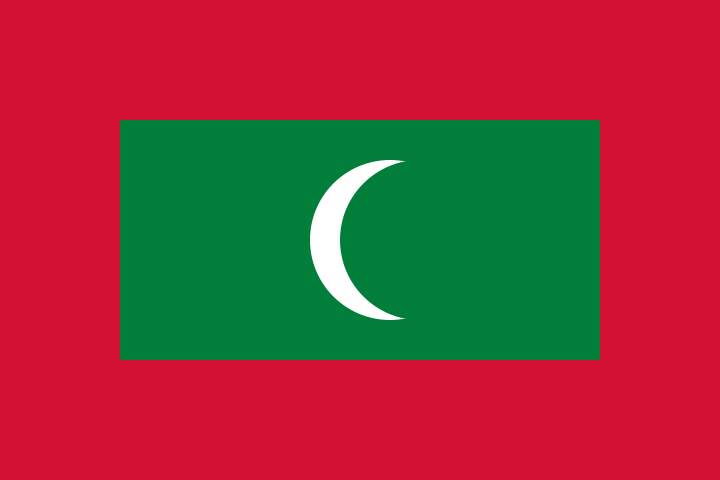
Maldives
MVAn archipelago of 1,192 coral islands strung along the equator in the Indian Ocean. The Maldives are turquoise lagoons, white sand, overwater villas on stilts and some of the finest reefs in the world for snorkelling and diving. Guesthouses on the local islands have been legal since 2009, so the country is no longer the preserve of millionaires. It is a Muslim state: strict rules apply on inhabited islands, and alcohol is served only on resort islands.
Where to go #
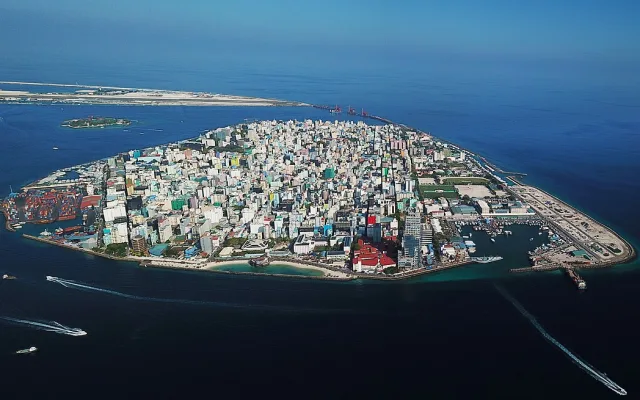
Male
The capital of the Maldives — a transit point and the gateway to the bungalows over the lagoon.
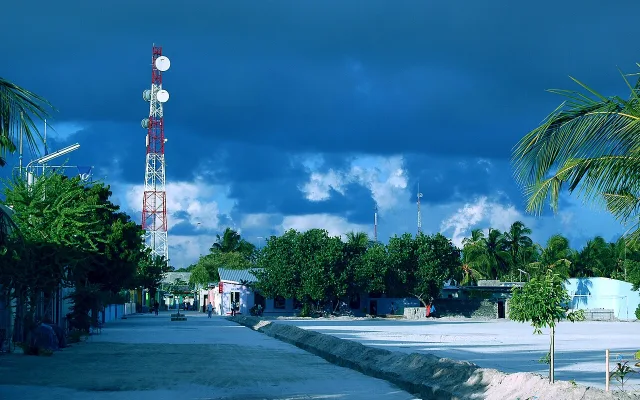
Maafushi
The Maldives' top budget island — guesthouses, sandbank excursions and snorkelling.
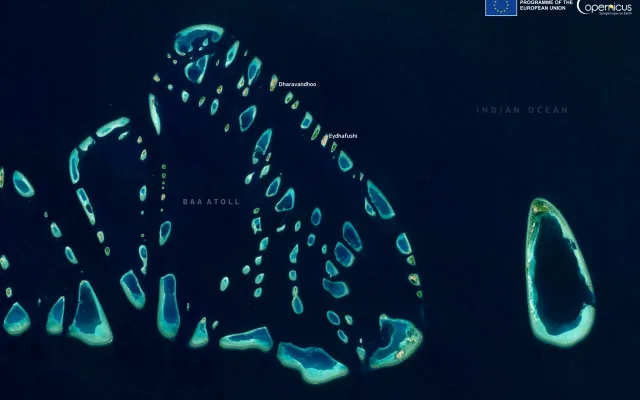
Baa Atoll
A UNESCO biosphere reserve — Hanifaru Bay, with manta rays and whale sharks in season.
What to see #
Swimming with giants: The best things to see in the Maldives are whale sharks and manta rays. Head to South Ari Atoll for year-round whale shark sightings or Baa Atoll during the Hanifaru Bay season. It is an unparalleled marine experience that you can access from local islands.
Sandbanks: These tiny islands of pure white sand are where to go for the perfect postcard photo. Most guesthouses offer boat trips to secluded banks for a private picnic. The massive sandbank at the tip of Dhigurah is particularly worth a trip for the stunning scenery.
Resort day trips: Can you do it in a day if you cannot afford to stay there? Many local islands offer day passes to nearby luxury resorts. These trips include lunch, drinks, and access to pools and bars, allowing you to enjoy resort facilities for a short time.
House reef snorkeling: You do not always need a boat to find amazing underwater life. Many islands like Ukulhas and Thoddoo have vibrant reefs you can reach directly from the beach. You might see sea turtles and reef sharks swimming just a few meters from the shore.
Night miracles: Looking for what to see after the sun goes down? Some beaches feature bioluminescent plankton that glows blue when disturbed by waves or footsteps. It creates a magical effect like a starry sky reflected in the water right at your feet.
Cultural heritage: The capital offers a peak into the local soul at the fish market and the old Hukuru Miskiy. Seeing the intricate coral carvings of the mosque is a highlight for history buffs. It is a stark contrast to the modern skyscrapers elsewhere in Malé.
Diving: Experienced divers should not miss the Vaavu channel for high-adrenaline drift dives. Local operators provide access to world-class sites for a much lower price than resort dive centers. It is a serious draw for anyone who wants to see large pelagic species.
Prices #
Currency: The Maldivian Rufiyaa is used for small local purchases, but US Dollars are preferred for guesthouses and boat tours. Ensure your bills are crisp and printed after 2009, as banks and shops will reject even slightly damaged notes.
Taxes: Budget for an extra 27% on almost every bill you receive. The standard add-on includes a 17% Tourism GST and a 10% service charge. These are mandatory and often not included in the initial prices you see online or on menus.
Fees: Every traveler pays a Green Tax of $6 per person per night at guesthouses. This fee is collected for environmental conservation and is added to your final hotel bill. It is $12 at resorts, so staying on local islands saves you half.
Payments: Most established hotels and dive shops accept credit cards, though a processing fee of 3.5% to 4.5% is common. Small cafés and shops are often cash-only. Using local ATMs is possible in Malé and larger islands like Maafushi.
| Item | Price (USD) |
|---|---|
| Dinner in a local cafe | 12 |
| Fresh coconut | 4 |
| Speedboat to Maafushi | 25 |
| Speedboat to Dhigurah | 80 |
| MTCC Public Ferry | 1.5 |
| Single fun dive | 60 |
| Whale shark tour | 80 |
| SIM card with data | 35 |
| Half-day snorkel trip | 45 |
| Bottle of water 1.5L | 1 |
| Mas Huni breakfast | 8 |
| Resort day pass | 120 |
| Kayak rental per hour | 15 |
| Souvenir magnet | 3 |
| Sunscreen SPF 50 | 20 |
Getting around #
Airport arrivals: Once you land at Velana, the easiest way into the capital is the 15-minute airport ferry. It runs every 20 minutes and drops you at the main terminal in Malé. From there, you can catch onward boats to your chosen island.
MTCC Public Ferries: These large wooden boats are the cheapest way to travel between atolls. They cost only a few dollars but move slowly and usually only run once a day on a fixed schedule. They are perfect for travelers who have plenty of time.
Shared speedboats: This is the standard choice for most independent travelers in 2026. These boats run multiple times a day to popular islands like Maafushi or Thoddoo. They are much faster than the public ferry and cost between $25 and $80.
Island hopping: Be aware that travel between atolls almost always requires a stop in Malé. Direct routes between different island groups are rare. You should plan your itinerary carefully to avoid spending entire days transiting through the capital city.
Friday schedules: Do not plan any travel for Fridays as the public ferry network shuts down completely. Most shared speedboats still operate, but their schedules may be limited. It is best to arrive or depart on a different day of the week.
Private charters: If you miss the scheduled boat, a private speedboat is your only fallback. These are expensive, starting at $150 for short trips and going up significantly for distant islands. Always confirm the meeting point with your guesthouse staff.
Navigation: Use the MTCC website or apps like WinMaldives to check the latest ferry timings. Schedules can change based on weather or local holidays. Confirming your boat time the night before with your hotel staff is a necessary precaution.
Where to stay #
Guesthouses: This is the backbone of budget travel here, with hundreds of options across the local islands. These properties are legally limited to 50 rooms, ensuring a more personal feel. They are clean, air-conditioned, and usually family-run operations.
Island vibe: Every inhabited island has its own personality, so research the beach and house reef before booking. Some are bustling with tourists, while others offer a quiet glimpse into Maldivian life. Your choice depends on your social preference.
Bikini Beaches: Because local islands are Muslim, swimwear is restricted to designated areas. These beaches are usually signposted and feature privacy fences. Always check that your chosen guesthouse is within a short walk of the bikini beach.
Transit stays: If your flight lands late, consider a night in Hulhumalé. It is connected to the airport by a bridge and offers affordable hotels. This is easier than crossing to Malé city with heavy luggage for a short stay before a morning ferry.
Taxes: When booking online, check if the price includes the 27% tax and the Green Tax. Some platforms show a low headline rate that balloons at checkout. An all-in price is better for comparing different properties and staying on budget.
Meal plans: Many guesthouses offer half-board or full-board options. This is a great choice on quieter islands with few independent restaurants. On Maafushi, however, breakfast-only gives you the freedom to explore the many local cafés and eateries.
Booking: Use sites that allow for independent booking and read recent reviews carefully. Look for mentions of staff helpfulness, as the guesthouse owners often act as your primary tour guides and transport fixers during your island stay.
What to eat #
Mas Huni: You must try the traditional breakfast of tuna, coconut, and onion mixed with lime. It is served with thin flatbreads called roshi. It is the most authentic and delicious way to start your day on any local island.
Local Cafes: Eating at small tea shops is where you find the best value. These establishments serve massive portions of fish curry, fried rice, and savory snacks. Note that pork is strictly forbidden and unavailable on local islands.
Fresh Fish: Grilled reef fish and tuna are the staples of any dinner menu. Most guesthouses can arrange a fresh catch for you if you ask in advance. The fish is usually caught the same day and cooked simply to preserve the natural flavor.
Fruit Bounty: If you visit Thoddoo, you will find some of the best watermelons and papayas in the region. You can often buy them directly from the local farms. It is a refreshing treat in the intense equatorial heat of the islands.
Water Safety: Never drink the tap water on the islands. Most guesthouses provide complimentary bottled water daily for their guests. You can also buy large jugs at local shops for about $1, which is much cheaper than individual small bottles.
Alcohol Workaround: Local islands are completely dry by law. If you want a drink, head to a floating bar boat anchored offshore. A small speedboat will take you to these safari boats where you can legally consume beer and cocktails.
Ramadan: If traveling during the holy month, be mindful that many local restaurants close during daylight hours. While tourist-facing guesthouses usually still serve meals, you should avoid eating or smoking in public to respect those who are fasting.
Safety #
Sun Protection: The sun at the equator is incredibly strong and will burn you even on cloudy days. Apply high-factor SPF 50 sunscreen every morning and wear a rash guard while snorkeling. A bad burn can easily ruin your entire island holiday.
Ocean Currents: Some house reefs have powerful currents that can pull you away from the island. Always ask locals about safe entry and exit points before you swim. Never snorkel alone and consider wearing fins to help you navigate the water.
Marine Life: Most sharks you see are harmless reef sharks, but you should never touch or feed any underwater creatures. Some fish and corals are venomous or can cause painful stings. Keep a respectful distance to ensure your safety and theirs.
Health Prep: While local islands have basic clinics, major issues require a trip to the capital. Make sure your travel insurance specifically covers water activities and speedboat transfers. It is worth checking that your policy is active before you fly.
IMUGA Form: You must fill out the digital health declaration on the IMUGA website within 96 hours of arrival and departure. It is a mandatory requirement that is checked at immigration. Keep a screenshot of the QR code on your phone for easy access.
Crime: Theft is rare on inhabited islands, but you should still exercise basic caution with your belongings. Use the safe in your room for passports and cash. Do not leave expensive cameras or wallets unattended on the beach while swimming.
Insect Repellent: Mosquitoes can be quite active on greener islands like Thoddoo, especially at dusk. Bring a good repellent to avoid itchy bites. Most guesthouses use nets or sprays, but having your own protection is always a smart idea for comfort.
Etiquette and culture #
Islamic Traditions: The Maldives is a conservative Muslim country, and religious laws are observed on all local islands. Respect the local culture by being mindful of your behavior and attire. This includes avoiding public displays of affection.
Modest Dress: When you are not on a designated bikini beach, you must keep your shoulders and knees covered. This applies to both men and women. A simple t-shirt and loose shorts are usually enough to follow the local dress etiquette.
Shoes: It is customary to remove your footwear before entering a home or a mosque. Look for a pile of sandals at the entrance as a sign. Many guesthouses and some shops also follow this rule to keep the interiors clean from sand.
Right Hand: When eating or shaking hands, always use your right hand. The left hand is traditionally considered unclean in many Islamic cultures. This is a small gesture that shows respect for local customs during your interactions with residents.
Friday Prayer: Friday is the holy day, and the islands slow down significantly. Shops and cafés often close for several hours during the midday prayer. Planning your errands for a different day will save you from finding everything shut.
Local Interaction: Maldivians are generally very friendly but can be reserved. Always ask for permission before taking photos of people, especially women. A simple greeting like "Salaam Alaikum" goes a long way in building rapport with the locals.
Alcohol Policy: Do not attempt to bring alcohol into the country. It will be confiscated at the airport and you could face a fine. Respect the dry status of the local islands and save your drinking for the licensed floating bars or resorts.
Connectivity #
Mobile Data: Staying connected is easy with a local tourist SIM card from Dhiraagu or Ooredoo. You can pick these up at the airport, but they are often cheaper at shops in Malé. Expect to pay around $35 for a generous data package.
eSIM Options: For convenience, many travelers prefer using an eSIM like Airalo. It is often cheaper than local physical sims and allows you to be online the moment you land. This is a great way to avoid long queues at the airport phone stalls.
WiFi Quality: Most guesthouses provide free WiFi, though the speed can be hit-or-miss. It is usually fine for messaging but might struggle with heavy video streaming. If you need to work remotely, having a local SIM as a backup is essential.
Language: Dhivehi is the national language, but English is spoken fluently by almost everyone in the tourism industry. You will have no trouble communicating in hotels, restaurants, or dive shops. It makes independent travel very straightforward.
Signal Strength: You will find reliable 4G coverage on most inhabited islands. However, signal strength can drop significantly when you are out at sea on a boat excursion. Download your maps for offline use before heading to remote sandbanks.
News and Info: Follow local travel blogs or social media groups for real-time updates on ferry schedules and weather. Local sites offer practical advice from fellow independent travelers who are currently on the ground in the atolls.
Phrasebook #
| English | Dhivehi | Pronunciation |
|---|---|---|
| Hello | Kihineh? | Ki-hi-NEH |
| Thank you | Shukuriyya | Shu-ku-REE-ya |
| How are you? | Haalu kihineh? | Haa-lu ki-hi-NEH |
| Fine | Rangalhu | Ran-GA-lu |
| Yes | Aan | AAN |
| No | Noon | NOON |
| Please | Adhen | Ed-HEN |
| Sorry | Maafukurun | Maa-fu-ku-RUN |
| How much? | Kihaavareh? | Ki-haa-va-REH |
| Too expensive | Baajehey | Baa-je-HEY |
| Very beautiful | Reethi | REE-ti |
| Tasty | Meeru | MEE-ru |
| Fish | Mas | MAS |
| Water | Fen | FEN |
| Island | Rah | RAH |
| Goodbye | Dhanyabaad | Dan-ya-BAAD |
| Tourist (slang) | Fathuruveriyaa | Fa-tu-ru-ve-REE-ya |
| Cafe / Tea shop | Hotaa | Ho-TAA |
| Flatbread | Roshi | RO-shi |
| Tuna breakfast | Mas huni | Mas-HU-ni |
Good to know #
IMUGA Portal: The most important digital step is filling out the traveler declaration on the official immigration website. It must be done twice: once before you arrive and once before you leave. There is no fee for this service on the official site.
MTCC Schedule: To save money, you need to master the public ferry timings. Use the MTCC website or the WinMaldives app to find the latest routes. These are the most accurate sources for budget travelers looking to avoid expensive private boats.
Packing List: Bring a high-quality rash guard for snorkeling to prevent sunburn and protect the reef. Reef-safe sunscreen is also a must to protect the fragile coral ecosystems. A dry bag is very useful for keeping your electronics safe during transfers.
Cash Strategy: While Malé has plenty of ATMs, some smaller islands might only have one or none at all. Withdraw enough Maldivian Rufiyaa in the capital for small meals and shops. Carry crisp USD bills for guesthouse payments and boat excursions.
Tipping: While not mandatory, leaving a small tip for boat crews and guesthouse staff is greatly appreciated. $5 to $10 is a generous amount for good service. It is a kind way to support the local community that makes your independent trip possible.
Island Checklist: Before you book, confirm the distance of the bikini beach from your hotel. Check if the island has a house reef accessible directly from the shore. Knowing these details in advance helps you choose the island that fits your personal goals.
Emergency: For any serious medical issues, the ADK Hospital in Malé is the primary facility in the country. Most islands have a local doctor for minor ailments. Always keep your insurance details handy and let your guesthouse know if you feel unwell.