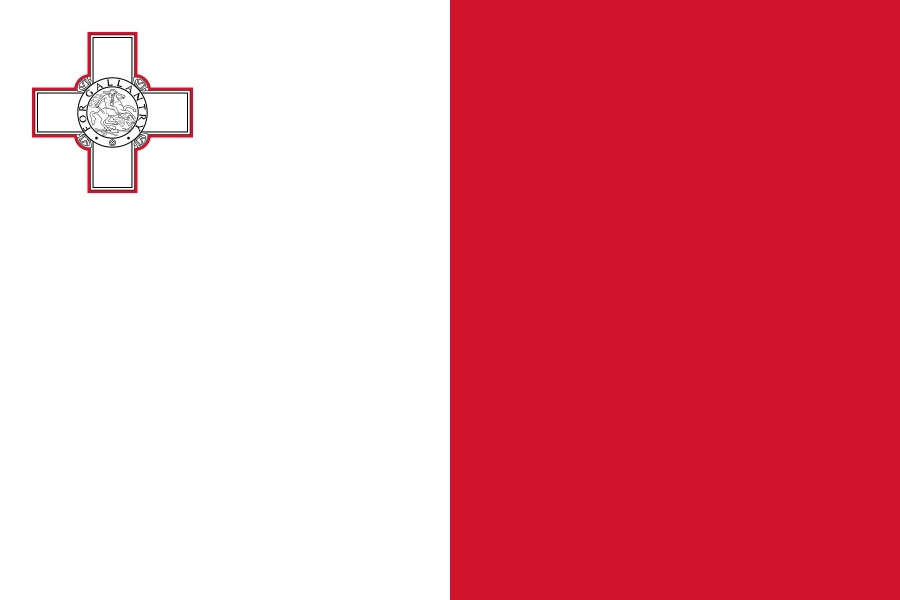
Malta
MTA tiny archipelago in the middle of the Mediterranean with thousands of years of history: megalithic temples older than the pyramids, the fortifications of the Knights of St John, baroque cathedrals and an azure sea. Valletta is the smallest capital in the EU and a UNESCO site in its entirety. Malta is one of the few places in Europe where English is an official language, which makes travelling here very easy. The island is small enough to drive round in a day.
Where to go #
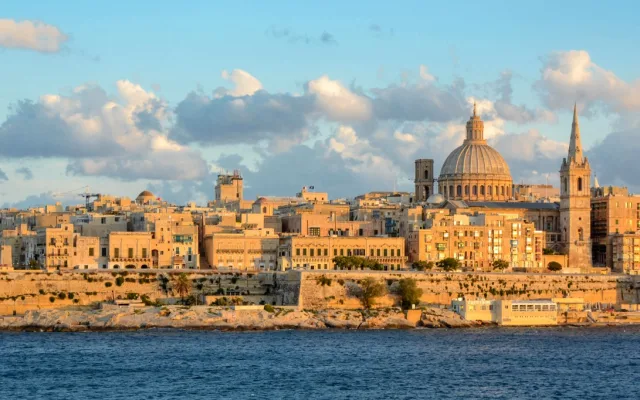
Valletta
The EU's smallest capital, with an extraordinary concentration of Baroque architecture, Knights' palaces and panoramic views over the Grand Harbour.
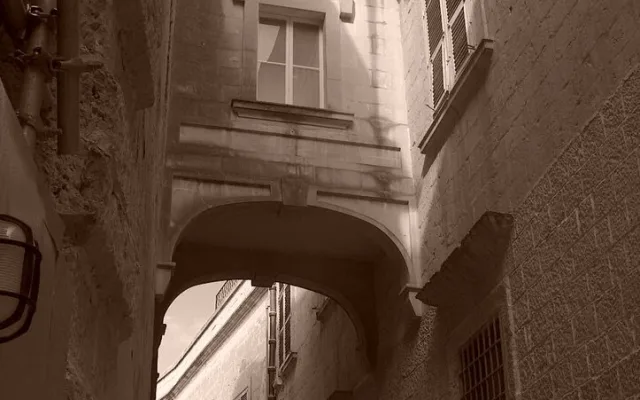
Mdina
The Silent City — Malta's ancient fortified former capital, with narrow lanes and sweeping views from the bastions.
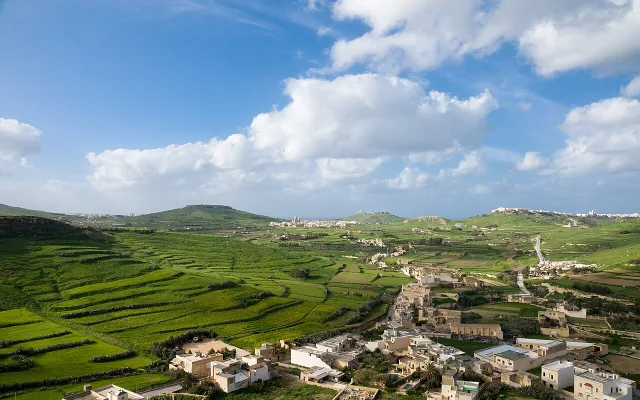
Victoria
The capital of Gozo island — a 16th-century citadel and idyllic villages.
What to see #
What to see: St John's Co-Cathedral in the capital is non-negotiable, purely for the gold interior. The plain facade hides two Caravaggios and a floor paved entirely with the marble tombstones of knights. Go in the morning and take the audio guide, or you will walk straight past the details of the painter's Malta years.
Can you do it in a day: Upper Barrakka Gardens give you the best free view over the Grand Harbour and the Three Cities. Every day at noon the saluting battery fires its cannon, a tradition kept alive for centuries. It is the obvious photo spot, so claim a place at the railing at least ten minutes before the shot.
Where to go: The megalithic temples of Hagar Qim and Mnajdra have stood on the southern cliffs for over five thousand years. They are older than the pyramids, and the setting right above the sea adds to the strangeness. Pair them with the Blue Grotto, which is about ten minutes away by bus.
Worth a trip: The Hal Saflieni Hypogeum is a prehistoric underground temple and burial complex cut straight into the rock. Entry is capped at eighty people a day, so book on the official site roughly two months ahead. Nobody comes out of it calling the place overrated; it is the single most striking site on the archipelago.
Clear water: The Blue Lagoon on Comino looks unreal in photographs and is packed with people in reality. To get the colour without the crowd, take the first boat out of Cirkewwa at eight in the morning. Arrive at midday instead and you get a noisy rock-party rather than a swim.
Sea caves: The Blue Grotto is best seen from a small boat while the sun is still lighting the water from the right angle. If the sea is rough the boats stay in and you are left with the clifftop viewpoint. Morning light before noon makes the turquoise reflections inside the caves as bright as they get.
Hidden corners: The Lascaris War Rooms are buried deep in Valletta's bastions and preserve the Allied command centre from the war. Most visitors skip them in favour of the grand halls, which is a shame, because the atmosphere is every bit as strong as in the forts. The maps and equipment used to plan operations are still in place.
Prices #
Currency: Malta uses the euro, and you will still want cash on you. Small cafes, dghajsa boatmen and back-street pastizzerias often take coins only, so keep a stock of fives and tens for snacks and short rides.
Cards: Visa and Mastercard are accepted almost everywhere, from supermarkets to bus fares tapped straight on the reader. American Express is patchy outside hotels and larger restaurants, so do not make it your only card. ATMs are plentiful in Sliema and Valletta; decline the machine's own conversion offer and let your bank convert. Wise and Revolut work fine here and save you the worst of the exchange spreads.
Tipping: Around ten per cent is normal in restaurants when service is not already on the bill. Read the receipt first, because a service charge is sometimes added for you. In taxis and small coffee bars rounding up is plenty.
Bargaining: Haggling is not a thing in markets or souvenir shops, where prices are simply fixed. The one exception is a private boat trip if you are chartering the whole vessel. Otherwise this is a European country with clear price lists in every official venue and museum.
Budget: Expect around fifty euro a day for food and transport before accommodation. Local street food and a weekly travel card bring that down fast. Budget separately for the Hypogeum and the Co-Cathedral, because the headline sites charge properly for entry.
| Item | Price (USD) |
|---|---|
| Pastizz | 0.55 |
| Cappuccino | 3.20 |
| Cisk beer (0.5l) | 4.30 |
| Cafe lunch | 16.00 |
| Dinner with wine | 38.00 |
| Kinnie soft drink | 2.50 |
| Single bus ride | 2.15 |
| 12-journey card | 20.00 |
| 7-day unlimited card | 27.00 |
| Gozo ferry | 5.10 |
| Fast ferry | 9.20 |
| Co-Cathedral ticket | 16.00 |
| Hypogeum entry | 38.00 |
| Blue Grotto boat | 8.80 |
| Prepaid SIM card | 11.00 |
Getting around #
Buses: The bus network is the only land transport that reaches every village and beach on the islands. Buy the seven-day Tallinja Explore card, which is unlimited and pays for itself after about ten rides. Treat the timetable as a suggestion, and be aware that a full bus will sail past your stop without slowing down.
Ferries: Small passenger boats link Valletta, Sliema and the Three Cities and save an absurd amount of time. It is far more pleasant than crawling around the harbour by road in traffic. Pay contactless or in cash to the deckhand as you board.
Getting to Gozo: The main car ferry leaves Cirkewwa every forty minutes and takes about half an hour. You only pay on the way back, when leaving Gozo for Malta. Since 2026 there are also fast passenger routes from Sliema and Bugibba, which suit foot passengers travelling without a car.
Taxis: Bolt works flawlessly here and costs sensible money for short hops. Airport to the capital runs around twenty euro and takes under half an hour. It is a lifesaver in the heat or late at night, when night buses are rare and slow.
Car rental: Malta drives on the left, the lanes are very narrow and parking is permanently scarce. Between towns a car is more burden than benefit, but for the wild beaches of Gozo it is hard to replace. If you do rent, take the smallest model on the lot so you can squeeze through the stone lanes.
Dghajsa boats: The traditional dghajsa still works as a water taxi across the Grand Harbour. A couple of euro gets you from Valletta to Birgu, and it beats every other option for atmosphere. It is not just transport, it is the one angle from which the fortifications really make sense.
Where to stay #
Where to stay: Sliema and Gzira strike the best balance between price and logistics. There are plenty of apartments and modern blocks, and buses or ferries get you anywhere on the island. Evenings are pleasant along the promenade, where most of the cheaper places to eat are concentrated.
Atmosphere: Sleeping inside Valletta costs more but gives you the odd pleasure of living in a fortress city. Look for boutique places in restored palazzi with high ceilings and bare stone walls. Remember that many streets are pedestrian only, so you will be hauling your suitcase up stone steps yourself.
Quiet: Gozo is the place to switch off for a few days, well away from construction noise. Converted farmhouses with private pools are the classic choice there. It works especially well for groups who want to explore at a slow pace and look at fields rather than cranes.
Saving money: The cheapest rates sit around St Paul's Bay and Bugibba. These are standard resort strips with lots of inexpensive apartments, though you are about an hour from the historic sites. In exchange you get beaches on the doorstep and a wide choice of boat trips to Comino.
Things to check: Old Maltese houses can be damp in winter and brutally hot in summer because of the way the limestone behaves. Always confirm air conditioning in the listing, or sleep will become an endurance event. Note also the British type G sockets, which means an adapter for your chargers.
Booking: Book early rather than cleverly. Prices roughly double in July and August, so summer stays are worth locking in six months out. Shoulder season in May or October gets you the same apartment for far less, with sea temperatures still perfectly swimmable.
What to eat #
Street food: Pastizzi are the national pride, flaky pastry parcels filled with ricotta or mushy peas and sold for small change. Tiny shops called pastizzerias sell them on almost every corner, and it is the most honest quick meal on the islands. The legendary ones come out of Crystal Palace in Rabat, where there is always a queue of locals.
Drinks: Kinnie, the local soft drink made from bitter oranges and herbs, has to be tried at least once. The taste is odd, somewhere near a non-alcoholic Campari, but in the heat it refreshes better than any cola. Cisk is the local lager, light and easy, and it goes perfectly with fish on the waterfront.
The main dish: Fenek, Maltese rabbit stewed in wine with garlic and herbs, is the summit of the local kitchen. Nearly every traditional restaurant serves it and the portion is usually enormous. It often comes in two courses, with the stewing juices used as a sauce for pasta first.
Baking: Ftira is the Maltese answer to pizza, built on crisp bread dough with tuna, capers, olives and tomatoes. On Gozo it comes out of wood-fired ovens and belongs on any food itinerary. It is filling enough to carry off as a picnic on the cliffs.
Fish: For fresh seafood head to Marsaxlokk, ideally on a Sunday. Restaurants there serve lampuki, a seasonal fish caught between August and November. Outside that window order the catch of the day, but be ready for fresh fish to be priced per hundred grams on the menu.
Desserts: Sicilian influence brought cannoli to the islands, crisp tubes filled with sweet ricotta cream. Valletta's pastry shops still make them the classic way, sometimes with pistachio or chocolate. Coffee is strong and properly made, and the local habit is to drink it slowly while watching the square.
Safety #
Overall: Malta is one of the calmer countries in Europe and walking at night is genuinely fine. Violent crime is rare and locals are warm towards visitors. That said, keep an eye on pockets and bags in crowded spots like the main bus terminus.
Sun: The real hazard here is the ultraviolet, especially from June to September. Twenty minutes on the bastions will burn you even under cloud. Use factor fifty, wear a hat and carry more drinking water than you think you need.
Driving: If you rent, remember the left-hand traffic and the very expressive local driving style. Many roads are too narrow for two cars, so somebody has to reverse. Never park on yellow lines; the fine and the tow truck are guaranteed.
Sea: Swimming off rocky shores calls for caution because of currents and jellyfish. Check the flags at official beaches and take lifeguard warnings seriously. In some coves the only way in is down slippery stone steps, and getting back out is the harder half.
Health: Medical care is excellent and the main hospital, Mater Dei, is thoroughly modern. Make sure your travel policy covers diving if you plan to dive, otherwise the bills get eye-watering. Tap water is desalinated and safe but tastes poor, so most people buy bottled. It is also worth checking your own government's travel advisory before you fly.
Festas: Summer village feasts come with enormous fireworks launched from within residential streets. It is spectacular and also very loud and dusty. Keep a sensible distance from the launch sites and protect your hearing, because the Maltese love a deafening bang.
Etiquette and culture #
Religion: Catholicism runs through everything here; the islands count three hundred and sixty-five churches, one for each day of the year. Sunday mass matters, and village feasts for patron saints run for days. Treat all of it with respect, because it is the backbone of local identity.
Dress code: Shoulders and knees must be covered inside churches, for everyone. The main cathedrals hand out cover-ups at the door, but a light scarf in your bag is easier. Swimwear and very short shorts belong on the beach; in town they read as bad manners.
Languages: Maltese and English are both official, and English is spoken by absolutely everyone, so you will never be stuck. Maltese itself is unique, an Arabic dialect written in the Latin alphabet with heavy Italian borrowing. Menus, road signs and museum labels are all in English too.
Knightly heritage: The Order of St John is still felt in the architecture of every fort and palace. The eight-pointed cross turns up everywhere, from door handles to souvenirs and coins. The Great Siege of 1565 remains the central point of national pride.
Pace: Maltese people are in no hurry and you are better off matching them. Restaurant service can be slow and buses arrive when they arrive; that is part of the deal. Sit in a cafe, watch the street, and drop the idea of ticking off sights against a stopwatch.
Sundays: Towns go quiet, and plenty of shops and pharmacies simply close. Locals spend the day with family over long lunches or at church. Buy what you need in advance, since even in tourist areas only souvenir shops and chain supermarkets stay open.
Connectivity #
SIM cards: Three operators cover the islands: GO, Melita and Epic. Prepaid cards are sold at the airport and in any branded shop in Sliema or Valletta. A week's package with data runs around ten euro, and you will normally be asked for your passport.
eSIM: If your phone supports it, an eSIM from Airalo or a similar provider is the least painful option and works from the moment you land. It saves the queue at the airport shop and keeps your home number active for messages. Compare it against a local prepaid card if you are staying more than a week, since local plans are cheap.
Internet: Connectivity is genuinely good across the whole archipelago and nothing is blocked or filtered. 4G and 5G hold up even in remote corners of Gozo. Maps, navigation and messaging work everywhere along a normal route.
Free Wi-Fi: There are hotspots on buses, in main squares and in public buildings. Almost every cafe and hotel offers guest internet, with the password printed in the menu or stuck to the counter. It saves data, though for navigation a stable mobile signal is better.
Apps: Install Tallinja for real-time bus tracking and route planning. Bolt covers taxis, and Google Maps knows every footpath and staircase in Valletta. Between the three of them, getting around independently becomes straightforward.
Sockets: Malta uses the three-pin British type G socket at two hundred and thirty volts. Adapters cost a couple of euro in any hardware or souvenir shop. Modern hotels often have USB ports built into the bedside, but bring your own adapter anyway.
Phrasebook #
| English | Maltese | Pronunciation |
|---|---|---|
| Hello / Good morning | Bonġu | BON-joo |
| Good evening | Bonswa | bon-SWAH |
| Thank you | Grazzi | GRAT-tsee |
| Please | Jekk jogħġbok | yek YOJ-bok |
| Yes | Iva | EE-va |
| No | Le | leh |
| How much is it? | Kemm jiswa? | kem YIS-wa |
| Where is...? | Fejn hu...? | fayn oo |
| Water | Ilma | EEL-ma |
| Beer | Birra | BEER-ra |
| The bill, please | Il-kont | il-KONT |
| Help! | Għajnuna! | ai-NOO-na |
| Sorry / Excuse me | Skużani | skoo-ZAH-nee |
| Goodbye | Saħħa | SAH-ha |
| Good / OK | Tajjeb | TIE-yeb |
| Bread | Ħobż | hobz |
| Tasty | Bnin | b'NEEN |
| Well then... (slang filler) | Mela | MEH-la |
| Beautiful | Sabiħ | sa-BEEH |
| Cheers! | Evviva! | ev-VEE-va |
Good to know #
Booking ahead: The Hal Saflieni Hypogeum has to be reserved about two months in advance at heritagemalta.org. It is the only prehistoric underground temple of its kind anywhere, and you cannot talk your way in without a ticket. If you miss the window, check last-minute releases at the Valletta ticket desks, but do not count on it.
Museums: Buy a Heritage Malta multipass if you plan on more than three archaeological sites or forts. It saves real money and lets you skip some queues. You can pick one up at any state museum, including the National Museum of Archaeology in Valletta.
Documents: Note down your own embassy or consulate contact details before you travel, and keep a photo of your passport in your phone and in cloud storage. Most missions covering Malta sit in or around the capital and work weekdays only. It costs nothing to prepare and saves a bad day if a passport goes missing.
Transport info: tallinja.com is the reference site for bus fares and routes, including night services and airport expresses. Current ferry timetables for Gozo and Comino live at gozochannel.com. Check both before leaving your hotel, since services change with the season.
Info centres: Tourist offices at the airport and by the Valletta city gate hand out free paper maps and leaflets. Staff can tell you which villages have a festa coming up. That is genuinely useful, because local events do not always make it online in time.
Shopping: Maltese glass from the Ta' Qali crafts village is the best souvenir on the islands, and you can watch vases and figurines being blown. Silver filigree is the other classic buy. Local honey is worth a jar too; the wild herbs give it a reputation as some of the most fragrant in the Mediterranean.