
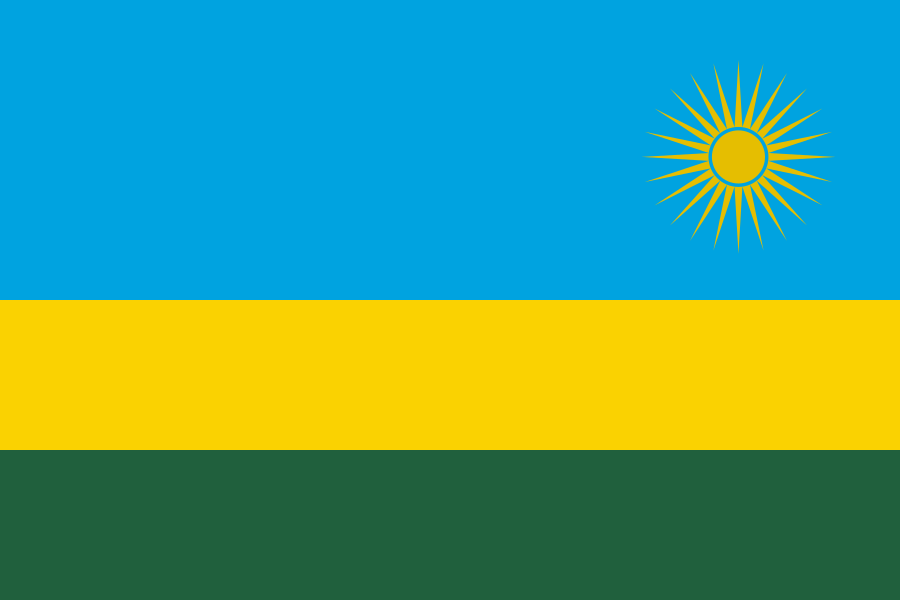
Rwanda
The land of a thousand hills at the heart of Africa, and a symbol of extraordinary recovery: thirty years after the genocide, Rwanda is one of the cleanest, safest and fastest-growing countries on the continent. Its great treasure is the mountain gorillas of Volcanoes National Park, which draw visitors from around the world. Kigali surprises with its order and cleanliness — plastic bags have been banned since 2008 — and the mild highland climate makes travel comfortable all year.
Where to go
#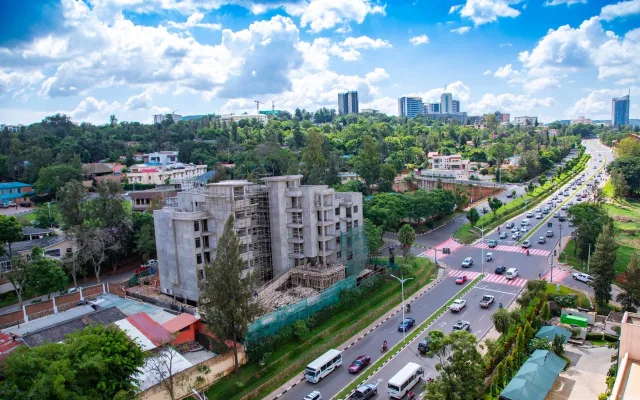
Kigali
The cleanest capital in Africa — the genocide memorial, modern infrastructure and the starting point for gorilla trekking.
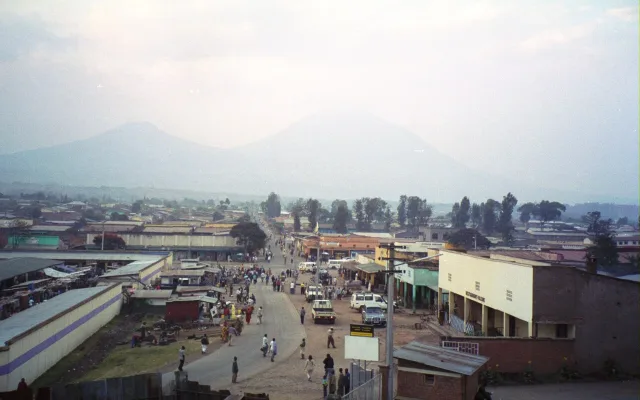
Musanze
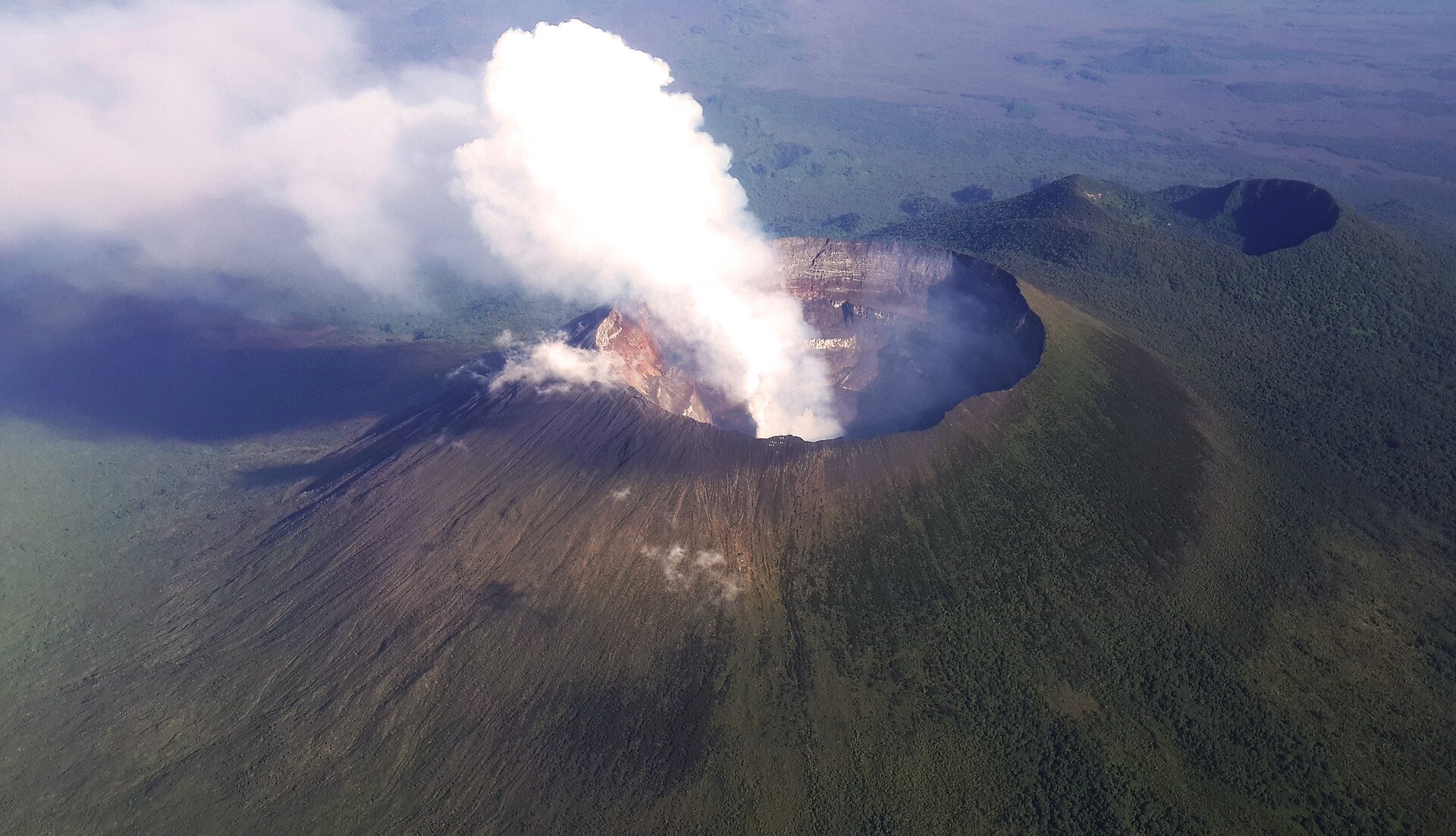
The base for mountain gorilla trekking in the Virunga volcanoes — Volcanoes National Park and untouched landscapes.
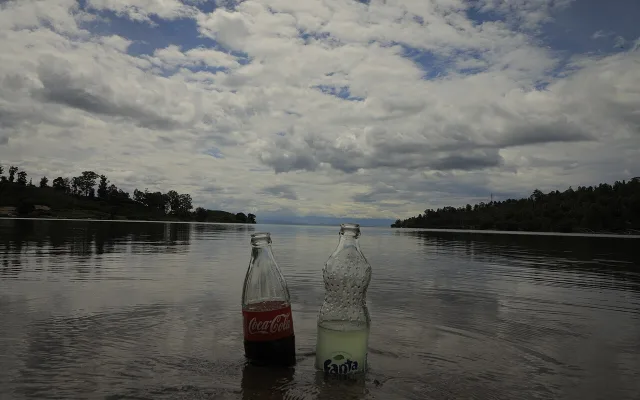
Gisenyi
A resort town on the shore of Lake Kivu by the border with the DR Congo — beaches and hot springs.
What to see
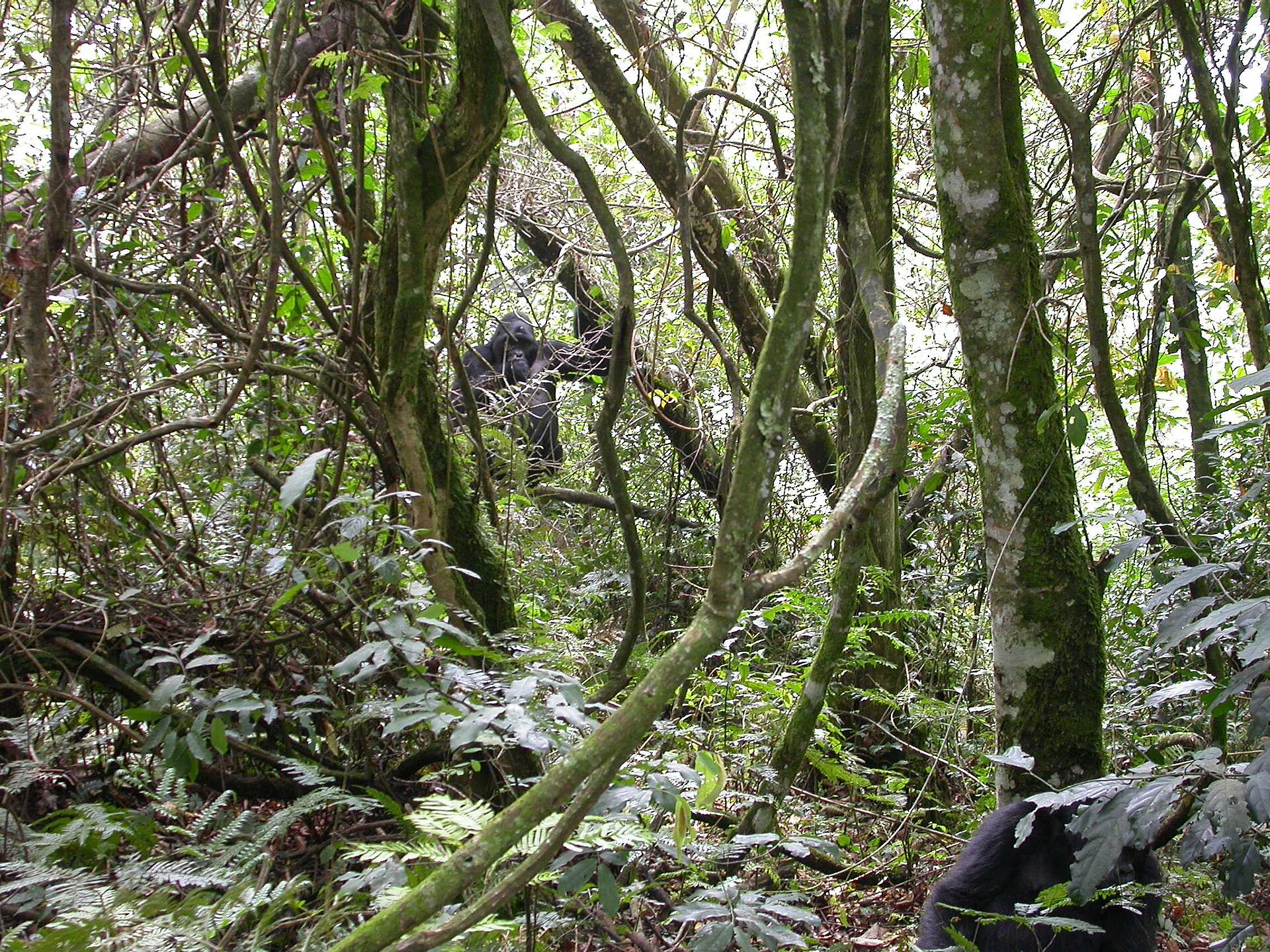
#Mountain gorillas: The most expensive and most coveted thing you can do here, and the single reason many people come at all. A permit costs 1,500 USD and needs booking several months before you fly, because the daily quota is tiny.
Golden monkeys: If gorillas are out of budget, you can see the rare golden monkeys and be back down by lunchtime. The hike is far easier physically and the permit runs around a hundred dollars.
Genocide Memorial: Visiting this museum in Kigali matters if you want to understand what the country has come through. The exhibition is heavy going, but modern Rwanda makes very little sense without it.
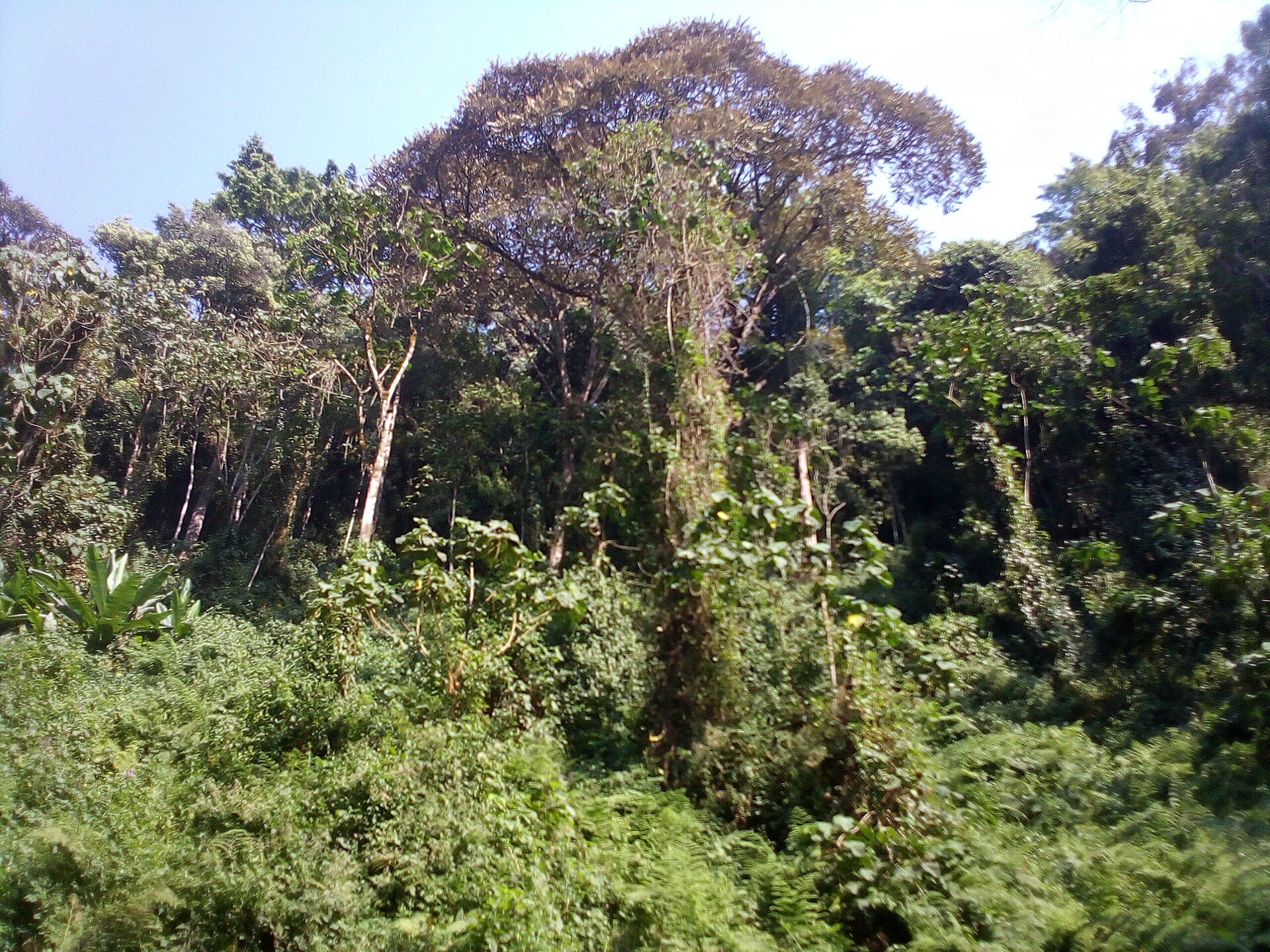
Nyungwe Forest: If jungle is what you came for, head south into the rainforest. There is a canopy walkway strung 60 metres above the valley floor, with chimpanzees and colobus monkeys in the trees below.
Lake Kivu: What to see in the west is the lake itself, a huge sheet of water with no crocodiles in it. Swim, take a kayak out, or simply watch the sun go down from a terrace with a beer.
Akagera safari: For classic savannah with giraffe and hippo, go east instead. The park is compact enough that you can realistically cover it in one full day of driving, which makes it an easy add-on.
Prices
#Currency: The Rwandan franc is what you actually spend, and it pays to always have some on you. The rate moves around, but one US dollar usually gets you about 1,460 francs.
Exchange: Change cash at banks or the official bureaux in Kigali, where the rates are honest. Bring crisp dollars only, since notes printed before 2006 are often refused outright, and USD converts better here than euros.
Cards: In the capital, Visa and Mastercard work at bigger hotels and restaurants, but outside the city plastic is close to useless. Visa is accepted more widely than Mastercard, Amex almost nowhere, and terminals dropping their connection is routine.
Withdrawals: Bank ATMs in Kigali dispense francs on foreign cards, but each withdrawal carries a fee, so take larger amounts less often. A Wise or Revolut card keeps the conversion spread down and is worth setting up before you travel.
Mobile money and tipping: The genuinely useful local payment method is MTN MoMo, accepted even by market stalls, and you top it up with any street agent. In cafes leave around 10% if the service was good, and porters at bus stations will expect a small something too.
| Item | Price (USD) |
|---|---|
| Dinner for two | 25 |
| Mutzig beer | 1.5 |
| Moto-taxi ride | 1 |
| Buffet lunch | 4 |
| Cup of coffee | 3 |
| Gorilla permit | 1500 |
| National park entry | 50 |
| Intercity bus ticket | 3 |
| 4x4 hire per day | 80 |
| Bottle of water | 0.4 |
| Litre of petrol | 1.2 |
| Chimpanzee trekking | 90 |
| SIM card | 0.5 |
| Pineapple at the market | 1 |
Getting around
#Between towns: Coaches run by Ritco or Volcano Express are comfortable and cheap for getting around the country. They leave strictly to timetable, and tickets are sold at counters inside the bus stations rather than on board.
Moto-taxis: The fastest way to move anywhere, with green-jacketed riders waiting on every corner. A hop costs pennies, but always put the helmet on, because the police genuinely check for it.
City buses: Kigali runs modern buses that only accept the Tap&Go card, with no cash option at all. You buy and top up the card from conductors or at street kiosks.
Car hire: For the national parks take a 4x4, because the dirt access roads can turn nasty after rain. Driving is on the right, the tarmac is generally excellent, and the mountain sections are all hairpins.
Taxis: If the motorbikes feel too exposed, order a car through the Yego or Move app. You get a fixed price up front and skip the haggling entirely.
Airport: An official taxi into the centre of the capital costs 15-20 USD. With light luggage, walk out past the gates and flag a moto instead, which works out roughly five times cheaper.
Where to stay
#Guesthouses: Small private guesthouses are the sweet spot for anyone travelling independently. For 20-30 USD you get a clean room with hot water and, more often than not, a simple breakfast thrown in.
Dorm beds: The cheapest option is a bunk in one of the backpacker places in Kigali or Musanze. It is also the easiest way to meet other travellers and split the cost of a car to the parks.
Booking: The usual booking sites list only a fraction of what exists, especially out in the provinces. Sometimes it is simpler to turn up and ask locals or a taxi driver where to sleep.
Check the room: Make sure there is a mosquito net over the bed before you agree to stay. Malaria is present in the region, and a decent net is the cheapest health insurance you will ever buy.
Lodges: Luxury lodges cluster around the national park gates and their prices bite hard. On a tighter budget, stay in the nearest town and drive out to your activities in the morning.
Where to stay in Kigali: Kiyovu and Kimihurura are the pick, both safe, walkable and full of cafes. Avoid the outer suburbs unless you enjoy spending an hour getting into the centre.
What to eat
#Brochettes: Charcoal-grilled goat skewers are the undisputed hit of the local street food scene. They turn up everywhere from roadside shacks to proper restaurants, usually with grilled plantain alongside.
Local buffet: At lunchtime look for the Buffet signs, where a fixed price buys you a mountain of food. Expect rice, beans, potatoes and isombe, the cassava-leaf stew, piled onto one plate.
Fish: On Lake Kivu order tilapia, or sambaza, the tiny lake fish. Sambaza are deep-fried until they crunch and are the perfect thing to eat with a cold beer by the water.
Coffee: The country is famous for its arabica, which makes wandering into a town coffee shop a real pleasure. The cup is rich and dark, and a freshly brewed one costs very little.
Shops: Full-size supermarkets are scarce even in the capital and the shelves are often thin. For fruit and fresh produce head to the markets, where everything tastes better and costs a fraction of the price.
Drinks: Try ikuranga, a thick banana juice that is filling enough to count as a meal in itself. For alcohol, Mutzig and Primus are the local beers, alongside a fierce home-brewed banana spirit.
Safety
#Overall: This is one of the safest countries on the continent, and walking around after dark is entirely normal. Police patrol the streets around the clock and the order they keep is genuinely exceptional.
Plastic bags: Polythene bags are banned outright and get confiscated right at the border. Pack paper or reusable bags so you are not arguing about a fine before you have even left the airport.
Health: The real risk is malarial mosquitoes, particularly in the low ground near the lakes. Use repellent and talk to a travel doctor about prophylactic tablets well before you go.
Water: Never drink from the tap, and buy bottled water with the seal intact. Use purified water for brushing your teeth too rather than gamble with the rest of your trip.
Roads: Be careful on moto-taxis, because some riders take the corners far harder than they should. Check that the helmet strap is properly fastened under your chin every single time.
Umuganda: On the last Saturday of the month everything stops until midday for community work. Transport does not run and shops stay shut while the whole neighbourhood turns out to clean up.
Advisories: Nothing here is politically tense for visitors, but it is still worth checking your own government's travel advisory before booking, particularly for the areas along the western border.
Etiquette and culture
#One people: Modern Rwanda does not divide people by ethnicity after the tragedy of the past. Avoid asking anyone about their background, because the question lands very badly indeed.
Manners: Rwandans are reserved and extremely well-mannered, and quiet speech is what gets respect. Greetings mean a firm handshake, often with both hands as a mark of particular regard.
Cleanliness: People take real pride in the state of the streets, so dropping litter will earn you glares at the very least. Respect the collective effort that keeps public space this spotless.
Photography: Always ask before pointing a camera at a person or their shop. Photographing government buildings, bridges and military personnel is flatly forbidden and taken seriously.
Dress: Cities are relaxed about clothing, but leave the shorts for the lakeshore. Cover shoulders and knees for churches and for village visits if you want a warm reception.
Umuganda: The tradition of communal work binds the country together and visibly pushes it forward. If you see people out with shovels on a Saturday morning, that is what is happening.
Connectivity
#SIM cards: You can buy a local SIM at the airport, where MTN and Airtel dominate the market. Registration requires your passport and includes having your fingerprints taken.
Mobile data: 4G works well in Kigali and the larger towns, though the signal disappears in the mountains. Data bundles are cheap and activate through short codes dialled from the keypad.
eSIM: If your phone supports it, an eSIM from Airalo or a similar provider saves hunting for a shop. You are online the moment you switch your phone back on after landing.
English: English is an official language and is widely spoken in the capital, in hotels and by younger Rwandans. Menus and road signs are usually in English, French still helps with older people, and a few words of Kinyarwanda open doors anywhere.
Messaging: Use WhatsApp for guides, drivers and guesthouse owners. It is the main channel in the country, and people answer messages far more readily than they answer calls.
Wi-Fi: Almost every hotel and modern Kigali cafe has free Wi-Fi. It is usually fine for video calls home, but keep data on your SIM as a backup if you need to work.
Topping up: The easiest way to add credit is through the street agents in bright vests. Hand over the cash, read out your number, and the balance lands instantly.
Phrasebook
#| English | Kinyarwanda | Pronunciation |
|---|---|---|
| Hello | Muraho | moo-RAH-ho |
| How are you? | Amakuru? | ah-mah-KOO-roo |
| I'm fine | Ni meza | nee MEH-zah |
| Thank you | Murakoze | moo-rah-KOH-zeh |
| Sorry / excuse me | Mbabarira | mbah-bah-REE-rah |
| Yes | Yego | YEH-go |
| No | Oya | OH-yah |
| How much is it? | Ni angahe? | nee ahn-GAH-heh |
| That's expensive | Bihenze | bee-HEN-zeh |
| Food | Ibiryo | ee-BEE-ryoh |
| Water | Amazi | ah-MAH-zee |
| Delicious! | Biryoshye! | bee-RYOH-shyeh |
| Friend | Inshuti | in-SHOO-tee |
| Help! | Mfashe! | m-FAH-sheh |
| Goodbye | Murabeho | moo-rah-BEH-ho |
| Good morning | Mwaramutse | mwah-rah-MOOT-seh |
| Looking sharp (slang) | Sharp | sharp |
| Foreigner, white person | Muzungu | moo-ZOON-goo |
| Motorbike taxi | Moto | MOH-toh |
| Cool, nice (slang) | Ni swa | nee SWAH |
| OK, agreed | Sawa | SAH-wah |
Good to know
#Getting there: Kigali is a one-stop hop from most of the world, with the usual connections through Istanbul, Addis Ababa, Doha and Brussels, the last of which also has a direct service into Rwanda. From Europe the whole journey runs around twelve hours in the air, and from North America you add a transatlantic leg on top of that.
Climate: The country runs on a kind of eternal spring, but evenings up in the hills turn genuinely cool. Pack a light jacket or a fleece even if the days are baking.
Drones: Drone use is tightly regulated and needs permission arranged in advance. Without the paperwork your aircraft can be seized at customs the moment you arrive.
Plugs: Hotels normally have European type C sockets, though British-style ones show up too. Carry a universal adapter and you will not have to think about it.
Hospitals: If something goes wrong, King Faisal Hospital in Kigali is well equipped and well staffed. The doctors speak good English and have real experience with tropical illness.
Navigation: Download offline maps before you set out, because they work reliably where signal does not. Google Maps knows the roads well, but journey times in the hills always run longer than it predicts.
Frequently asked questions
#Most nationalities can pick up a 30-day tourist visa on arrival at Kigali airport for 50 USD, paid in cash or by card in a matter of minutes. You can also apply online in advance through the official portal, and the East Africa Tourist Visa at 100 USD covers Rwanda, Kenya and Uganda for 90 days. Check your own passport's rules before you book.
This is the most expensive thing in the country, with the official trekking permit at 1,500 USD per person. In low season, discounts down to around 1,050 USD are available if you combine it with visits to other national parks.
Rwanda is regarded as one of the calmest countries in Africa, with very low levels of street crime. Locals treat visitors with respect and the constant police presence keeps public spaces orderly, day and night.
Bring crisp US dollars printed after 2006, since those are the easiest to change into francs. Cards work in the bigger cities, but you will want cash once you leave the capital behind.
Yes, and it is one of the few African lakes with no crocodiles, hippos or dangerous parasites in it. The water is clean and warm, which makes the Kivu shoreline a genuinely good beach destination.
Towns have stable 4G, and an MTN or Airtel SIM takes about five minutes to set up with your passport. Data bundles are cheap and coverage follows all the main tourist routes.
Yes, the ban on importing and using ordinary polythene bags has been in force for years. Luggage can be searched at the border and any plastic found is confiscated, usually with a paper replacement offered.
The dry seasons from June to September and December to February are ideal, when the mountain roads have not washed out. That is also when primate trekking and wildlife watching are at their easiest.
Yes, but with restrictions. Registration is mandatory for a drone of any weight. Flights require RCAA approval, requested in advance. Rules for other countries are in the drone ranking by country.
Updated
The data on this page goes out of date. Visa rules and permitted stays, border requirements, prices and budgets, transport and local conditions all change fast, and we do not re-check every page every day. We show the date of our last check where we have one, but before you travel, verify with official sources: the country’s consulate, its immigration service, its e-visa portal and your carrier.