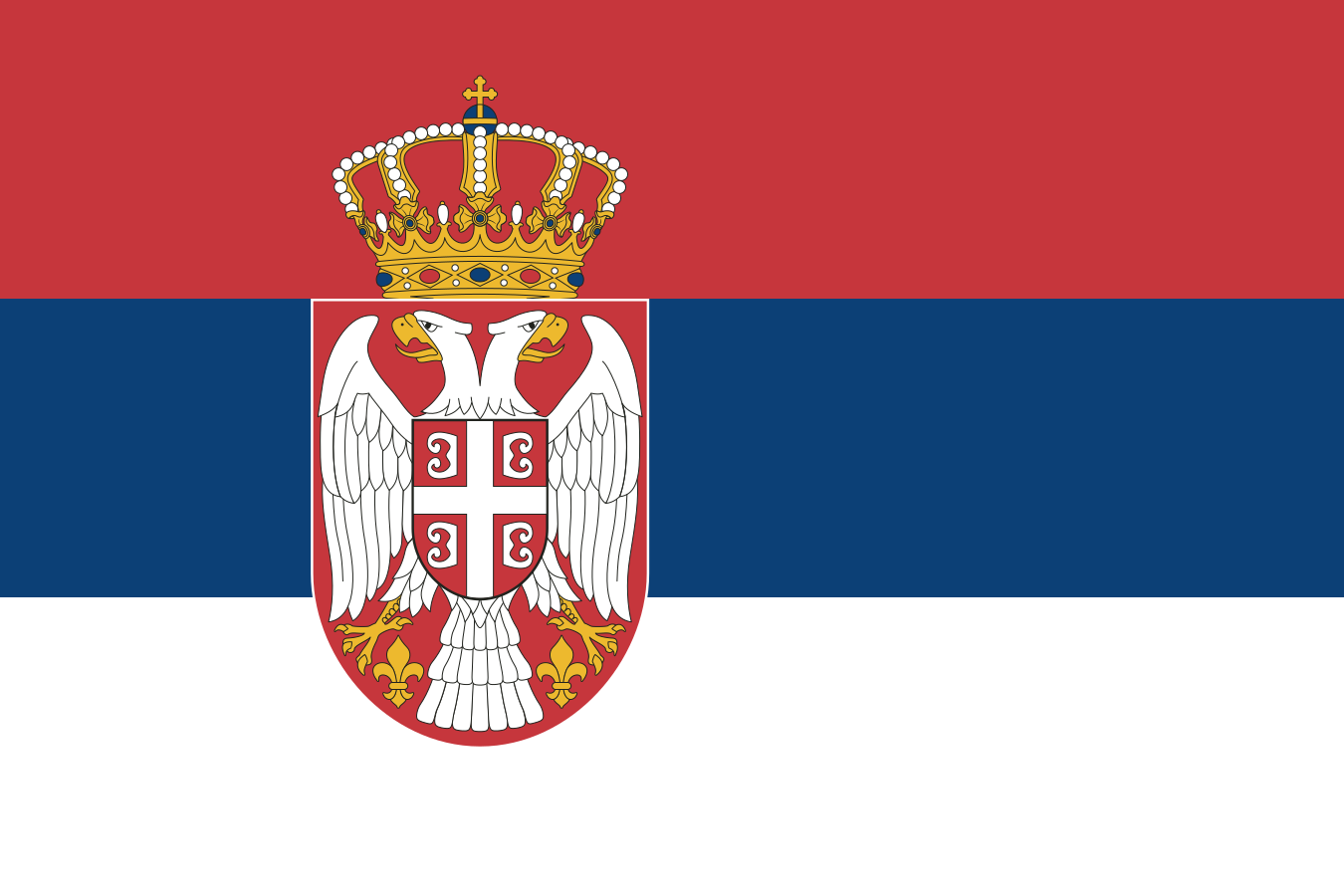
Serbia
RSA Balkan country with a turbulent history, remarkable hospitality and one of the best nightlife scenes in Europe. Belgrade never sleeps, and beyond it lie medieval fortresses, mountain resorts and vineyards. Serbia remains one of the most affordable destinations on the continent, and public transport in the capital is free. Street signs come in both Cyrillic and Latin script.
Where to go #
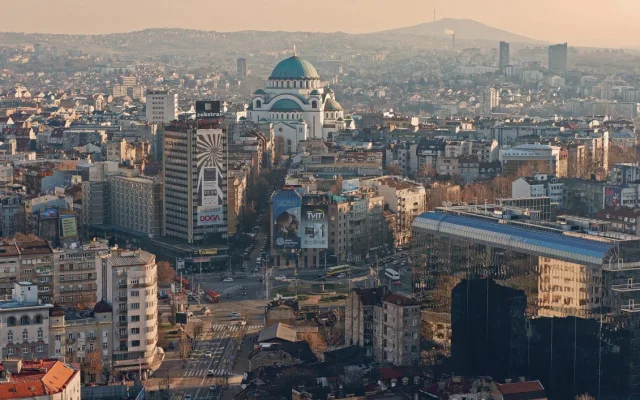
Belgrade
A dynamic Balkan capital famous for its legendary riverside clubs on the Sava, the Kalemegdan fortress, and some of the best nightlife in Europe.
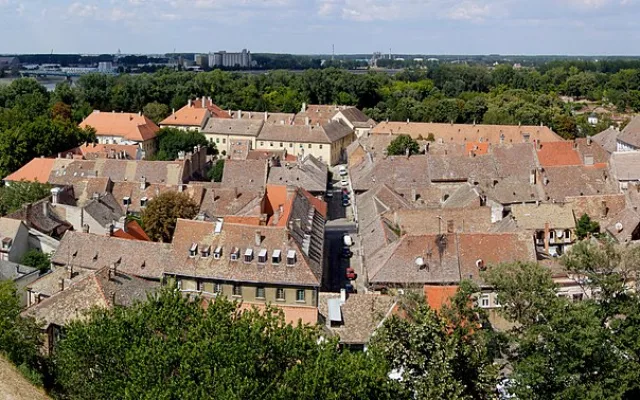
Novi Sad
Capital of Vojvodina and cultural hub — the Petrovaradin Fortress and the EXIT festival.
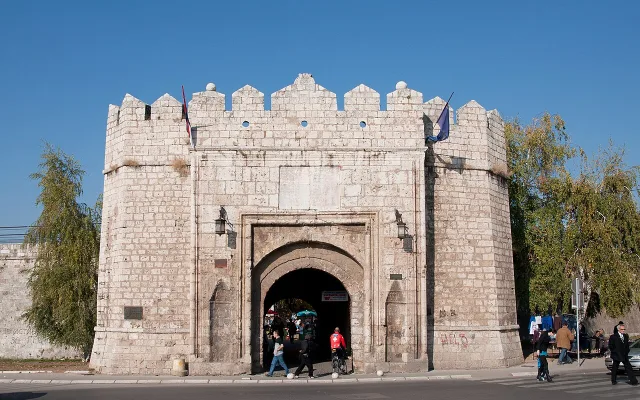
Nis
One of the oldest cities in the Balkans, birthplace of Emperor Constantine — a fortress and the Tower of Skulls.
What to see #
Kalemegdan Fortress: Go at sunset for the panorama over the confluence of the two rivers. Entry to the grounds is free, and only the military museum costs anything.
Church of Saint Sava: The largest Orthodox church in the world, and the gold mosaics inside are genuinely startling. It sits in central Vračar, so seeing it in a day takes no planning at all.
Šargan Eight: A narrow-gauge mountain railway where the track loops back on itself in a figure eight. Worth a trip out to Mokra Gora for the views and the old carriages.
Drvengrad: Kusturica's wooden village stands right by the railway. It is thoroughly touristed, with timber houses and vintage cars, but it photographs beautifully.
Tara National Park: Where to go for wilderness and bears. The Banjska Stena viewpoint gives the best possible view over the canyon of the Drina.
Petrovaradin Fortress: The enormous fortification above Novi Sad, host to the Exit festival each summer. Explore the underground tunnels if you are not troubled by dark, tight spaces.
Uvac Canyon: The famous river meanders and the griffon vultures circling above them are what to see if you have wheels. Reaching it realistically requires a car.
Prices #
Currency: Only Serbian dinars circulate. The rate sits around 100 dinars to the US dollar and has stayed reasonably stable.
Exchange: Euros are the easiest cash to bring. Exchange offices on the main city streets give better rates than the airport counters, so change only a little on landing.
Cards: Visa and Mastercard are accepted almost everywhere, including small cafes, and contactless is standard. Amex is patchier. ATMs are everywhere, though some charge a fee, so prefer bank-branded machines.
Digital: Wise and Revolut work fine and save on conversion. Keep some cash for markets, village bakeries and the odd taxi.
Tipping: Around ten percent in restaurants is normal. In taxis, simply round the fare up.
| Item | Price (USD) |
|---|---|
| Cappuccino | 2.00 |
| Meat burek | 1.50 |
| Dinner for one | 12.00 |
| Beer in a bar | 2.50 |
| Fridge magnet | 1.00 |
| Pack of cigarettes | 4.00 |
| Kajmak cheese per kg | 8.00 |
| Shot of rakija | 2.00 |
| Bottle of wine | 7.00 |
| Litre of petrol | 1.70 |
| Car hire per day | 30.00 |
| Soko train ticket | 6.50 |
| Taxi ride | 5.00 |
| Per kilometre in a taxi | 0.80 |
| Motorway toll | 3.00 |
Getting around #
Getting there: Belgrade is directly connected to most of Europe, with Air Serbia, Wizz Air and Ryanair all competing hard on price. Air Serbia also flies non-stop from New York and Chicago, which makes Serbia unusually easy to reach from North America.
Belgrade city transport: Buses and trams within the capital are formally free for everyone, a change that caught even locals by surprise. Inspectors are rare but the fines are steep.
Rail: The Soko high-speed train reaches Novi Sad in 36 minutes. Buy in advance through the official app, since the popular departures fill.
Buses: This is transport option number one across the country. The main BAS station in Belgrade has moved out to Novi Beograd, so check which terminal your ticket names.
Taxis: Use the official apps, CarGo and Bolt, rather than flagging one down. From the airport, the fixed voucher fare into the centre is around 35 euros.
Car hire: A car is essentially mandatory for the mountains and the national parks. Note that ninety percent of rental cars have manual gearboxes, which is actually safer on the switchbacks.
Motorways: The modern toll roads cost two to six euros a stretch, payable by card or cash at the barrier. They are fast and in very good condition.
Where to stay #
Where to stay: In Belgrade, Stari Grad or Dorćol put you within walking distance of nearly everything. That alone saves you hours over a week.
Apartments: Private flats booked through the international platforms work extremely well here. They cost less than hotels and feel considerably more like home.
Guesthouses: In the provinces and the mountains this is the best option going. Hosts frequently produce homemade rakija the moment you walk through the door.
Registration: Foreigners must be registered with the police within 24 hours of arrival, which produces a paper slip called the beli karton. Hotels handle it automatically; in a private apartment, insist the owner does it.
Older buildings: Central apartment blocks often have tiny lifts or none whatsoever. Check which floor you are booking if you are carrying heavy bags.
Mountain cabins: Chalets on Tara are enormously popular. Book a couple of months out, because in season demand is genuinely fierce.
What to eat #
Meat: The whole cuisine rests on ćevapi and pljeskavica. Portions are always enormous, and one plate frequently feeds two hungry adults.
Bakeries: Walk into any pekara for a hot burek straight from the oven. It is the fastest and most filling breakfast in the country and costs almost nothing.
Kajmak: You must try it. Somewhere between butter and clotted cream, it is served alongside hot grilled meat, and it is far richer than it looks.
Rakija: The fruit brandy is a genuine point of national pride. Šljivovica from plums or dunja from quince arrives in small glass carafes and is drunk slowly.
Kafanas: The traditional tablecloth restaurants are loud, convivial and often smoky. Note that smoking indoors is still widely permitted, so look for a non-smoking room if that matters to you.
Sweets: Try palačinke, big thin pancakes with any filling you like. The local chocolate spread version is the default order for anyone under twelve.
Vegetarians: You will not starve, thanks to ajvar, grilled peppers, beans and excellent bread and cheese, but menus outside Belgrade lean heavily carnivorous.
Safety #
Overall: Serbia is an exceptionally calm and safe country. Walking through central Belgrade at night is genuinely nothing to worry about.
Taxi scams: Be wary of unlicensed drivers touting at the railway station and the airport. Order through an official app and the problem disappears entirely.
Pickpockets: Keep an eye on your wallet on crowded city buses. That is realistically the only street-level threat you will encounter.
Attitude to visitors: Serbians are warm and curious towards foreigners, and hospitality is taken seriously here. Trouble aimed at travellers is very rare.
Kosovo: If you plan to visit, enter through Serbian territory, otherwise you can face problems at Serbian borders later on. Read your own government's travel advisory on this specifically.
Wildlife: There are wild bears in the forests of Tara National Park. Stick to marked trails and make noise as you walk.
Etiquette and culture #
Slava: The main family celebration, honouring the household's patron saint. If you are invited, go, because it is a real mark of trust.
Religion: Orthodoxy runs deep through everyday life. Keep quiet in churches, cover your shoulders and leave the very short shorts outside.
Conversation: Serbians are open and love a long conversation over coffee. The word polako, meaning slowly, is close to a national philosophy.
Alphabets: Both Cyrillic and Latin are official and used interchangeably. Learning to read Cyrillic street signs takes about an evening and repays itself immediately.
Visiting a home: Bring a small gift when invited. Good coffee or a bottle of wine hits exactly the right note.
Basketball: It is more or less the second religion here. Do not be surprised by packed sports bars and impassioned analysis from strangers.
Connectivity #
Language: Serbian uses both alphabets and is not remotely necessary for a visit. English is widely spoken by younger people in the cities, and menus in Belgrade and Novi Sad are routinely bilingual.
In the villages: Older people in rural areas are less likely to speak English, but German is surprisingly common thanks to decades of work migration. Gestures and goodwill cover the rest.
SIM cards: Mobile data is cheap and the networks are good. You can buy a SIM at almost any newspaper kiosk on showing your passport.
eSIM: If your phone supports it, load a package before you fly and skip the kiosk entirely. For a stay over a few days a local SIM still works out cheaper.
Apps: Everything you normally use works without restriction. Google Maps occasionally misleads in the mountains, so keep offline maps for Tara and Uvac.
Roaming: Regional roaming deals apply across the Western Balkans, and EU visitors should check what their operator charges, as Serbia is outside the EU roaming zone.
Phrasebook #
| English | Serbian | Pronunciation |
|---|---|---|
| Hello | Zdravo | ZDRA-vo |
| Hi (informal) | Ćao | chow |
| Thank you | Hvala | HVA-la |
| Please | Molim | MO-lim |
| Yes | Da | da |
| No | Ne | neh |
| How are you? | Kako si? | KA-ko see |
| How much is it? | Koliko košta? | KO-li-ko KOSH-ta |
| The bill, please | Račun, molim | RA-choon MO-lim |
| Beer | Pivo | PEE-vo |
| Coffee | Kafa | KA-fa |
| Water | Voda | VO-da |
| Delicious | Ukusno | OO-koos-no |
| Good | Dobro | DO-bro |
| Sorry | Izvinite | iz-VI-ni-teh |
| Cheers! | Živeli! | ZHEE-ve-li |
| Mate, bro (slang) | Brate | BRA-teh |
| Nonsense | Gluposti | gloo-POS-ti |
| Emphatic filler (slang) | Bre | breh |
| Goodbye | Doviđenja | do-vi-JEN-ya |
| Help! | Upomoć | oo-PO-moch |
Good to know #
Train tickets: Buy high-speed tickets in advance on the operator's site. That saves you standing in a long queue at the station window.
SIM cards: A tourist SIM from Yettel gives dependable data and is easiest to pick up at a kiosk right after you land.
Maps: Maps.me handles hiking on Tara far better than the alternatives. Google can genuinely route you into trackless forest up there.
Getting help: Police answer on 192 and the ambulance service on 194, with 112 as the single line for anything urgent.
Ride apps: CarGo is the most reliable way to get a car in Belgrade, with Bolt as the alternative. Both beat hailing on the street on price and honesty.
Bus timetables: Check current departures across the country on the Polazak site. Tickets for regional routes can often just be bought from the driver.