Thailand
THThe land of smiles — from the neon towers of Bangkok to Buddhist temples in the jungle, from the turquoise islands of the Andaman Sea to the night markets of Chiang Mai. The best street food in the world, a warm sea and prices that make you smile wider still.
Where to go #
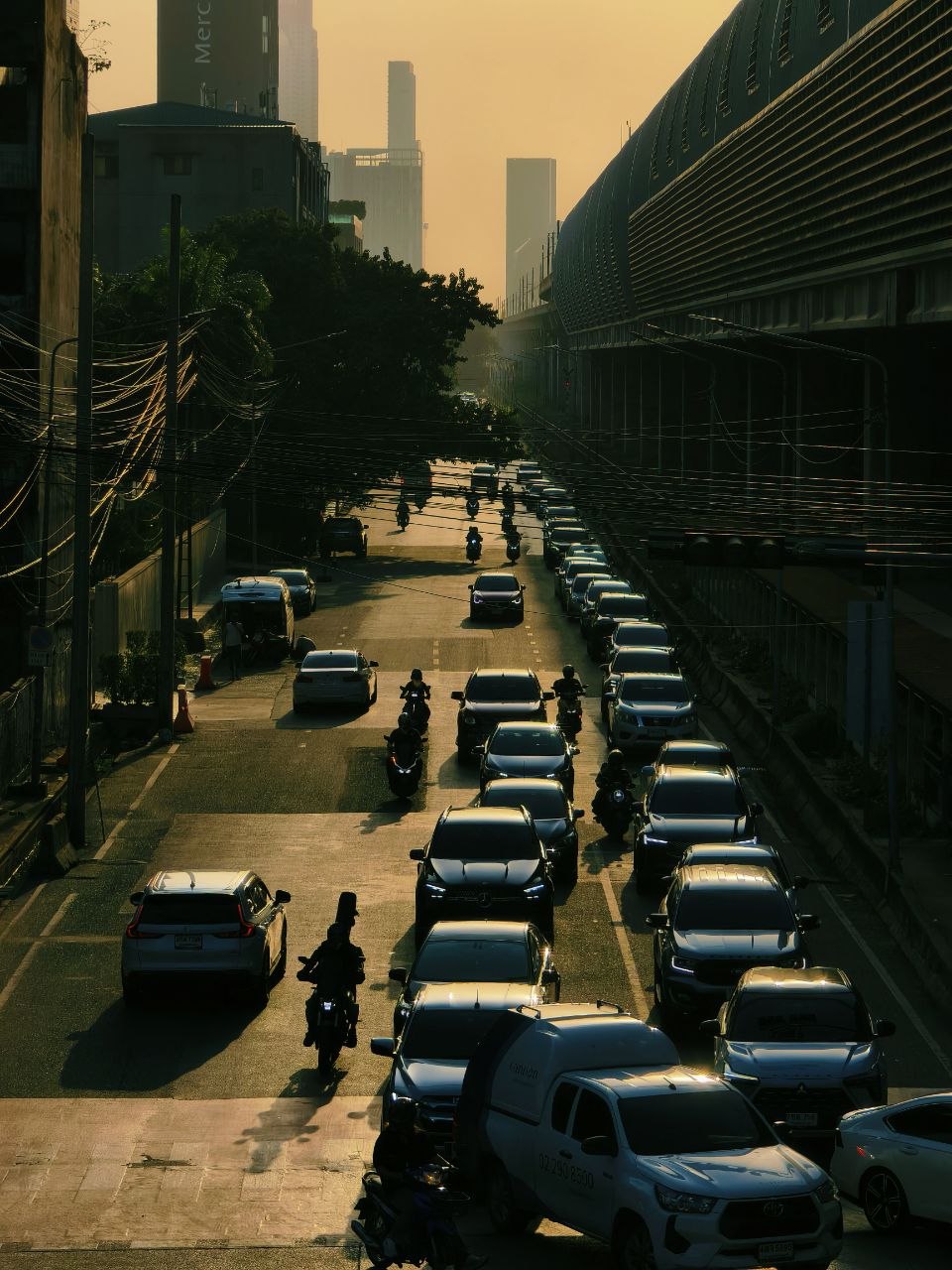
Bangkok
A city of contrasts — golden temples, street food, markets and nightlife.
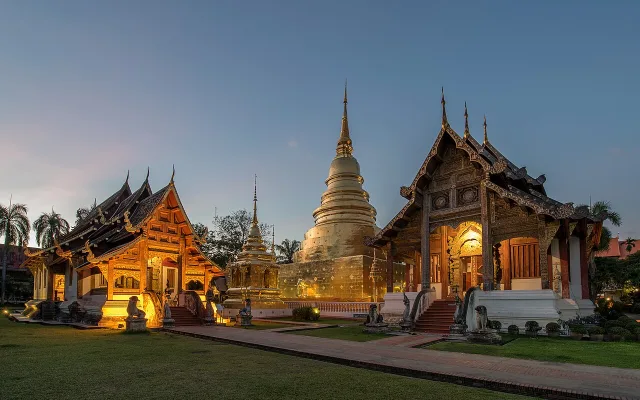
Chiang Mai
The northern capital of Thailand — jungle, elephant parks, yoga retreats and cheap markets.
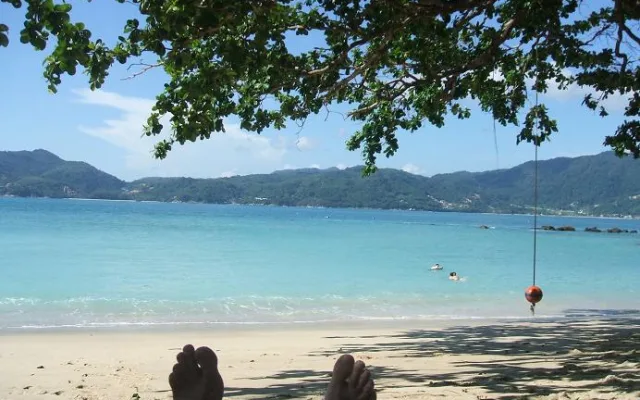
Phuket
The pearl of the Andaman Sea — the beaches of Patong, the Phi Phi islands and diving.
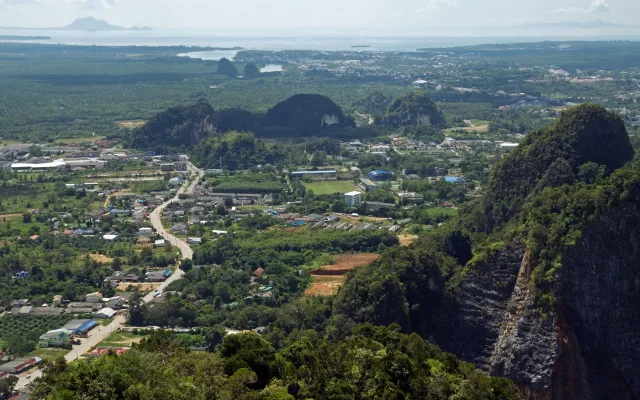
Krabi
The province of limestone cliffs — Railay beach, the island-hopping boats and jungle treks.
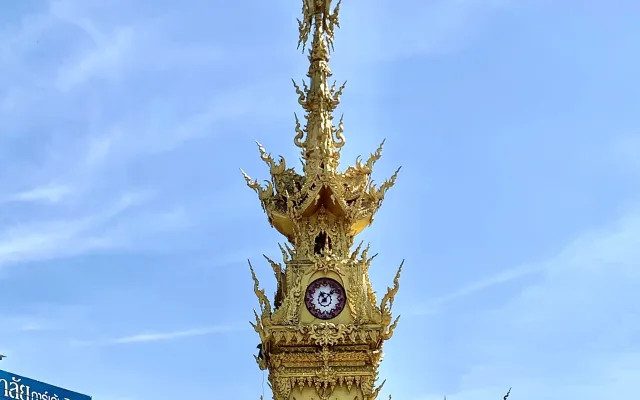
Chiang Rai
The northernmost provincial capital of Thailand — the White Temple of Wat Rong Khun and the Golden Triangle.
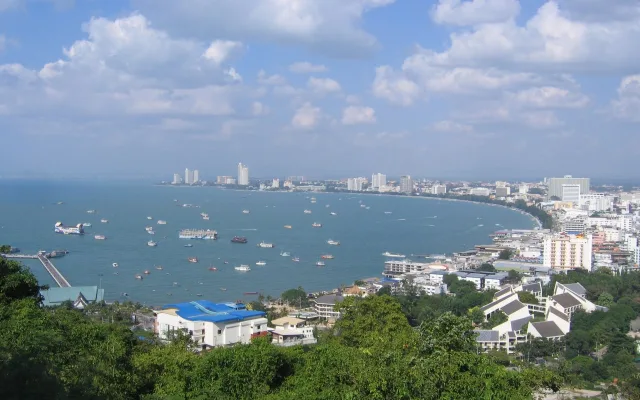
Pattaya
A Gulf of Thailand resort — the water park, the islands of Samet and Ko Lan, the Underwater World aquarium.
What to see #
The Grand Palace: The main thing to see in Bangkok, home of the Emerald Buddha. Turn up at opening, 8:30, to dodge both the crowds and the worst of the sun. The dress code is strict: shoulders and knees fully covered.
Wat Arun: The fairytale Temple of Dawn on the Chao Phraya, decorated in coloured porcelain. The best view is from the opposite bank at sunset. The river crossing by boat costs a few baht.
Wat Pho: Home to a 46-metre reclining golden Buddha and the oldest Thai massage school. Have a treatment on the temple grounds; it is the benchmark experience. Entry is paid but the ticket includes a bottle of water, which matters in the heat.
Ayutthaya Historical Park: Majestic ruins you can circle in a day. Do not miss the Buddha head grown into tree roots at Wat Mahathat. The whole town is soaked in the history of the Siamese kingdom.
The Similan Islands: A protected archipelago of azure water and white sand, open November to May. Come for the best snorkelling and diving in the Andaman Sea. Book a boat in advance, since daily visitor numbers are capped.
Chatuchak Market: A vast weekend market in Bangkok where you can find literally anything. From vintage clothes to exotic plants, it is a city inside a city. Haggling is not just allowed but expected, and a third off is normal.
Prices #
Currency: Only Thai baht (THB) circulate; dollars and euros are no use on the street. The rate has been stable through 2026, but change money at the SuperRich chain. Airport rates are awful, so change only enough there to get into town.
Cards: Visa and Mastercard work fine in malls, hotels and larger restaurants; Amex far less so. Apple Pay and Google Pay work in 7-Eleven and the big centres. Markets and small shops are cash only, and PromptPay QR needs a local bank account.
ATMs: Thai machines charge a flat 220-250 baht per withdrawal whatever the amount. Take the maximum in one go, usually 20-30 thousand baht, and always choose "Without Conversion" to avoid being charged twice. A Wise or Revolut card blunts the cost but not the machine's fee.
Tipping: In Thailand this is goodwill rather than obligation. Leave the few baht of change on the table at a street café. In massage shops 50-100 baht handed straight to the therapist is normal if you enjoyed the treatment.
| Item | Price (USD) |
|---|---|
| Pad thai on the street | 1.80 |
| Tom yum in a café | 4.50 |
| 1.5L bottle of water | 0.60 |
| Coconut on the beach | 1.20 |
| 0.6L beer from a shop | 2.00 |
| Mango smoothie | 1.50 |
| Foot massage, one hour | 8.00 |
| Scooter hire per day | 9.00 |
| Litre of 95 petrol | 1.30 |
| Metro ride, average | 1.10 |
| River crossing | 0.15 |
| Dorm bed per night | 12.00 |
| Guesthouse room | 25.00 |
| Grand Palace entry | 15.00 |
| 15-day SIM card | 18.00 |
Getting around #
The metro: In Bangkok the BTS and MRT lines are the fastest way to move without sitting in traffic. Trains run often and the air conditioning is fierce. Get a rechargeable Rabbit card for the Skytrain so you are not queueing for tokens every time.
Ride apps: Download Grab or Bolt for an honest fare and a route you can watch. Bolt is often cheaper but has fewer cars, while Grab has better coverage. Avoid street taxis that refuse to run the meter.
Motorbike hire: Ideal for the islands and Chiang Mai, but only if you can actually ride. You formally need an international licence with the motorcycle category, or expect to pay fines at police checkpoints. Photograph every scratch and the underside of the bike before signing anything.
Trains: Rail is a fine way to see the country from the inside, especially the overnight runs north. Book second-class air-conditioned seats ahead on 12Go. The cheapest third class suits only short hops like Bangkok to Ayutthaya.
River boats: Services on the Chao Phraya work as proper public transport at a fixed fare. Take the orange-flag boats, which call at all the main tourist piers. It is cheap and it keeps you out of the traffic entirely.
Tuk-tuks: More of a tourist ride than a serious way of getting anywhere. The fare will always beat an app taxi in the wrong direction, and drivers may push detours to shops. Bargain hard and use them only for short distances.
Where to stay #
Booking sites: Agoda and Booking are the best tools here, and Agoda often has better rates across Asia. Plenty of places let you reserve without prepayment and settle in cash on arrival.
Guesthouses: These are the backbone of budget travel, giving you a clean room for very little. You usually get air conditioning, Wi-Fi and a fridge, and the owners will sort out a bike rental. Look for them down the side lanes, the sois, away from the loud main roads.
Dorm beds: Hostels in Bangkok and Chiang Mai are genuinely good, many with pools and well-designed lounges. It is the easiest way to find people to travel onward with. Pick places with curtains on the bunks and individual sockets.
Longer stays: If you plan to sit in one place for a month or more, look for condos through local social media groups. In Pattaya or Phuket, renting straight from the owner comes out at half what the aggregators charge. The deposit is usually one month.
Bangkok districts: For a first visit, base yourself in Sukhumvit next to a metro station. Khao San is the epicentre of backpacker life but can be far too loud at night. Silom suits business travellers and sits near Lumphini park with its enormous monitor lizards.
Air conditioning: When booking, always confirm there is AC and not merely a fan. The Thai heat is merciless and sleeping without cooling is close to impossible. Also check that electricity and water bills are included in the quoted price.
What to eat #
Street stalls: Eat where you see a queue of locals, which is your guarantee of freshness. Street food in Thailand is often better and tastier than restaurant cooking. Do not be put off by the pushcarts; those cooks have perfected one dish over years.
Pad thai: The legendary fried noodles with prawn or chicken, cooked in front of you. It is a balanced plate with peanuts, bean sprouts and lime. A good pick if you fear the heat, since the chilli usually comes on the side.
Tom yum: A hot and sour soup on coconut milk or broth with prawns and mushrooms. The phrase "mai phet", not spicy, will save your stomach, though the authentic version stays punchy. Do not eat the galangal root or lemongrass; they are there for aroma.
Mango sticky rice: The most popular dessert, glutinous rice with ripe mango and sweet coconut sauce. Mango season runs March to May and that is when it peaks. It is sold on every corner and doubles as a proper snack in the heat.
7-Eleven: These shops will save you repeatedly because they never close. You can buy ready meals that get heated at the till, plus surprisingly good coffee. It is the cheapest way to eat when you are outside the tourist areas.
Fruit: Try papaya, longan and dragon fruit, which cost almost nothing at local markets. Fruit is often sold pre-cut in bags with ice, which is convenient, but check it looks fresh. Durian, the king of fruit, smells so distinctive that hotels ban it outright.
Safety #
Traffic: The biggest threat in the country is the road accident rate. Driving is on the left and chaotic, and pedestrians are almost never given way. On a bike, always wear a helmet and closed shoes rather than flip-flops to avoid gravel rash.
Sun: Tropical sun burns skin in fifteen minutes even under cloud. Use SPF 50+ and drink at least two litres of bottled water a day. Tap water is not for drinking or even brushing your teeth, so buy it in shops.
Petty theft: Thailand is broadly safe, but pickpocketing happens where tourists gather. Do not leave valuables unattended on the beach and do not carry a bag on your road-facing shoulder. Snatch thefts from motorbikes are rare but real.
Wildlife: Monkeys hang around parks and temples, and they are aggressive and will bite. Do not feed them and do not bare your teeth, which they read as a threat. Watch for snakes in long grass and keep your eyes down on jungle paths.
Law: Vaping is officially banned and carries heavy fines or a prison sentence. Drug possession can carry the death penalty and being a foreigner buys you nothing. Go carefully with alcohol too; the heat roughly doubles its effect.
Getting help: If something goes wrong, call the tourist police on 1155. They speak English and exist specifically to help foreigners. Regular police may not follow you and will often side with locals in a dispute.
Etiquette and culture #
The royal family: The monarch is a sacred figure and criticising him is a criminal offence. Never speak badly of the king and never step on money, which carries his image. Lèse-majesté convictions can mean up to fifteen years inside.
Heads and feet: The head is considered the cleanest part of the body, where the spirit lives. Do not touch Thais on the head, children included; it is a serious violation. Feet are the opposite, so never point your soles at a person or a Buddha statue.
Temples: Cover shoulders and knees always, however brutal the heat outside. Take your shoes off before entering a temple building or a private home. Women must never touch a monk or hand anything to one directly.
The wai: The traditional greeting is palms together at the chest with a slight bow. The higher the hands and the deeper the bow, the more respect you are showing. As a visitor, returning a wai politely, or simply smiling, is enough.
Saving face: Thais avoid open conflict and raised voices. If you start shouting in the street you lose face and you will not get your problem solved. A calm smile and courtesy are the best tools in any dispute.
Songkran: Thai New Year in mid-April means nationwide water fights. Expect to be soaked with ice water in the street, and taking offence is not an option. Carry valuables and electronics in sealed waterproof bags for those days.
Connectivity #
Mobile: The three operators are AIS, DTAC and TrueMove H. The simplest move is buying a SIM at the airport with your passport for registration. Tourist packages of 7 to 15 days include unlimited data at very reasonable prices.
eSIM: If your phone supports virtual SIMs, install Airalo or an equivalent before you leave home and you are connected the moment you land. Thai internet is genuinely fast, with 4G and 5G reaching even remote villages.
Language: In tourist zones, basic English gets you through everything. Out in the provinces people may know no English at all, at which point Google Translate carries you. The photo translation feature is invaluable for reading menus in local eateries.
Apps: Install Google Maps, whose coverage here is very accurate. The 12Go app handles train and ferry tickets nationwide. For messaging locals and expats, Thailand runs on Line rather than WhatsApp.
Free Wi-Fi: There is a connection in almost every café, hotel and even in 7-Eleven. Speeds are usually high enough for remote work. Public networks often ask you to register with a passport or phone number first.
Signs and menus: Road signs, metro stations and tourist-area menus carry English, so navigation is easy. In local neighbourhoods expect Thai script only and lean on your phone.
Email: Filling in the TDAC arrival form sends your QR code by email, and confirmations sometimes land in spam. Check that folder before panicking.
Phrasebook #
| English | Thai | Pronunciation |
|---|---|---|
| Hello | สวัสดี | sa-wat-DEE khrap (m) / kha (f) |
| Thank you | ขอบคุณ | khop khun khrap / kha |
| Yes / No | ใช่ / ไม่ | chai / mai |
| Not spicy! | ไม่เผ็ด | mai PHET |
| Delicious! | อร่อย | a-ROY |
| How much is it? | เท่าไหร่ | thao-RAI |
| Expensive | แพง | phaeng |
| Can you discount? | ลดได้ไหม | lot dai mai |
| Where is the toilet? | ห้องน้ำอยู่ที่ไหน | hong nam yoo thi-NAI |
| The bill, please | เก็บเงิน | kep NGERN |
| Check bill (slang) | เช็คบิล | chek BIN |
| Water | น้ำ | nam |
| Rice | ข้าว | khao |
| Chicken | ไก่ | gai |
| Beer | เบียร์ | bia |
| No thanks / don't want | ไม่เอา | mai ao |
| OK | โอเค | oh-KAY |
| Beautiful | สวย | suay |
| Help! | ช่วยด้วย | chuay DUAY |
| Sorry | ขอโทษ | kho THOT |
| Goodbye | ลาก่อน | la KON |
Good to know #
Getting help: Save the tourist police line 1155 and the ambulance line 1669 in your phone. Most countries keep an embassy in Bangkok and several also run a consulate in Phuket, so look yours up before you travel. Carry a passport copy and your insurance details in print or on your phone.
Route planning: The site 12go.asia is the best tool for working out journeys between cities. It compares buses, trains and flights and sells tickets online. For getting around Bangkok, download ViaBus to see buses moving on a map.
Seasons: The best window is November to February, with no rain and no punishing heat. March brings the hot season and June to October is the monsoon. The rain is usually short and warm, which rarely spoils a backpacking trip.
The cold indoors: Malls, metro carriages and coaches are often chilled to around 18 degrees. Always carry a light top or a scarf so you are not shivering after the street heat. This is the single most common way travellers get ill here.
Pharmacies: Boots and Watsons stock almost anything you might need. Thai cold remedies and bite creams are genuinely effective. Buy repellent locally, since local formulations handle tropical mosquitoes far better than what you brought.
Holidays: On major Buddhist dates and election days, alcohol sales are banned nationwide. Shops close their drinks aisles for the day and bars do not open. Stock up in advance if it matters to you, and respect the religious observance.