Ukraine
UAThe largest country in Europe by area after Russia, with a deep history, the Carpathian mountains, a Black Sea coast and a distinctive culture. Kyiv, Lviv, Odesa, the Carpathians — until 2022 Ukraine was one of the most affordable and rewarding destinations in Europe. Armed conflict has continued since February 2022, and travel carries serious safety risks. The information below is for reference.
Where to go #
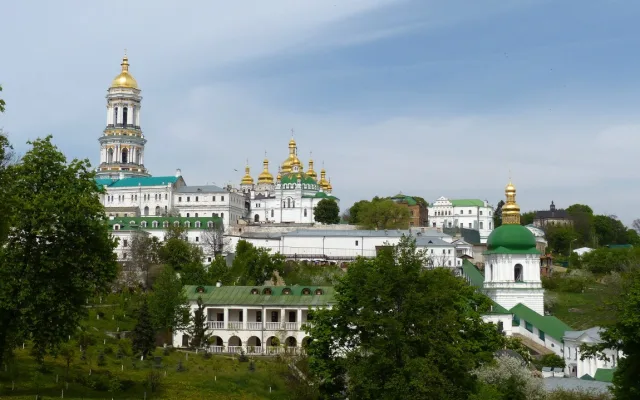
Kyiv
The capital of Ukraine — Maidan Nezalezhnosti, the Lavra, the Andriyivskyy Descent and the golden domes of the cathedrals.
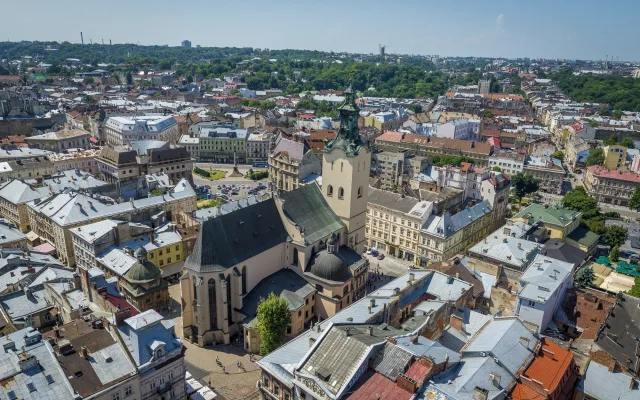
Lviv
The jewel of western Ukraine — a medieval centre, coffee culture and Armenian churches.
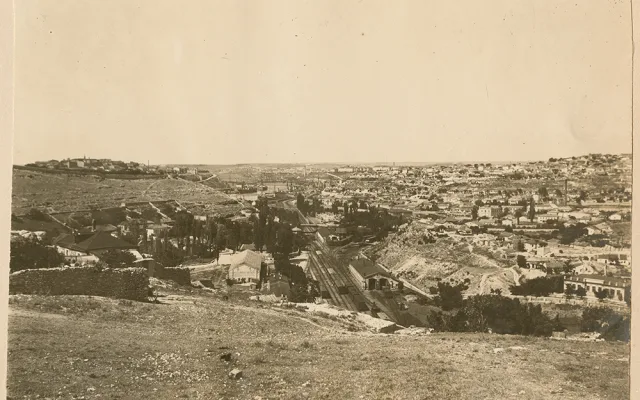
Odessa
A port city on the Black Sea — the Potemkin Stairs, Derybasivska street and the famous beaches.
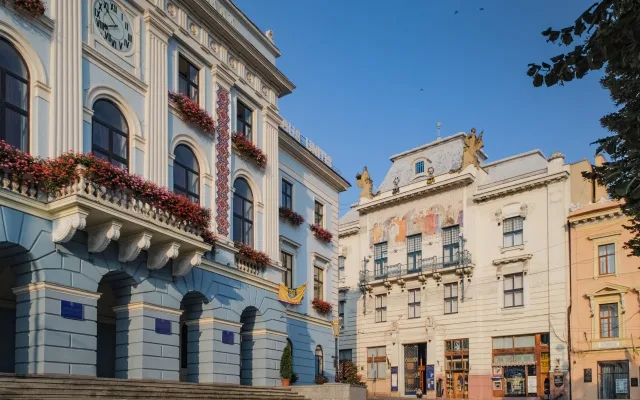
Chernivtsi
The former capital of Bukovina — Ukraine's "Little Vienna": the UNESCO-listed Metropolitans' Residence, Austrian-era streets and the legacy of six communities.
What to see #
The great churches: Kyiv Pechersk Lavra is still the country's spiritual centre, and the cave passages with their relics are what to see first if you only have one morning in the capital. A short walk away, the golden domes and bell tower of St Sophia's give photographers the best panorama in the city.
Castles of the west: Khotyn Fortress on the bank of the Dniester looks like a film set, and it is worth a trip purely for the scale of its walls and towers. Kamianets-Podilskyi, with its castle on a rock island, ranks among the most dramatic fortifications anywhere in Europe.
Mountain highs: Hoverla in the Carpathians is the summit every active traveller wants to bag. The climb takes around six hours and, in clear weather, opens up endless ridgelines and high summer pastures.
City comfort: Lviv's Market Square is where you can pack a dozen themed restaurants and small museums into a single day. Every architectural detail here carries a story several centuries old, and together they make the particular Lviv mood people keep coming back for.
Difficult history: The Chornobyl zone still pulls in the curious, though the status of Prypiat tours shifts and has to be checked on the ground rather than assumed. It is an entire era frozen in place among wild forest and abandoned buildings.
Southern strolls: Deribasivska Street in Odesa is the heart of the city, good for its colourful courtyards and genuinely talented street musicians. The Potemkin Stairs sweep down towards the sea terminal in what is probably the most recognisable view in the country.
Prices #
Currency: The hryvnia is the only currency you can actually pay in. In the bigger cities dollars and euros change easily at licensed booths, which stay open into the evening and give a market rate without hidden commission or bolted-on services.
Cards: Visa and Mastercard work in supermarkets and chains, but strikes on the power grid mean card terminals go dark without warning. Always carry a wad of small notes for markets, corner shops and city transport.
ATMs: Cash machines belonging to the big banks such as PrivatBank and monobank sit on practically every block in urban areas. Watch the per-withdrawal limits and whatever your home bank charges for foreign transactions and conversion; a Wise or Revolut card keeps that cost sensible.
Tipping: Around ten percent of the bill is normal in restaurants when the service was good and you enjoyed the food. Sometimes it is already added as a separate line, so read the total properly before you pay.
Budgeting: Ukraine is inexpensive by Western European standards, and canteen-style chains let you eat well for a few dollars. The prices below are typical and give you a workable daily figure.
| Item | Price (USD) |
|---|---|
| Canteen lunch | 5 |
| Restaurant dinner | 20 |
| Cup of coffee | 2 |
| Bowl of borscht | 4 |
| Varenyky (dumplings) | 3 |
| Taxi across town | 4 |
| Kyiv-Lviv train ticket | 12 |
| Metro ride | 0.20 |
| Beer, 0.5 l | 1.5 |
| Deruny with sour cream | 3 |
| Hostel bed | 10 |
| 3-star hotel | 45 |
| 4-star hotel | 90 |
| Apartment per night | 40 |
Getting around #
Trains: Rail is the most dependable way to move between regions, even now. Services run to timetable, and it is worth buying seats in advance through the operator's app or website rather than turning up at the station and hoping.
Buses: FlixBus and similar networks connect the major cities with most European capitals overland. That makes it easy to travel straight through from Warsaw, Krakow or Chisinau to Kyiv or Lviv on a comfortable coach.
Getting into the country: Civil aviation is closed, so every arrival happens overland. Fly from London, Frankfurt, Paris or a US gateway into Warsaw, Krakow or Budapest, then pick up a direct train from the Polish border towns of Przemysl or Chelm. Routes through Chisinau in Moldova, or through Chop on the Hungarian frontier where you change onto a local train, work just as well.
City transport: Kyiv, Kharkiv and Dnipro all have metro systems and the fare is close to nothing. The stations double as proper shelters when there is danger, and they stay open around the clock.
Taxis: Use Bolt or the local Uklon app to call a car; fares are modest. A ride across the centre costs a couple of dollars, which is excellent value once you are three or four people.
Driving: Hiring a car is possible, but expect frequent checkpoints and thorough document checks. Night driving is restricted or banned outright because of the nationwide curfew, so plan to finish every leg well before dark.
Where to stay #
Where to book: Apartments and rooms go through the usual global platforms, Booking and Airbnb among them. Lviv's market is badly overheated at the moment and rents can bite even compared with the capital, especially in newer, comfortable buildings.
Shelter access: When you choose a place, ask directly whether the building has a proper shelter or one within a minute's walk. Plenty of hotels now state this in the listing because they know guests care about it.
Power independence: Look for a generator or a serious battery backup on site. That is what keeps the lights, the water and the wifi running through a scheduled or unscheduled outage in the neighbourhood.
Lviv districts: Shevchenkivskyi is the most expensive part of town to stay in, while the Halytskyi centre can throw up cheaper options. Modern residential complexes cost noticeably more than old stock or Soviet-era blocks.
Guesthouses: The Carpathians and the western regions have a dense network of family-run homesteads. It is a warm way to live with a local family for a night or two, eat home cooking and hear about regional traditions from the owners themselves.
Check-in: Keep your original passport to hand when you arrive; receptionists are obliged to record guest details. In southern towns near the front line it is also worth checking there is a stored water supply in the building.
What to eat #
The national dishes: Borscht with garlic pampushky is officially recognised heritage cooking and is the first thing to order. Go easy on the portions, which are often enormous and very filling, particularly in small family cafes and village guesthouses.
Varenyky and deruny: Dumplings and potato pancakes come with fresh sour cream and crisp pork cracklings almost everywhere in the country. Varenyky fillings run from potato and mushroom to forest berries, making them a cheap and quick meal at any hour.
Meat traditions: Salo, cured pork fat, is close to a national emblem, served salted, smoked or dressed with garlic and herbs. In the Carpathians order bohrach, a thick, fiercely spiced meat goulash traditionally cooked in a cauldron over an open fire.
Coffee culture: Lviv has earned its title as the coffee capital, where the drink is treated as something close to a religion. There are hundreds of atmospheric cafes with their own roasts, and sitting over a cup for a couple of hours in the centre is entirely the point.
Cheap lunch: Canteen chains let you eat properly and very cheaply right in the middle of any large city. For an independent traveller who values time and consistency, that is usually the smartest lunch decision of the day.
Markets and street food: At local markets try the cheeses, homemade sausage and the fresh baking. Kyiv's Bessarabsky Market is on the expensive side but full of character, with delicacies brought in from every region.
Safety #
Martial law: Strict restrictions apply nationwide, including an overnight curfew. Being outdoors at night without a permit is prohibited, and police can detain you to establish who you are and what you were doing.
Air raid alerts: Install an alert app on your phone and never shrug off a siren. When an alarm sounds, move immediately to the nearest solid shelter, underpass or metro station and wait for the all-clear.
Documents: Carry your original passport and proof that your stay is lawful at all times. Police and soldiers run regular checks at checkpoints; stay calm, be patient and let them do their job.
Mines: Areas near the front line and rural woodland carry a real risk from unexploded ordnance. Never step off surfaced roads onto the verge, and never enter unfenced or suspicious-looking ground for a photo.
Photography rules: Photographing military sites, equipment, checkpoints or missile damage is absolutely forbidden. It is treated as spying and will land you in very serious trouble with the law.
Power and planning: Communications and internet can drop suddenly when infrastructure is hit. Carry a high-capacity power bank and a paper city map for when your phone dies or the network vanishes, and read your own government's travel advisory before committing to the trip.
Etiquette and culture #
Folk heritage: The embroidered vyshyvanka shirt is not simply attractive clothing, it is a piece of national code. Many people wear one in ordinary life and especially on holidays, as a statement of identity and respect for something very old.
Hospitality: Locals are strikingly warm and will help a lost visitor with advice or by walking you there themselves. If you are invited into someone's home, do not refuse the food you are offered; accepting it is how you show respect to the household.
Religion: Most of the population is Orthodox Christian, with a large Greek Catholic community in the west. In churches keep quiet, dress modestly and be mindful of people who are there to pray rather than to sightsee.
Craft: Pysanky, the painted Easter eggs, are astonishing in the complexity of their patterns, which differ from region to region. The skill passes down through families and remains a living art rather than a museum piece.
Language: Ukrainian is the sole state language and the default in every official setting. English is reasonably common among younger people and in city hospitality, less so outside the tourist economy, so a translation app earns its keep.
Tact: Steer clear of sharp political arguments and respect the choices people have made about their own national culture. Politeness and an open manner will get you a long way and make the whole trip easier.
Connectivity #
Mobile operators: Buy a local SIM from one of the big three: Kyivstar, Vodafone or lifecell. Street kiosks often sell them without paperwork, but going to an official branded store gives you a properly registered line and fewer problems later.
Mobile data: 4G coverage in the cities is good and generous data bundles are cheap. Power cuts can knock a base station offline, though, which occasionally leaves you without signal for a while with no warning.
eSIM: If you would rather have connectivity from the moment you cross the border, an eSIM from Airalo or a similar provider works and saves you hunting for a shop on day one. Keep it as a backup even after you buy a physical SIM.
Backup internet: Many hotels and popular cafes have installed Starlink terminals to guarantee a connection. Look for the sticker on the door or simply ask staff for the wifi password.
Blocked sites: A number of foreign websites and social networks are unreachable without a VPN. Set one up before you arrive if your work or your messaging depends on any of them.
Useful apps: Download the taxi apps and the official air-raid alert app before anything else. Locals mostly message on Telegram and Viber, and almost every service, from booking a doctor to ordering dinner, runs through a chatbot.
Phrasebook #
| English | Ukrainian | Pronunciation |
|---|---|---|
| Hello | Вітаю | vee-TA-yu |
| Thank you | Дякую | DYA-koo-yu |
| Please | Будь ласка | bood LAS-ka |
| Sorry | Вибачте | VY-bach-te |
| Yes | Так | tak |
| No | Ні | nee |
| How much is it? | Скільки коштує? | SKEEL-ky KOSH-too-ye |
| Where is the shelter? | Де укриття? | de oo-kryt-TYA |
| Coffee | Кава | KA-va |
| Delicious | Смачно | SMACH-no |
| Beautiful | Гарно | HAR-no |
| Help | Допоможіть | do-po-mo-ZHEET |
| Good | Добре | DOB-re |
| Goodbye | До побачення | do po-BA-chen-nya |
| Friend | Друг | droohk |
| Water | Вода | vo-DA |
| Slang: money | Бабки | BAB-ky |
| Slang: cool, sharp | Чотко | CHOT-ko |
| Slang: nonsense | Фігня | feeg-NYA |
| Slang: I get it | Шарю | SHA-ryu |
| Slang: a party | Туса | TOO-sa |
Good to know #
Consular support: Most Western countries keep a working embassy or consulate in the country, and it is worth noting the address and duty phone number before you travel. Copy the details onto paper as well as your phone, in case you lose the handset.
Getting help fast: Dial 102 for police, 103 for an ambulance and 101 for the fire service. Dispatchers work in Ukrainian, so having your address written down in the local script speeds things up considerably.
Official information: Entry rules and the insurance requirement are updated on government websites and can change quickly. Check them again a few days before departure rather than relying on anything you read months earlier.
Plan slack into the route: Do not book tight connections between different modes of transport; allow several hours for border formalities. Queues at land crossings are genuinely unpredictable, on weekdays and overnight alike.
Luggage: Bring only what you need and use a solid backpack rather than a wheeled suitcase. Light luggage is far easier to manage on crowded trains and if you end up walking across a border while traffic sits still.
Kit to pack: A decent torch, a large power bank and a basic first aid kit with your own medication belong in the top of the bag. When the electricity goes, those three simple things make life in an unfamiliar city dramatically easier.