 Города и дороги
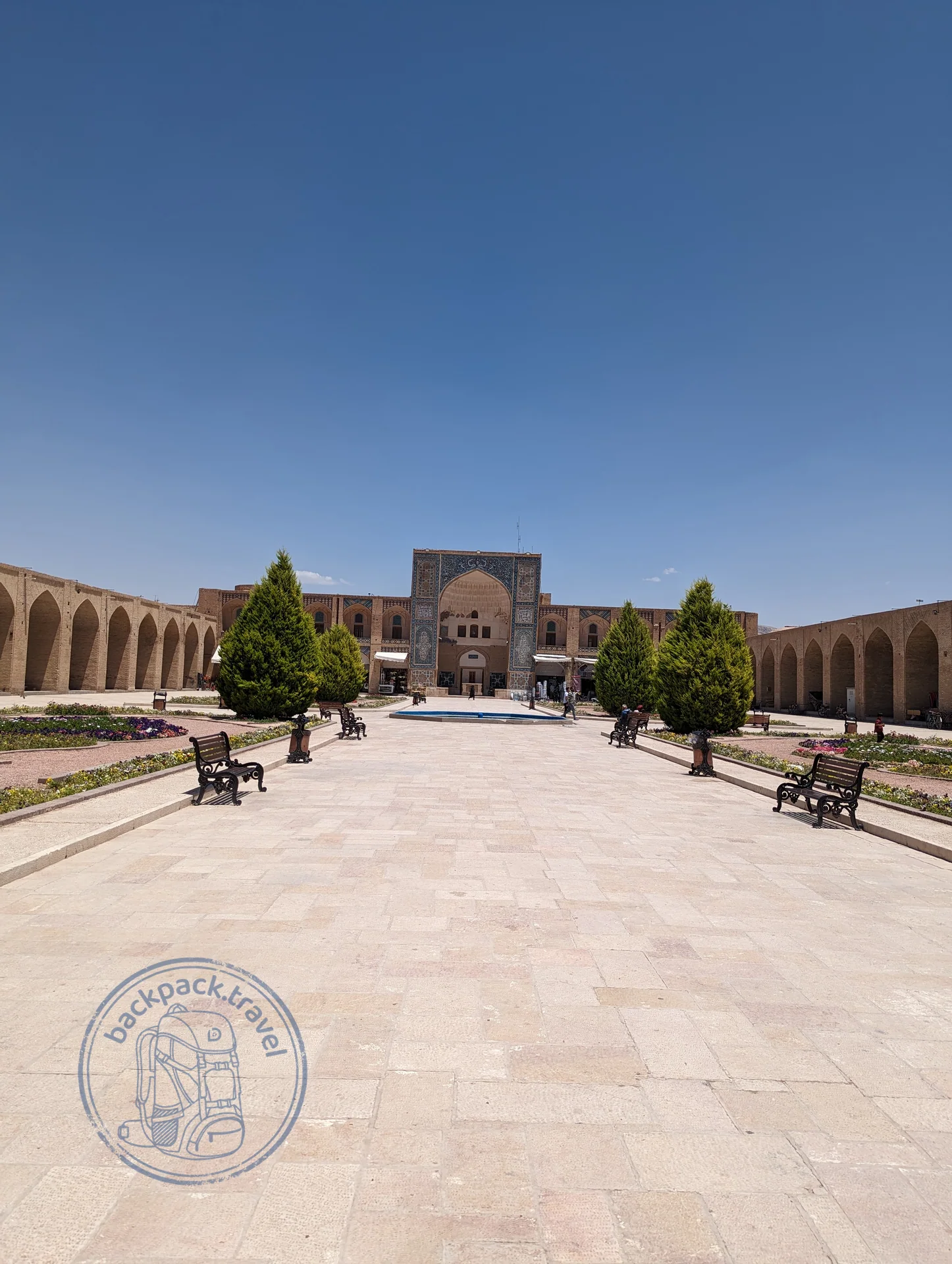
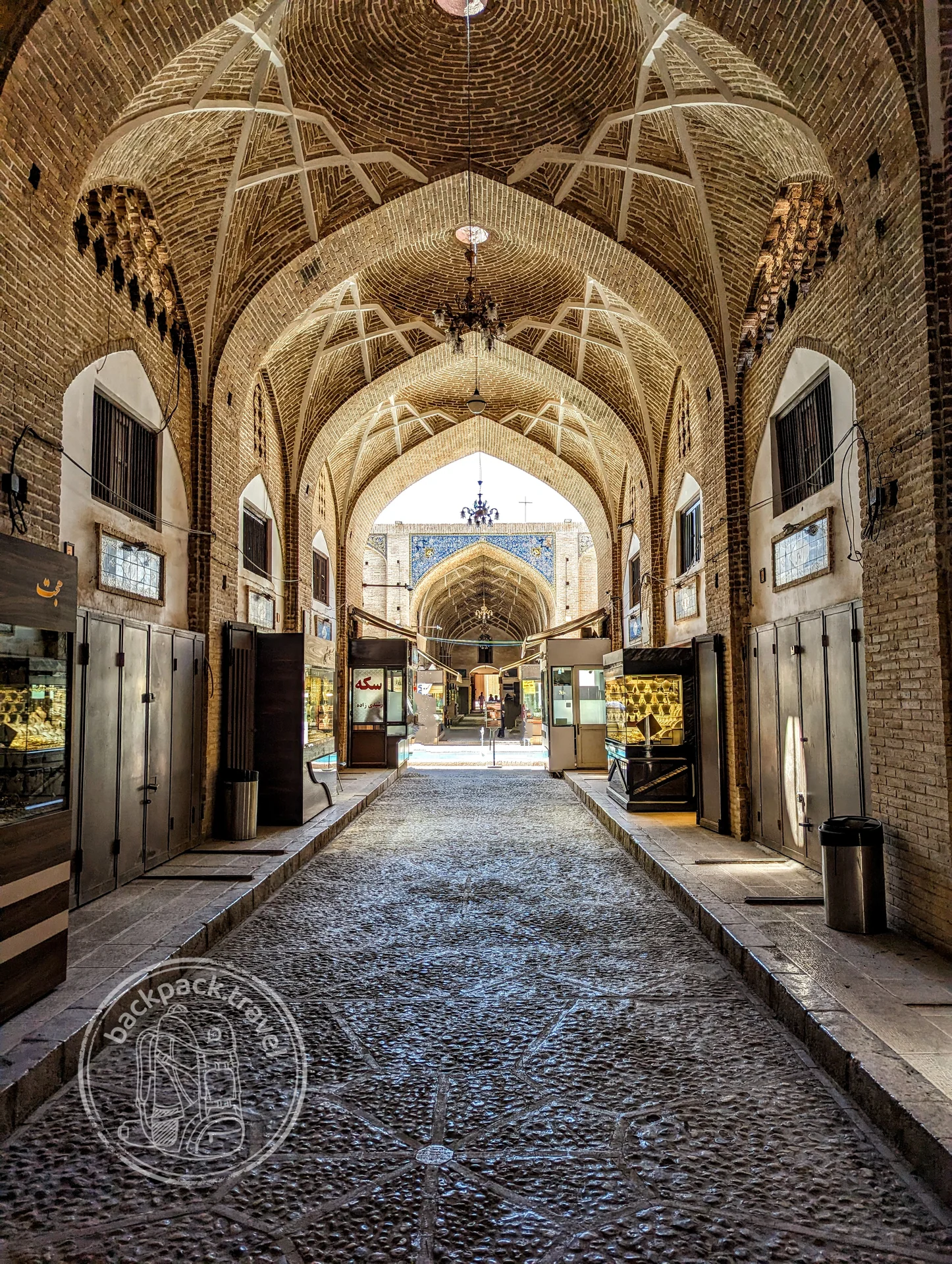
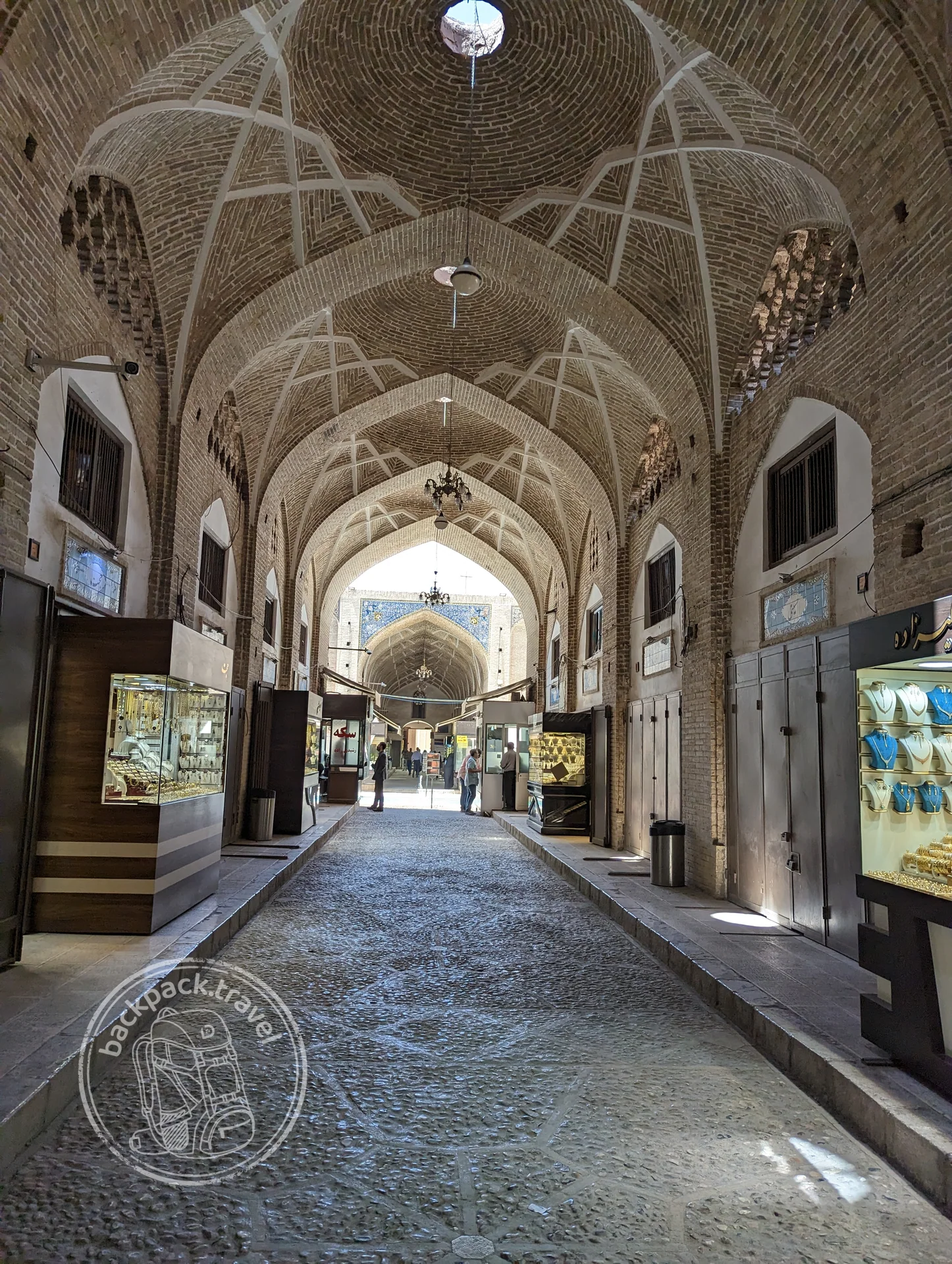
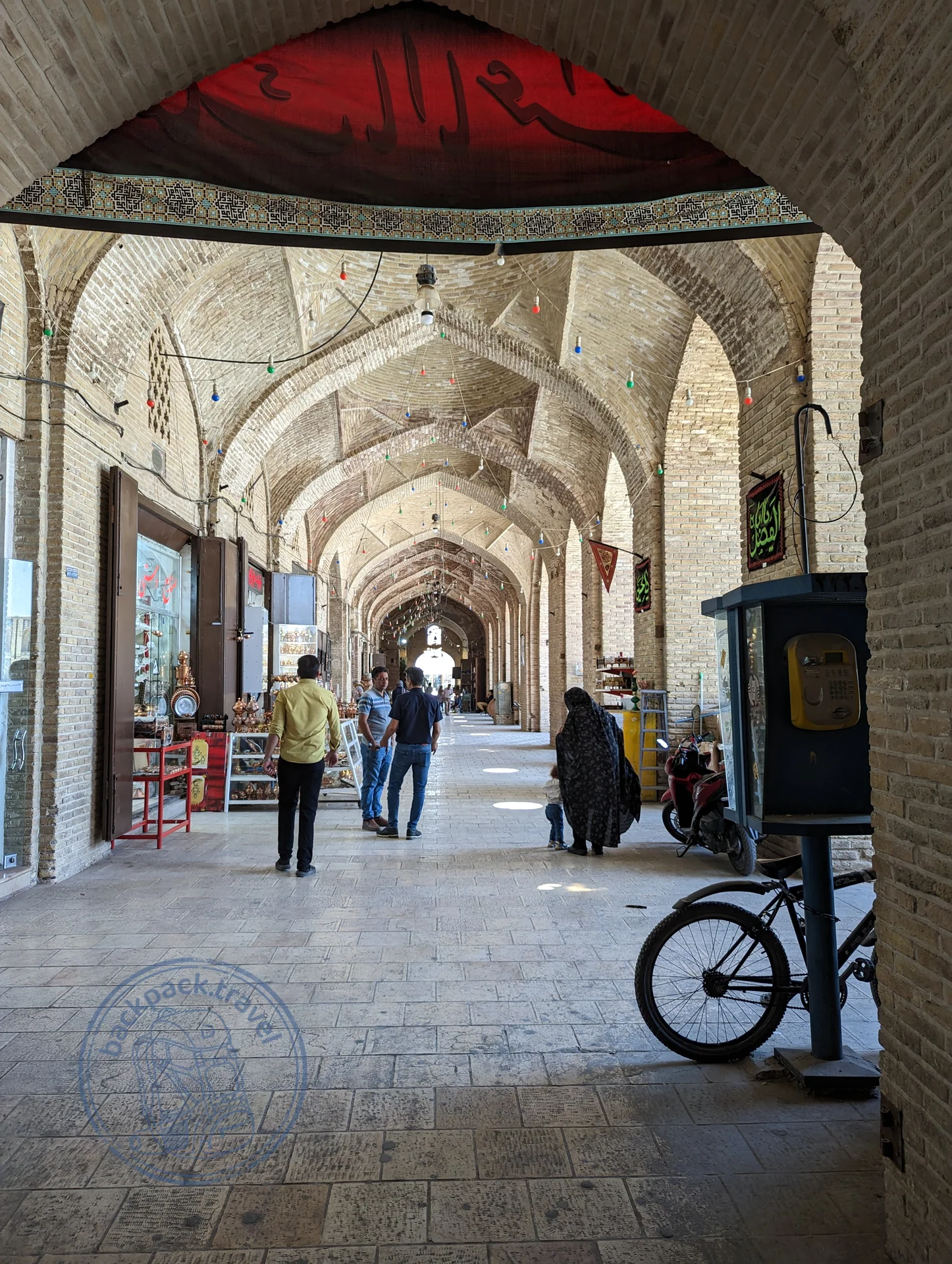
The Kerman bazaar runs through the old city for almost a kilometre and has remained the main axis of trade since the Safavid era. It is made up of sections built on one after another: the Ganjali Khan bazaar and the Vakil, Ekhtiyari and Mozaffari rows, each with its own date of construction and its own character. The covered galleries are laid in fired brick, the vault rests on pointed arches, and at the crown of each bay a round opening is left through which a column of daylight falls inside and hot air escapes. Because of this system the rows stay cool even at the height of the Kerman summer. Trade is divided by guild: coppersmiths in one place, carpets, textiles, spices and gold each in another; between the shops are built caravanserais with inner courtyards, where caravans were once unloaded and where workshops and teahouses now operate. For centuries Kerman lived on the route from the Persian Gulf to Khorasan, and the bazaar grew up as a transfer point of that trade. The local specialities are sold here too - cumin, pistachios and Kerman carpets with their fine pattern.
The bazaar runs through the whole of the old city and serves as the main axis of a walk: along the way stand the Ganjali Khan complex with its bathhouse museum and old caravanserais with teahouses. It is better to come during the day; the rows stay cool even in the Kerman heat. This is where people buy local pistachios, cumin and finely patterned carpets. Payment in cash.
- Address
- غربی۱, Kerman
On the map
Reviews (0)
No reviews yet. Be the first!
Updated