 Города и дороги
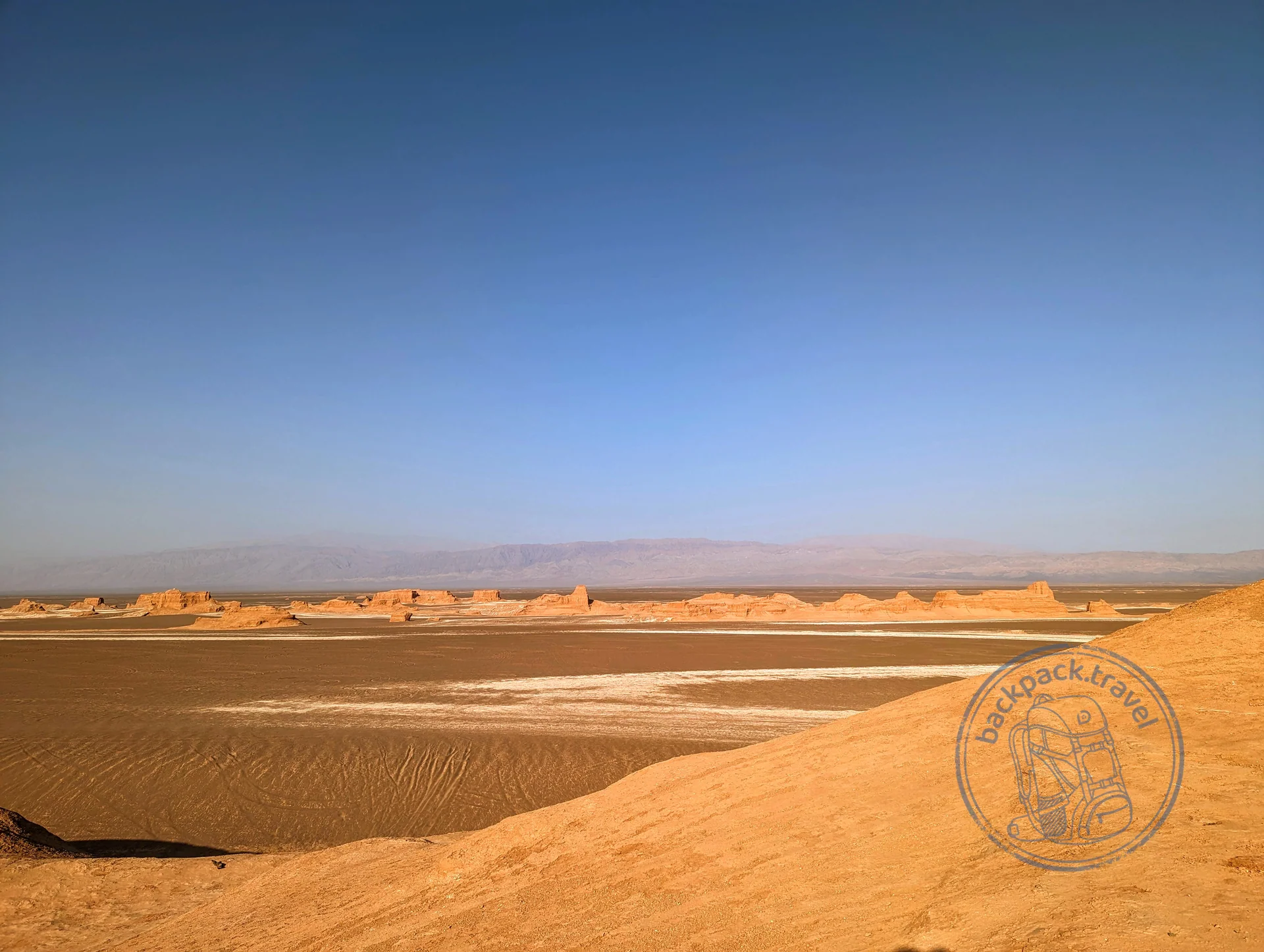
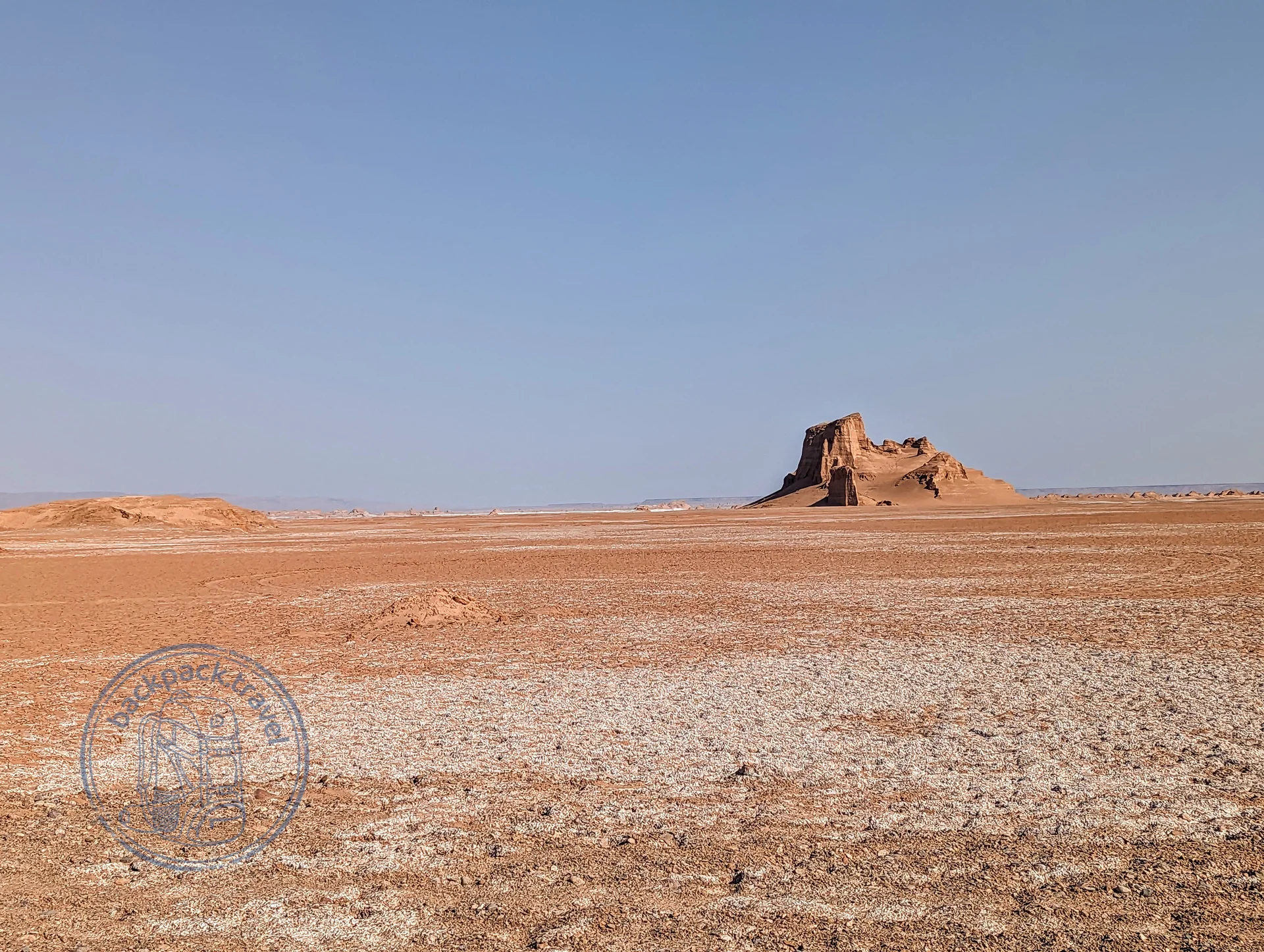
The kaluts are ridges of weathered sand and clay rock on the western edge of the Dasht-e Lut desert, east of the town of Shahdad in Kerman province. The steady northwesterly wind, which blows here for months on end, has cut parallel corridors into the sedimentary deposits and left free-standing remnants up to eighty metres high between them. The field of kaluts stretches about a hundred and forty kilometres from north to south and from the air looks like a ruined city with streets and towers, which is where the local name Shahr-e Lut, the city of Lut, comes from. Rocks of different composition erode unevenly, so the remnants develop cornices and niches. The Dasht-e Lut is one of the hottest places on the planet: satellite measurements of the surface temperature here have exceeded seventy degrees. In 2016 the desert became Iran's first natural site on the UNESCO list. It makes sense to look at the kaluts at sunrise or sunset, when the raking light draws out the shadows and brings out the relief, whereas by day everything looks flat and bleached.
It makes sense to look at the kaluts at sunrise or sunset, when the raking light draws out the shadows; by day everything is flat and bleached, and the heat is lethal. You set out from Shahdad, east of Kerman, only with a driver or on a tour, and take water with a good margin. Cash is essential.
- Address
- دهستان تکاب
Lists and awards
On the map
Reviews (0)
No reviews yet. Be the first!
Updated