Kerman
Description
A city on the edge of the Dasht-e Lut in southeastern Iran: the Safavid Ganjali Khan complex, a covered bazaar running half the town, and the base for trips to the desert kaluts and Rayen Castle.
Wiki
Kerman is a large city in southeastern Iran, on the approaches to the Dasht-e Lut desert, at an altitude of about 1,750 metres. It works as a base for trips out to the desert dunes and abandoned fortresses, and it is one of the centres of the country's Zoroastrian community. Kerman and neighbouring Rafsanjan are the country’s main pistachio district, and the nuts are traded on every corner.
Main sights
Places of interest
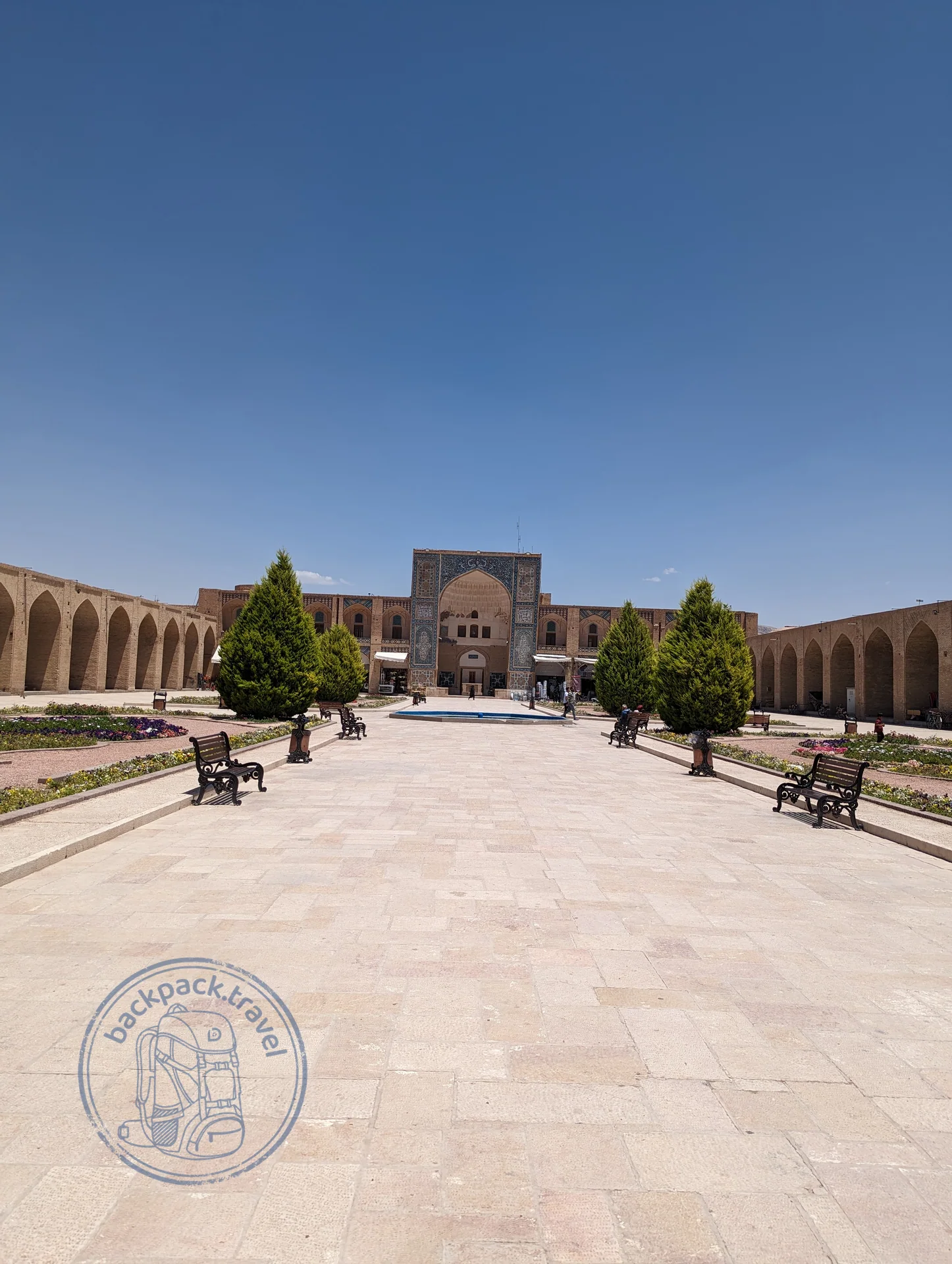
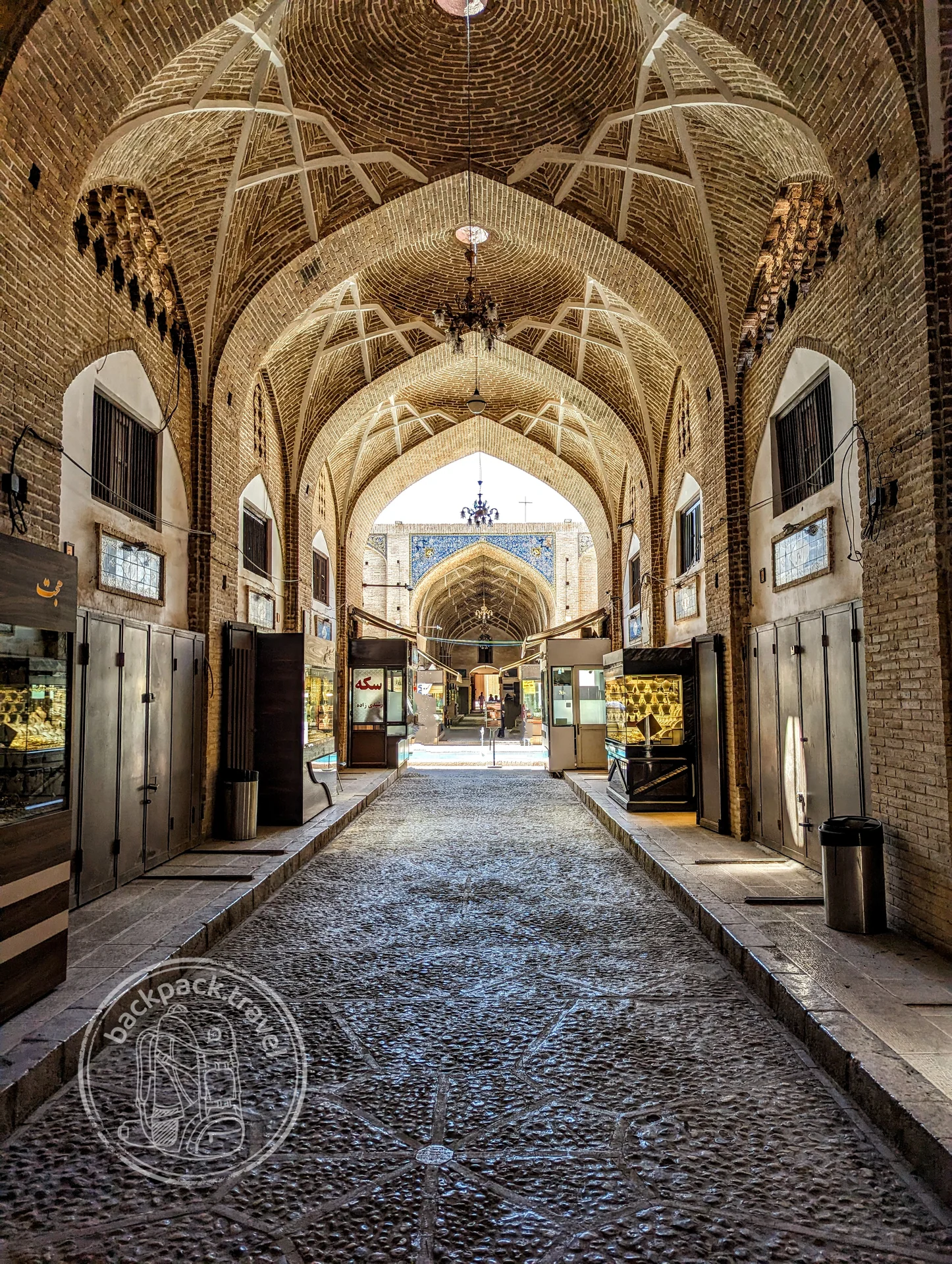
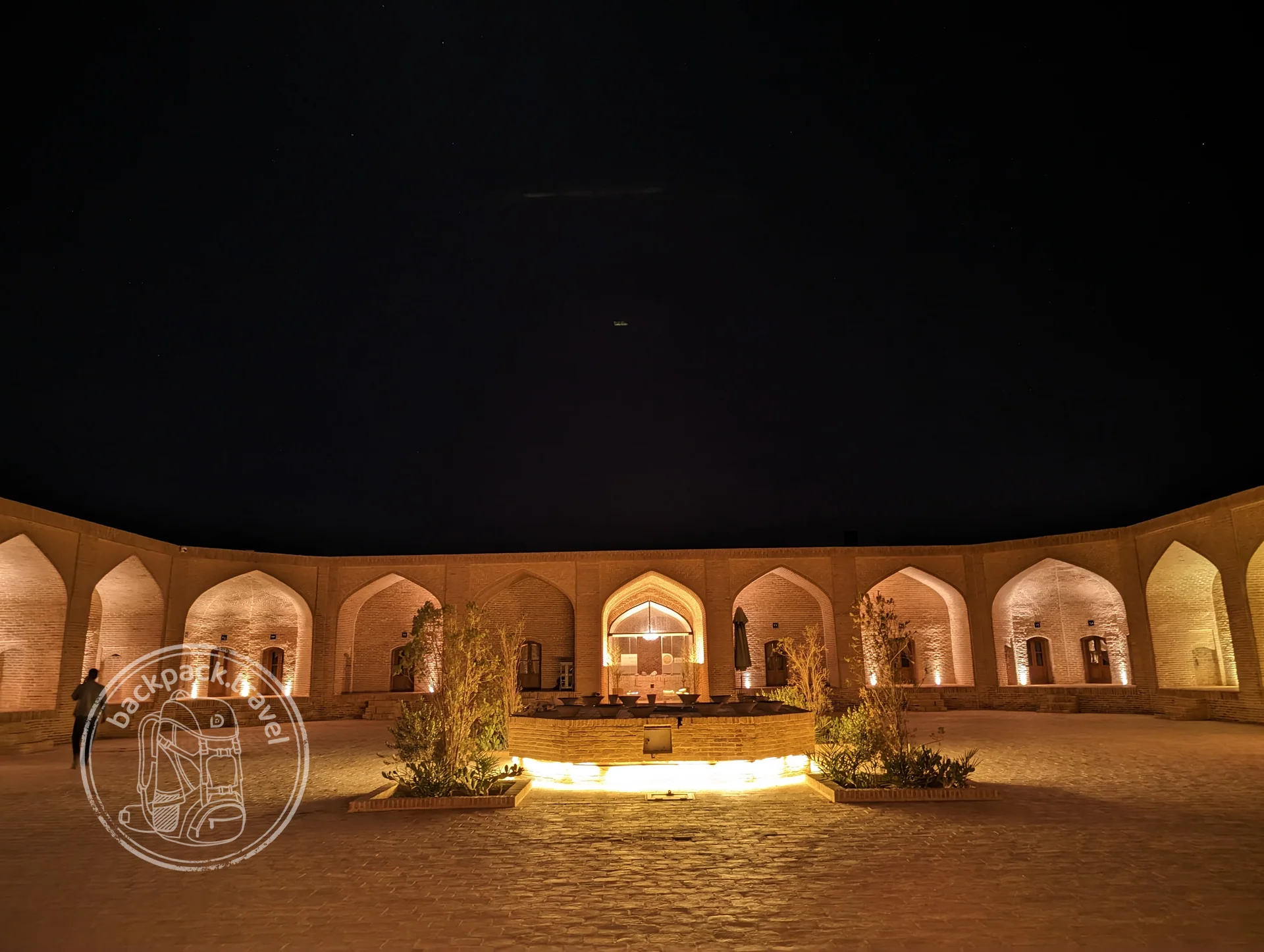
- Ganjali Khan complex — a Safavid ensemble around a square: a bathhouse now a museum with wax figures, a caravanserai, a mint and part of the bazaar.
- Kerman Grand Bazaar — long covered rows running half the length of the city, among the most atmospheric in the country.
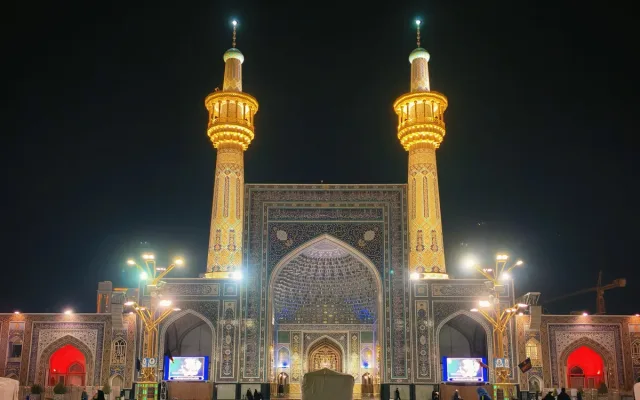
- Friday (Jameh) Mosque — a fourteenth-century building with a tiled portal.
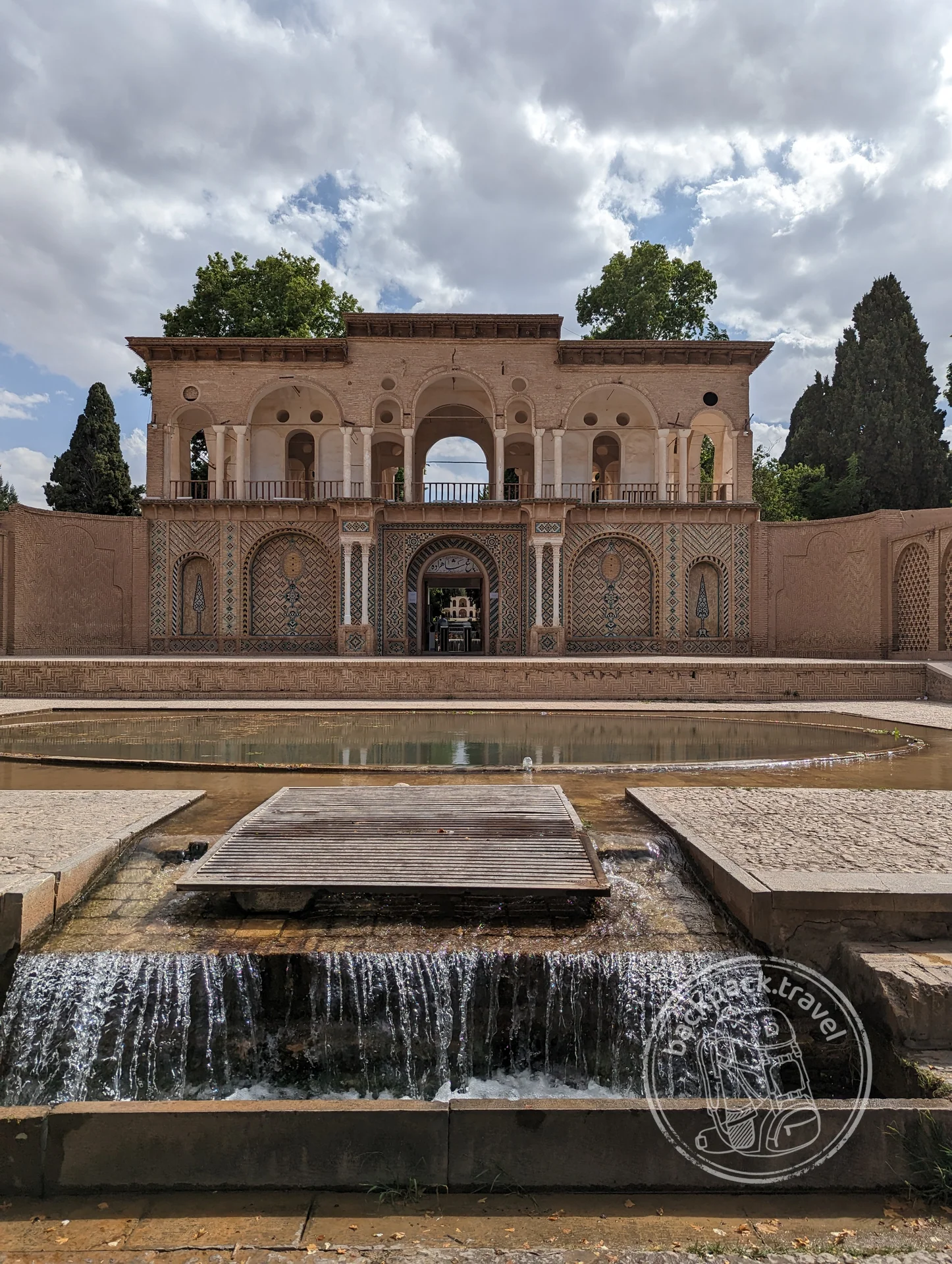
- Shazdeh Garden at Mahan — a textbook Persian garden with a cascade of fountains at the foot of the mountains, a UNESCO site an hour away; beside it stands the mausoleum of the Sufi Shah Nematollah Vali.
- Rayen Castle — a mud-brick fortress town 100 km away, the smaller relative of Bam, which had to be rebuilt after the 2003 earthquake, whereas this one came through intact.
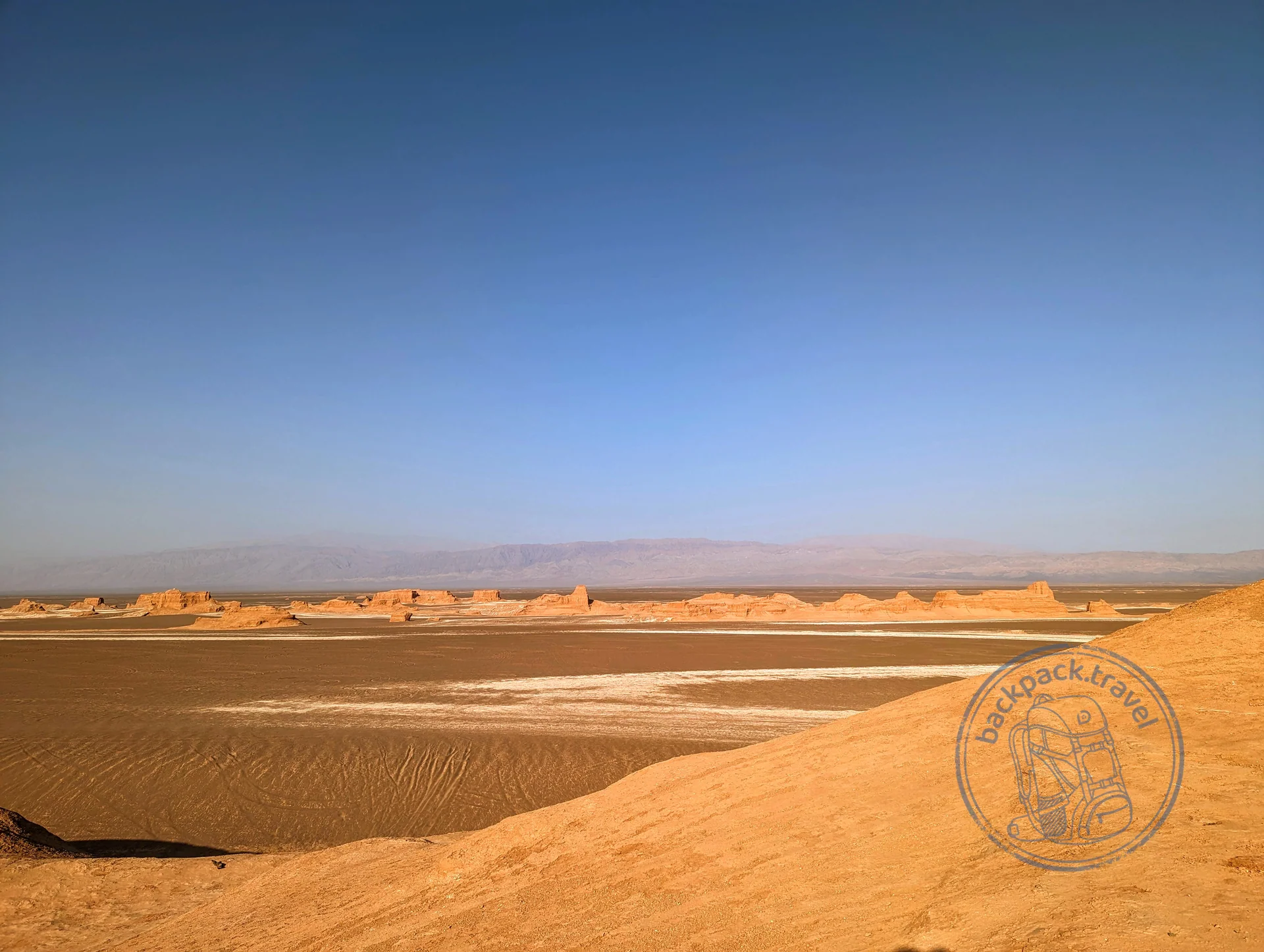
- Kaluts of Shahdad — improbable sand "cities", or yardangs, out in the Lut, one of the hottest places on the planet.
Food and money
Local products are pistachios, dates from the Bam area and kolompeh, a date-filled pastry. The cooking is Iranian, kebabs and soups. Cash is essential: foreign cards do not work in Iran, so change money in advance.
Getting there
Kerman airport (KER) takes domestic flights, and there is a rail link. Getting around the region means a car with a driver or an organised tour; runs into the Lut are arranged by local guides. In summer desert trips move to early morning and evening.
When to come
The climate is high desert: hot and dry in summer, cold nights in winter. The best months are October and November, then March and April, when both the city and the desert are comfortable.
Updated