 Города и дороги
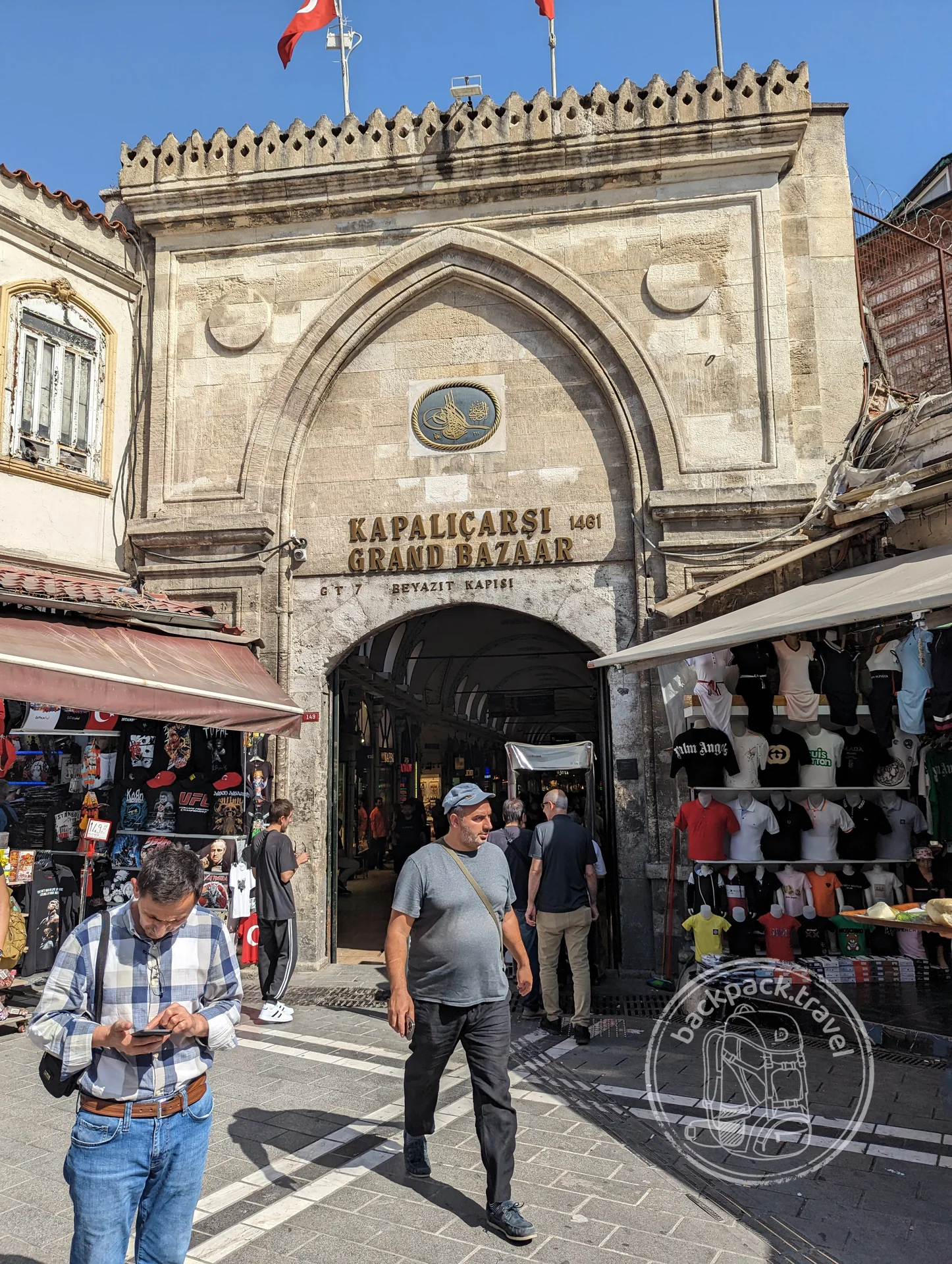
The covered market of Kapalicarsi grew around a small stone bedesten that Mehmed II ordered built soon after the taking of Constantinople in 1453.
Why it was built
The revenue from the trading rows went to the upkeep of the Hagia Sophia, and that set the scale of the place: by the seventeenth century a whole system of covered streets, hans and warehouses had grown around the first store. Fires and earthquakes, above all the destructive one of 1894, changed the market again and again, so the vaults and walls today are assembled from buildings of many periods.
How it is laid out
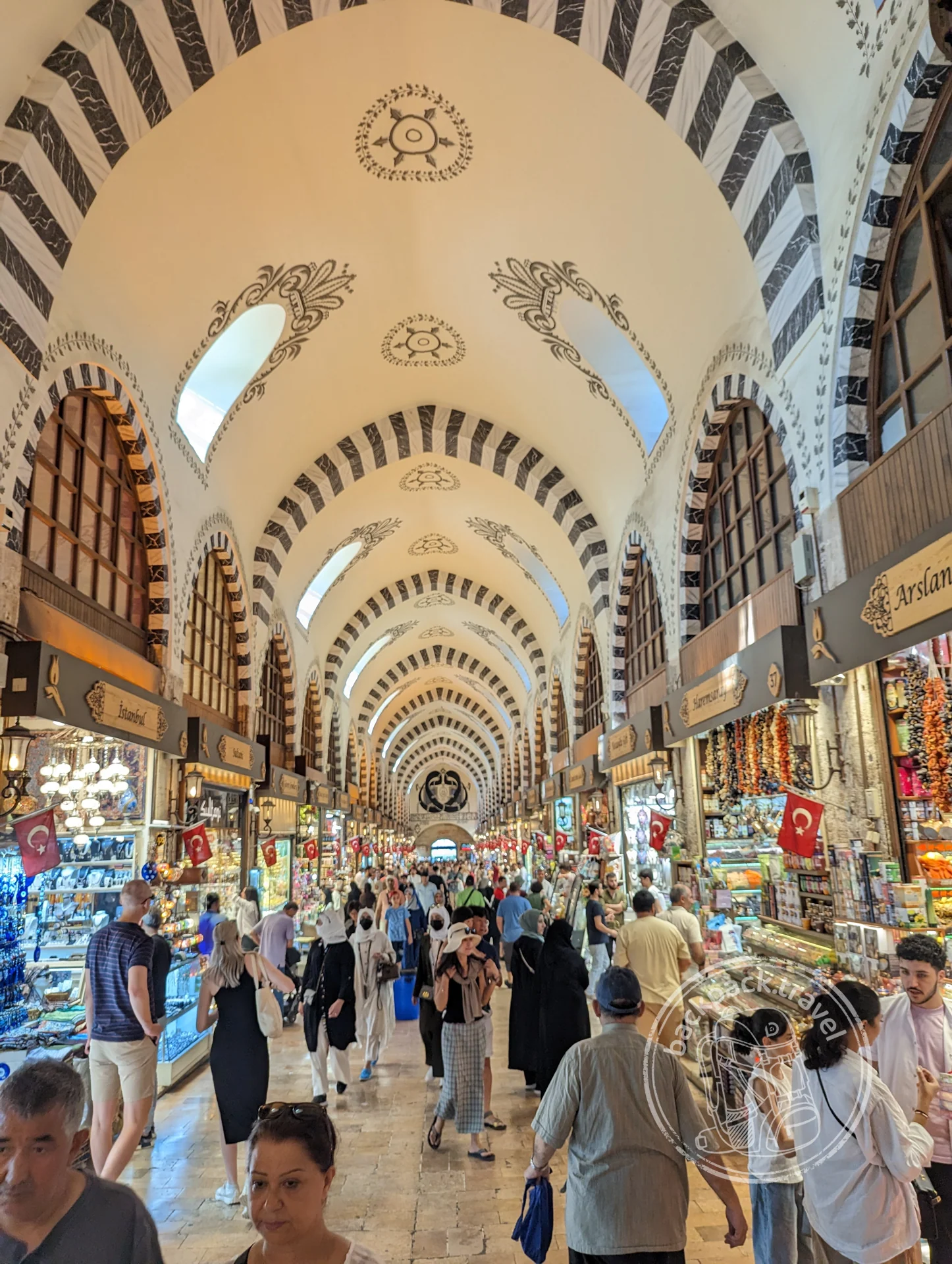
There are now over sixty streets inside and around four thousand shops, arranged on the old guild principle: separate quarters for jewellers, for carpets, for leather, antiques and household goods. More than twenty gates open onto different parts of the old city, and the Ottoman arms with the sultan's tugra sit above the main one, Nuruosmaniye.
Why people get lost
It is easy to lose your bearings inside: the streets meet at unexpected angles, and the height of the vaults and the colour of the painting change from quarter to quarter. The simplest way to navigate is the main axis, Kalpakcilarbasi Street, which runs straight through between gates one and seven.
What is worth finding
Old hans with inner courtyards survive in the quieter side passages, where workshops are still at work; there is less selling there and more to look at. Entry is free, but the market closes entirely on Sundays and during the two main Muslim festivals.
- Address
- Beyazit, Istanbul · tram T1 to Beyazit
- Opening hours
- Mon–Sat 9:00–19:00; closed Sundays and on Eid
- Prices
- Free to enter
On the map
Reviews (0)
No reviews yet. Be the first!
Updated