 Города и дороги
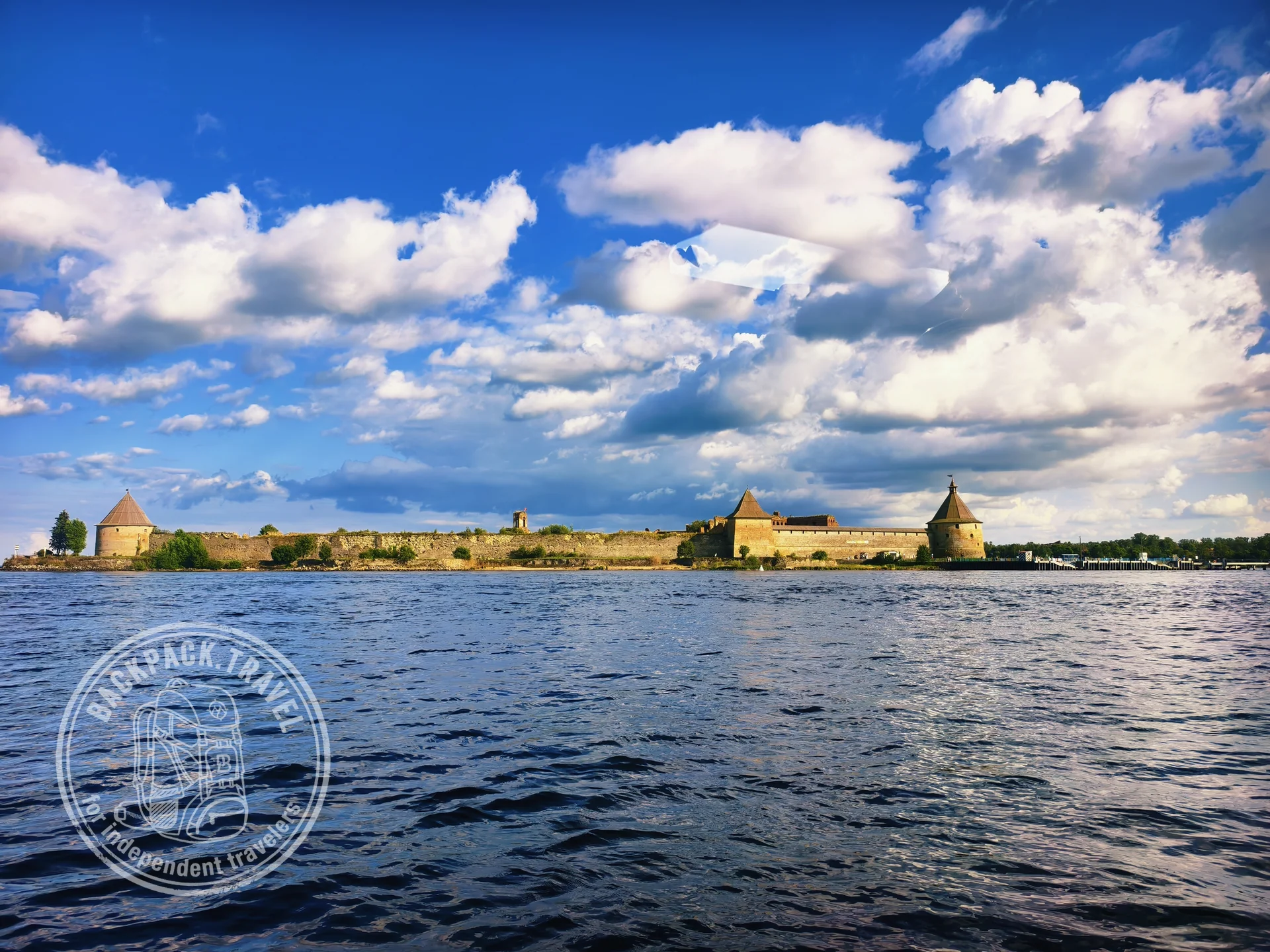
The fortress stands on a limestone headland above the valley of the Koporka: its walls and four towers were laid at the turn of the sixteenth century on the site of an earlier crusader castle.
Who built here
The first fortification was thrown up by knights of the Livonian Order in 1240, but a year later Alexander Nevsky took and destroyed it. Novgorod raised stone walls at the end of the thirteenth century and rebuilt them more than once. The present enclosure, up to fifteen metres high, with round towers, was already designed for artillery defence.
The walls
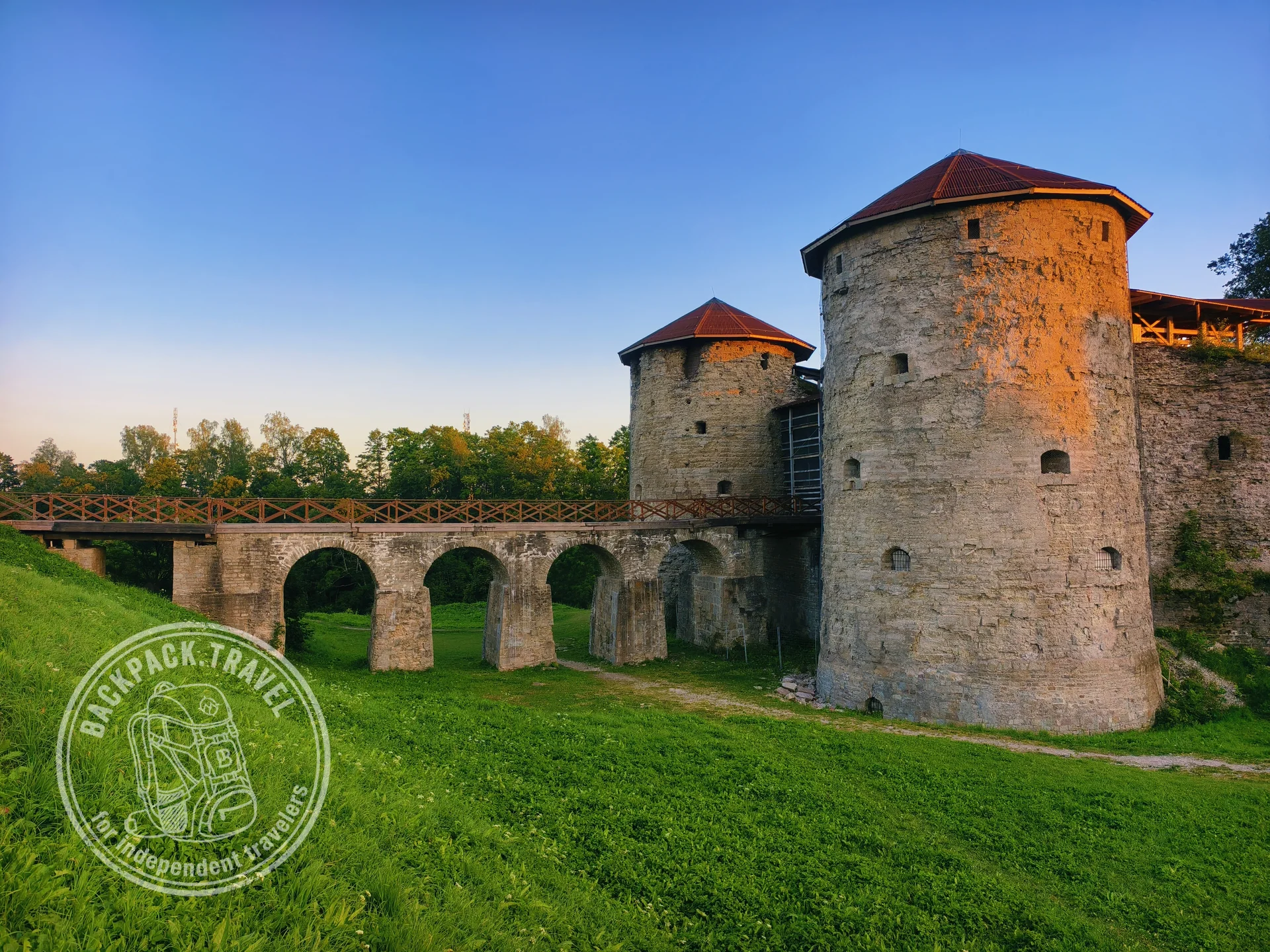
The masonry is all local limestone; the walls run over four hundred metres and reach five metres thick at the base, and the towers rise some twenty metres. A narrow stone bridge on arches leads to the gate between two round towers, its last span once a drawbridge.
Inside
Koporye fell to the Swedes twice and returned to Russia for good under Peter the Great; in 1763 the fortress was struck off the list of active ones. Inside the walls stand the ruins of the Transfiguration Cathedral, burnt in an accidental fire in 1962, and the tomb of the Zinovievs, who held Koporye for over a century.
What is open now
It became a museum in 2001; in 2013 it was closed because the masonry was unsafe, but visitors are admitted again. Movement is restricted to a wooden walkway across the courtyard, the ruins are fenced off, and the walls and towers remain closed to climbing. A visit takes from twenty minutes to an hour and a half, and the strongest impression is still the fortress seen from the road outside.
- Address
- Koporye, Leningrad Region · bluff above the Koporka
- Opening hours
- Summer 10:00–18:00, winter to 17:00; closed Mon
- Prices
- 300 RUB with the multimedia guide, concession 150
On the map
Reviews (0)
No reviews yet. Be the first!
Updated