 Города и дороги
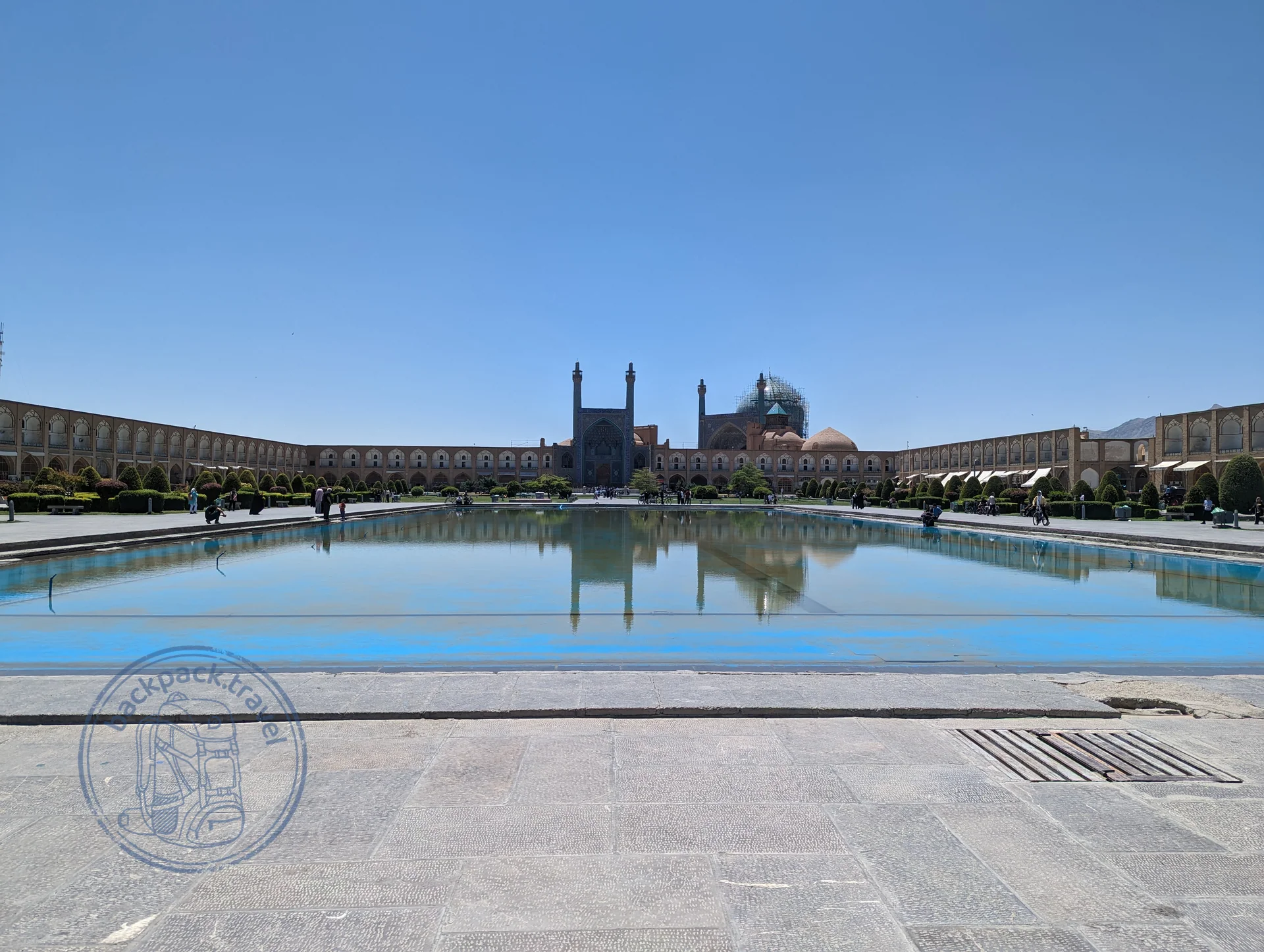
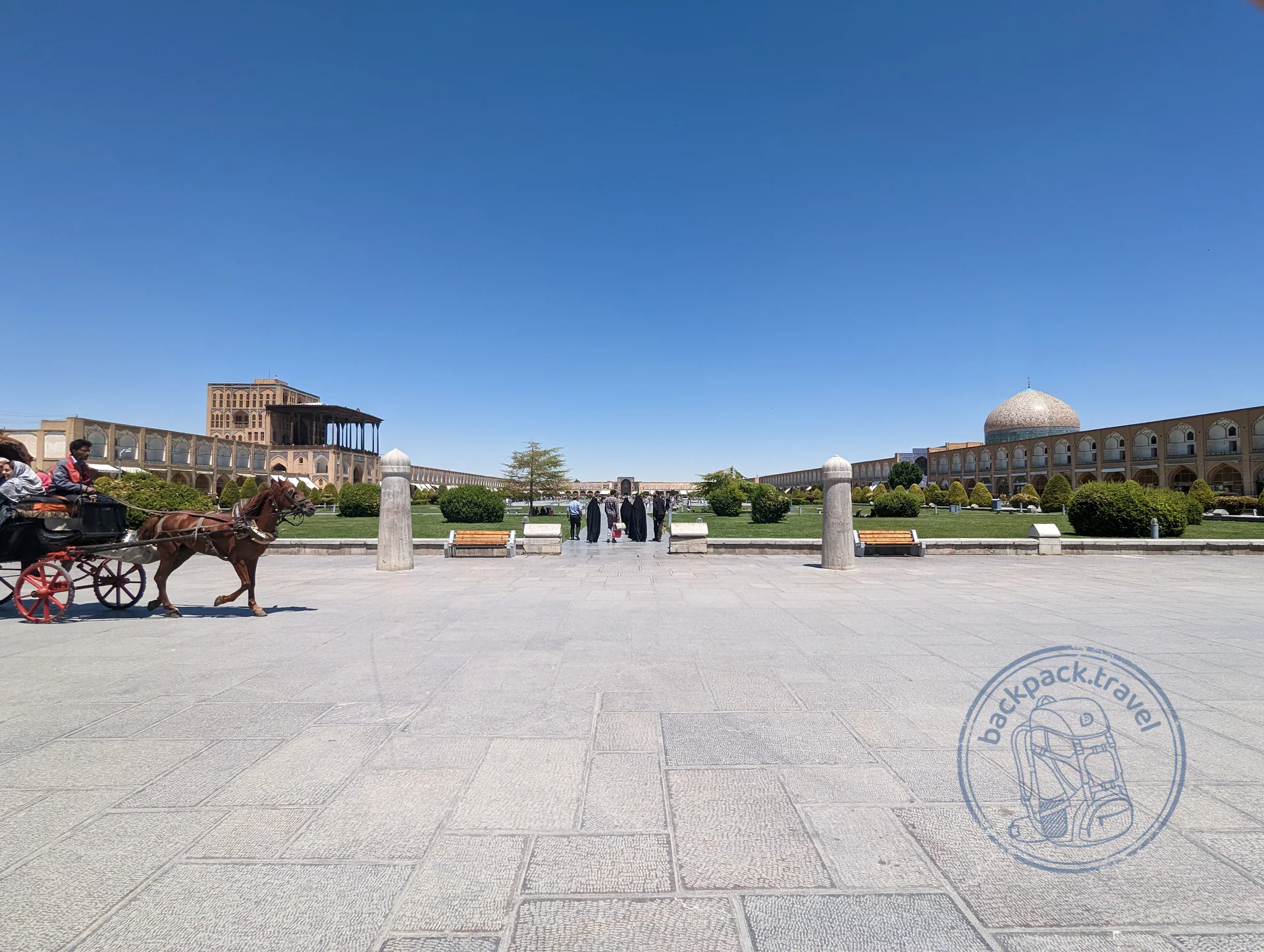
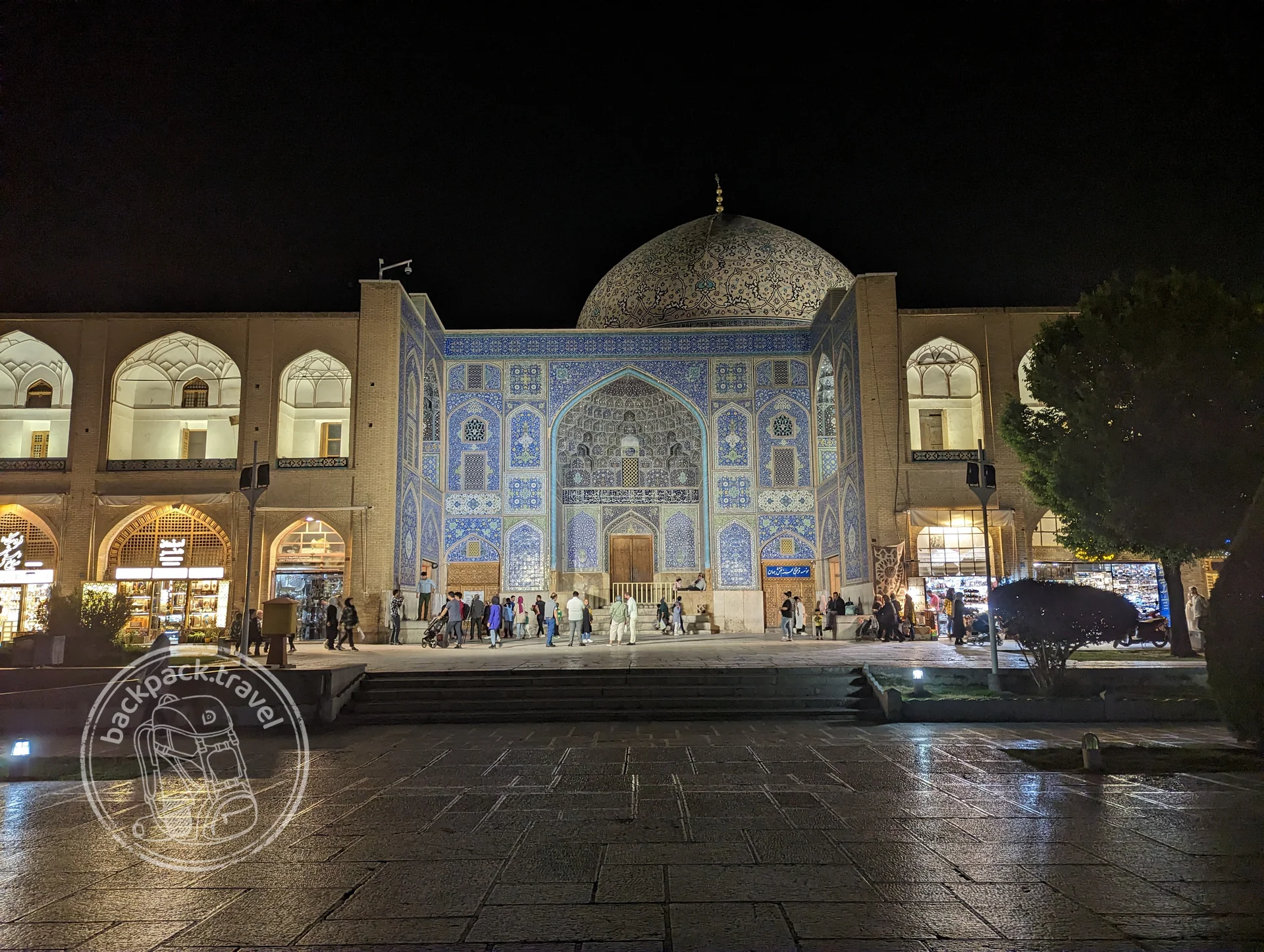
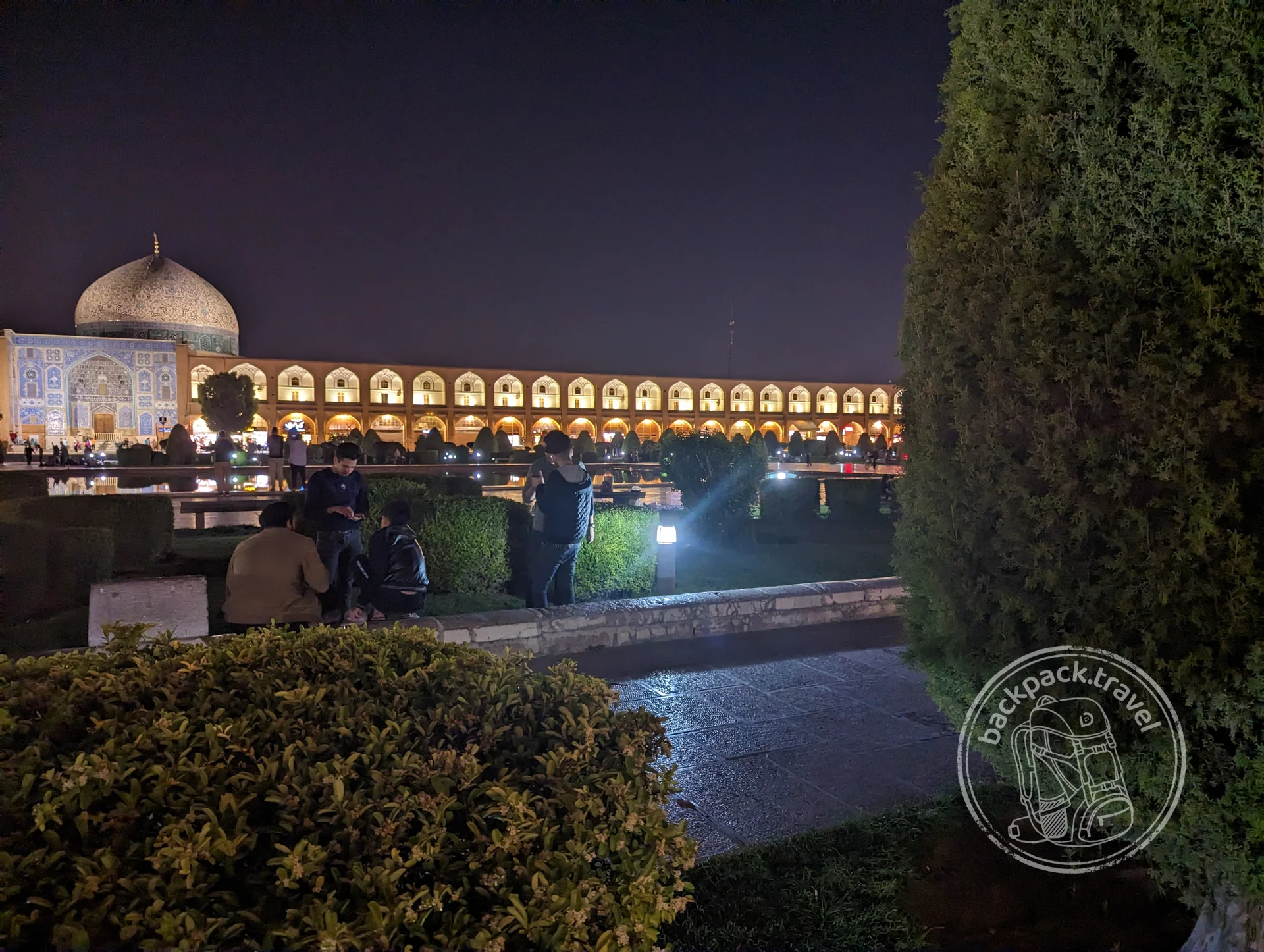
This small mosque on the eastern side of Naqsh-e Jahan Square was built between 1603 and 1619 and was intended not for communal prayer but for the court: it has neither minarets nor an inner courtyard, and an underground passage led to the Ali Qapu palace opposite. It is named after the Lebanese theologian Lotfollah, father-in-law of Shah Abbas I, who was invited to Isfahan to teach. As at the neighbouring Imam Mosque, the hall is turned relative to the portal so that the mihrab faces Mecca, and the transition is hidden in a curving corridor: as you go in you lose your bearings and emerge into the hall at a different angle. The dome outside is not turquoise but cream and sand-coloured with a fine black-and-blue pattern, and over the course of the day it changes shade from pinkish in the morning to warm gold at sunset. Inside, the dome is laid out as a lattice of medallions narrowing towards the apex, while the light from the windows under the dome falls on the floor in a shape usually compared to a peacock's tail. In the evening the floodlighting on the portal makes the tiles look more vivid than they do by day.
- Address
- Kolahdozan, Isfahan
Lists and awards
On the map
Reviews (0)
No reviews yet. Be the first!
Updated