 Города и дороги
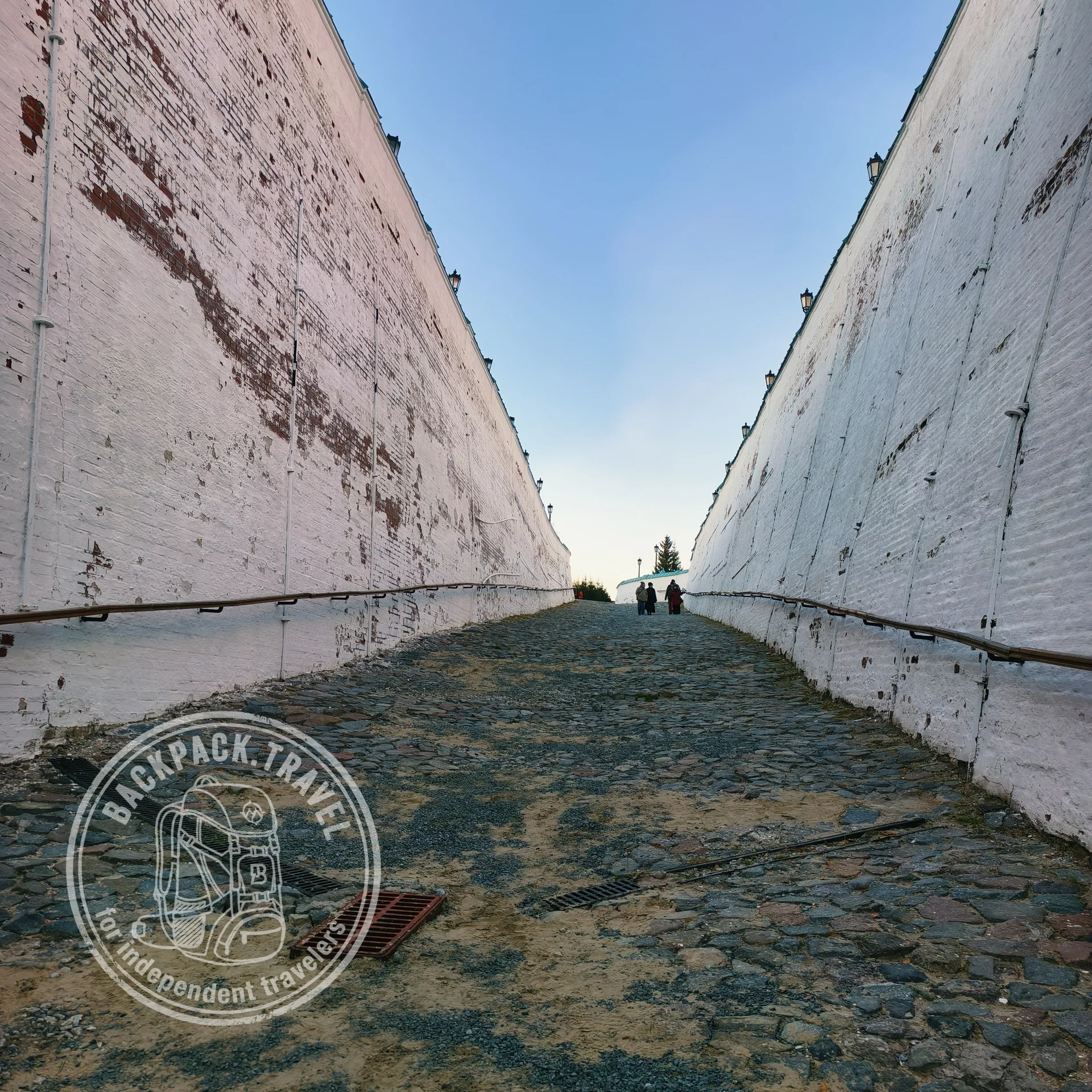
The convict prison rose beside the kremlin walls in the middle of the nineteenth century: the design was approved in 1838, building began in 1841, and the first prisoners arrived in 1855. It stayed in use until 1989, almost a hundred and forty years without a break.
A transit point
Every convoy into Siberia passed through the Tobolsk gaol: convicts were brought here from across European Russia, sorted and sent on eastwards, so hundreds of thousands of people went through these blocks.
Who was held here
Among the prisoners were Dostoevsky, who spent about ten days here on his way to hard labour in Omsk, Chernyshevsky and Korolenko. In the Soviet years it held a special-regime prison for the most dangerous inmates.
How it is laid out
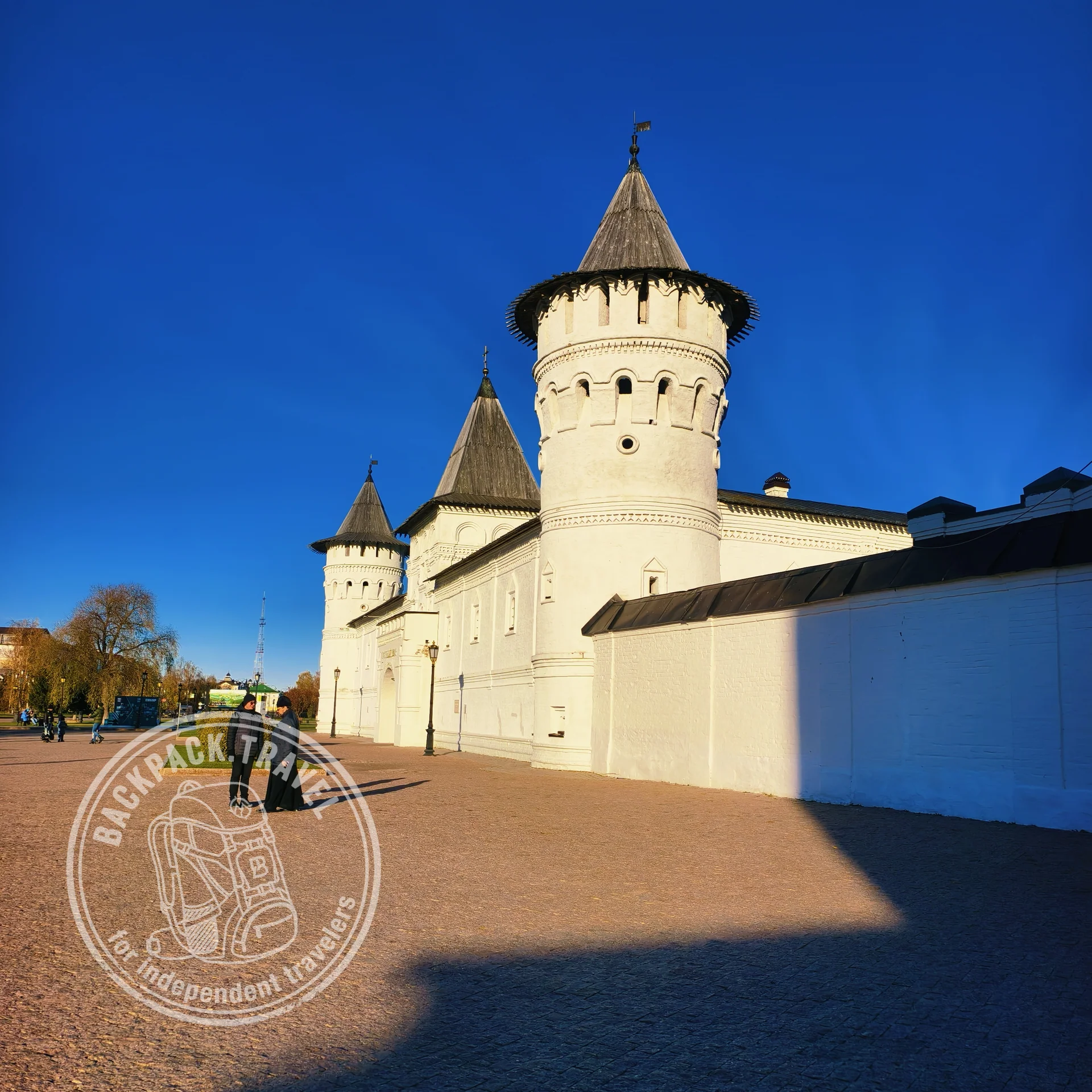
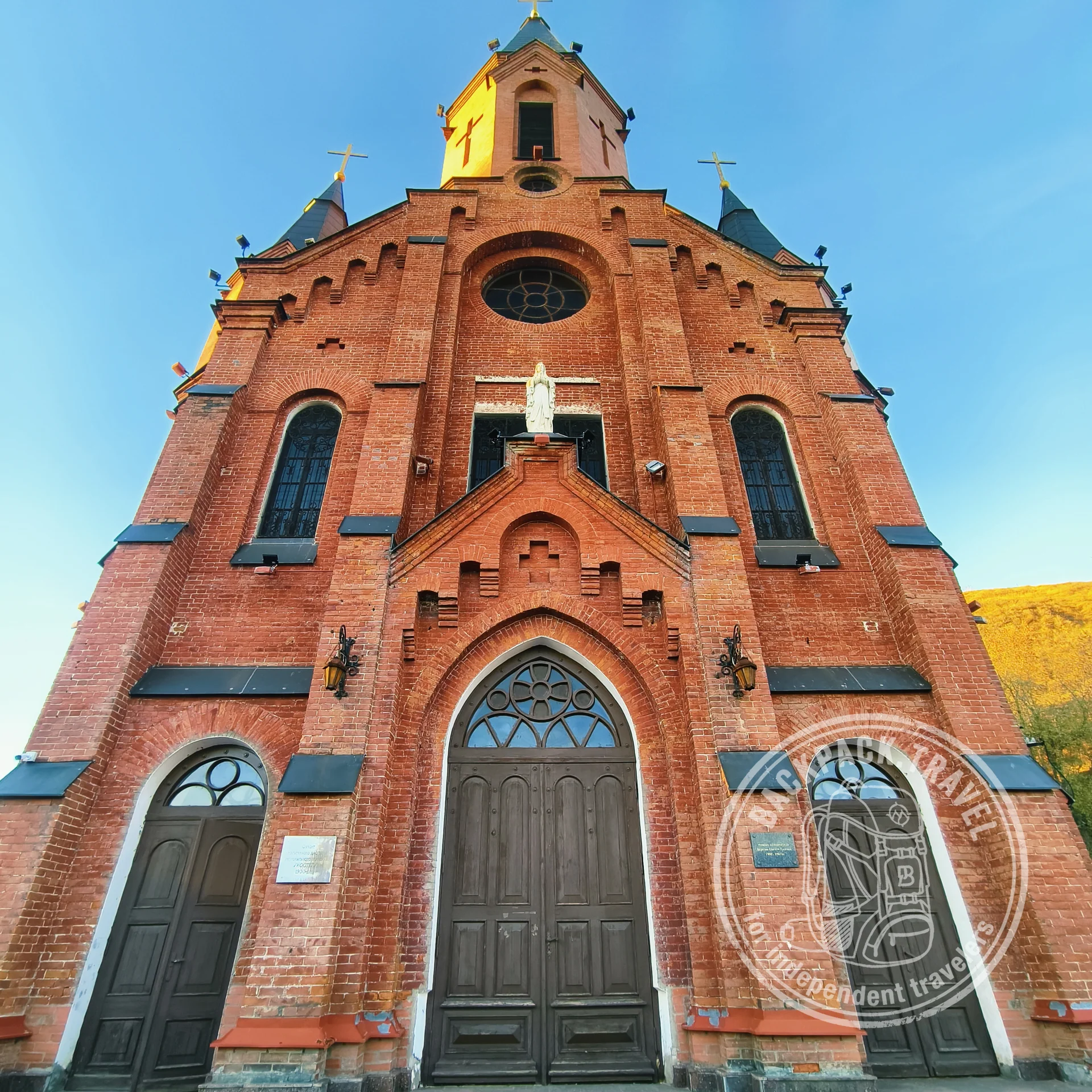
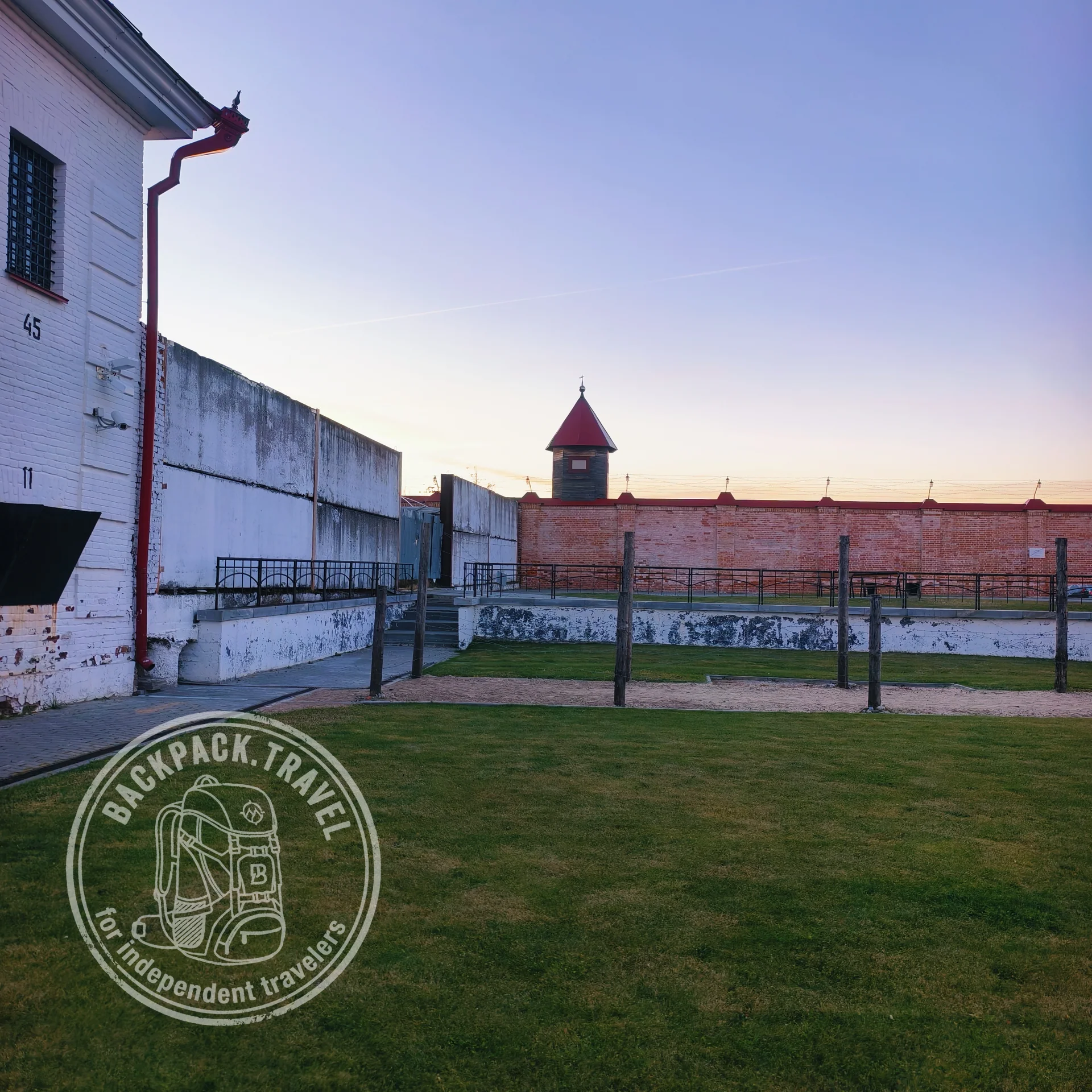
The complex is made up of five buildings — an administrative block, a guardhouse, three cell blocks and a church dedicated to Alexander Nevsky — enclosed by a blind wall with watchtowers.
What is here now
The buildings hold the museum of Siberian penal servitude and exile: the cells are left as they were, with shackles, convict papers and the daily life of transit prisoners on display, and part of the route runs through the cellars. A hostel was fitted into two cells of one block, so a night in the former prison is offered as a separate attraction.
- Address
- Krasnaya Square 5, Tobolsk · by the kremlin walls
- Opening hours
- Tue–Sun 10:00–18:00; closed Monday
- Prices
- Adult 500 RUB, child 300
On the map

Reviews (0)
No reviews yet. Be the first!
Updated