Description
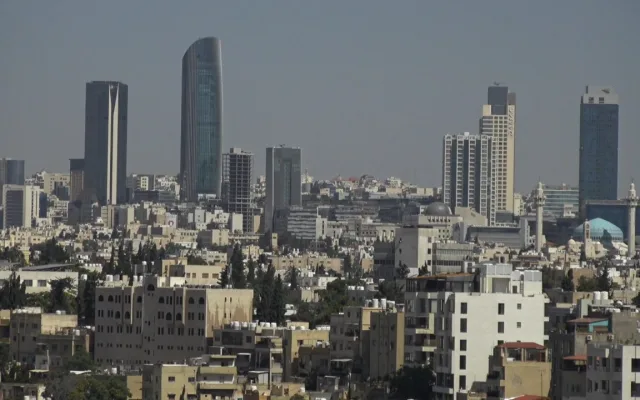
Jordan's hilly capital — the Citadel, the Roman theatre, downtown street food and the cafés of Rainbow Street.
Wiki
Amman is rarely the main reason for a trip to Jordan — and that is a mistake: it is a convenient base to start from, an authentic Arab capital with no gloss on it, and the best place to acclimatise to the country before Petra and the desert. The city is spread over hills, so "walking around the centre" only half works here. Keep that in mind when planning.
Is it worth going, and for how long
Two days is more than enough for Amman. That covers every key point and leaves time for cafés and the market. Many people use the city as a transit hub: land, sleep, dip into the centre and head south. If your Jordan itinerary is tight you can compress Amman into one busy day, though it is a shame to lose an evening on Rainbow Street.
The layout is simple: the historic centre (downtown, al-Balad) sits in the valley, while the residential and café districts — Jabal Amman, Jabal al-Weibdeh — occupy the hills around it. In between are steep climbs and the city's famous staircases. It is handsome, but your legs tire faster than you expect.
How to structure a visit
- Day 1 — the centre. The Citadel on the hilltop (the views over the whole city are free and best in the late afternoon), then down to the Roman theatre, and a walk through downtown with its shops, spice stalls and gold souk.
- Day 2 — modern Amman. Rainbow Street, the Darat al Funun art centre, and bohemian Jabal al-Weibdeh with its galleries and coffee houses. Add the King Abdullah I Mosque.
There is a stepped path between the Citadel and the theatre, but it is easier to take a taxi down — the climb back in the heat is punishing. The main sites charge admission; if you are visiting other places in the country, work out whether the Jordan Pass pays off (it covers the visa and entry to Petra and many other sights, and often justifies itself on the visa alone).
Where to stay
- Downtown (al-Balad) — cheap, noisy, everything on foot, plenty of hostels. Ideal for budget backpackers and anyone who likes street life.
- Jabal al-Weibdeh — quiet, atmospheric, full of cafés and art; the best balance if you want to live like a local.
- Jabal Amman / Rainbow Street — mid-range prices and handy in the evenings.
Avoid hotels far from these areas: without a car, moving around the hills is exhausting, and public transport is opaque for a visitor.
Transport: the details that matter
The airport (AMM) is 35 km out. The Sariyah Express bus is the cheapest and most predictable way into the centre and runs regularly; a taxi costs considerably more, so agree the fare in advance or insist on the meter. Careem and Uber both work and take all the pain out of haggling — around town they are the best option, with a fixed price and no argument.
Amman Bus city services are cheap, but the routes are hard to work out without Arabic. For a visitor the realistic options are ride-hailing apps and your own feet. For Petra and Wadi Rum, the JETT coaches are the most convenient (book ahead, seats are limited), and departures are often early.
Food: what to go for
Amman is an honest city gastronomically — you eat well and cheaply.
- Falafel and hummus for breakfast at the old places downtown: filling and next to nothing.
- Knafeh — the stretchy cheese-and-syrup dessert that is a local point of pride; take it fresh from the tray.
- Shawarma on the street — a fast, cheap lunch.
- Mansaf — lamb with fermented jameed yoghurt; heavy but compulsory, and best saved for an unhurried dinner.
Street food covers your meals for very little; a restaurant dinner with mezze costs more but is still gentle by travelling standards. Cardamom coffee and mint tea are a ritual here rather than just a drink.
Safety and practicalities
Amman is one of the calmest cities in the region; street crime is rare and visitors are treated warmly. The main things to know are everyday ones:
- Clothing. Jordan is more liberal than its neighbours, but covered shoulders and knees — particularly for women, and particularly outside tourist areas — save you unwanted attention.
- Cash. Many shops and taxis take cash only, in Jordanian dinars (a strong currency, so keep the rate in mind). Carry small notes.
- Friday is the day off: parts of downtown go quiet and museums may keep shorter hours.
- Ramadan shifts everything: cafés are closed during the day, but the city comes alive in the evening. Plan around it.
Common mistakes
- Giving Amman too many days — the city is not about the number of sights.
- Underestimating the terrain and planning to walk everywhere between the hills.
- Haggling with unmetered taxis instead of using Careem or Uber.
- Chasing knafeh in tourist spots while ignoring the proven places downtown where locals buy it.
Amman does not stun you with postcard beauty — it is about a living rhythm, good cheap food and a convenient start. Give it two days, do not rush, and be sure to climb up to the Citadel at sunset.