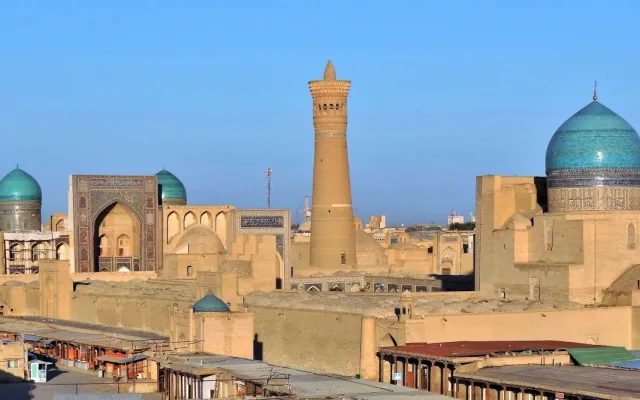
Bukhara
UzbekistanDescription
An open-air museum of madrasahs and trading domes: the Ark citadel, the Samanid mausoleum and the Poi-Kalyan ensemble, all walkable.
Wiki
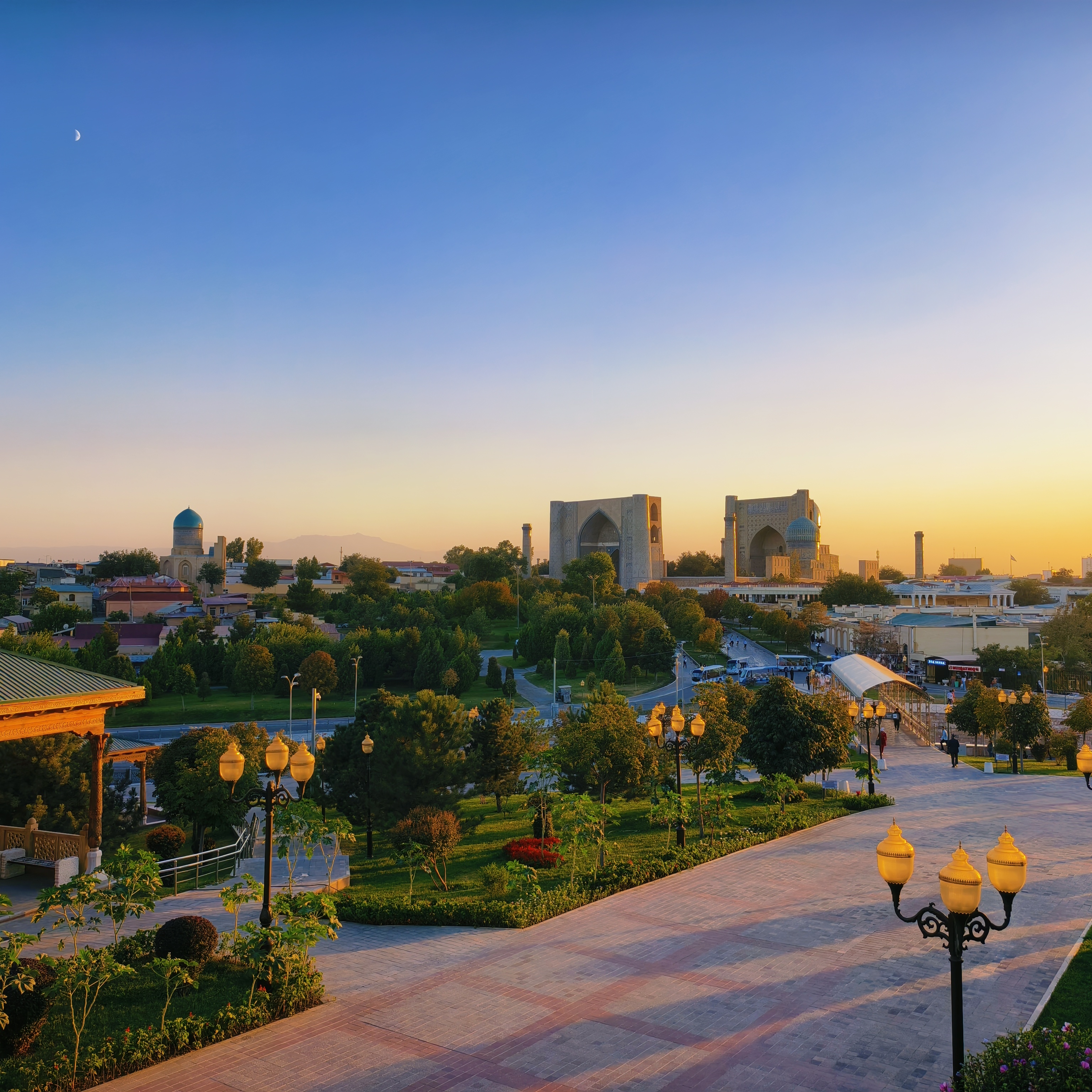
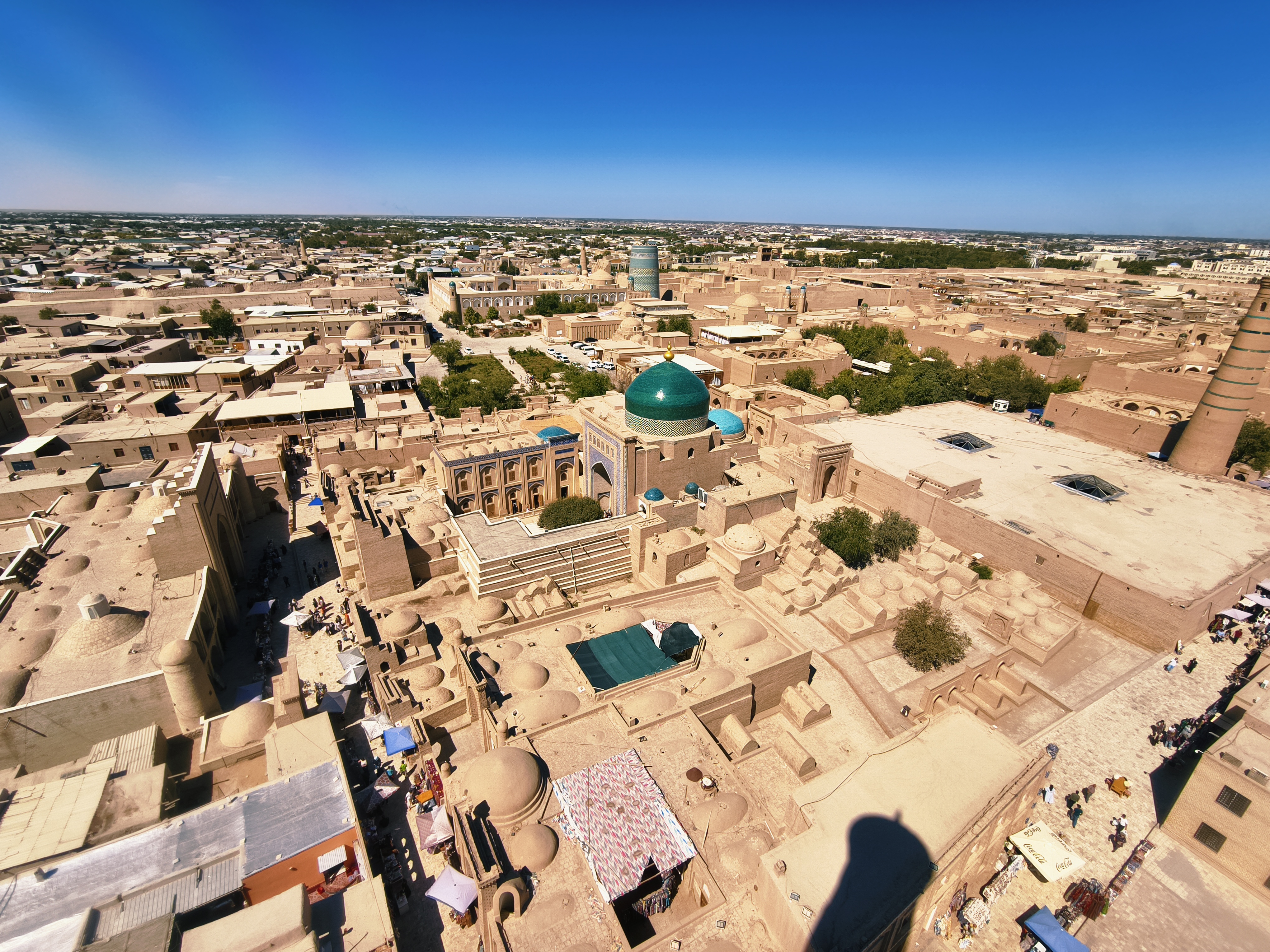
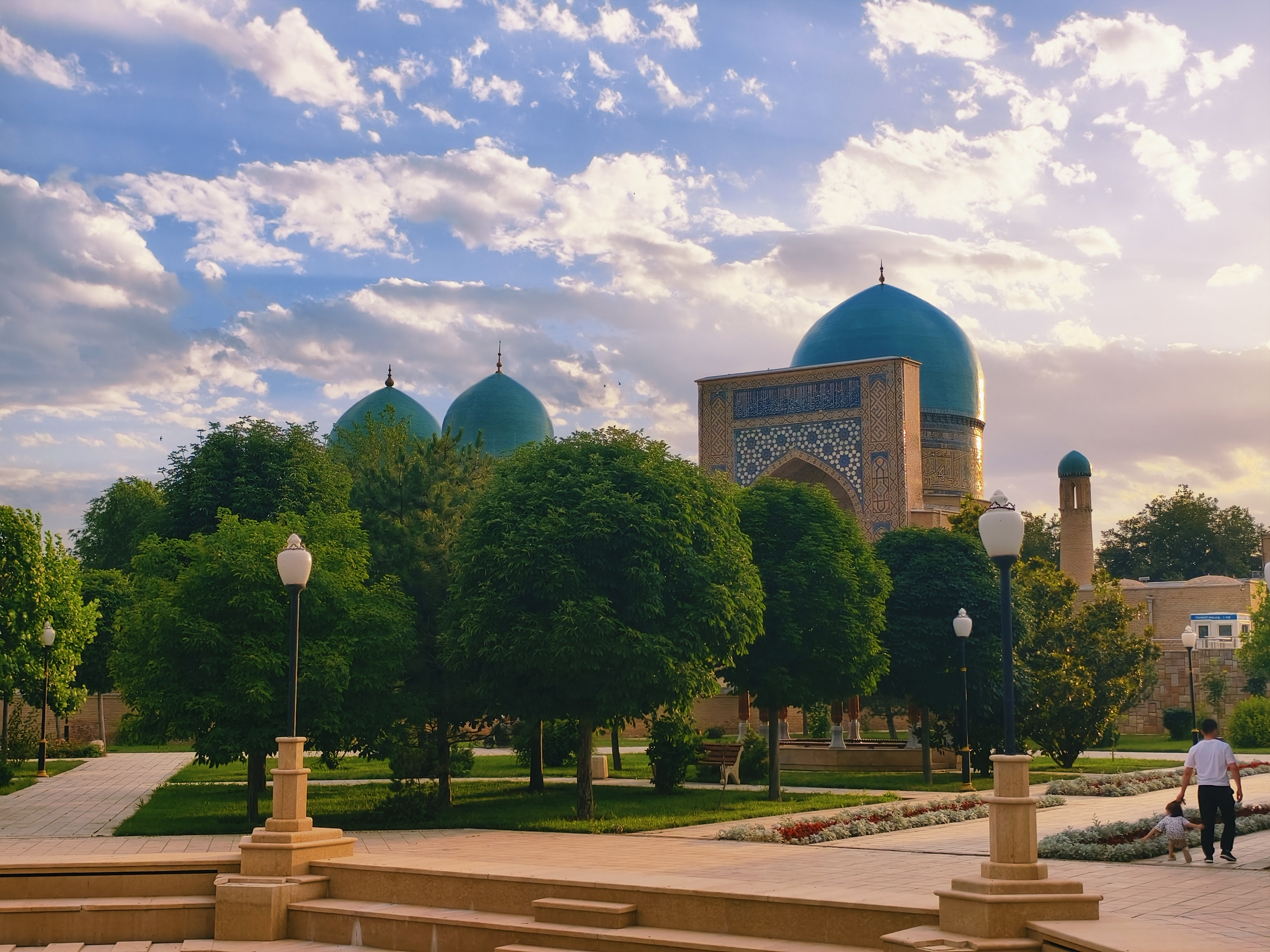
Bukhara (Uzbek Buxoro) is one of the oldest cities in the world and a jewel of the Silk Road. Founded more than 2,500 years ago, it has been a UNESCO World Heritage Site since 1993. Unlike Samarkand, Bukhara has kept its old town alive: the same lanes are still walked by people who live there, not only by visitors.
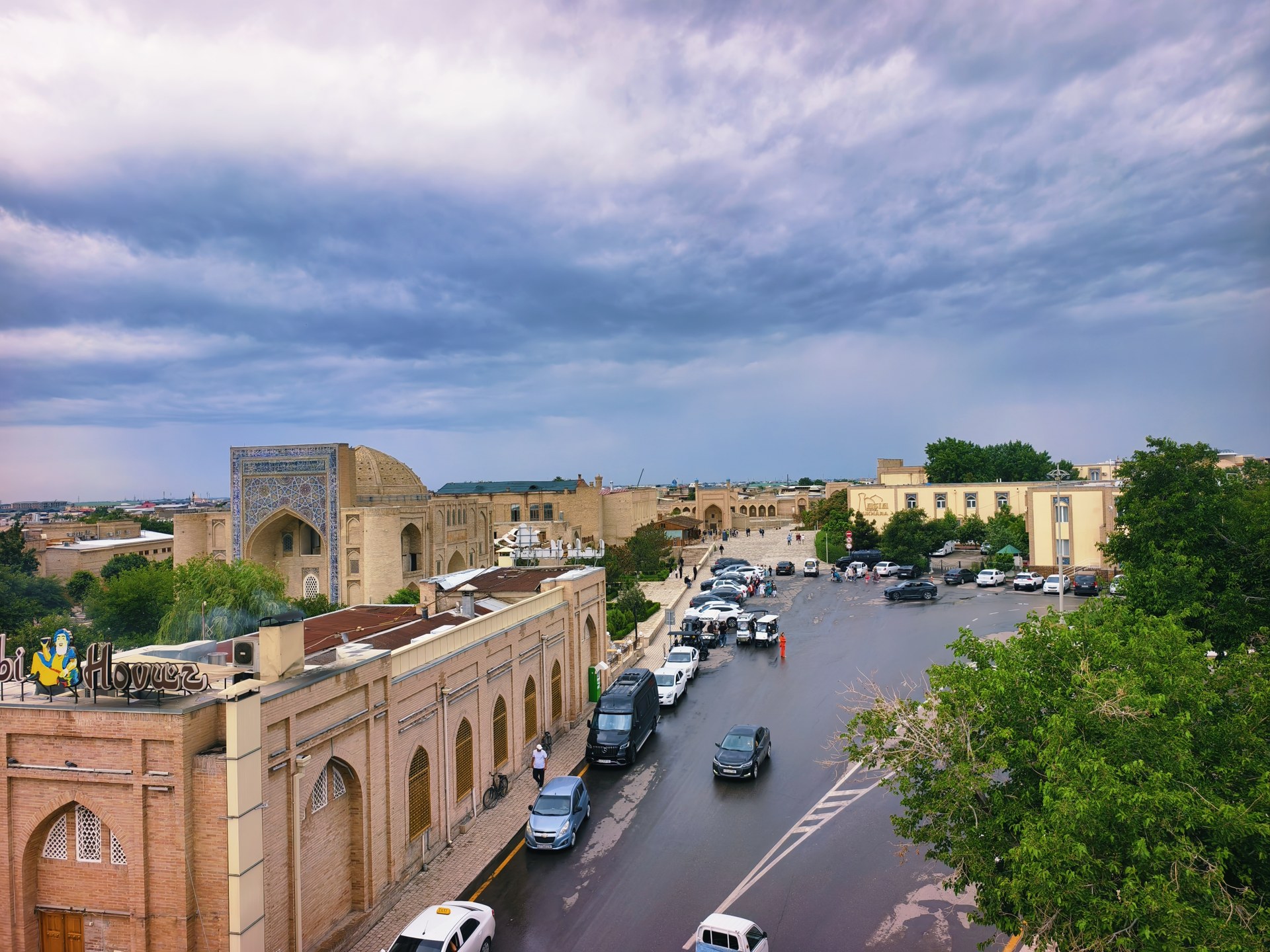
The population is around 280,000. Almost everything worth seeing is within walking distance of everything else, which makes the city easy to explore on foot over two or three days.
The main sights
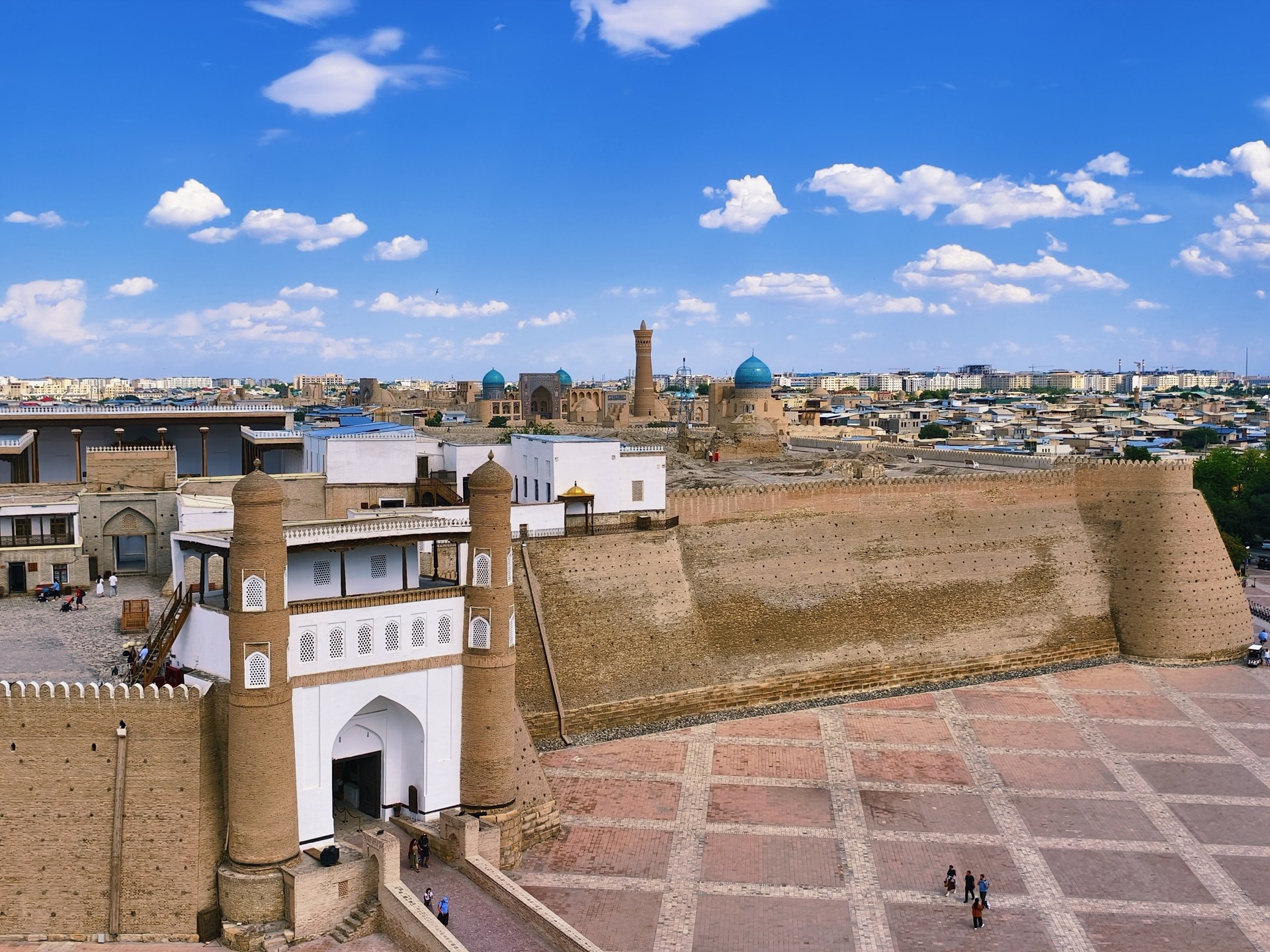
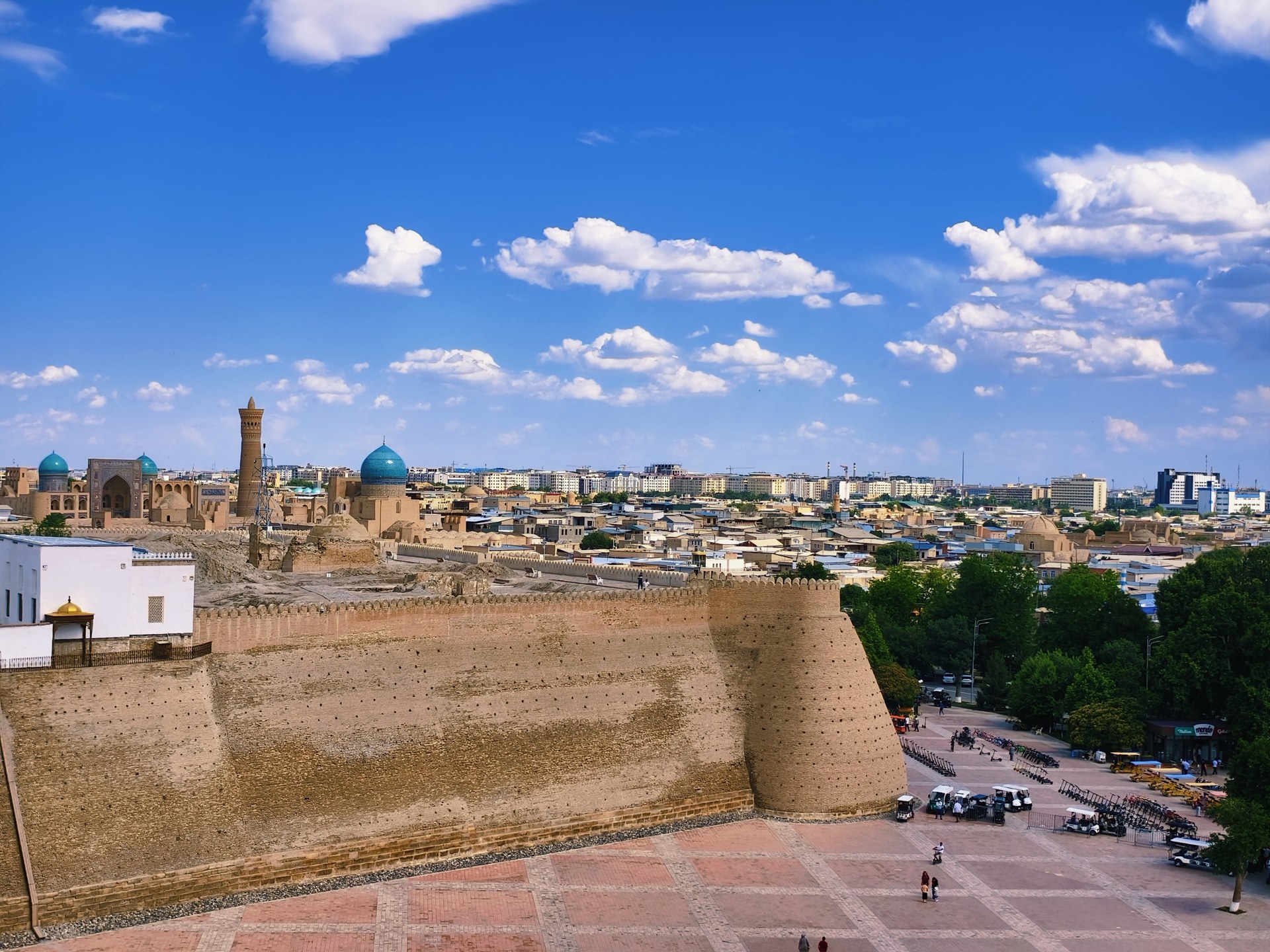
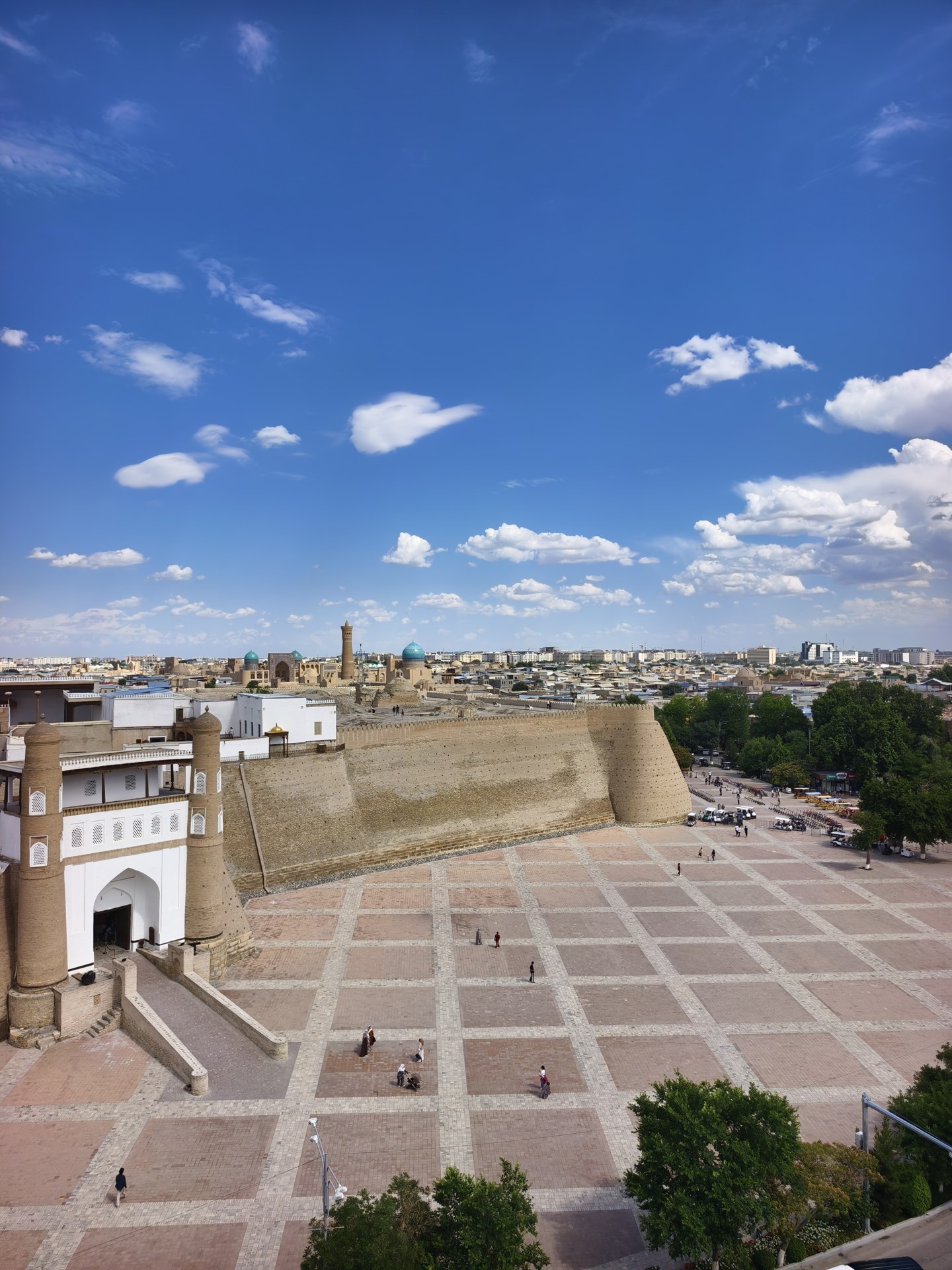
The Ark citadel
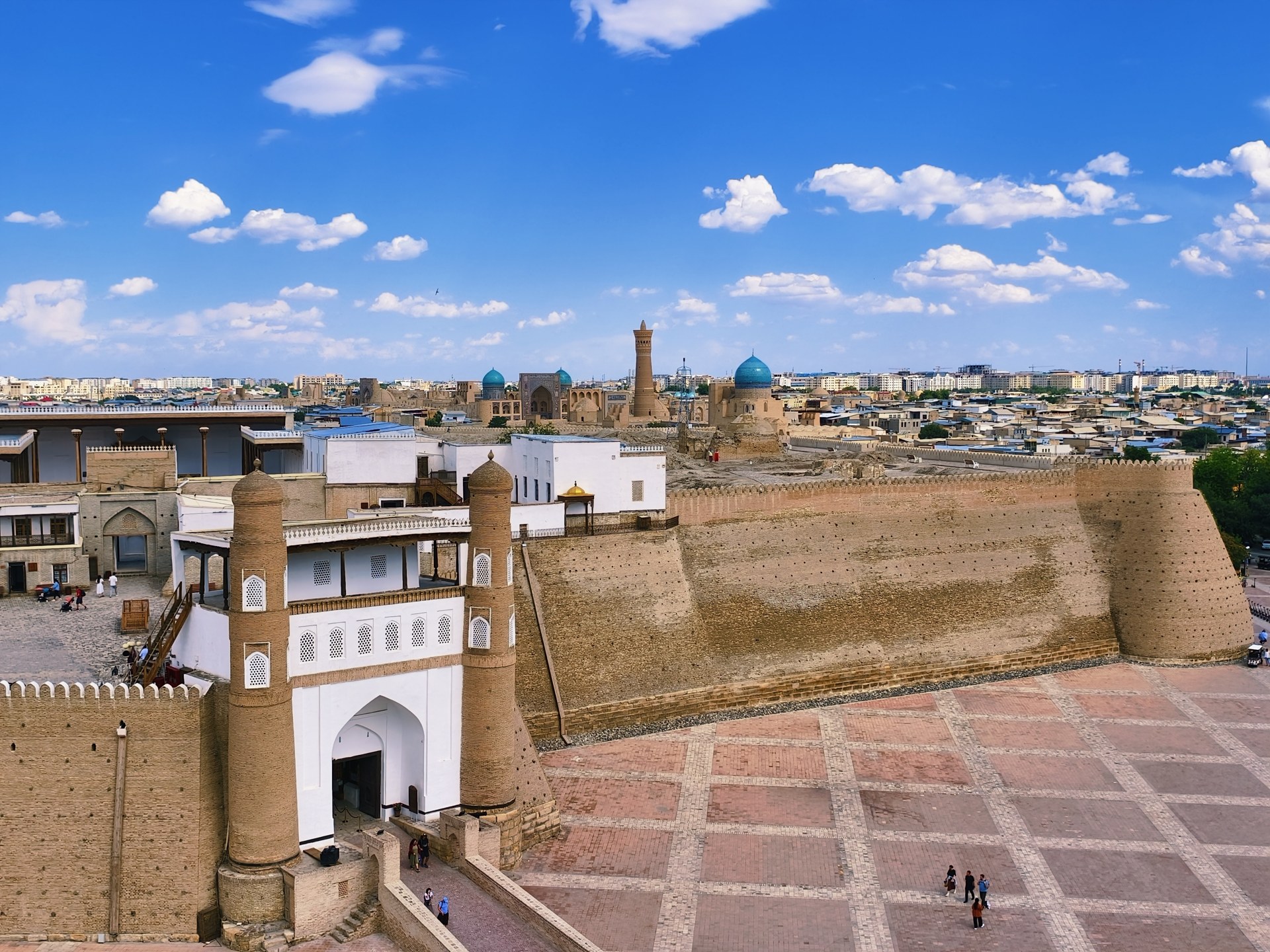
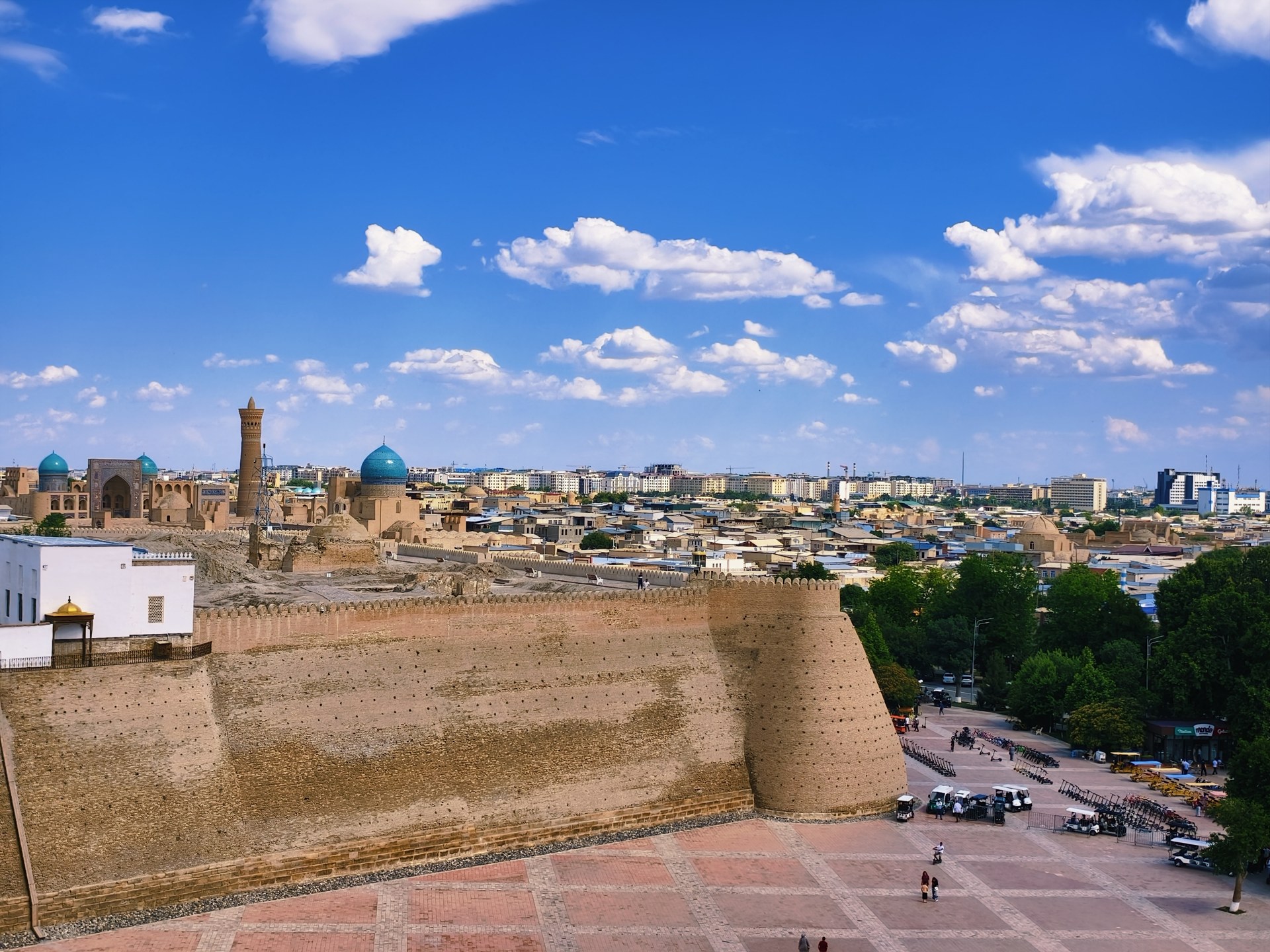
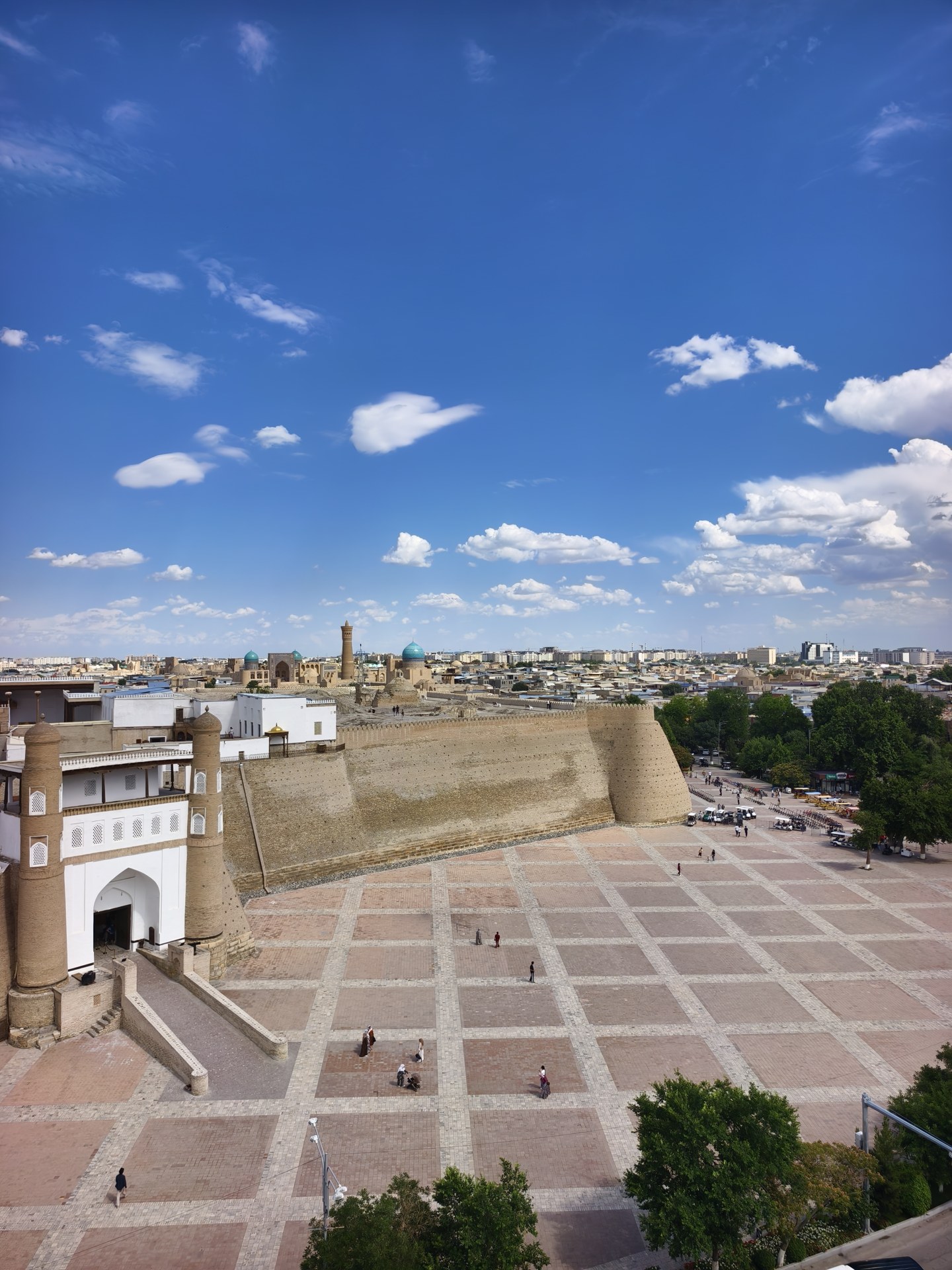
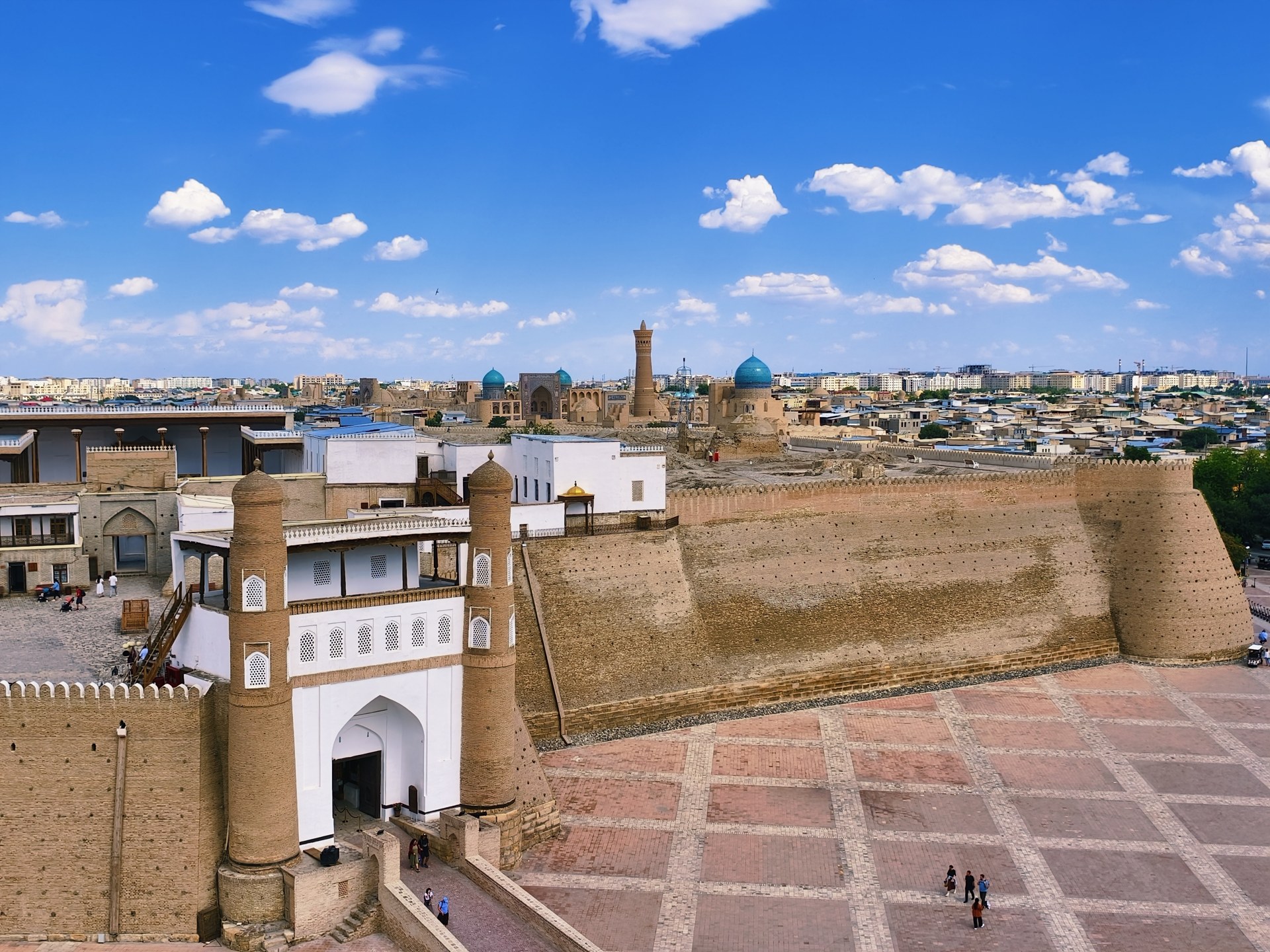
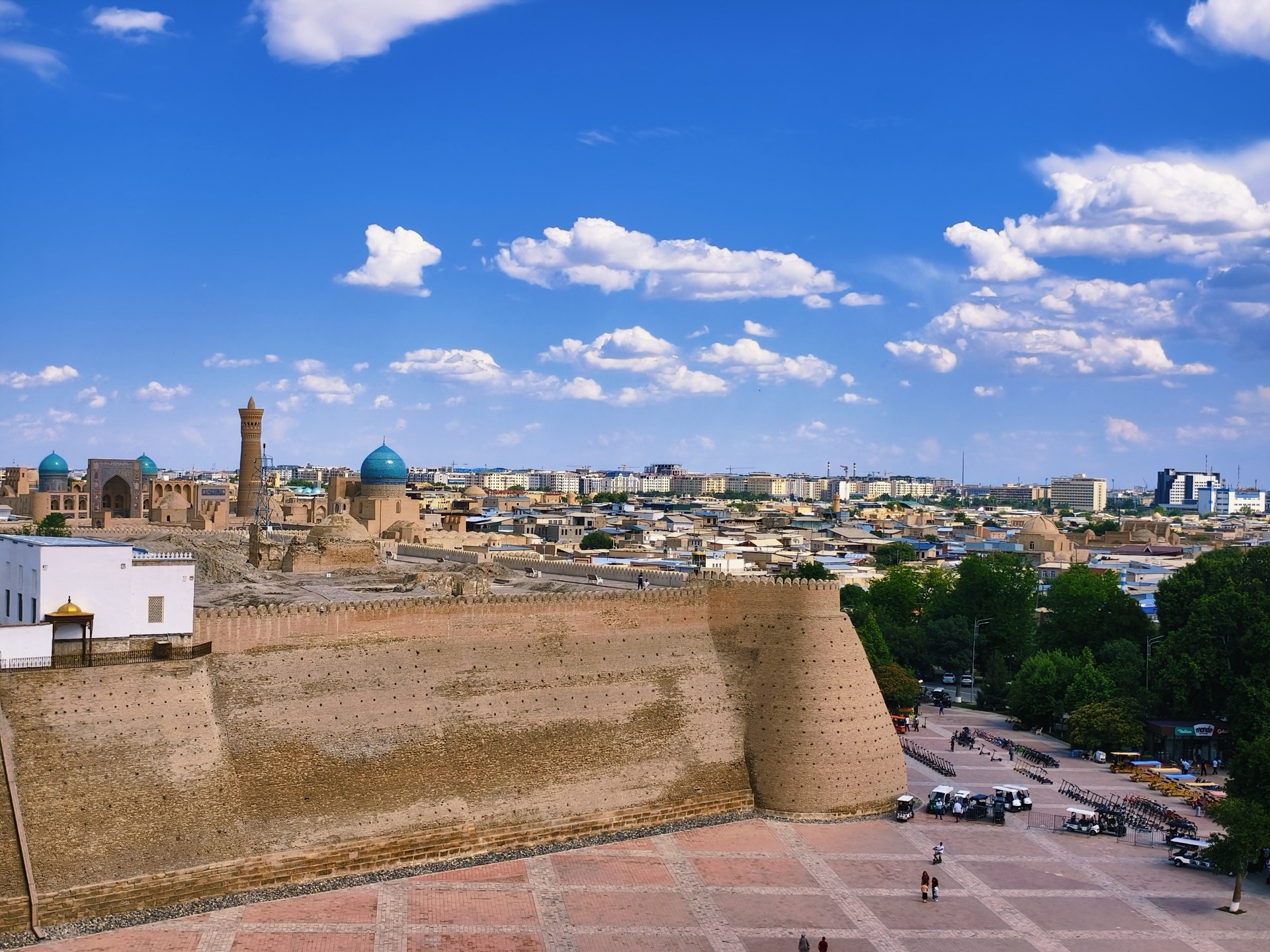
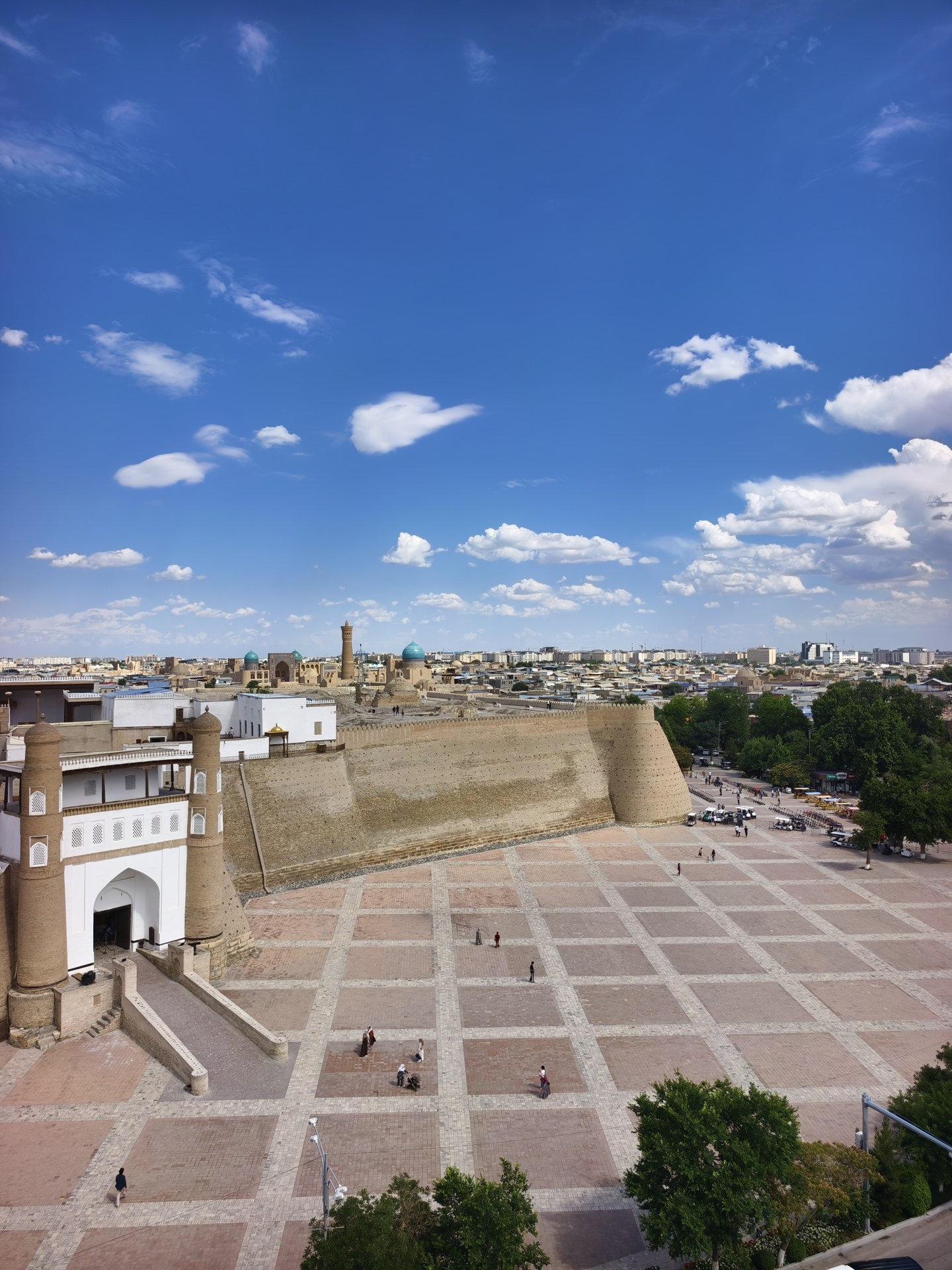
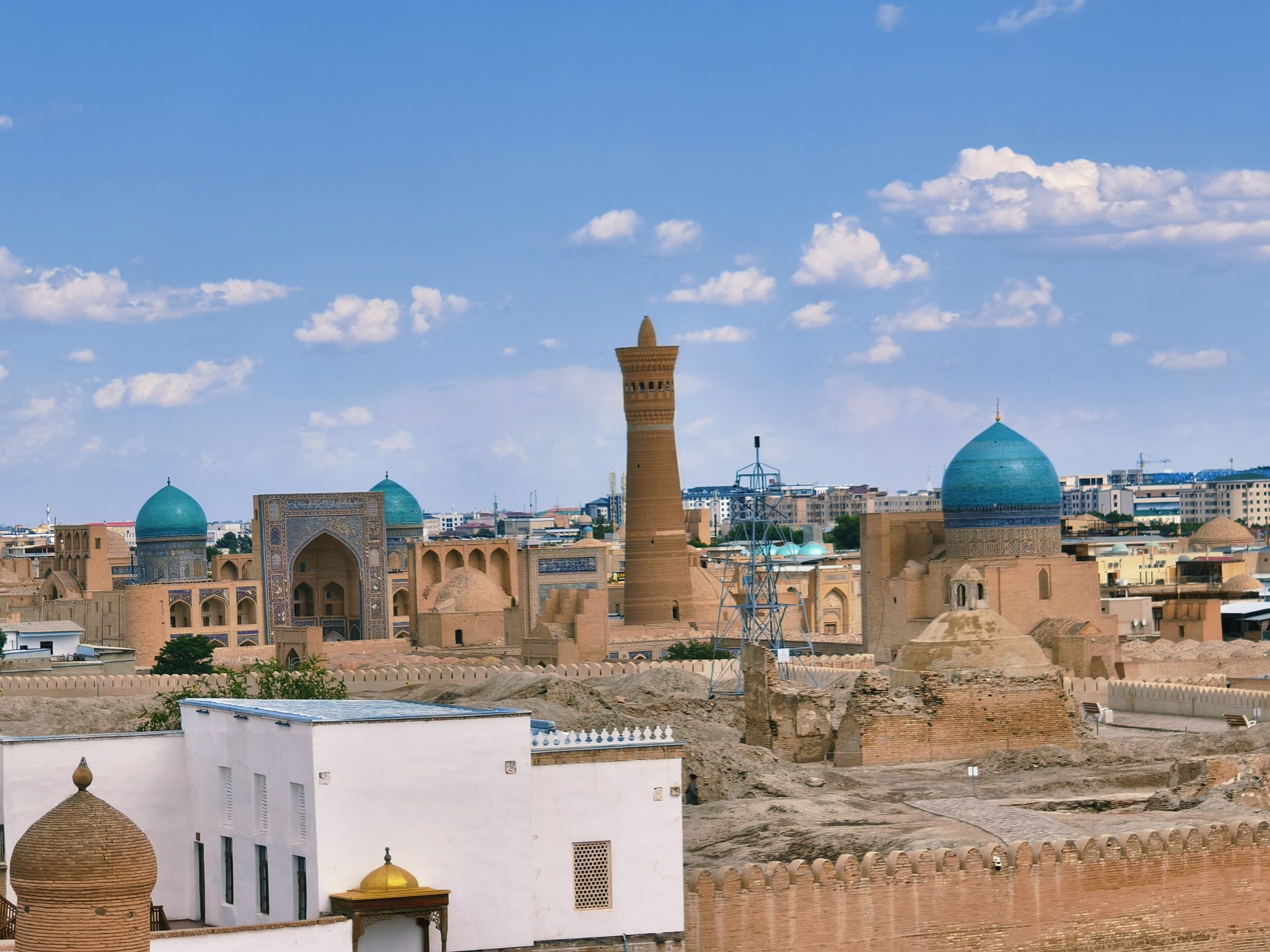
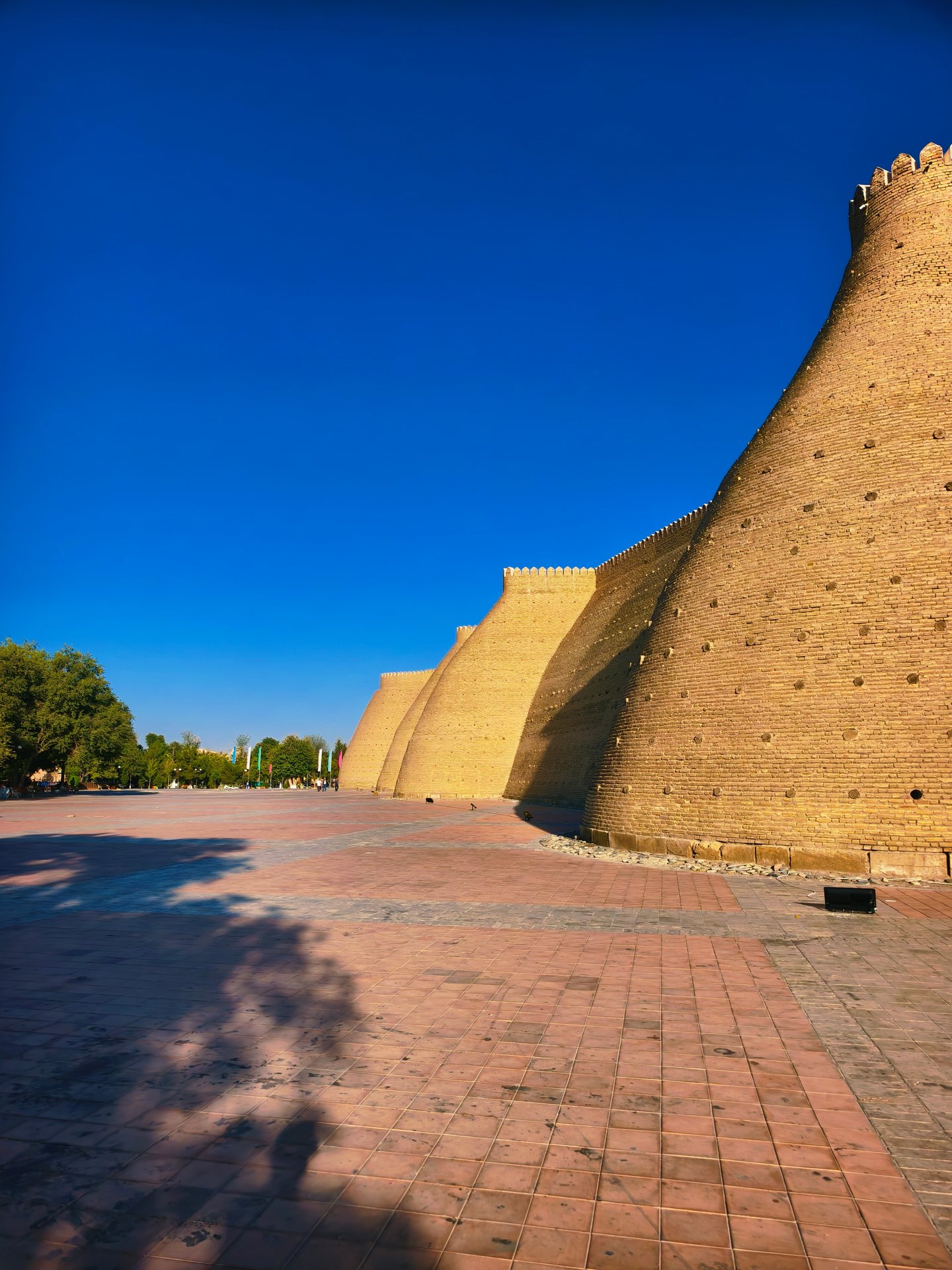
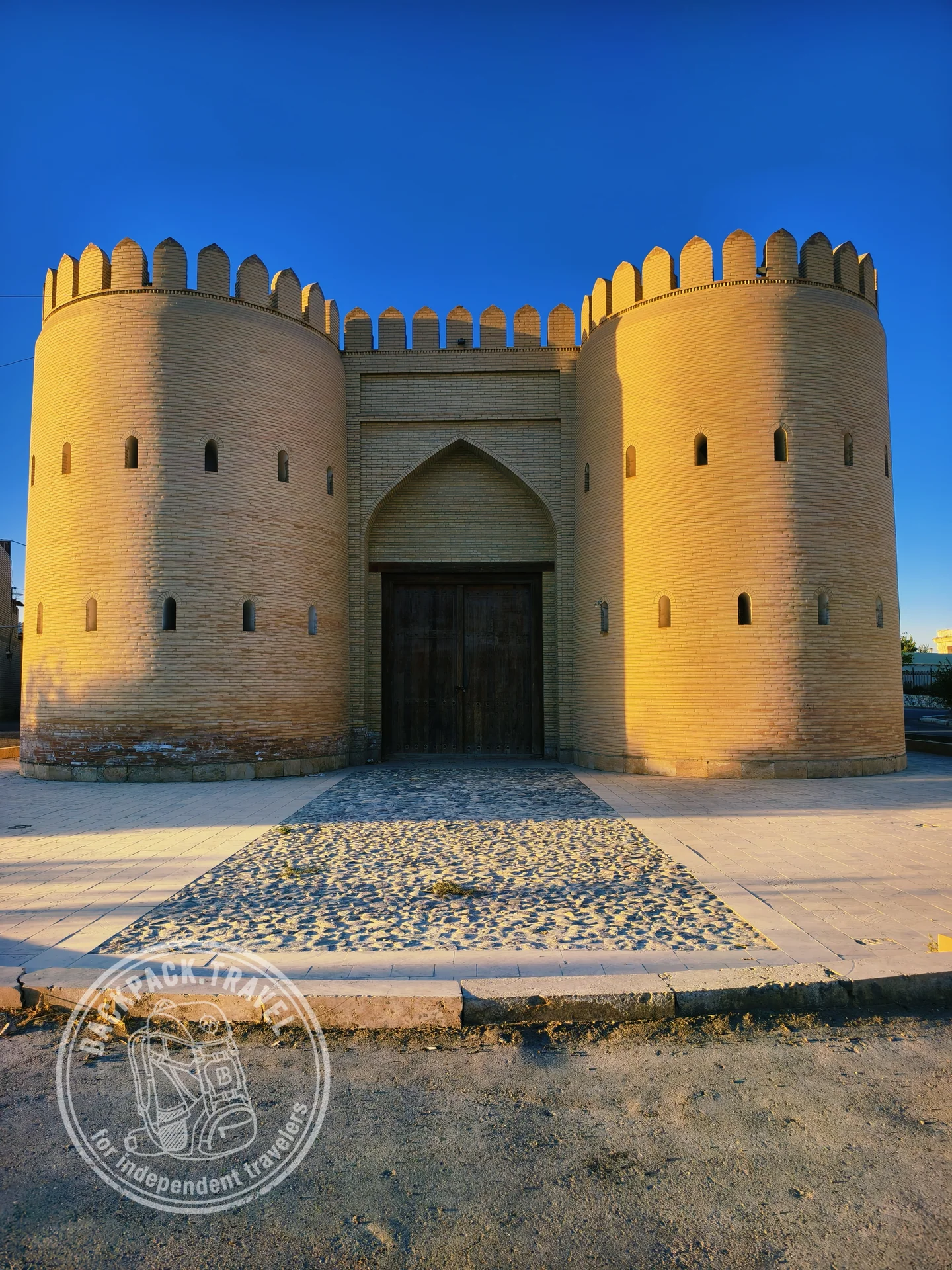
Bukhara's oldest structure, a fortress whose origins go back to about the fifth century AD, and the residence of the emirs of Bukhara right up to 1920. Inside there is an archaeological museum, the throne court and the Jomeh mosque. The top of the walls gives a view over the whole old town.
Entry: about 60,000 sum ($5) · Hours: 09:00–18:00
The Poi-Kalyan ensemble
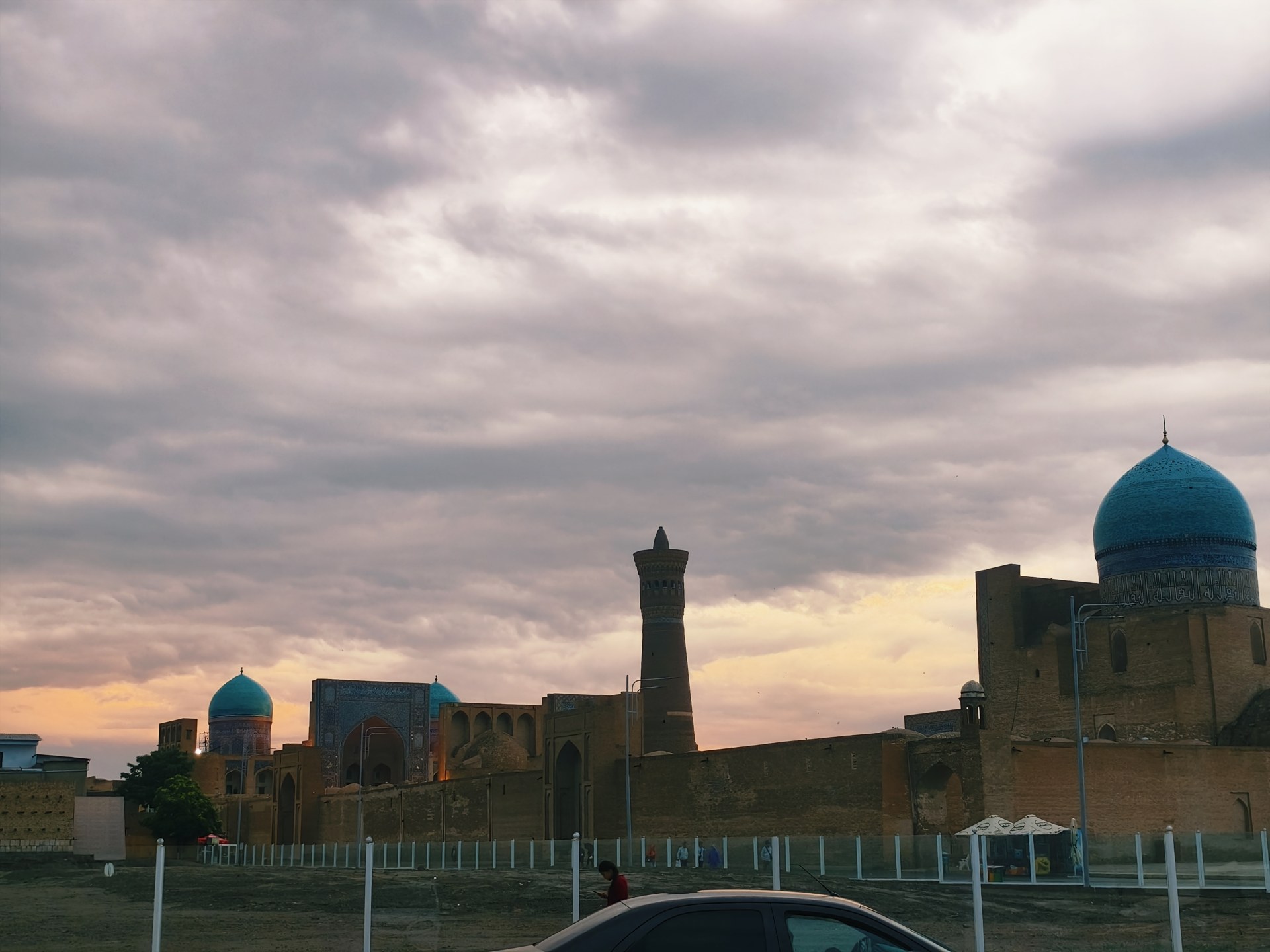
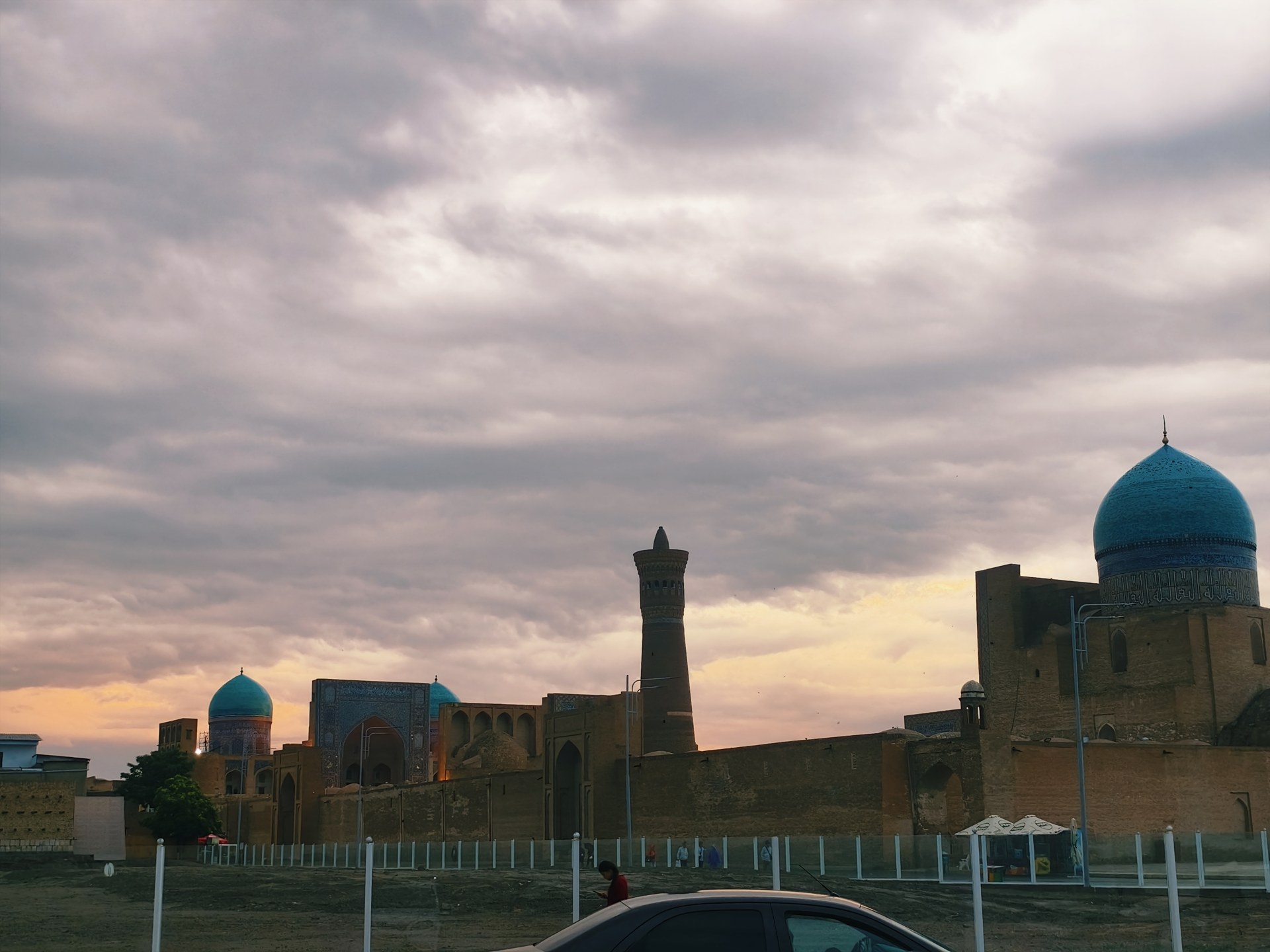
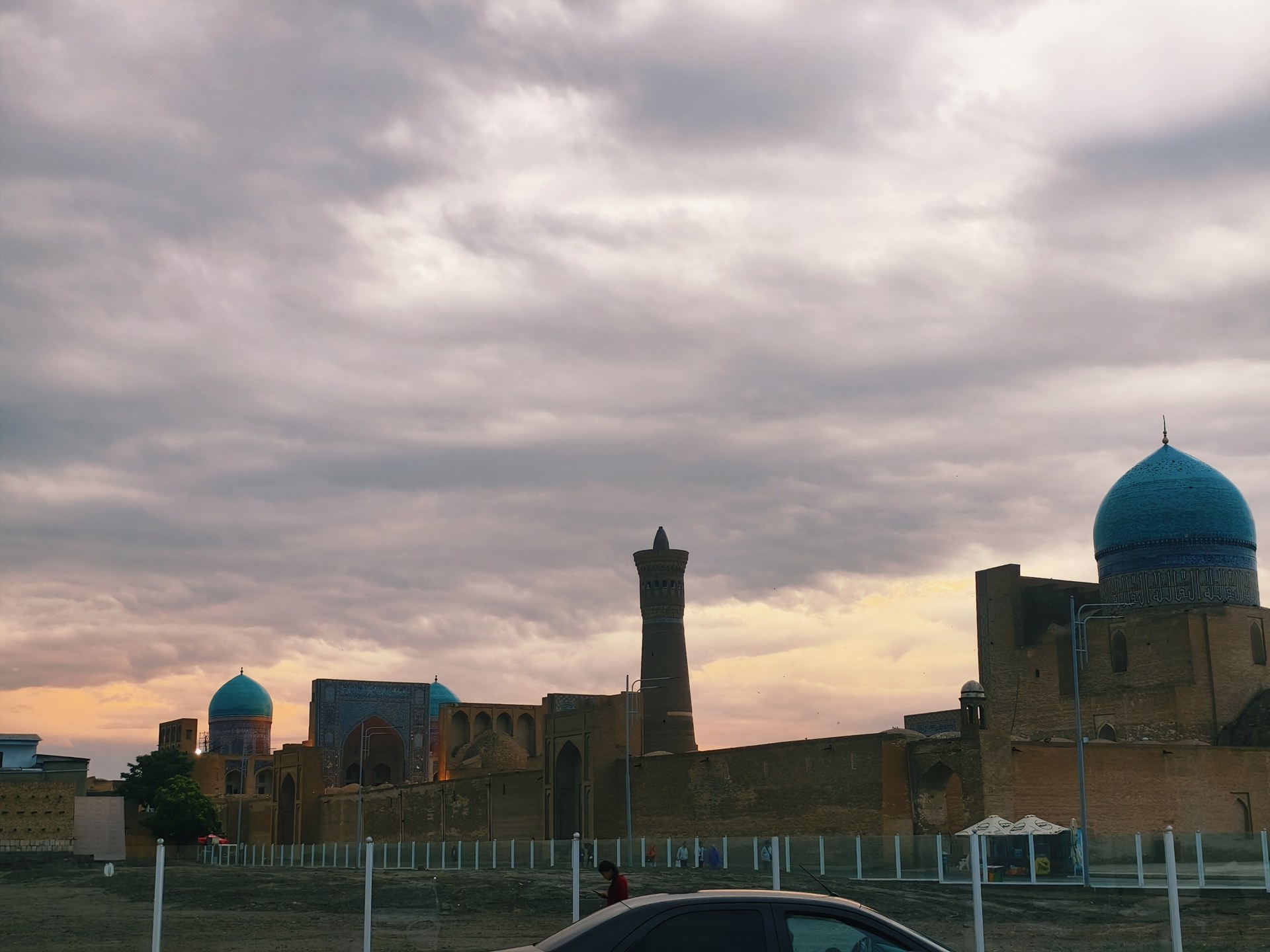
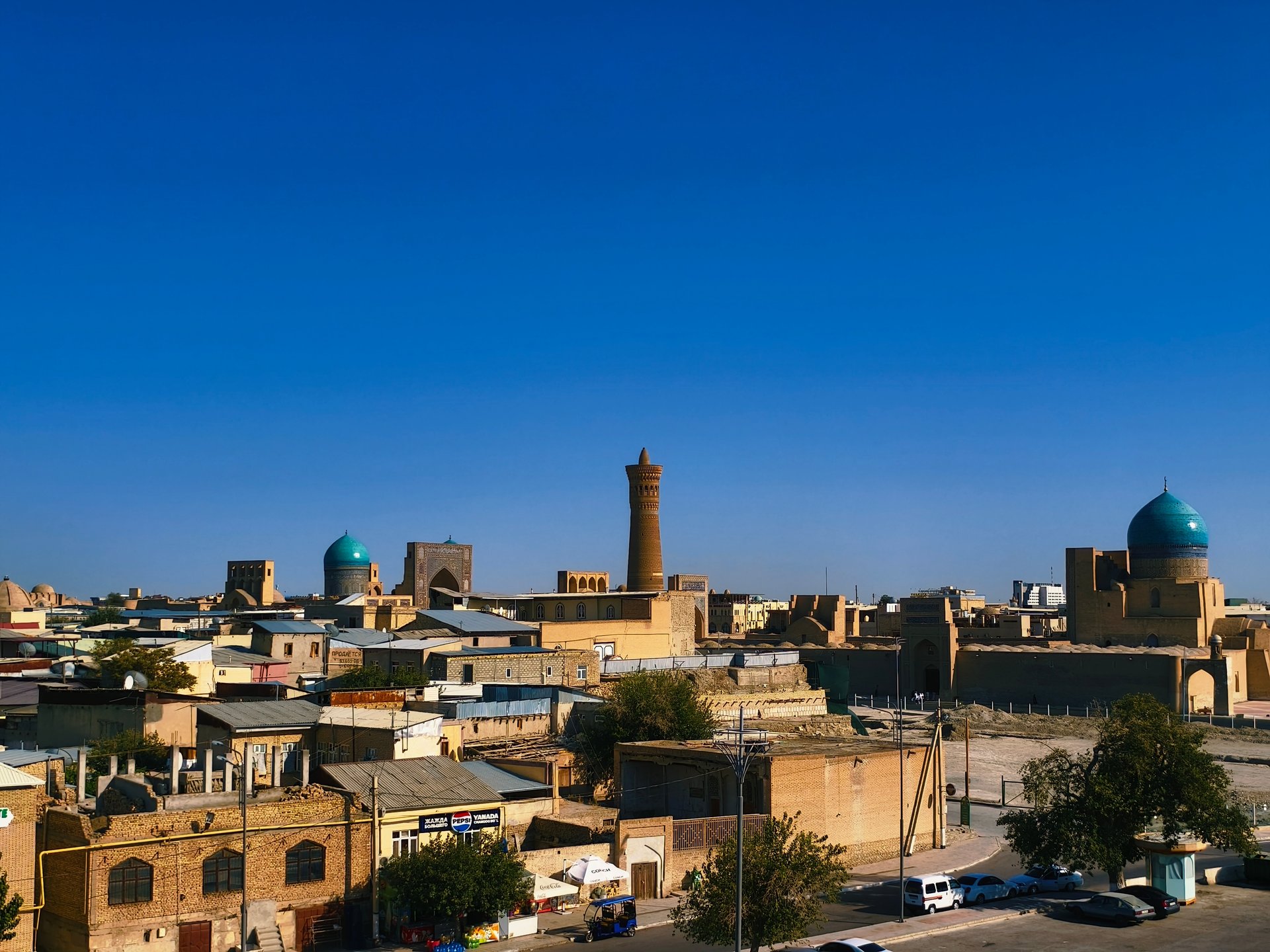
The heart of Bukhara — three masterpieces spanning the twelfth to sixteenth centuries:
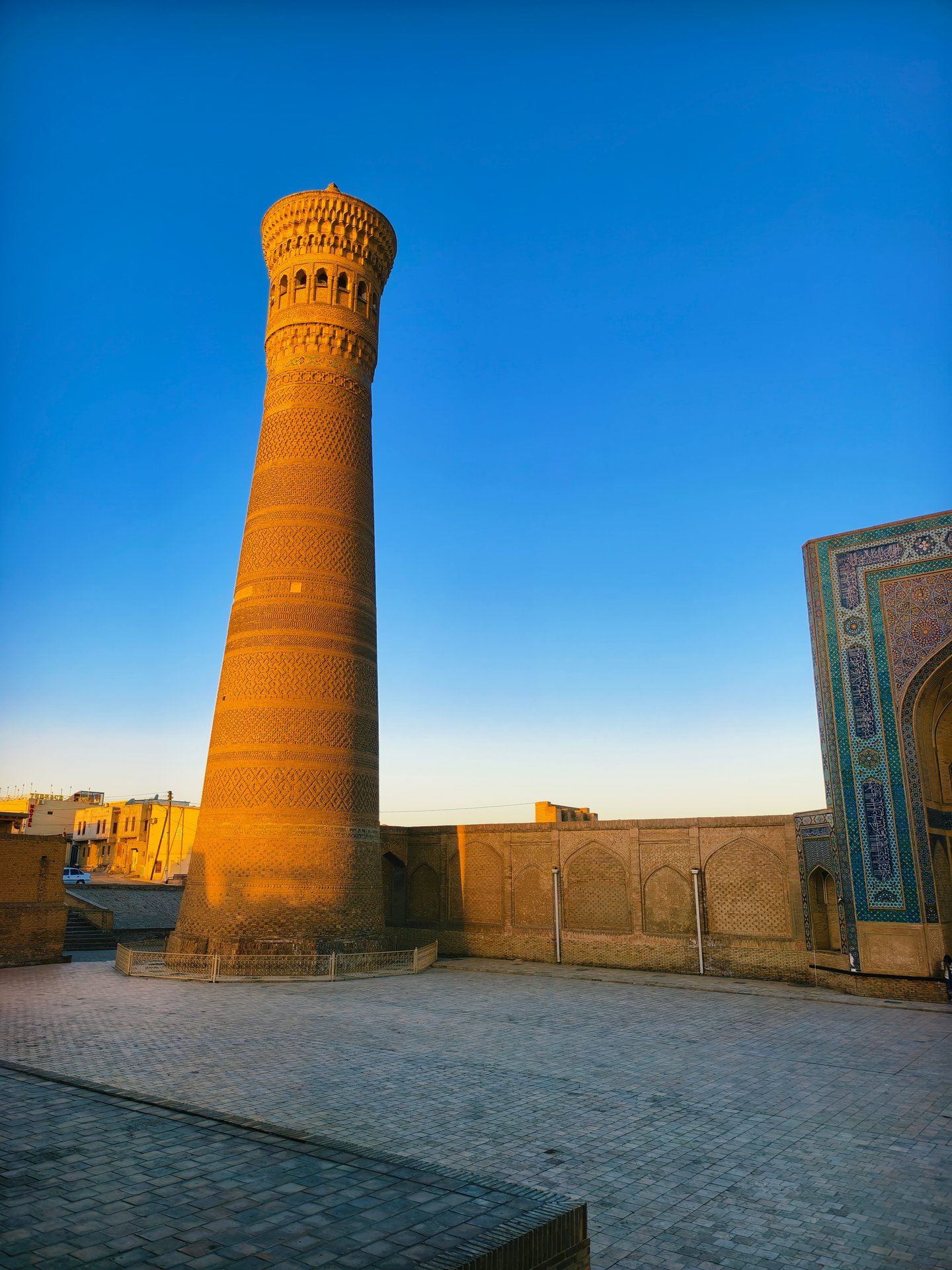
- The Kalyan Minaret (1127) — a 47 m tower which, by the well-worn local story, Genghis Khan ordered left standing when the rest of the city was destroyed
- The Kalyan Mosque (16th century) — one of the largest in Central Asia, with room for 12,000 worshippers
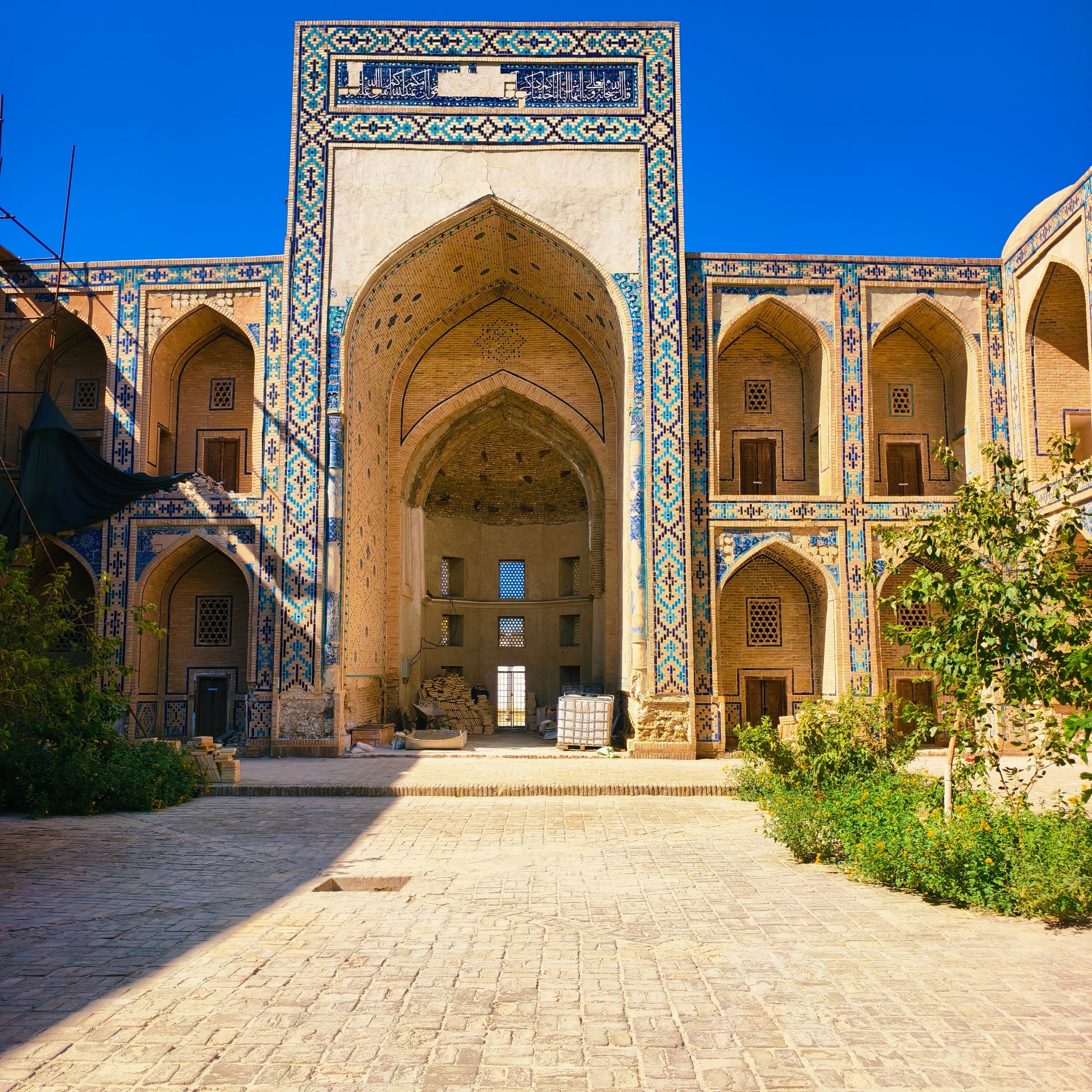
- The Mir-i-Arab Madrasah (1530–1536) — a working Islamic seminary
The Samanid mausoleum
The finest piece of architecture in Central Asia (built between 892 and 943) — the tomb of the founders of the Samanid dynasty, the first native Persian house to rule the region after the Arab conquest. The brickwork is laid so that the walls appear woven like a basket. It is one of the few buildings to survive the Mongol invasion, having been buried in silt by then.
Lyabi-Hauz
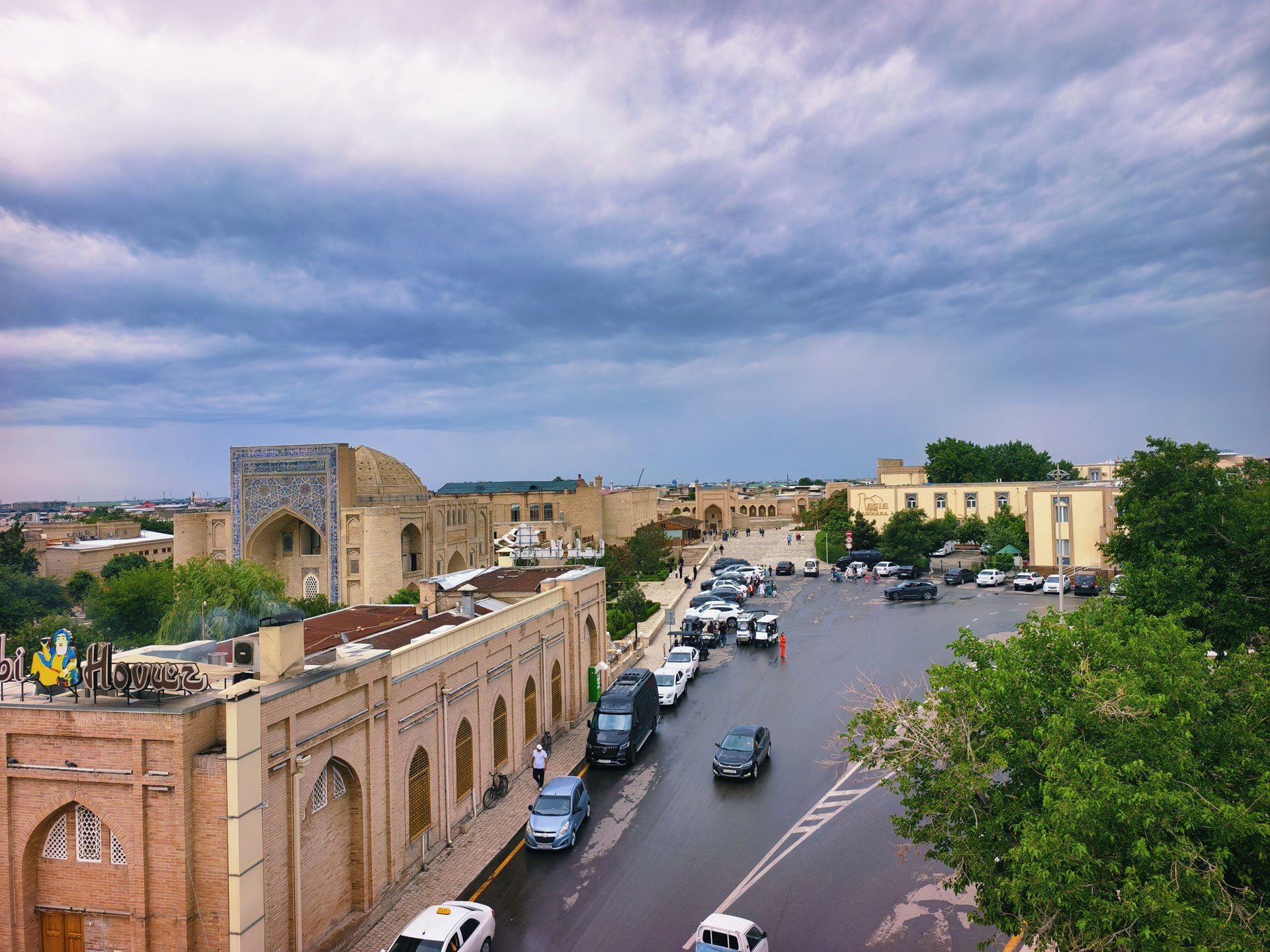
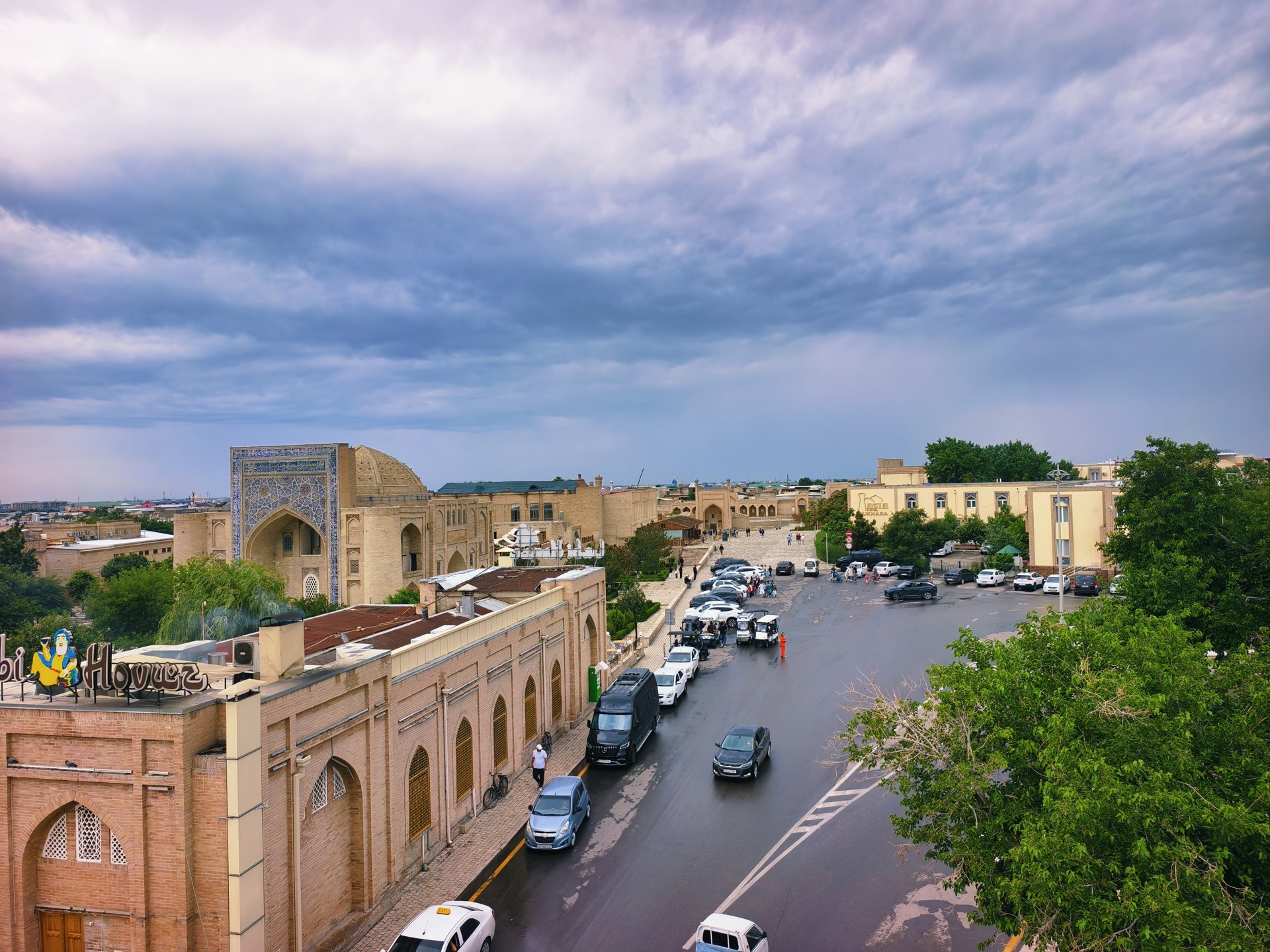
A handsome square built around an old stone pool of 1620 — the best place in Bukhara to sit still for an hour. Three madrasahs and a statue of Khoja Nasreddin surround it, and in the evening the cafés and restaurants set out tables at the water's edge.
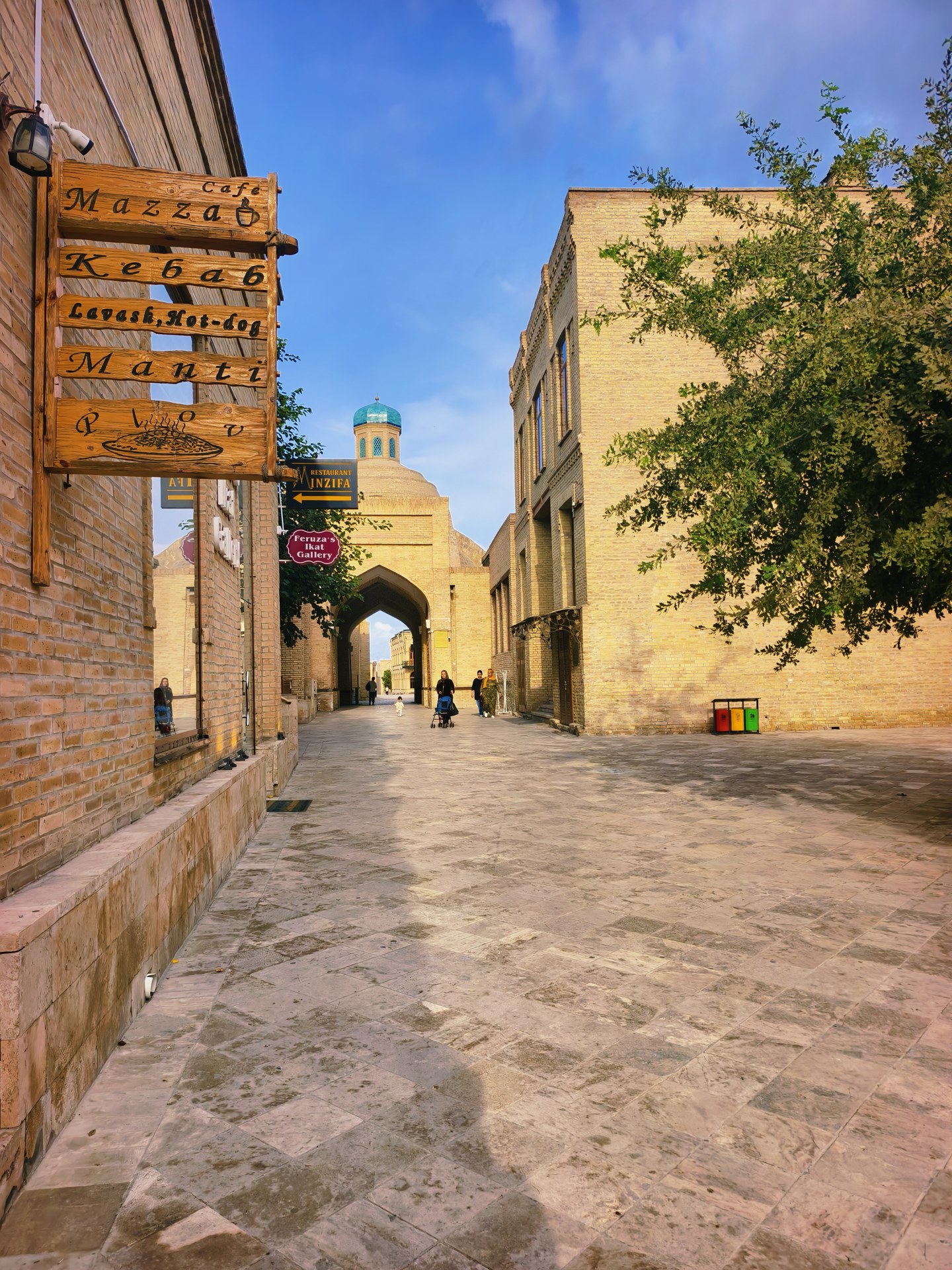
The trading domes (Toqi)
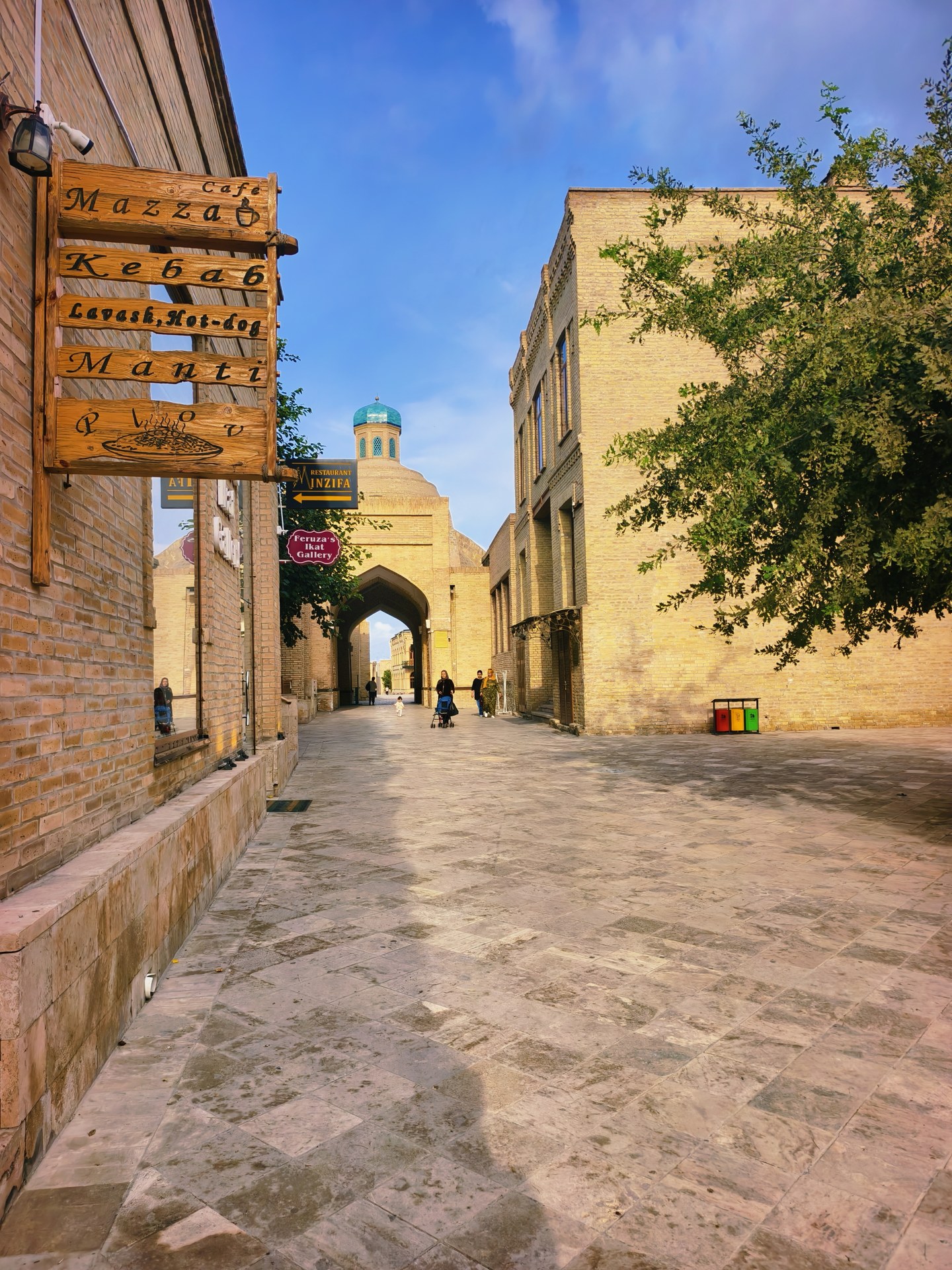
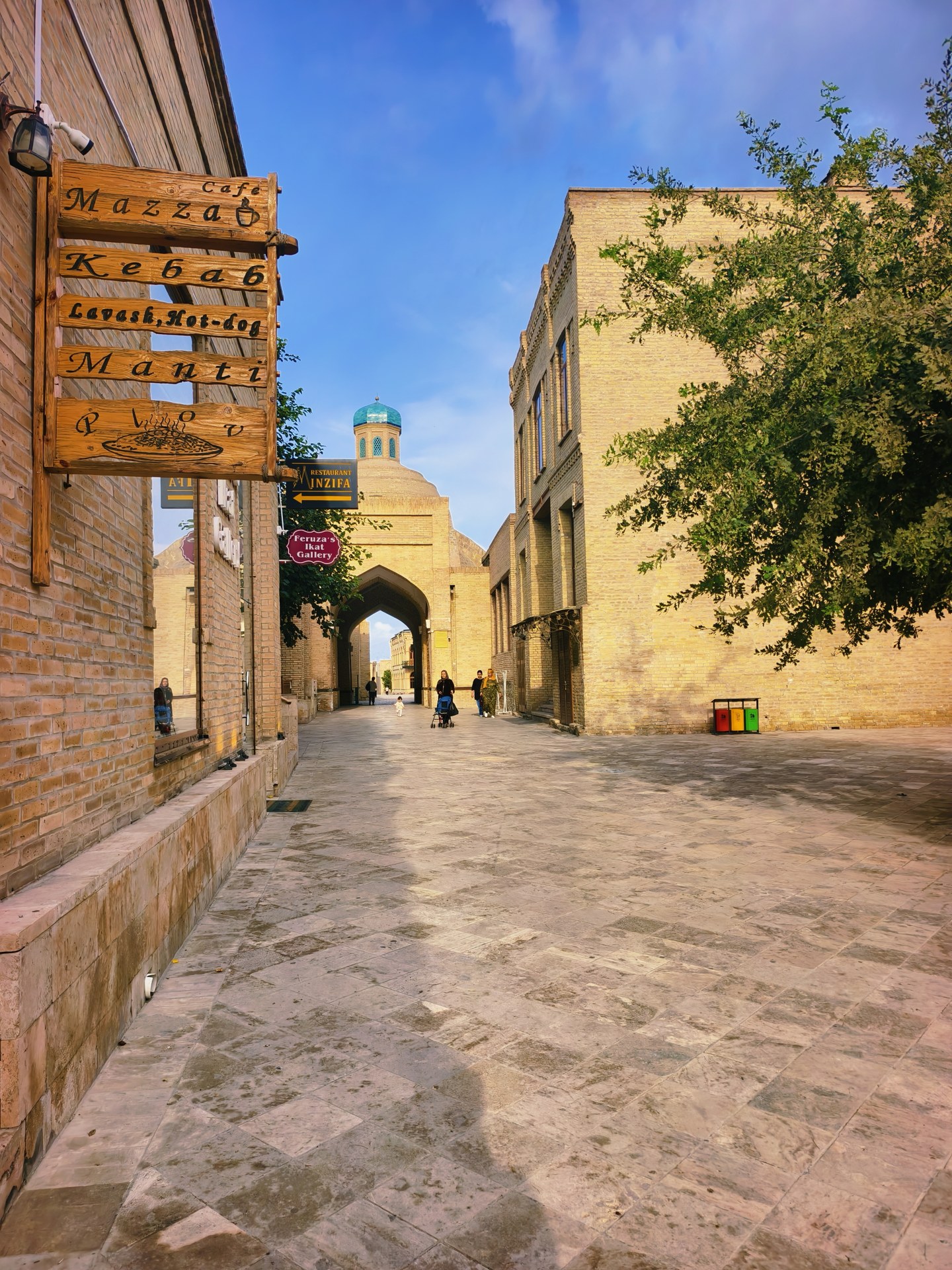
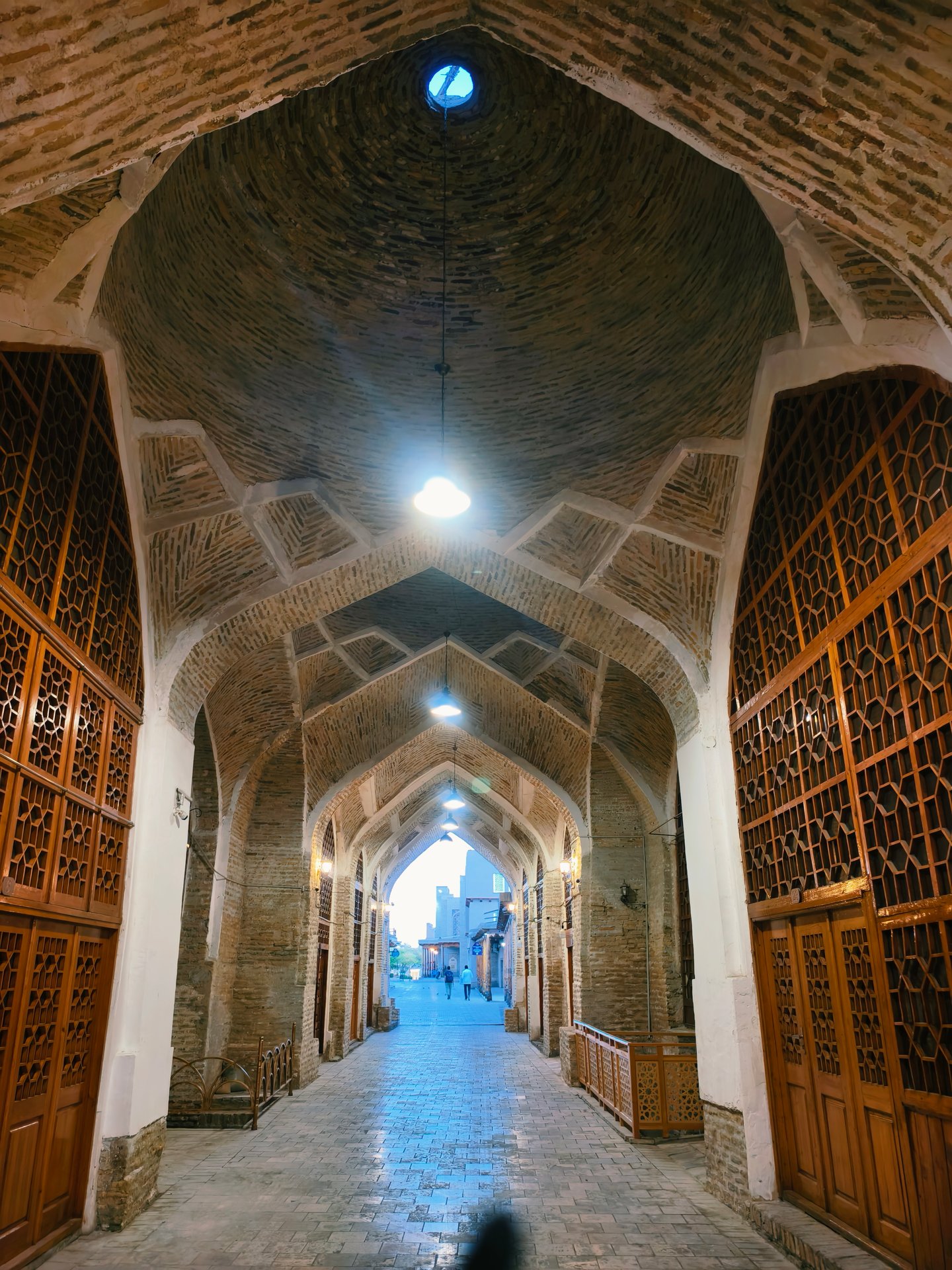
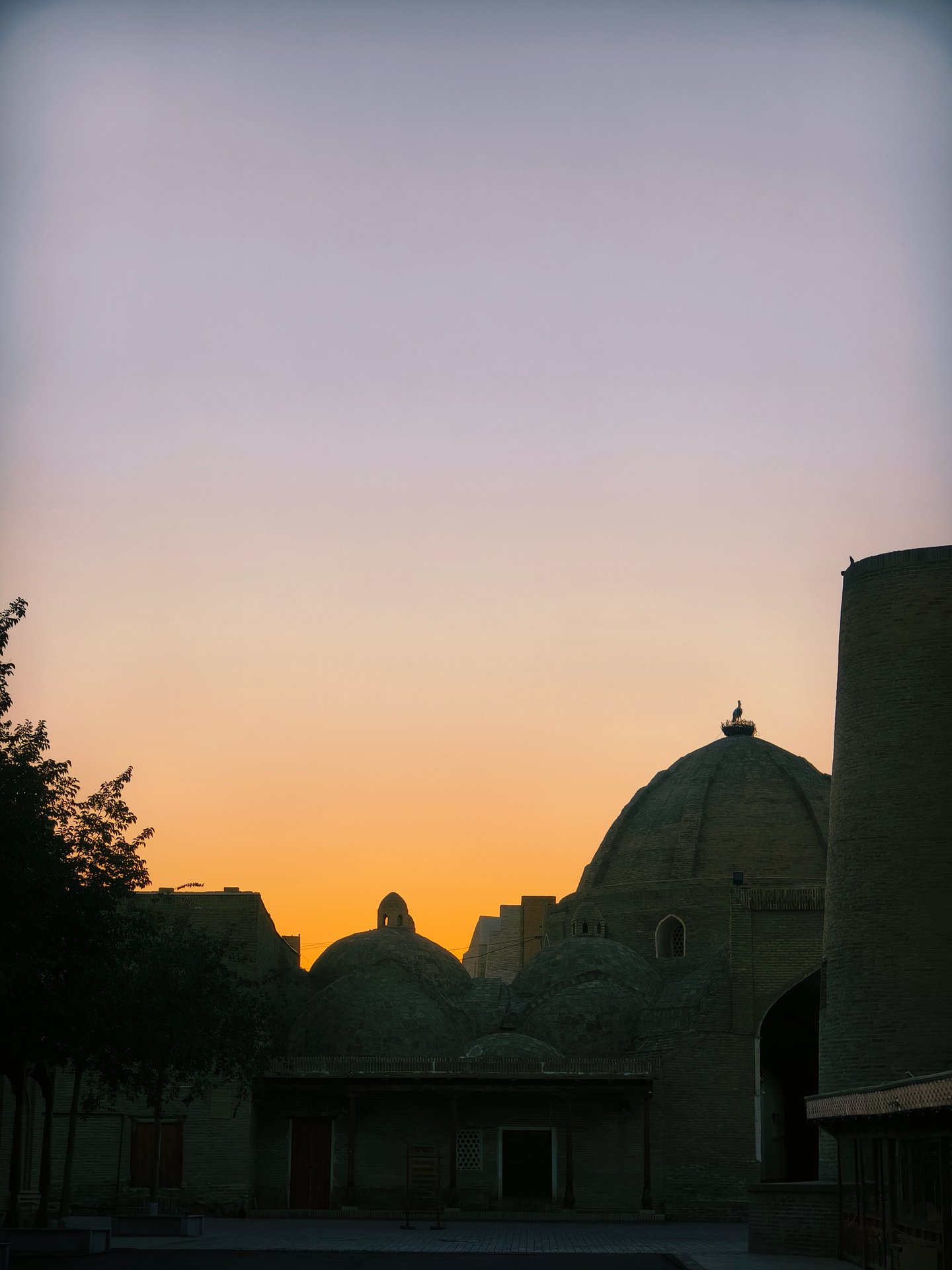
Covered medieval markets of the eleventh to sixteenth centuries, a distinctive form of domed eastern bazaar:
- Toqi Zargaron ("the jewellers' dome") — jewellery and souvenirs today
- Toqi Telpak Furushon ("the hatters' dome") — textiles and souvenirs
- Toqi Sarrafon ("the money-changers' dome") — souvenirs and spices
Chor Minor
"Four minarets" (1807), an eccentric little gatehouse whose four towers each carry different decoration. It sits slightly off the main routes, which makes finding it all the more satisfying.
The Nadir Divan-Begi Madrasah
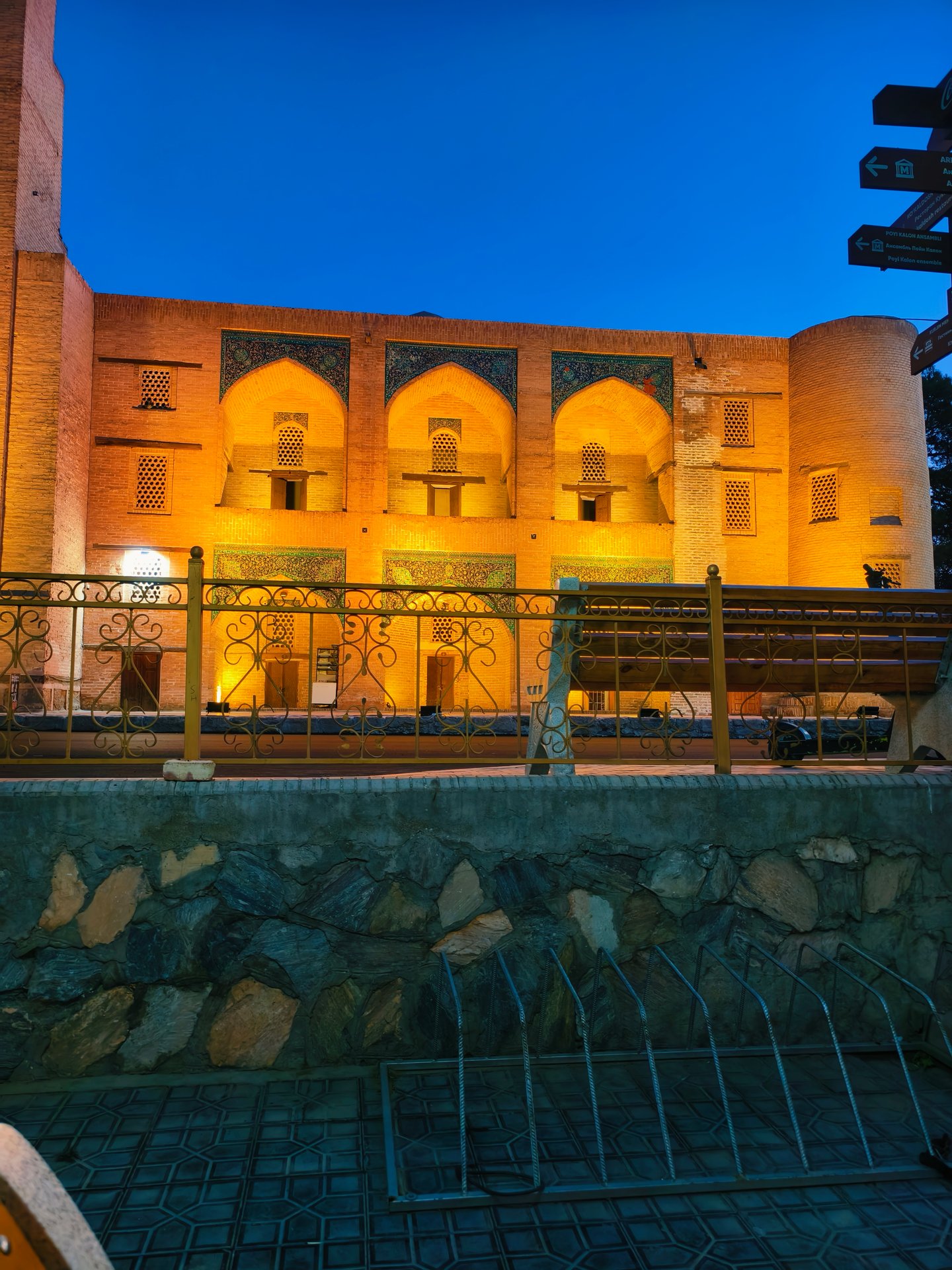
Part of the Lyabi-Hauz ensemble (1622–1623). The façade carries images of mythical simurgh birds — a rarity in Islamic architecture. Inside there are craft displays and a puppet theatre.
The Bolo-Hauz mosque
"The mosque by the pool" (1712), the emir's official Friday mosque. It is famous for its iwan, carried on twenty wooden columns with carved capitals.
The Zindan (the emir's gaol)
A grim corner of the city's history: the emirs' prison, with pits six metres deep in which captives were kept. Two British officers, Charles Stoddart and Arthur Conolly, were held here before their execution in 1842, an episode that caused an outcry in Britain.
Getting there
From Tashkent
- The Afrosiyob high-speed train — 3.5–4 hours, from about 380,000 sum ($32) in economy, several departures a day
- Ordinary trains — 7–8 hours, cheaper
From Samarkand
- Train — 1.5–2 hours
- Shared minibus or taxi — 2–2.5 hours, about 60,000–120,000 sum ($5–10)
From Bukhara airport
- Taxi to the centre — about 15 minutes, 25,000–40,000 sum ($2–3)
Getting around
Most of the sights are within walking distance of the old town. For anything further out:
- Taxi (Yandex Go, InDrive) — a ride across town 12,000–24,000 sum ($1–2)
- Bicycle — hire is 60,000–95,000 sum ($5–8) a day, and a popular option
Where to stay
Bukhara is known for its atmospheric guesthouses in old merchant and family courtyard houses. A traditional Uzbek breakfast is normally included. Rooms are usually quoted in dollars on booking sites:
- Budget (hostels): $8–15 a night
- Mid-range guesthouses: $25–45 a night
- Boutique hotels near Lyabi-Hauz: $70–120 a night
The best area is the old town, within 500 m of Lyabi-Hauz and Poi-Kalyan.
Food
Bukharan cooking differs a little from Samarkand's — lighter, with more emphasis on spice.
- Plov — the headline dish, 24,000–48,000 sum ($2–4)
- Tandoor samsa — 4,000–6,000 sum ($0.30–0.50)
- Shashlik — 36,000–72,000 sum ($3–6)
- Lagman — 24,000–36,000 sum ($2–3)
- Manty — 18,000–30,000 sum ($1.50–2.50)
Prices are as of 2026.
Where to eat: the cafés around Lyabi-Hauz, and the chaikhanas in the lanes just off it, where the same food costs noticeably less.
Practical notes
- The best months are April–May and September–October; summer heat reaches 40°C
- Most madrasahs now work as craft and souvenir shops, and entry to their courtyards is free
- Haggling at the bazaars is expected
- Dress modestly for mosques — shoulders and knees covered
- A local Ucell or Beeline SIM costs from about 25,000 sum ($2); data is cheap and fast
- The currency is the Uzbek sum (UZS); cards are not accepted everywhere, so carry cash
Photos