Description
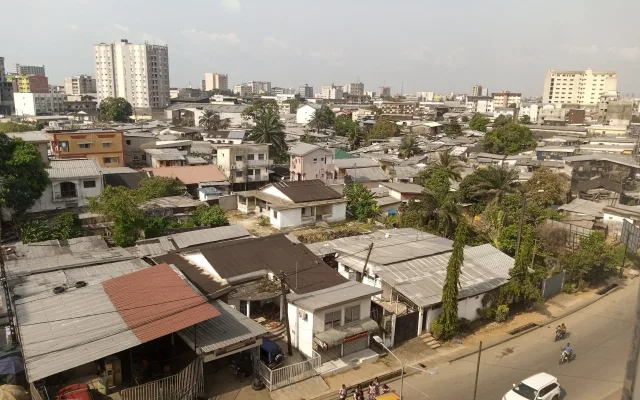
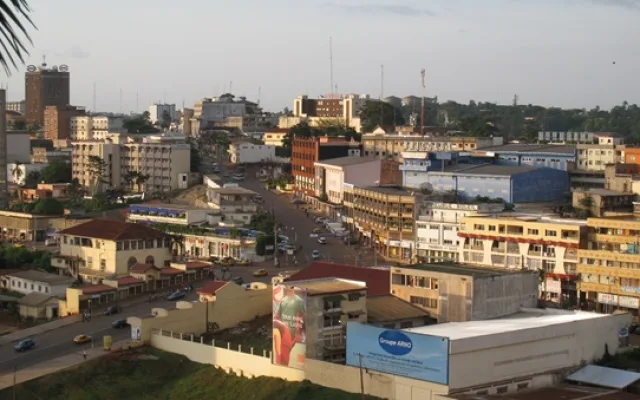
Douala is the economic capital and largest port of Cameroon — the gateway to West Central Africa for most independent travellers.
Wiki
Douala is not the reason people come to Cameroon, but it is how almost everyone arrives: the country's main airport and the largest port in Central Africa are both here. A humid, noisy, sweaty metropolis on the Atlantic coast, where you will be met by traffic jams, makossa music, and a permanent 28°C — West Central Africa without filters. Allow 1–2 days to acclimatise and sort out logistics; the most rewarding experiences lie outside the city.
Is it worth lingering?
Honestly, Douala is thin on classic sights. Its value lies in two things. First, it is your transport hub: day trips to Mount Cameroon, the beaches of Limbe and Kribi, and Yaoundé all start here. Second, it is a concentrated portrait of a living African city — markets, street food, rhythm. If you are heading elsewhere, one full day in the centre is enough.
What to see
- La Nouvelle Liberté — a 12-metre steel sculpture by Joseph-Francis Sumégné at Rond-Point Deido. Assembled from scrap metal, it has become the unofficial symbol of contemporary Cameroon. Worth fifteen minutes; instantly recognisable.
- Bonanjo — the colonial quarter with early-20th-century German architecture (Cameroon was a German colony). Also here: the Bell chiefs' palace, known as La Pagode. Compact and walkable, but watch your camera — this is an administrative district.
- Marché Central — the heart of the city and the main reason to visit the centre. Fabrics, spices, fish and mangoes straight from boats, electronics, everything imaginable. Tight, loud, haggling essential. Go light, leave valuables behind — pickpockets operate here.
- Douala Museum — a modest ethnographic collection covering Cameroon's peoples; welcome air-conditioning on a hot day.
- Wouri riverfront (Bonabéri, Wouri Bridge) — views over the port and river that convey the city's scale.
Day trips (the real highlight)
- Limbe — ~70 km away; black volcanic sand beaches, a botanical garden, and a primate rescue centre. An excellent full-day outing.
- Mount Cameroon (4,040 m) — an active volcano, the highest peak in West Africa, and the country's premier trek. Start from Buea (~1.5–2 hours from Douala); the route itself takes 2–4 days and a guide is obligatory.
- Kribi — ~150 km away; the country's finest beaches, with white sand and the Lobe Falls dropping directly into the ocean. A tight day trip — better with an overnight stay.
Getting there and getting around
Douala International Airport (DLA) is served by Air France, Brussels Airlines, Royal Air Maroc, Ethiopian Airlines, and Turkish Airlines. The airport is close to the centre, but there is no public express link — only taxis. Agree on a price before you get in; there are no meters. The fare to the centre is a few dollars, though drivers will quote more to unfamiliar faces, so bargain. Better still, arrange a hotel transfer in advance — this spares you the stress of touts at the exit.
Within the city:
- Shared taxis ("sajet", yellow) — route-based: they pick up passengers along the way and you pay per seat. Around 2–5 $ across town; hiring the whole car (course) costs more.
- Moto-taxis (bend-skin) — the fastest way through traffic jams, around 1 $. Cheap and convenient, but risky: no helmets, reckless riding. At your own risk.
- The centre (Bonanjo, Akwa) is walkable, but the heat and humidity drain you quickly.
Where to stay
- Akwa — the business and tourist hub: banks, ATMs, restaurants, hotels at every price point. The best base for a first visit.
- Bonanjo — quieter, greener, administrative feel, close to the sights.
- Bonapriso — a more comfortable neighbourhood with cafés and shops.
Avoid cheap accommodation in out-of-the-way districts to save money — safety and logistics matter more here.
Food and prices
Try Cameroonian cooking at a maquis (inexpensive street eatery): ndolé — braised bitter greens with nuts and prawns, the national dish; poulet-DG ("director-general chicken" with plantains); soya — grilled skewers; bobolo — fermented cassava; grilled fish with pepper. A meal at a maquis costs 5–9 $, dinner at a restaurant 15–30 $. A bottle of "33" Export beer is around 1 $. Mangoes and pineapples are cheap and excellent. Drink bottled water only. Prices are as of 2026.
Practicalities and safety
- Money — the CFA franc (XAF). Cash is king: cards are rarely accepted; ATMs exist in Akwa, but carry a reserve of notes.
- Language — Douala is in the French-speaking part of the country and English is rarely spoken. A few phrases of French will make a significant difference.
- Safety — petty street crime is a real risk, especially in markets and crowds. Don't display valuables; keep your phone in an inner pocket. Avoid walking at night — take a taxi.
- Health — a yellow fever vaccination is mandatory (proof may be checked on entry); malaria prophylaxis is necessary.
- Photography — do not photograph the port, bridges, military personnel, police, or government buildings; it can cause serious problems.
- Weather — the rainy season (roughly June–October) floods the city; for trips to the mountain and beaches, November–February is drier and more pleasant.
Common mistakes
- Accepting the first taxi price quoted — always negotiate.
- Planning Kribi as a day trip from Douala — the road eats all the time; stay overnight.
- Keeping all your cash in one place.
- Expecting Douala itself to deliver "sights" — its role is as a transit point; its value lies in its people, its market, and its position as the starting point for excursions.