Description
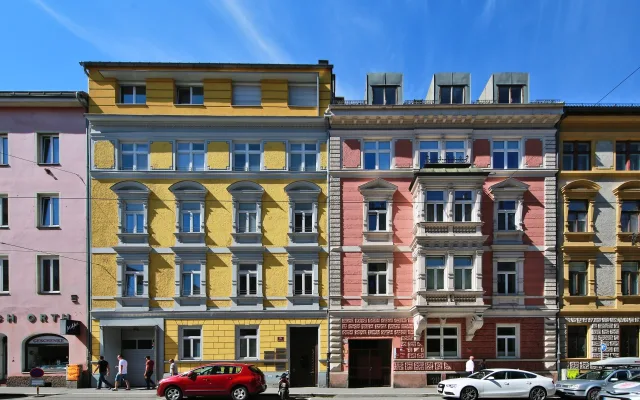
Innsbruck is a city in Tyrol, surrounded by the Alps. Home to the Golden Roof and Olympic ski jumps, it offers direct access to mountain resorts within minutes of the historic centre.
Wiki
Innsbruck is a rare Alpine city where the mountains begin literally a tram stop away: from the historic centre you can ride a cable car to above 2,000 metres in 20 minutes. Compact, walkable, and manageable in a couple of days — provided you combine the old town with at least one trip up into the peaks.
What's actually worth seeing
The Old Town (Altstadt) can be covered on foot in an hour to an hour and a half, which is its main strength — everything is concentrated on a handful of streets.
- Golden Roof — the visual anchor of the centre, but it takes five minutes to see from the outside. Don't set aside half a day for it: it's a façade, not a museum. It works well as a landmark and starting point for a walk.
- Hofburg and Hofkirche — if you have to choose between the palaces, go to the Hofkirche for the "black men" surrounding the cenotaph of Maximilian I. It's genuinely unusual and worth the entrance fee, unlike many standard imperial interiors.
- Nordkettenbahn — a must in good weather. The stations were designed by Zaha Hadid, but people come for the panorama, not the architecture. Check the forecast: in overcast conditions you'll see nothing at the top but fog, and the money spent on the lift will be wasted.
- Bergisel — the ski jump with a viewing platform and restaurant at the top; a good alternative if the Nordkette is socked in but you still want views.
- Swarovski Crystal Worlds in Wattens — niche appeal and out of town (about 20 km). Worth the trip only if the subject genuinely interests you; otherwise the time is better spent in the mountains.
The Alpenzoo pairs well with the Nordkette ascent — it sits on the hillside along the way up.
Getting there and getting around
Innsbruck Airport (INN) is virtually within the city, just a few kilometres from the centre — a city bus gets you there in 15–20 minutes, and taxis are reasonably priced by Austrian standards. Innsbruck also sits on a major rail corridor, with easy train connections from Munich, Salzburg, Vienna, and the Italian city of Bolzano; the station is within walking distance of the old town.
A car is unnecessary inside the city. The centre is pedestrian-friendly and small, with trams and buses covering the rest. Renting a car only makes sense if you plan independent excursions into the Tyrolean valleys and surrounding resorts.
Innsbruck Card: run the numbers for your itinerary
The card covers cable cars, museums, and public transport. It pays off if you're doing a full Nordkette ascent, visiting a couple of museums, and heading out to Wattens in a single day. If your plan is a walk around the centre plus one cable-car ride, buying tickets separately is cheaper. Don't get the card "just in case" — it only pays for itself on a packed programme.
Where to stay
- Altstadt / centre — maximum convenience, everything on foot, but pricier and livelier in the evenings.
- Wilten and Saggen — quiet residential neighbourhoods 10–15 minutes' walk away, noticeably better value, yet still close to the centre.
- Near the station — practical for early trains and short stopovers.
How many days and when to go
Two days is enough: one for the old town plus a trip up the mountain, the second for museums, Bergisel, or a day out to Swarovski. If you're coming to ski, add as many days as your resort itinerary requires.
Seasonality is pronounced. Winter is ski season, and the city revolves around the slopes. Summer brings trekking, green Alpine scenery, and comfortable walking. The shoulder seasons (November, much of April) are the worst time to visit: some cable cars and lifts close for maintenance, and there's neither snow nor greenery up top.
Food and money
The cuisine is hearty and mountain-focused: Knödel (dumplings), Gröstl (pan-fried potatoes and meat), Speck, Kaiserschmarrn, and Strudel. Look for a Wirtshaus — a local tavern where lunch is cheaper and more honest than at the tourist restaurants clustered around the Golden Roof. Lunch at a Wirtshaus runs €14-20 (about $16-23), dinner at a restaurant €28-45 ($32-52), a single transport ticket around €2.80 ($3), the Nordkette return trip from the centre about €44 ($51), and a 24-hour Innsbruck Card €59 ($68). Prices are as of 2026.
Ways to save:
- Eat a proper lunch at a Wirtshaus and keep the evening light — Tyrolean portions are generous.
- Bring water with you: there are drinking fountains around the city.
- Head up the cable car on a clear day — it's the only way to avoid paying for a view of clouds.
Common mistakes
- Riding up the mountain in overcast weather and coming back with no view.
- Buying the Innsbruck Card without calculating what you can realistically fit into a day.
- Timing a trip for the shoulder season when the lifts are shut.
- Spending half a day at Swarovski at the expense of the mountains — which is the real reason to come.