Description
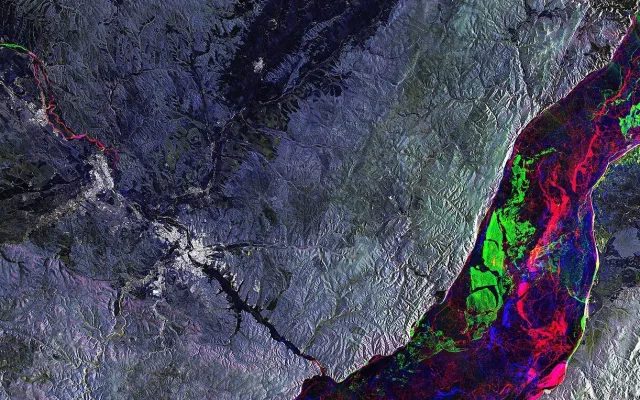
The "Paris of the East" in Siberia — a wealthy merchant city with 19th-century wooden mansions. The main gateway to Lake Baikal, the planet's largest reservoir of fresh water, 60 km away.
Wiki
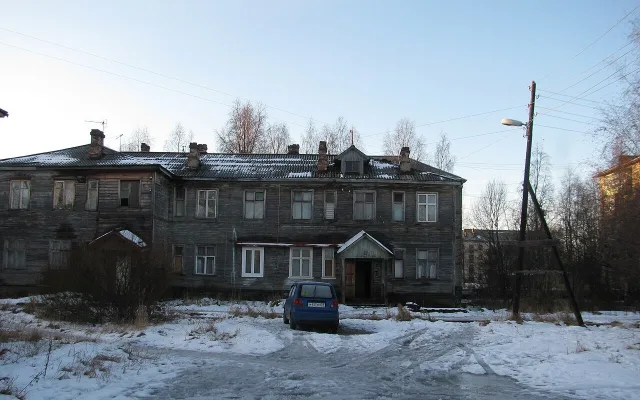
Irkutsk, in Eastern Siberia, is one of the few Siberian cities where the old fabric is not museum decoration but a living environment: wooden mansions with carved window surrounds stand mixed in among ordinary residential houses. For most travellers it is a staging post before Lake Baikal, but the city deserves at least a day or a day and a half of its own.
Why come, and what is actually worth seeing
The chief asset of Irkutsk is its 19th-century wooden architecture. Not a single postcard street, but whole quarters.
- Kvartal 130 (the Irkutsk Sloboda) — a restored zone of old buildings, now a cluster of cafés, souvenir shops and restaurants. Touristy and slightly artificial, but convenient for a first look and an evening stroll.
- The Decembrist houses — the manor museums of the Volkonsky and Trubetskoy families. The exiled Decembrists (noble officers banished to Siberia after the failed 1825 uprising against the tsar) did much to shape the cultural character of the city; hence its nickname, the "Paris of Siberia". If you are interested in history, this is the most substantial place here.
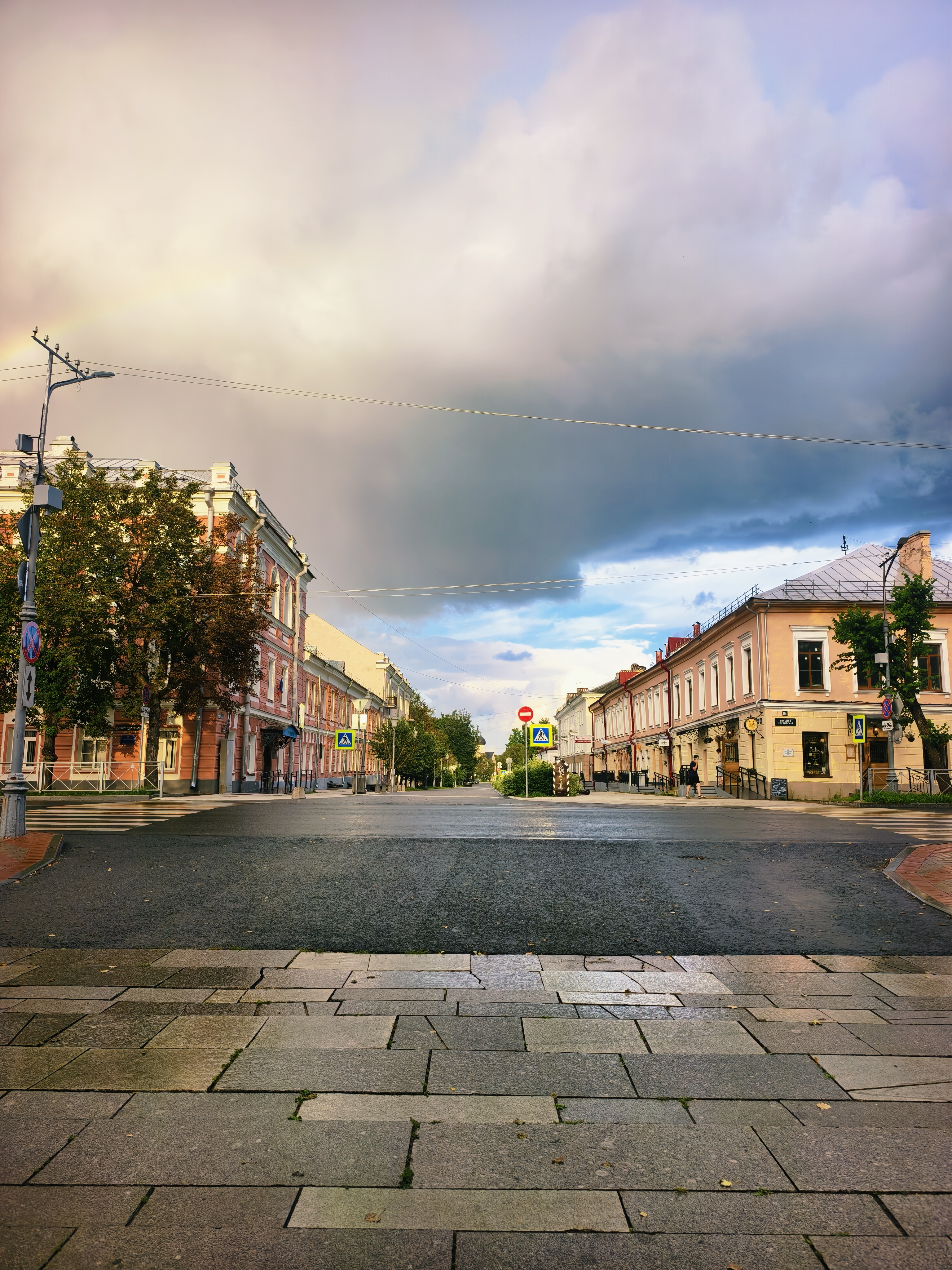
- Karl Marx and Lenin streets — the merchant centre with its stone mansions, and also the main shops and cafés.
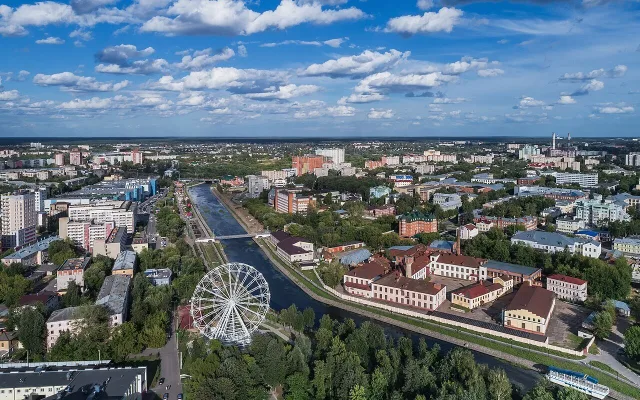
- The Angara embankment and the monument to Alexander III — the Angara flows out of Lake Baikal and does not freeze even in hard frost; its water is clear and noticeably cold all year round.
- The Znamensky Monastery and the wooden churches — for a general sense of the city.
To be honest: seeing Irkutsk mostly means walking around and looking at houses, rather than ticking off "top attractions". Allow one day for the city, at most two if you like to take your time.
Getting there and getting around
The airport is practically within the city limits — it is a short ride to the centre by bus, marshrutka (shared minibus) or taxi. This is a rare case where the transfer is not a problem.
Irkutsk is a major hub on the Trans-Siberian Railway, with trains connecting it to Moscow, Krasnoyarsk and Vladivostok, as well as to Ulan-Ude. The railway station stands on the left bank of the Angara, the centre on the right.
Within the city:
- The centre is compact and the key points can be covered on foot.
- Public transport means trams, buses, marshrutkas and trolleybuses. The minibuses are fast, but hard to work out at short notice.
- Taxis booked through apps are cheaper than in many cities in the European part of the country.
Lake Baikal: what most people actually come for
The nearest point of access to the lake is the village of Listvyanka, about 60–70 km away. Shared minibuses run there regularly from the Irkutsk bus station, and the journey takes an hour to an hour and a half. This is the simplest way to "see Baikal in a day".
Bear in mind, though, that Listvyanka is the most touristy and most built-up spot on the lake. For quiet and real scenery people go further — to Olkhon Island (several hours' travel including a ferry crossing) or to Arshan and Slyudyanka. If Baikal is the point of the trip rather than a box to tick, plan on at least a couple of nights outside Irkutsk.
Where to stay
- The centre (around Karl Marx and Lenin streets and Kvartal 130) is the best choice: everything on foot, cafés, and transport to Baikal nearby.
- Closer to the embankment it is quieter and more scenic.
- There are hostels and guesthouses, and accommodation prices are moderate by Russian standards.
There is no point staying near the railway station — it is on the other bank and you would have to travel in.
When to go
- Summer (June–August) — the most comfortable season both for the city and for trips to Baikal, but also the busiest.
- Winter — severely cold, but this is when you can see the ice of Baikal (the famously transparent ice usually forms towards the end of winter). Many people come in the cold specifically for this — but it is a serious expedition in its own right and needs warm gear.
- The shoulder seasons (spring, autumn) are changeable and often muddy because of the thaws.
Food and money
Things to try:
- Baikal omul — the local whitefish, smoked or salted. Sold at markets and along the road to Listvyanka; buy from reputable stalls.
- Pozy (buuzy) — Buryat steamed meat dumplings, filling and cheap. Look for a poznaya, the local fast-food canteen that serves them.
Food prices feel lower than in Moscow and St Petersburg. Markets and canteens are the most economical option; Kvartal 130 and the tourist spots are dearer.
Common mistakes
- Confusing Irkutsk with Baikal. You cannot see the lake from the city; you have to make a deliberate trip. Do not expect to catch sight of Baikal in passing.
- Coming for one day and hoping to cover both the city and the lake. You will do neither properly.
- Going only to Listvyanka and thinking you have seen Baikal. It is just the gateway.
- Underestimating distances and the weather — Siberia is big and the climate is harsh: hot in summer, very cold in winter, with sharp swings.
- Buying omul at the first stall you see — the quality of roadside fish varies.
Irkutsk works well as a base: almost all the Baikal routes start here, and you can stock up, rest in civilisation and only then head for the water.