 Города и дороги
Description
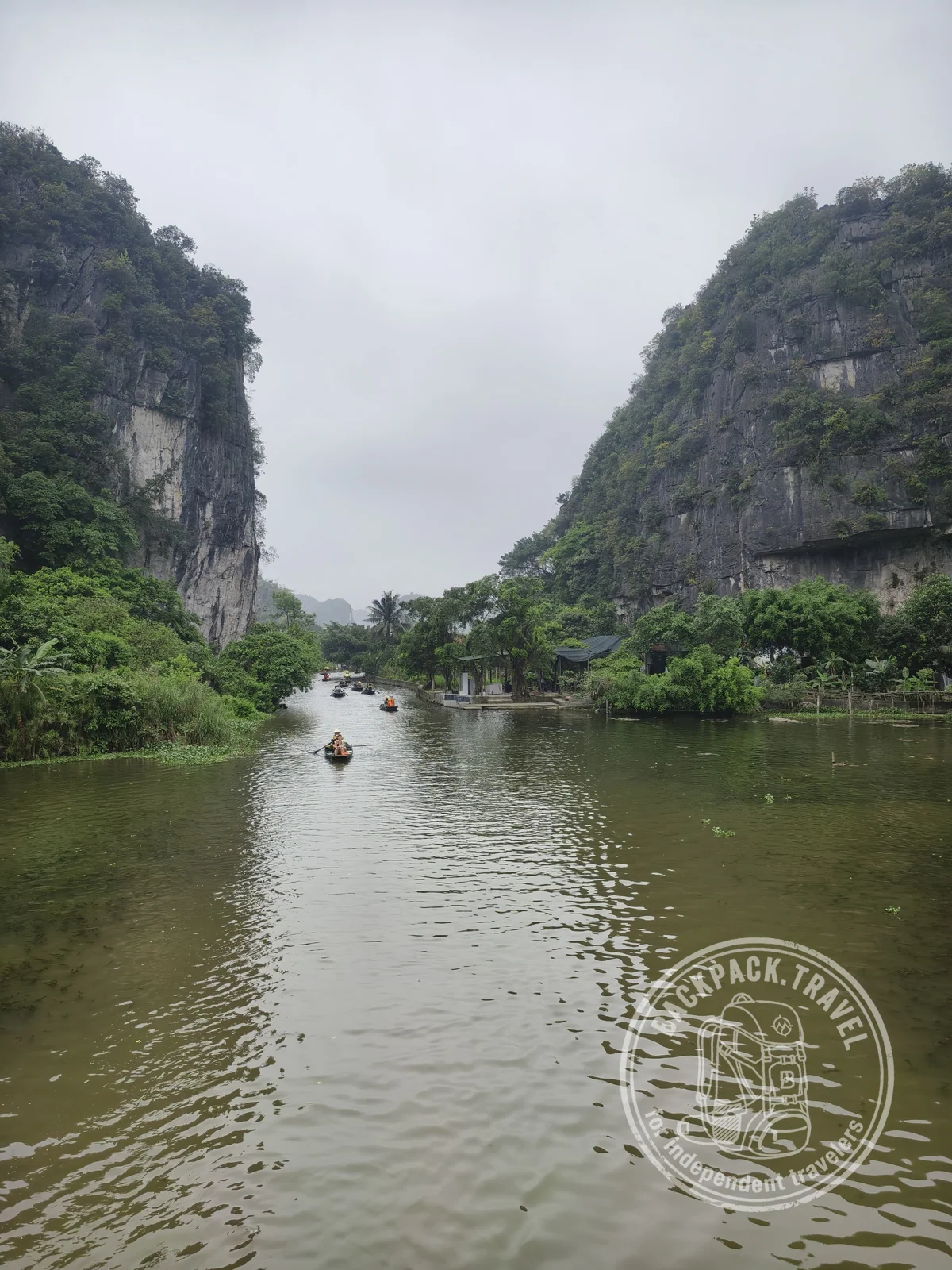
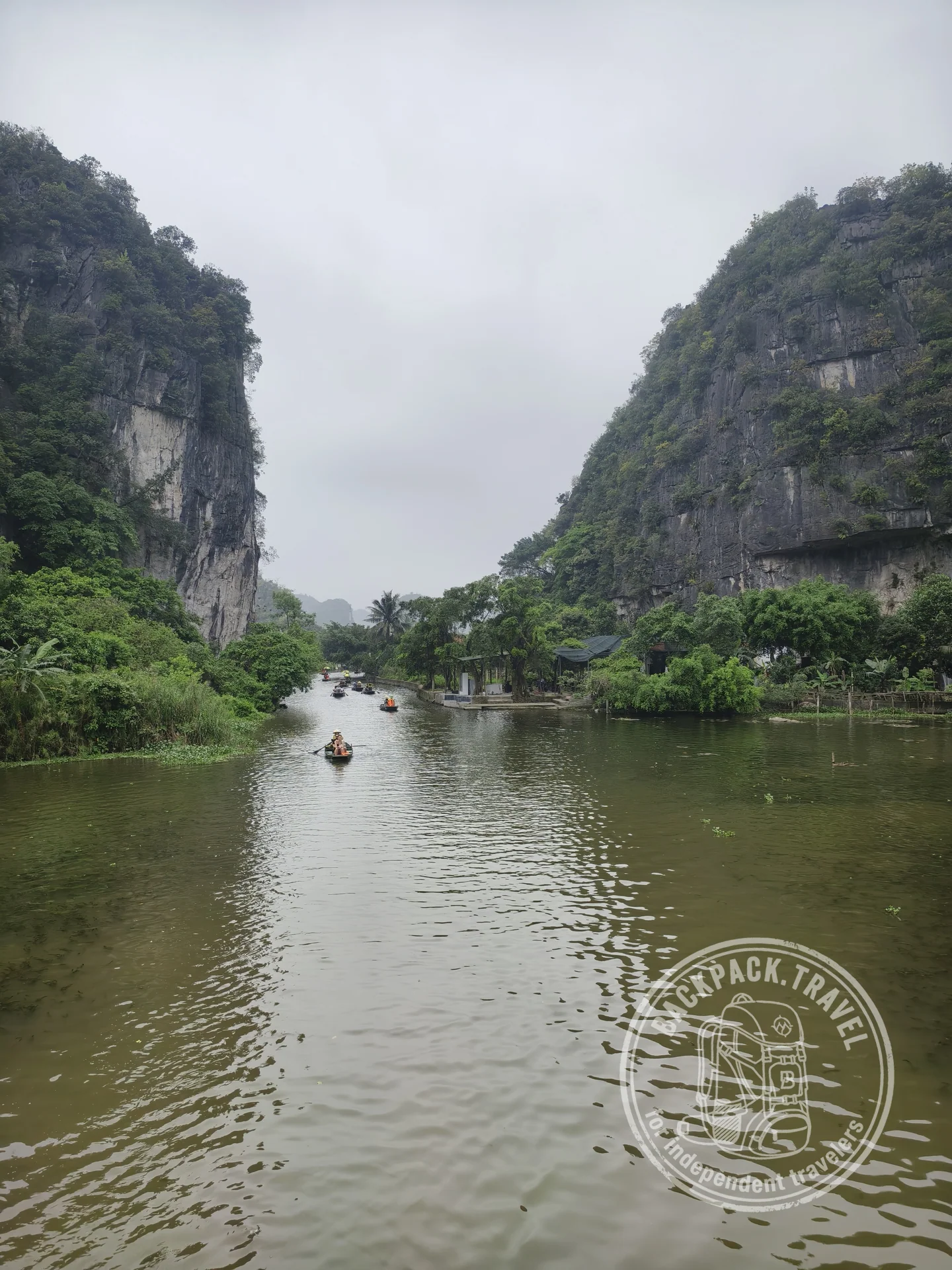
Ha Long on land: the same karst cliffs, but set among rice fields and rivers. The Tam Coc and Trang An boat routes, the ancient capital of Hoa Lu and viewpoints on top of the limestone hills.
Wiki
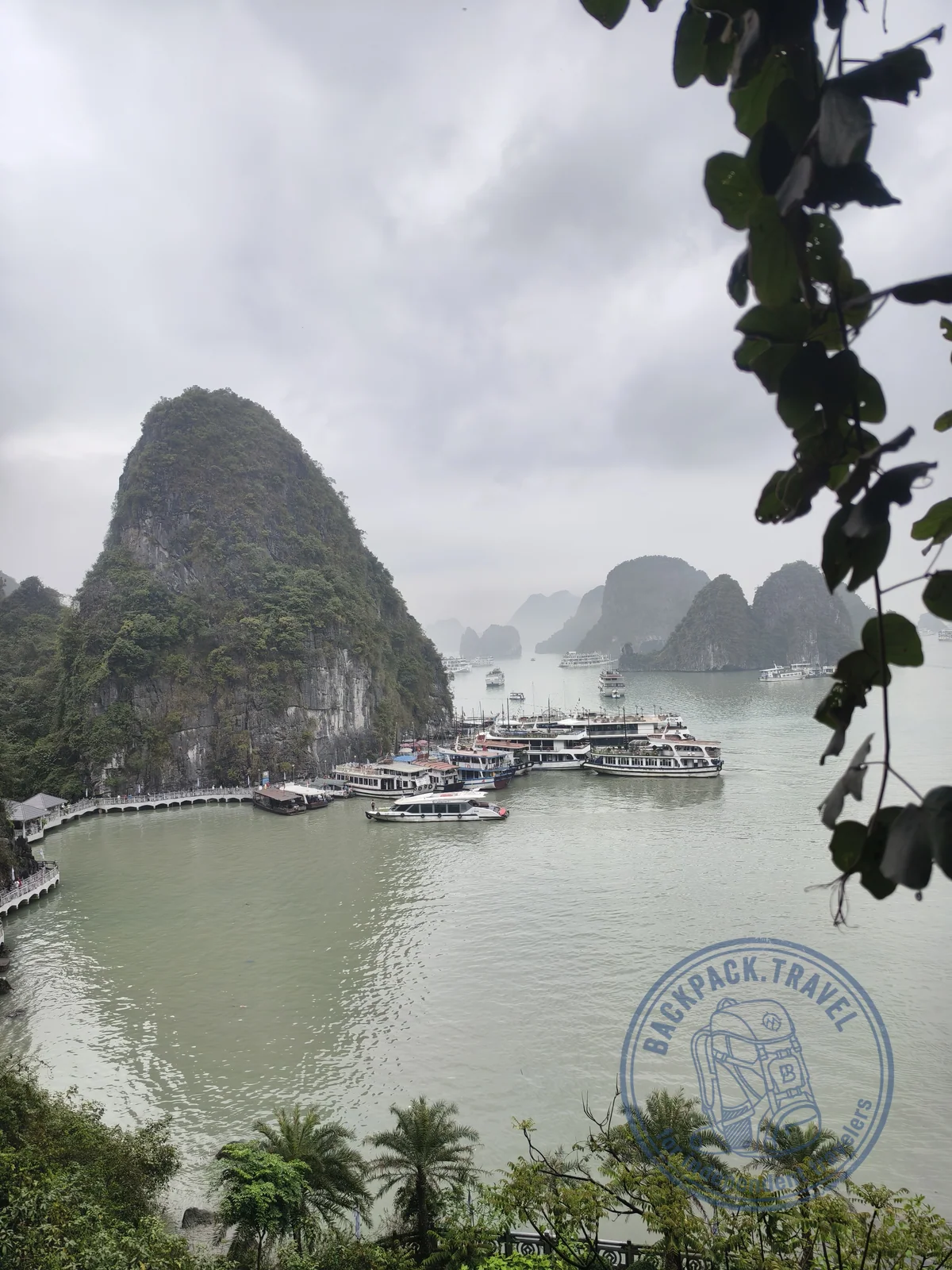
Ninh Binh is called Ha Long on land, and the comparison is an accurate one: the same limestone outcrops, only with rice fields, rivers and canals around them instead of the sea. That is also where the main difference from Ha Long Bay comes from, since no multi-day cruise is needed and everything is seen on out-and-back trips from one base. It is about a hundred kilometres from Hanoi, and one of the most convenient excursions out of the capital.
Since 2014 the core of the area, the Trang An complex, has been on the UNESCO list as a mixed site, natural and cultural at the same time, the first of its kind in Southeast Asia. The protected zone takes in both Hoa Lu and Tam Coc.
Boat routes: you have to pick one
- Tam Coc means "three caves", on the Ngo Dong River. The boat takes about two hours between sheer cliffs and through three tunnel-like grottoes, with rice fields all around. The locals row with their feet, a technique that belongs to these places in particular. The most beautiful period is when the rice turns yellow, usually towards the end of May and in June; after the harvest the fields look bare.
- Trang An is the longer route, about three hours, with more caves (in some of them you have to duck) and fewer fields, but with temples along the way and the sets left from the filming of Kong. It is run more strictly: a fixed price, life jackets, and boats loaded with several people at a time.
If there is time for only one, take Tam Coc for the fields in season and Trang An the rest of the year. Doing both one after the other is tiring, since together that is five hours in a boat. One more detail: the rowers at Tam Coc count on a tip over and above the ticket and offer drinks and souvenirs along the way, which is a normal practice, though the pressure can be noticeable.
What to see on land
- The ancient capital of Hoa Lu was the capital of Dai Co Viet from 968, under the Dinh and the early Le dynasties, until the move to Thang Long (today's Hanoi). Little is left of the citadel: what you will see are the temples of Dinh Tien Hoang and Le Dai Hanh, rebuilt in the seventeenth century. It is worth going for the context rather than for the spectacle.
- Hang Mua is nearly five hundred steps up the rock to a viewpoint with a dragon along the ridge, and the famous view over the Tam Coc valley from the top. The climb is short but steep and has no shade.
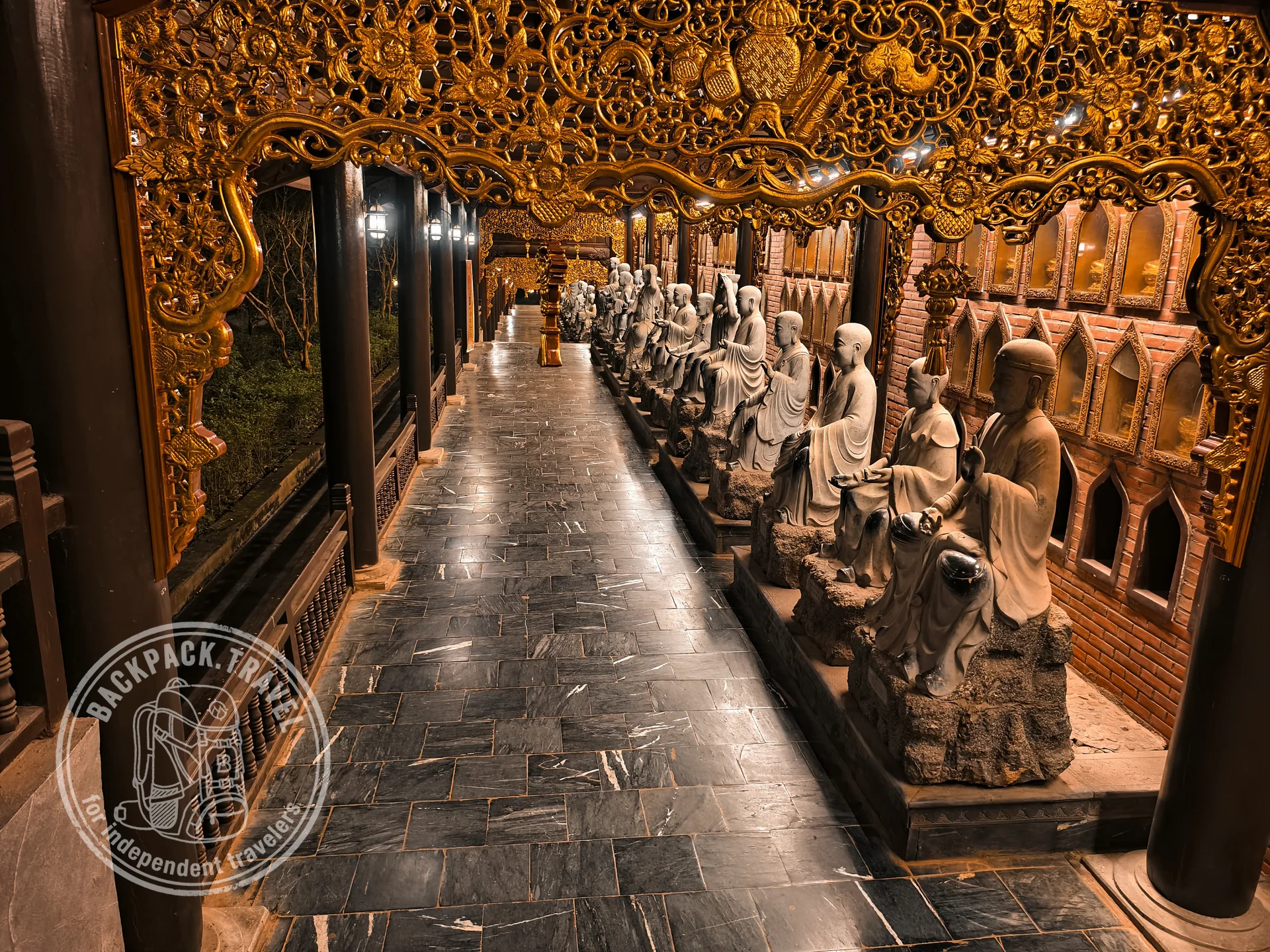
- The Bai Dinh Pagoda is the largest Buddhist complex in the country, with the main part built in the 2000s: gigantic halls and a corridor lined with hundreds of stone arhats. Beside it is the old cave pagoda in the rock, on a far more intimate scale. The grounds are so large that people are driven between the entrance and the temples on electric buggies.
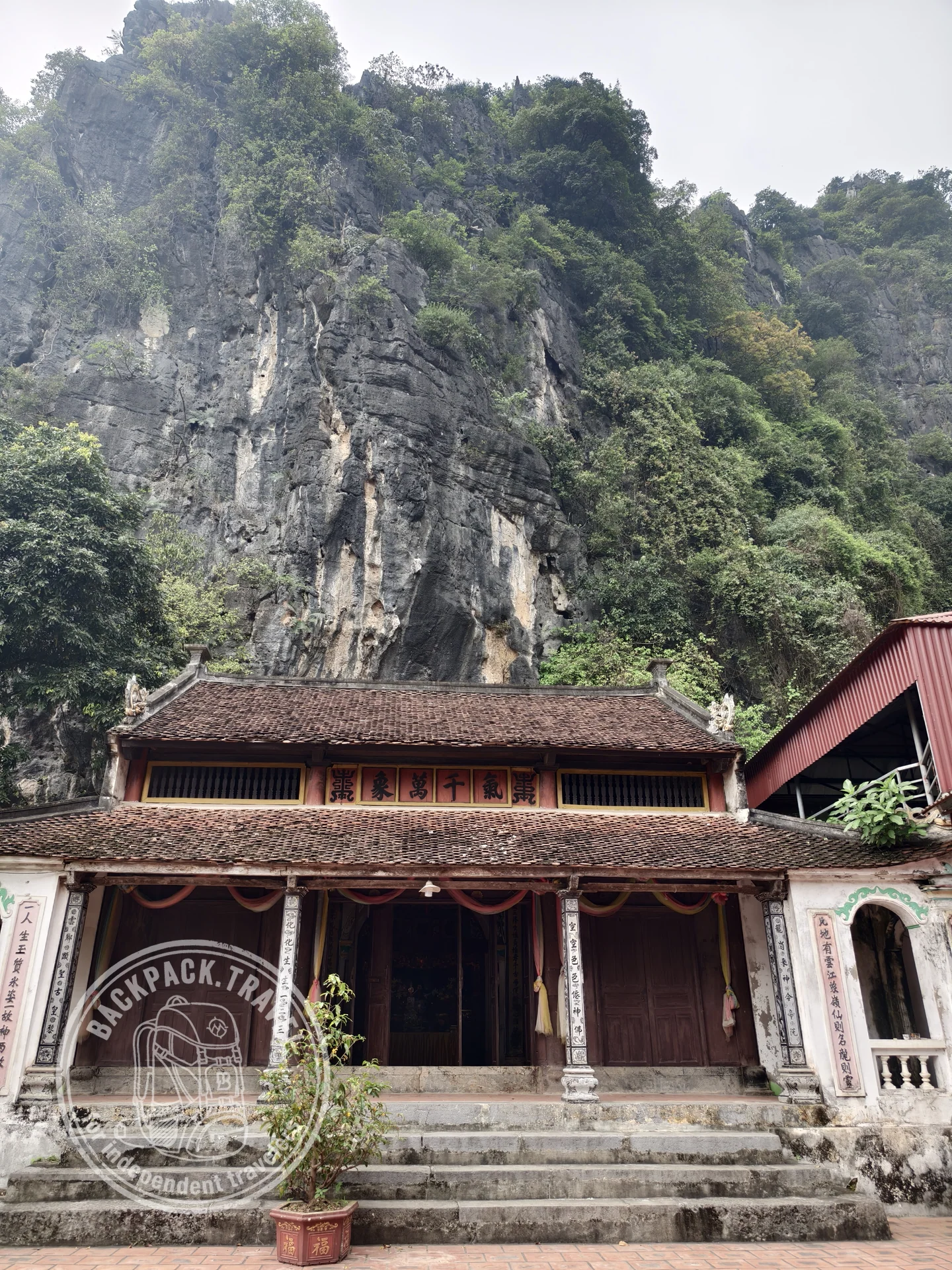
- Bich Dong is a three-tiered pagoda in the rock a couple of kilometres from Tam Coc. It is free and almost always quiet.
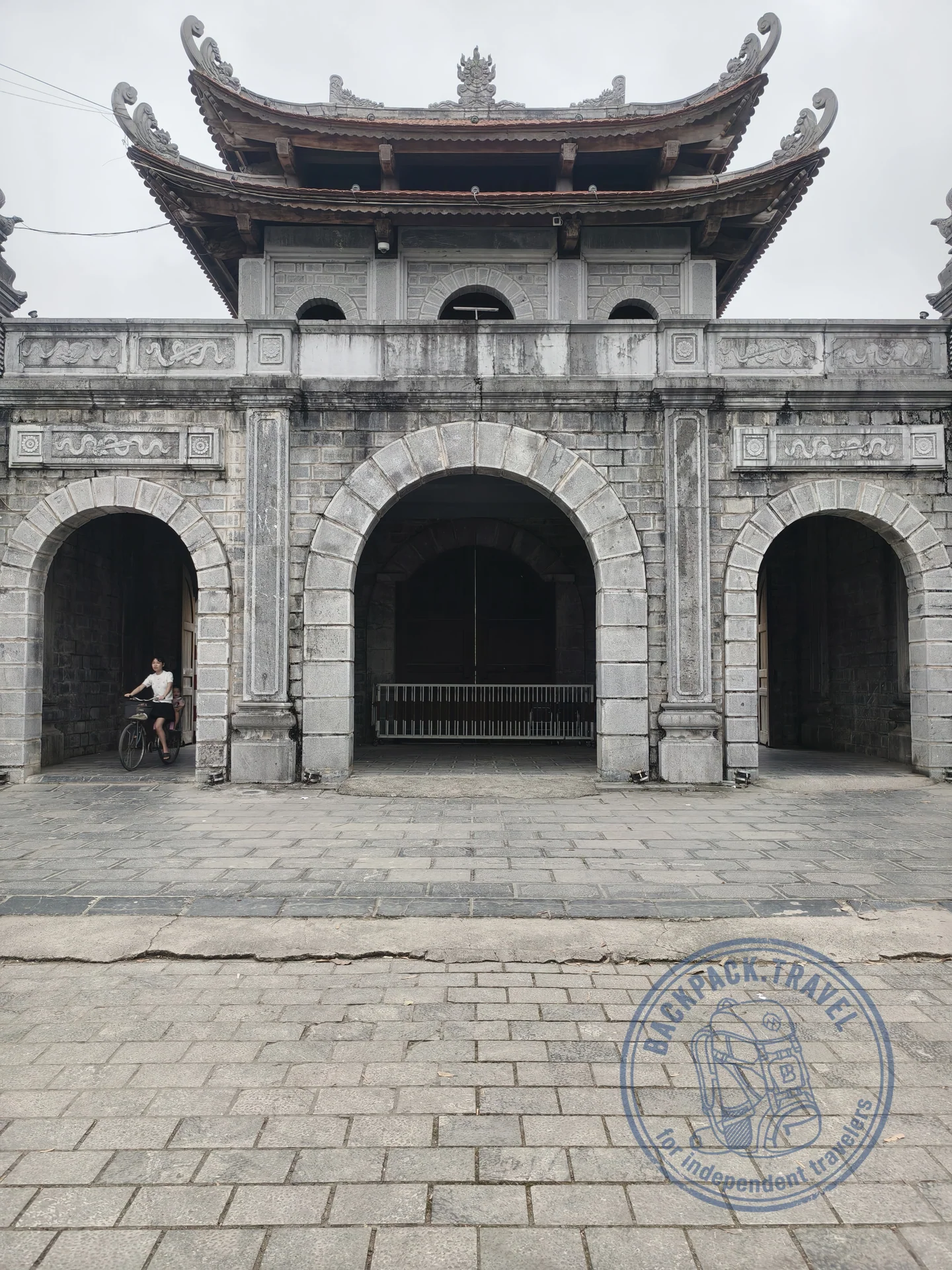
- Further from the centre: Van Long, a reserve with a quiet boat trip, rare langurs and far fewer tourists; Cuc Phuong, the first national park in Vietnam, with a primate rescue centre, which needs a day of its own; Phat Diem cathedral 30 kilometres away, a stone Catholic church of the late nineteenth century built in Vietnamese forms, with upturned roofs.
Getting there and where to base yourself
Trains and buses run from Hanoi and the journey takes some two to two and a half hours: buses are more frequent, the train more predictable. Ninh Binh sits on the main north-south line, so it makes sense to build it into a route heading towards Hue and Da Nang without going back to Hanoi.
It is better to stay not in Ninh Binh itself, which is an ordinary noisy provincial town, but in the village of Tam Coc or among the fields closer to Trang An. Getting around is easiest by scooter or bicycle: distances run from three to fifteen kilometres and the roads are level.
How much time to allow
In a single day from Hanoi you can realistically fit in one boat trip, Hang Mua and Hoa Lu, but it comes out tight and with four hours on the road. The proper minimum is two nights: a morning on the water, an evening at the viewpoint, and a second day for Bai Dinh or Van Long. Three or four days are worth allowing for the sake of Cuc Phuong, Phat Diem and rides around the villages.
Of the local food, the things to try here are goat meat and com chay rice, which most places specialise in.
Who will not enjoy it
Ninh Binh is heavily promoted, and in high season you feel it: there are queues at the ticket offices, the boats move in a convoy, and the Hang Mua viewpoint can be packed solid. Any expectation of solitary nature goes unmet, because this is a managed tourist landscape with tickets and turnstiles. There are no beaches, the river water is muddy and there is nowhere to swim. And if you have already seen Guilin in China or are heading for Ha Long, part of the impression will be a repeat: the karst is the same and only the setting changes.