Description
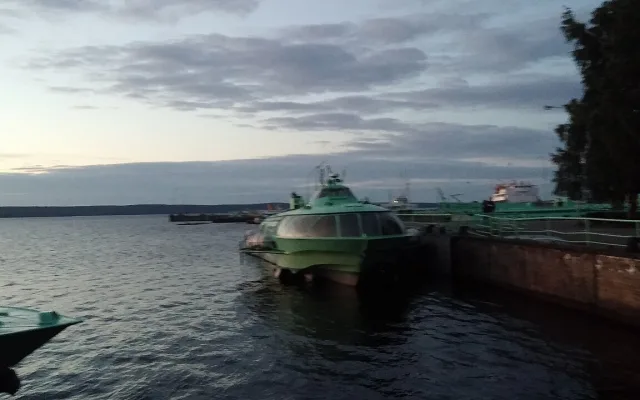
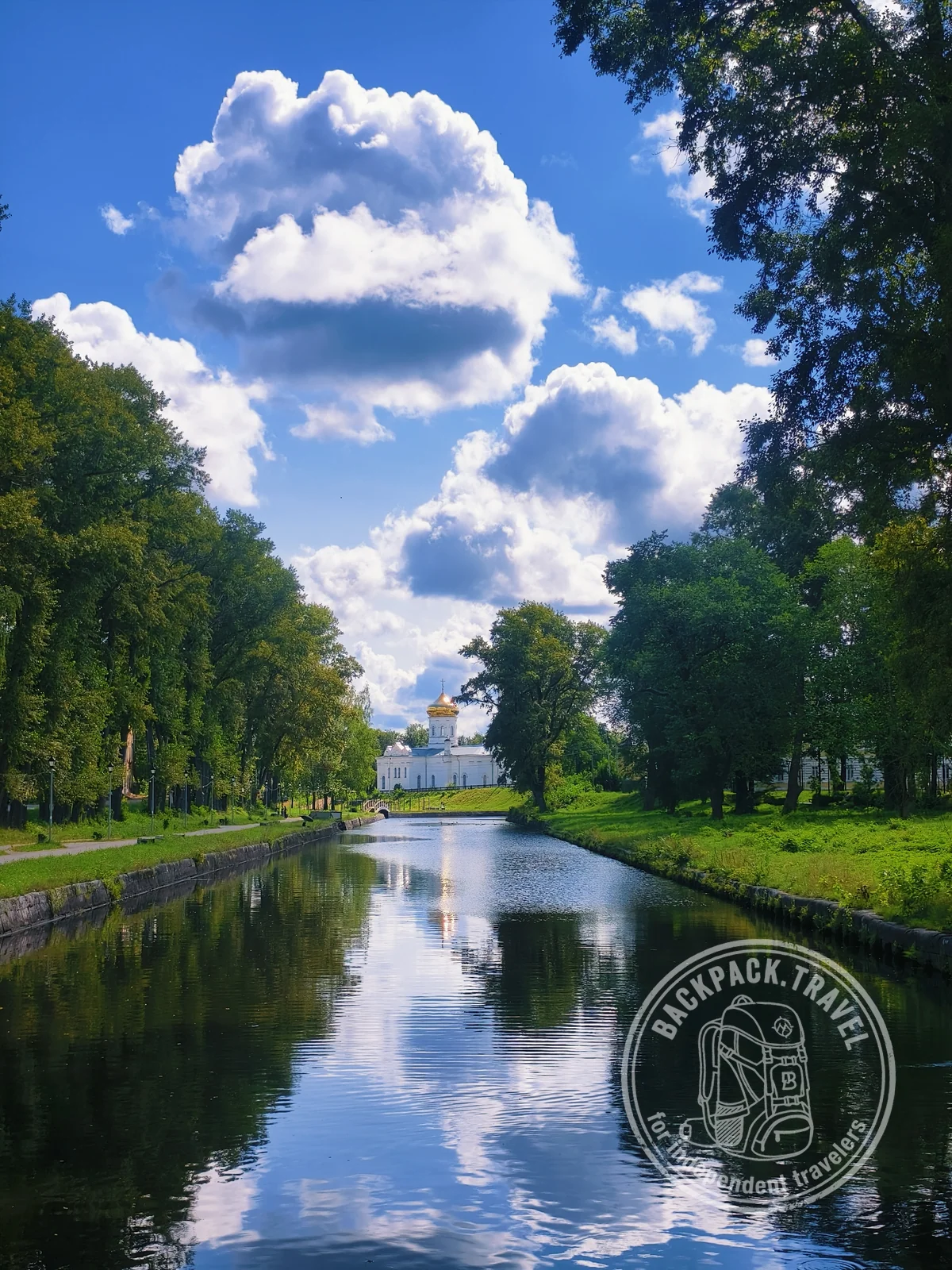
The capital of Karelia on the shore of Lake Onega, the second largest lake in Europe. The gateway to Kizhi Island with its UNESCO-listed wooden masterpieces, to Karelian forests and to waterfalls.
Wiki
Petrozavodsk, in the Russian region of Karelia near the Finnish border, is not an end in itself but a base: the hydrofoils to Kizhi leave from here, and so do trips to the waterfalls and into the Karelian forests. The city itself is small, stretched along the shore of Lake Onega and seen in half a day, so plan it as a hub on a route rather than as a destination in its own right.
Getting there
The main way is by train. From St Petersburg there is the Lastochka (a fast regional train, about half a day's journey) and overnight services; from Moscow there is a night train that gets you in first thing in the morning, ready to start. The station stands at the head of Lenina Avenue: a straight street runs from it down to the lake, about two kilometres to the embankment on foot, and a taxi costs next to nothing.
Besovets Airport operates, but there are few flights and mostly to Moscow — unless the ticket is cheaper than the train there is no point: it is still about half an hour by car into the city, and there is rarely any convenient scheduled transport.
Buses from St Petersburg run, but they lose to the train on time and you arrive tired.
Getting around the city
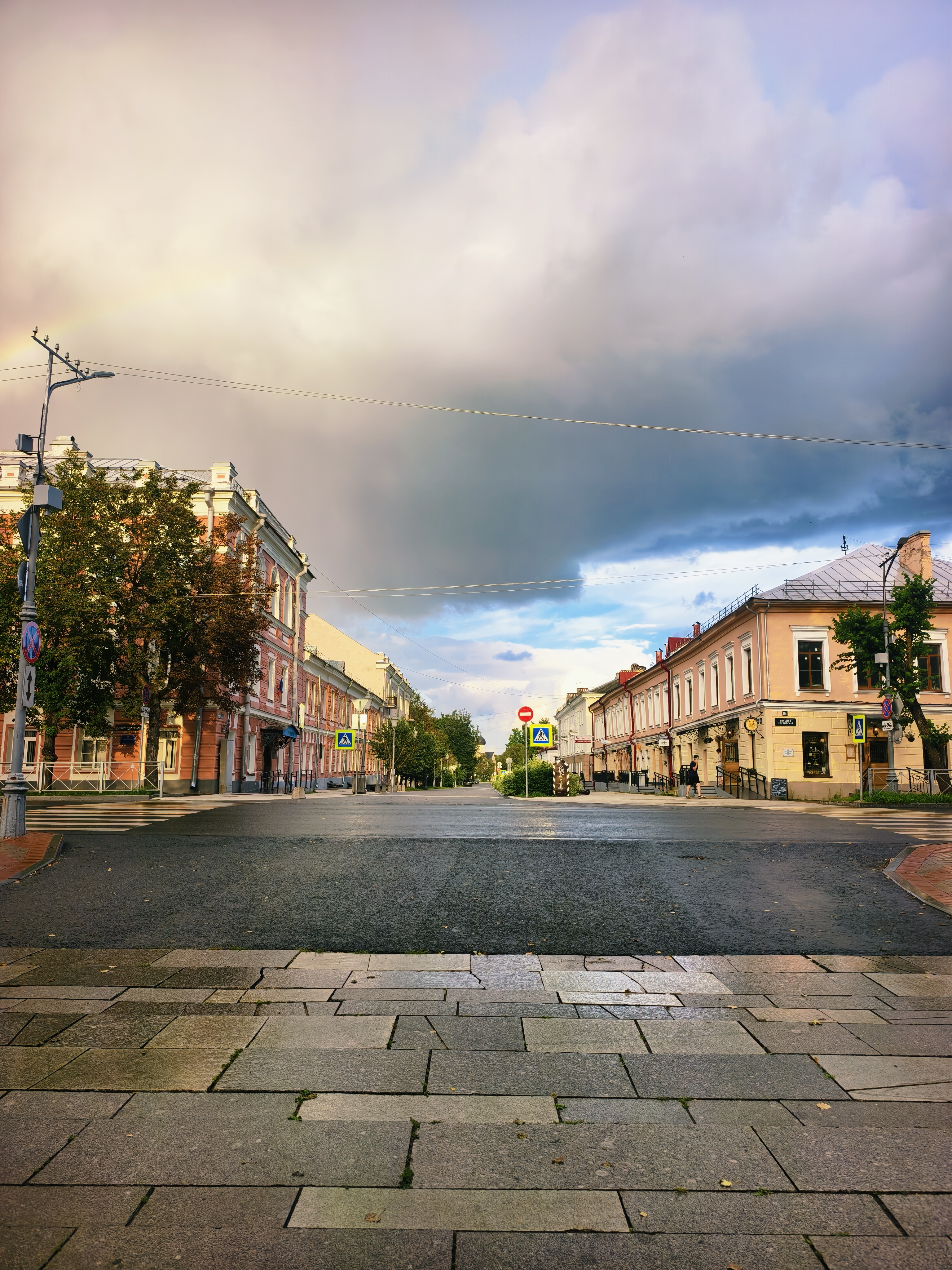
The centre is compact: the station, the embankment, Kirov Square and Round Square are all within walking distance of one another. There are trolleybuses, buses and marshrutkas (shared minibuses on fixed routes), but you only need them if you are staying in the outlying residential districts (Drevlyanka, Kukkovka, Perevalka) or heading to Solomennoye. Taxis are cheap and arrive quickly through apps. A car is not needed in the city itself but is very useful for excursions — rental is available, and it is best booked in advance as the fleet is small.
Where to stay
There is one rule of thumb: Lenina Avenue and the blocks between it and the embankment. From there the river station (where the hydrofoils leave from), the museums, cafés and the railway station are all within walking distance — which saves both time and the cost of a taxi at 6 in the morning. Accommodation is cheaper than in St Petersburg, but in high season (July to early August) the centre is booked out weeks ahead, especially if you are tied to a particular date for the Kizhi trip.
Kizhi
The main reason to come. An island with a UNESCO-listed wooden ensemble: the Church of the Transfiguration with its tiers of domes, built without a single nail, the Church of the Intercession, the bell tower, and log houses, barns and windmills brought here from across Karelia.
Practicalities:
- The hydrofoils leave from the river station in the centre and the crossing takes over an hour. The navigation season runs roughly from late May to late September, with the exact dates depending on the ice.
- The boat ticket and the island entry fee are separate costs, and together they are the most expensive part of the trip. Buy in advance; in summer places run out.
- On the island you have a limited time before the return sailing. You will manage the main churchyard and some of the other buildings — head for the furthest structures first and see the nearer ones on the way back.
- Sailings can be cancelled because of wind: Lake Onega is large and gets seriously rough. Allow a spare day and do not schedule Kizhi for your departure date.
- In winter you can get there by hovercraft or helicopter — expensive, and also weather-dependent.
The city itself
- The Onega embankment — a long promenade with a collection of modern sculptures donated by twin cities. The best known is "The Fishermen", a metal construction from Duluth. This is where the city's life happens in the evening, and in summer it stays light almost round the clock.
- Round Square (Lenina Square) — the oldest ensemble in the city, and home to the National Museum of Karelia: a good introduction to the subject before the island trip, covering the history of the region, Peter the Great's ironworks and Karelian daily life.
- Lenina Avenue and Kirov Square — the theatres and the Museum of Fine Arts.
- The Alexander Nevsky Cathedral — the city's main church.
One unhurried day is enough for all of this.
Day trips
- Kivach — one of the largest lowland waterfalls in Europe, about 80 km to the north, in a nature reserve. It is usually combined with Martsialnye Vody (Russia's first spa, a project of Peter the Great) and Girvas — the exposed crater of an ancient volcano and a dry waterfall bed that looks spectacular when the hydroelectric station's water release is shut off.
- Ruskeala — a marble canyon with turquoise water. From Petrozavodsk this is a long day: it is considerably further than it looks on the map. It makes more sense to approach it from Sortavala, which also has a train service.
- The Onega petroglyphs at Besov Nos — rock carvings thousands of years old, also UNESCO-listed. The road is difficult and you need a four-wheel drive or a boat: an option for those prepared to make the effort.
How many days, and when
Two to three days for the city plus Kizhi with a spare window for the weather. Four or five if you add the waterfalls and one longer excursion.
The best time is June to August: the boats are running, the white nights are on, and the lake water is at least nominally warm. The downside is mosquitoes and midges — repellent is essential. September brings golden forest and few people, but the end of the navigation season is close. Winter is beautiful, but the logistics of reaching the islands become sharply more expensive.
Food and money
Look not for "Russian cuisine restaurants" but for Karelian food: kalitki, open rye pasties filled with potato or millet, fish soup and creamy soup with salmon, vendace and whitefish, and cloudberries, lingonberries and cranberries in any form. Café prices are noticeably lower than in St Petersburg and lunch is inexpensive. The main costs are the transport to Kizhi and the excursions; food and accommodation are easy to economise on.
Things to bear in mind
- The weather on Lake Onega changes fast: a windproof jacket and something waterproof are needed even in July.
- Ticks are active in the forest from May to July — wear covered clothing and check yourself after a walk.
- In villages and on the highway, mobile coverage and card payment can be unreliable; keep cash.
- Do not try to fit Kizhi and Ruskeala into one day — people do and regret it.
- Private excursion boats to the island look cheaper than the hydrofoil, but check the conditions and the journey time before paying.