 Города и дороги
Description
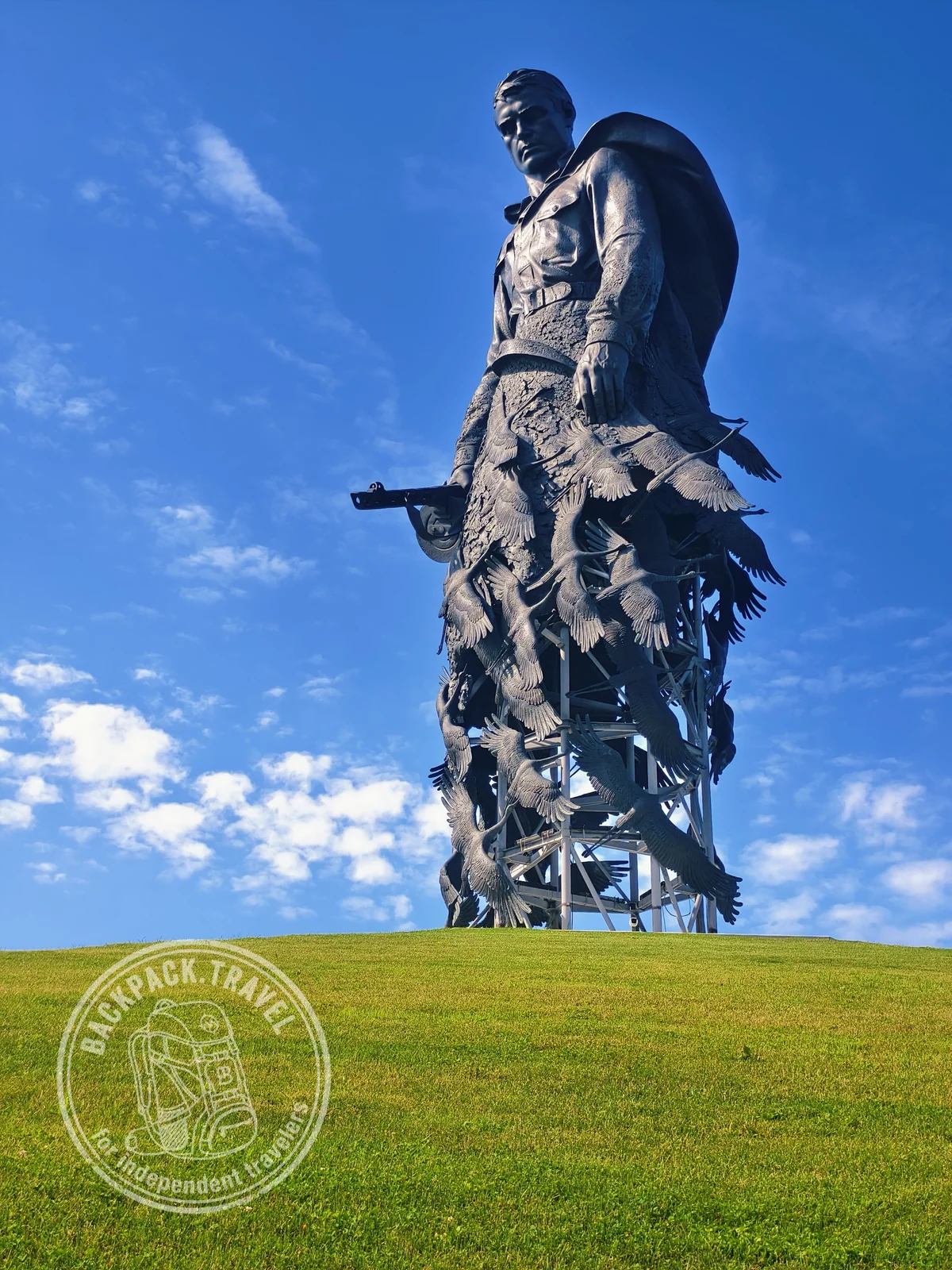
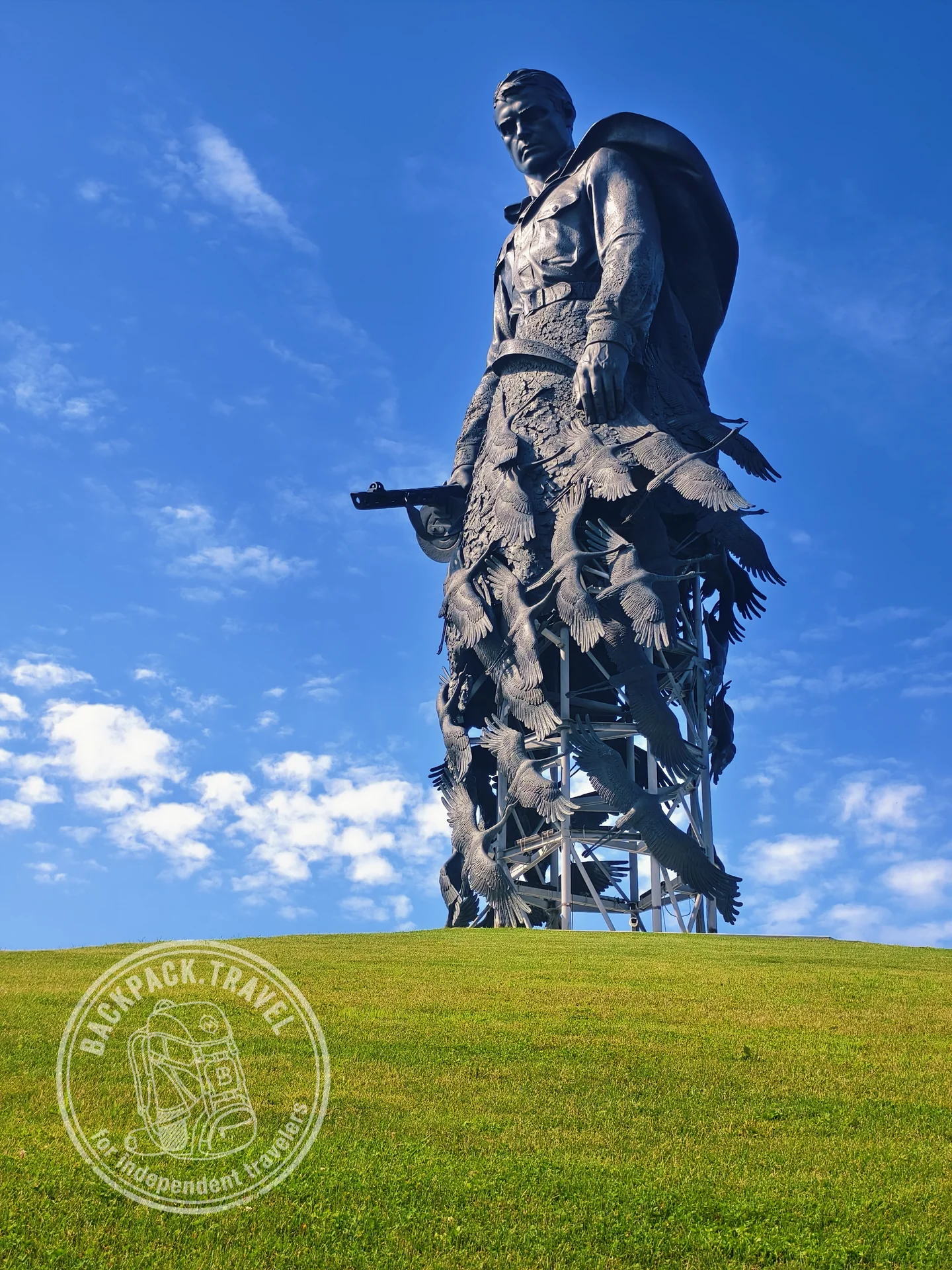
A town on the Volga known above all for the Rzhev Memorial to the Soviet Soldier, a 25-meter bronze figure standing over the fields where the hardest fighting of 1942–1943 took place.
Wiki
Rzhev stands on the Volga in Tver Region, 230 km from Moscow along the M-9 Baltia highway. This is not a museum town, because almost all of its historic fabric was destroyed between 1941 and 1943. People come here for the hardest and longest-hushed chapter of the war, and for the memorial that finally marked it.
What happened here
Rzhev was the hub of the Rzhev-Vyazma salient, a German bridgehead aimed at Moscow. The town was taken on 14 October 1941 and liberated on 3 March 1943. Between those two dates lie four major offensive operations by the Red Army, which Soviet historiography long declined to combine into a single battle: the name "Battle of Rzhev" was absent from the list of the war's main battles, and it stayed on the margins of memory.
The cost is comparable to the largest operations of the war. Total Soviet losses on the Rzhev axis exceed 1.3 million men by official counts, including the wounded and the missing, while a number of historians give higher figures and the argument over methodology is not settled. The town itself was wiped out: before the war about 56 thousand people lived in Rzhev, and on the day of liberation only a few hundred were counted.
These battles are the subject of Tvardovsky's poem "I Was Killed Near Rzhev", which is the best guide to the place.
The Memorial to the Soviet Soldier
It was opened on 30 June 2020 by the village of Khoroshevo, a few kilometers from Rzhev and right beside the M-9: it is visible from the highway, and there is an exit and a parking lot.
- The figure of the soldier is 25 meters high and stands on an artificial mound about 10 meters high. It is cast in bronze and weighs some 80 tons, and the authors are the sculptor Andrei Korobtsov and the architect Konstantin Fomin.
- The lower part of the greatcoat dissolves into a flock of cranes, a reference to Rasul Gamzatov's "Cranes". From below the figure seems to lose its footing, and up close the effect is stronger than in photographs.
- A long avenue with metal walls leads to the mound, carrying more than 17 thousand names of those killed near Rzhev along with portraits of some of them. Walking its length is an obligatory part of the visit, and without it the sense of the whole structure falls apart.
- At the base of the mound is a museum pavilion with a glass floor, under which lie genuine objects from the battlefields. Access to the grounds is free, and the pavilion's opening hours are worth checking.
In the same village stands the cottage museum "The Kalinin Front. August 1943": Stalin stopped here from 3 to 5 August 1943, on his only trip to the front during the whole war, and it was from here that the order for the first victory salute was given.
What is left in the town itself
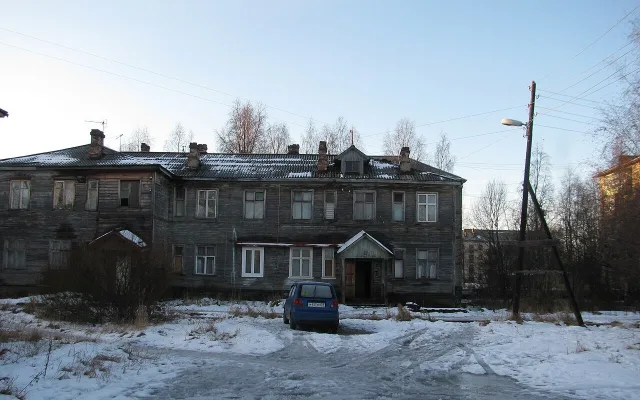
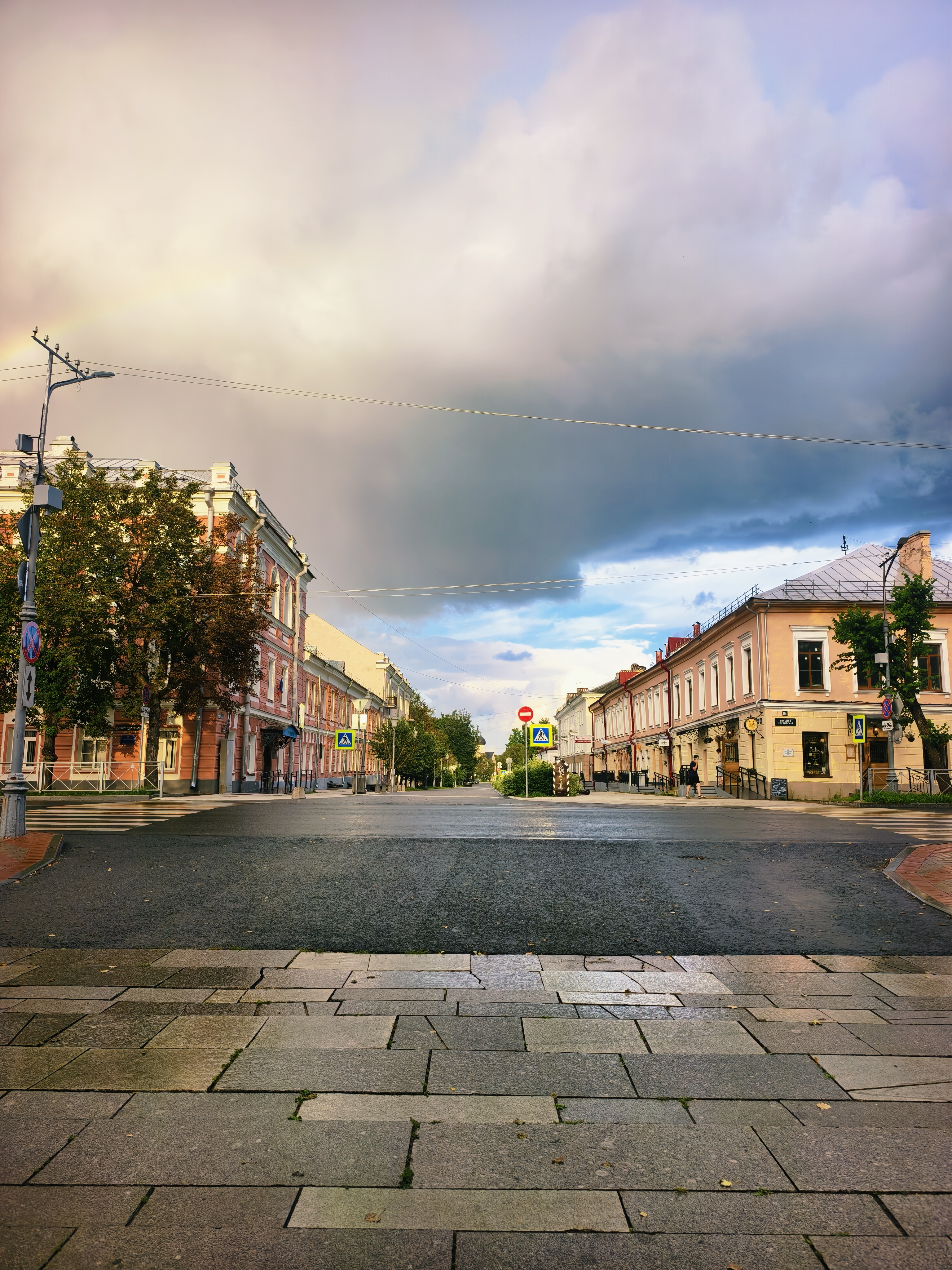
Not much, since the center of Rzhev is postwar building and the prewar town is essentially gone.
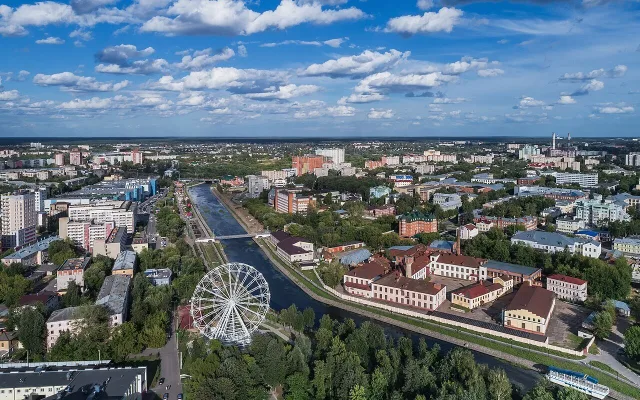
- Cathedral Hill above the Volga — the historic core, now a viewpoint with the best outlook over the river and the bridges.
- The obelisk to the liberators of Rzhev on the Mound of Glory, dating from 1963, with an eternal flame.
- Okovetsky Cathedral of the 1830s — the main surviving church.
- The German war cemetery — an avenue of stone slabs bearing names.
- The local history museum with its diorama of the Battle of Rzhev, and memorials to Kazakh and Kyrgyz soldiers.
How much time to allow
The memorial itself takes an hour to an hour and a half, counting the avenue, the climb and a walk around the figure. With the museum pavilion and the cottage museum in Khoroshevo it comes to two or two and a half hours. Half a day is needed if you add the town, meaning Cathedral Hill, the obelisk, the cathedral and the museum. From Moscow this is a full day, leaving in the morning and returning in the evening, with about 230 kilometers each way.
The train from Moscow reaches Rzhev-Baltiysky station by a roundabout line in about six hours, and there are few services. Practically everyone comes by car or by bus along the M-9. It makes sense to combine the trip with Staritsa, 55 kilometers to the northeast on the road to Tver, or with Vyazma if you are making a loop around the salient.
Who won't enjoy it
Rzhev is a heavy place, and that is not a figure of speech. There is no center to stroll through, no embankments and no food scene; the town is poor, the buildings are unremarkable, and apart from the view from Cathedral Hill there is little to admire. The whole trip rests on the memorial and on your readiness to take the subject in, and if the war as a theme means nothing to you, all that is left is concrete, bronze and three hours on the road. The displays are modest and a full museum day will not come together, because the work here is done by the landscape and the scale of the numbers. And if you come with children, you will have to talk about things that cannot be softened.