Santo Domingo
Dominican RepublicDescription
The first European city in the New World, with a UNESCO Colonial Zone, the Cathedral of Santa María — the first in the Americas — and merengue alive on the streets.
Wiki
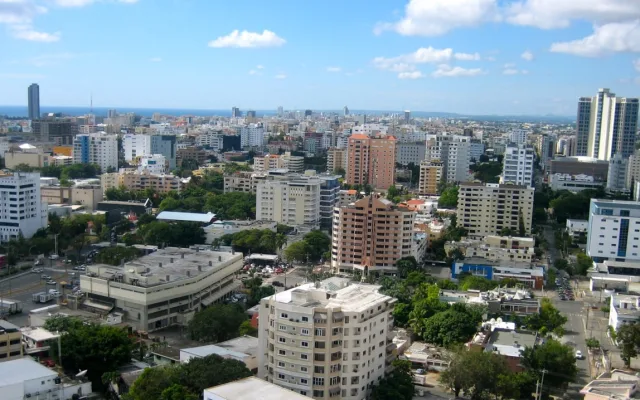
The capital of the Dominican Republic and the oldest European city in the New World — around 1 million residents in the city proper and 3.5 million in the greater metropolitan area. Founded by Bartholomew Columbus (Christopher's brother) in 1496. The UNESCO-listed Colonial Zone (Zona Colonial) holds the first cathedral in the Americas, the first hospital, the first paved street, and the first fortress. Christopher Columbus himself spent time here, and his son Diego became governor of the colony in 1509 and later viceroy of the Indies. Chaotic and noisy, yet one of the most historically rich cities in Latin America.
Top Sights
- Colonial Zone (Zona Colonial / Ciudad Colonial) — UNESCO World Heritage Site, the main historic district. Sixteen city blocks containing the oldest buildings in the New World.
- Catedral Primada de América (Cathedral of Santa María la Menor) — the first cathedral in the Americas (1512–1541), Gothic-Renaissance in style; Columbus's tomb was kept here until 1992 (now at the Lighthouse).
- Alcázar de Colón — the Columbus family residence, the first palace in the New World. The principal museum of the colonial era.
- Calle Las Damas — the first paved street in the Americas (1502).
- Plaza de España — the main colonial square, with a statue of Nicolás de Ovando.
- Museo de las Casas Reales — housed in the first administrative building of the colony; covers history from 1492 to 1821.
- Museo del Hombre Dominicano — ethnography of the Taíno (pre-Columbian culture).
- Columbus Lighthouse (Faro a Colón) — a giant cross-shaped monument built in 1992 for the 500th anniversary of Columbus's arrival. Inside is a mausoleum said to contain the remains of Christopher Columbus (the Dominican claim; Spain disputes it).
- Tres Ojos (Los Tres Ojos) — three karst caves with underground turquoise lakes.
- El Malecón — the seafront promenade, the main evening destination.
- National Botanical Garden — the largest in the Caribbean.
- Boca Chica and Juan Dolio — beach suburbs 30–45 minutes away.
- Caño Hondo and Los Haitises National Park — mangroves, caves, and Taíno petroglyphs.
Food and Prices
Dominican cuisine centres on la bandera (rice, beans, meat, and plantains — the national dish), mangú, sancocho, mofongo, asopao, coffee, and Brugal rum. A lunch at a café costs $8–15, dinner at a restaurant $18–40. A bottle of Brugal Añejo rum runs $8–15. A litre of petrol is around $1.20; taxis cost $5–15 within the city; the metro (two lines) costs $0.50. Prices are as of 2026.
Getting There and Around
Las Américas International Airport (SDQ) is the main gateway to the capital, with direct flights from Miami, New York, and Madrid. A taxi to the centre costs $35–45. Around the city: taxis, Uber, and the metro (2 lines). Domestic flights to Punta Cana take around 30 minutes; the smaller La Isabela — Dr Joaquín Balaguer airport (JBQ), on the northern edge of the city, handles most domestic services.
When to Go
December–April is the dry season, 24–30 °C — ideal. Hurricane season runs June–November, with the highest risk in August–October. The Santo Domingo Carnival takes place in February (the country's main national festival). The Merengue Festival is held in July–August. It is hot year-round — avoid prolonged exposure to the midday sun.