
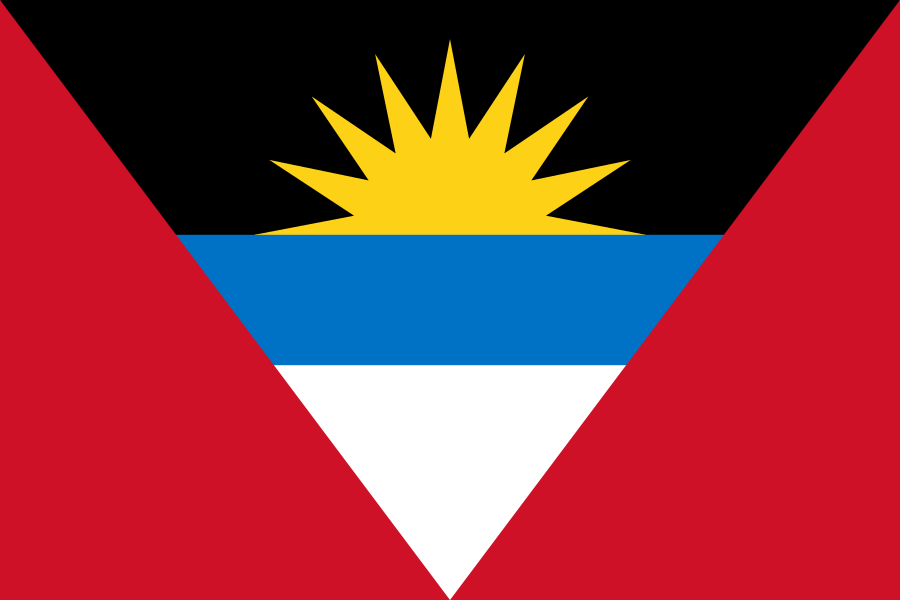
Safety in Antigua and Barbuda
A rating built from four independent indices, plus scams, laws and what to do when something happens
Rating calculated from the indices below
Indices checked on 10.08.2026
Position in global indices
Save these before you fly
The general picture
Overall: This is one of the calmer countries in the region, but do not switch off entirely. After dark in St John's, avoid unlit side streets and the empty commercial areas near the port.
Theft: Petty theft on public beaches is the single most common problem visitors have. Never leave bags, phones or cash on the sand while you swim.
Weather: Hurricane season runs June to November and conditions can change fast. Watch the forecasts and expect transport delays in that window.
Sun: Caribbean sun is merciless even under cloud. Burns happen within the hour, so factor 50 and a hat should be with you from day one.
Roads: The main driving hazard is deep potholes and the absence of pavements. Pedestrians need to pay attention, since traffic is on the left and cars run close to the verge.
Health: Tap water is treated, but bottled is the safer habit for drinking. Restaurant ice is made from filtered water, so the risk there is minimal, and it is worth checking your own government's travel advisory during storm season.
How tourists get scammed
Antigua and Barbuda is a resort destination with 365 beaches and low crime against tourists.
St John's. Petty theft on cruise ship days and at the market. The centre empties at night.
Beach vendors. Persistent but not aggressive.
Taxis. Fares are fixed and published. Confirm the price and currency before getting in: confusion between East Caribbean and US dollars is the commonest cause of misunderstanding.
Car hire. A local permit is required. Driving is on the left, roads are narrow, and markings are worn.
Trips to Barbuda. The ferry runs irregularly, and the island is still recovering from Hurricane Irma. Check the schedule.
Yacht charter. Antigua is the region's yachting centre. The industry is regulated and reliable.
What gets you fined or jailed
Camouflage is prohibited for civilians. It is confiscated at customs.
Drugs. The law is strict. Cannabis is decriminalised in small quantities for personal use, but selling and importing are illegal.
Weapons and ammunition. Importing them is a criminal matter.
Drones. Permission is required.
Marine life. Collecting coral, shells and turtle products is prohibited.
Yachting. Port entry, clearance and anchorages are regulated. Nelson's Dockyard National Park is a UNESCO site with its own rules.
Hurricanes. The season runs June to November. Barbuda was effectively destroyed by Irma in 2017.
Driving on the left.
Health: vaccines, medicines, care
Vaccinations. None mandatory; a yellow fever certificate is required from arrivals out of endemic countries.
Dengue, chikungunya and Zika. Present.
Water. Desalinated and safe in hotels. Many people drink bottled.
The sea. Most beaches are calm with shallow water. The Atlantic side has surf.
Manchineel. The poisonous tree on the beaches, usually marked.
Sun. Tropical UV with reflection off white sand.
Diving. A hyperbaric chamber is available. Diving insurance is needed.
Healthcare. Mount St John's Medical Centre is of a decent standard. Anything serious means evacuation to the US or Martinique. Insurance is needed.
Emergency number is 911 or 999.
Police: how to handle them
Antigua and Barbuda is a calm country with low crime against tourists.
Police. Correct, and English is official.
Reporting theft. Reports are taken and certificates issued.
What actually happens. Theft from beaches and cars, and petty theft from rooms.
At night. The tourist areas are calm. Some districts of St John's are best avoided in the evening.
The yachting area. English Harbour and Falmouth are calm with their own infrastructure.
What actually matters. Antigua's main risks are the sun, the sea on the Atlantic side, and hurricanes in season. Crime is low.
Emergency number is 911.
What else to check
The rating is built from open international indices and foreign-ministry advisories; links to the primary sources are in the cards above. Conditions change faster than annual reports come out — check current travel advice before you go.