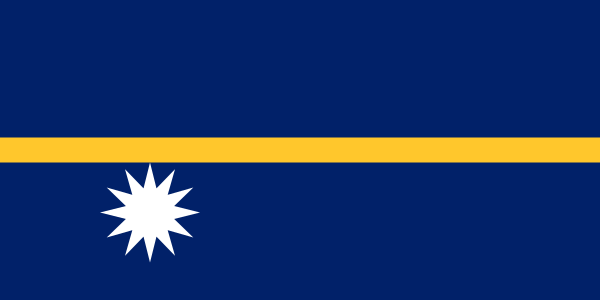
Nauru
NRThe smallest island state in the world — a coral island of 21 km² in the middle of the Pacific. Nauru has one of the strangest histories anywhere: phosphate made it briefly one of the richest countries on earth, and the collapse of mining left a scarred lunar landscape across its interior. A handful of tourists arrive each year, which is precisely what makes it one of the most exotic destinations on the planet. A visa is required and must be arranged in advance by email.
Where to go #
Yaren
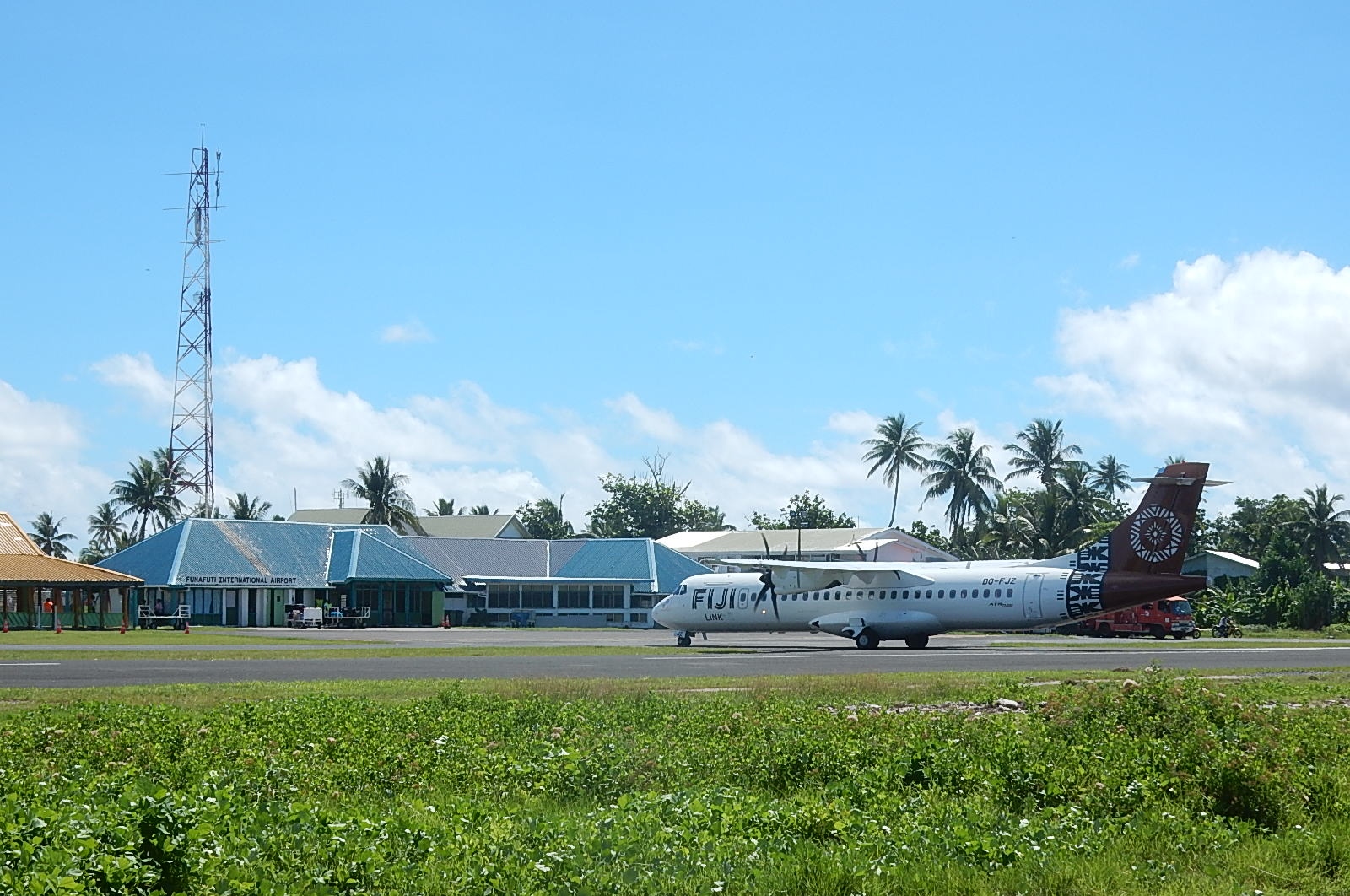
This is the main government district, worth a look for the parliament building and the airport. There are no clear town boundaries anywhere on Nauru, but almost every official service sits here and it is the de facto centre of national life.
Aiwo
The commercial heart of the island, where independent travellers find the largest supermarket and a bank branch. If you are looking for what passes for urban bustle here, this is where to go.
Anibare
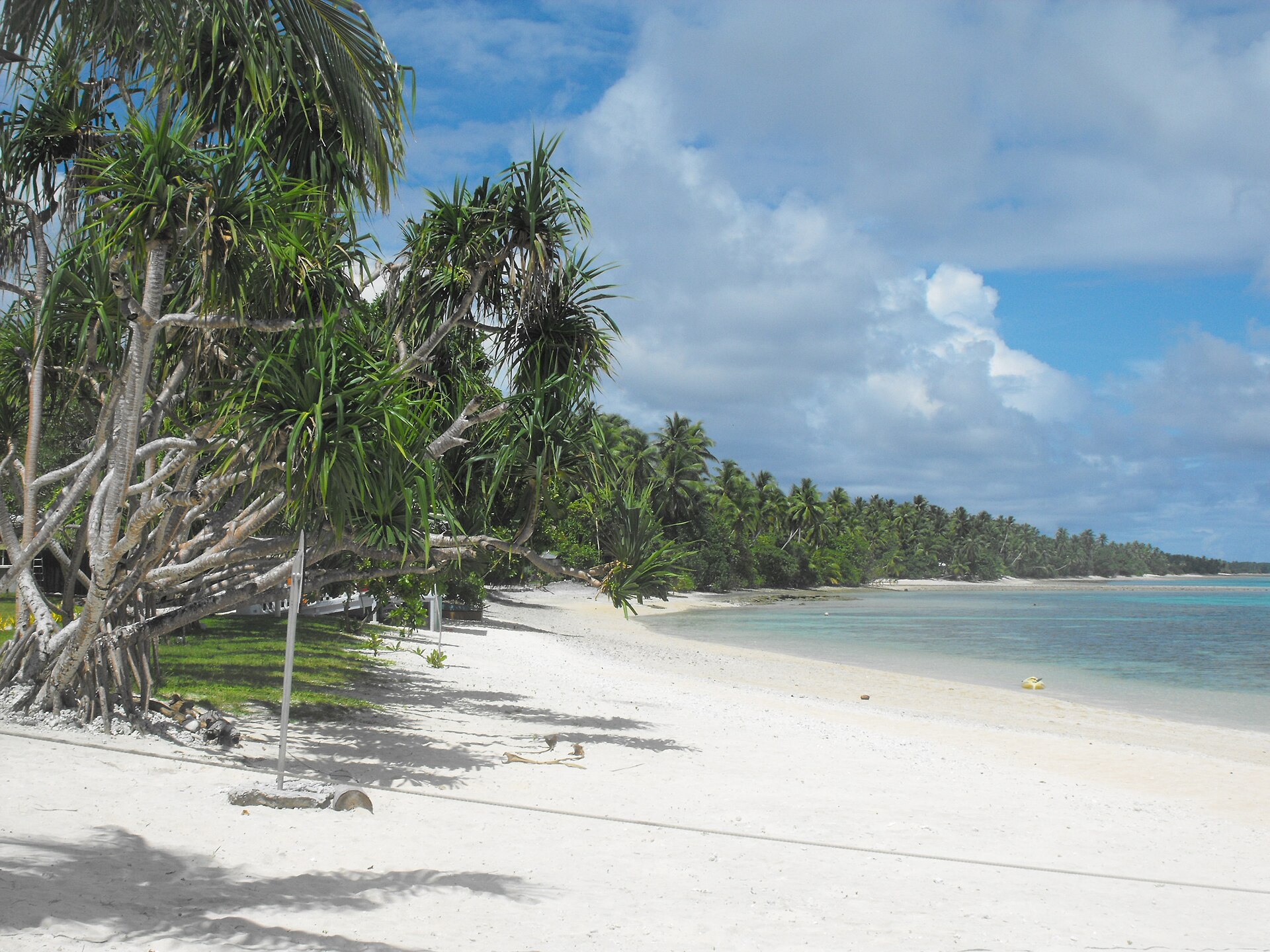
The eastern coastal district draws people with the best beaches and turquoise open-ocean water. It is worth a trip for lounging in the shade of coconut palms and for the sight of the huge phosphate cantilevers at the port.
Buada
The district wrapped around the freshwater lagoon of the same name, drowning in lush tropical green. It is a unique and very quiet spot, easily done in a day on foot as a walk into the island's interior.
Denigomodu
The most densely populated district, home to phosphate mine workers and one of the island's hotels. This is where you see how modern Nauruans actually live, with no polish and no tourist gloss.
What to see #
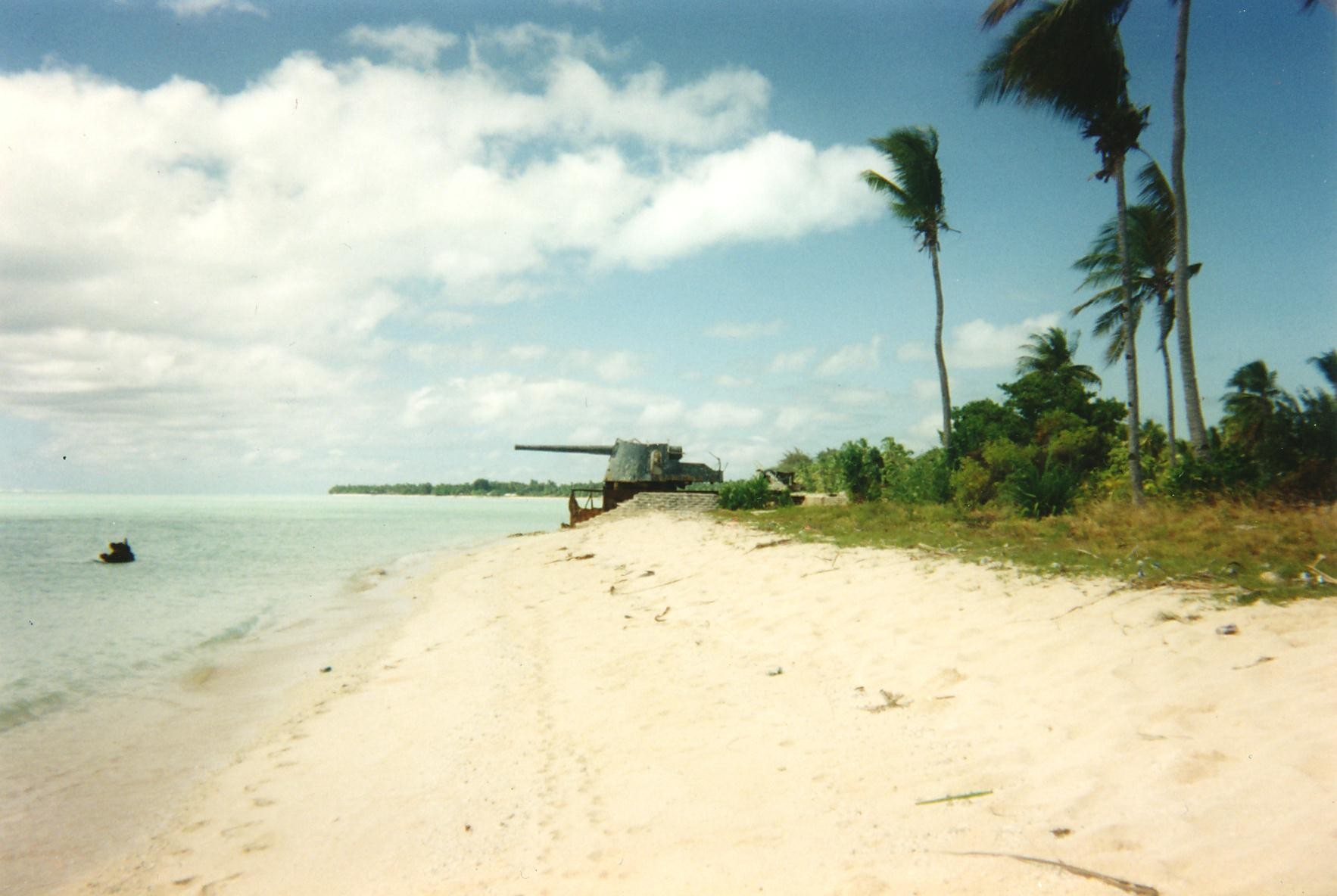
Command Ridge: The main historical site, worth the climb for the Japanese guns and abandoned Second World War bunkers. From the top of the hill you get a sweeping panorama over the whole island and the endless ocean.
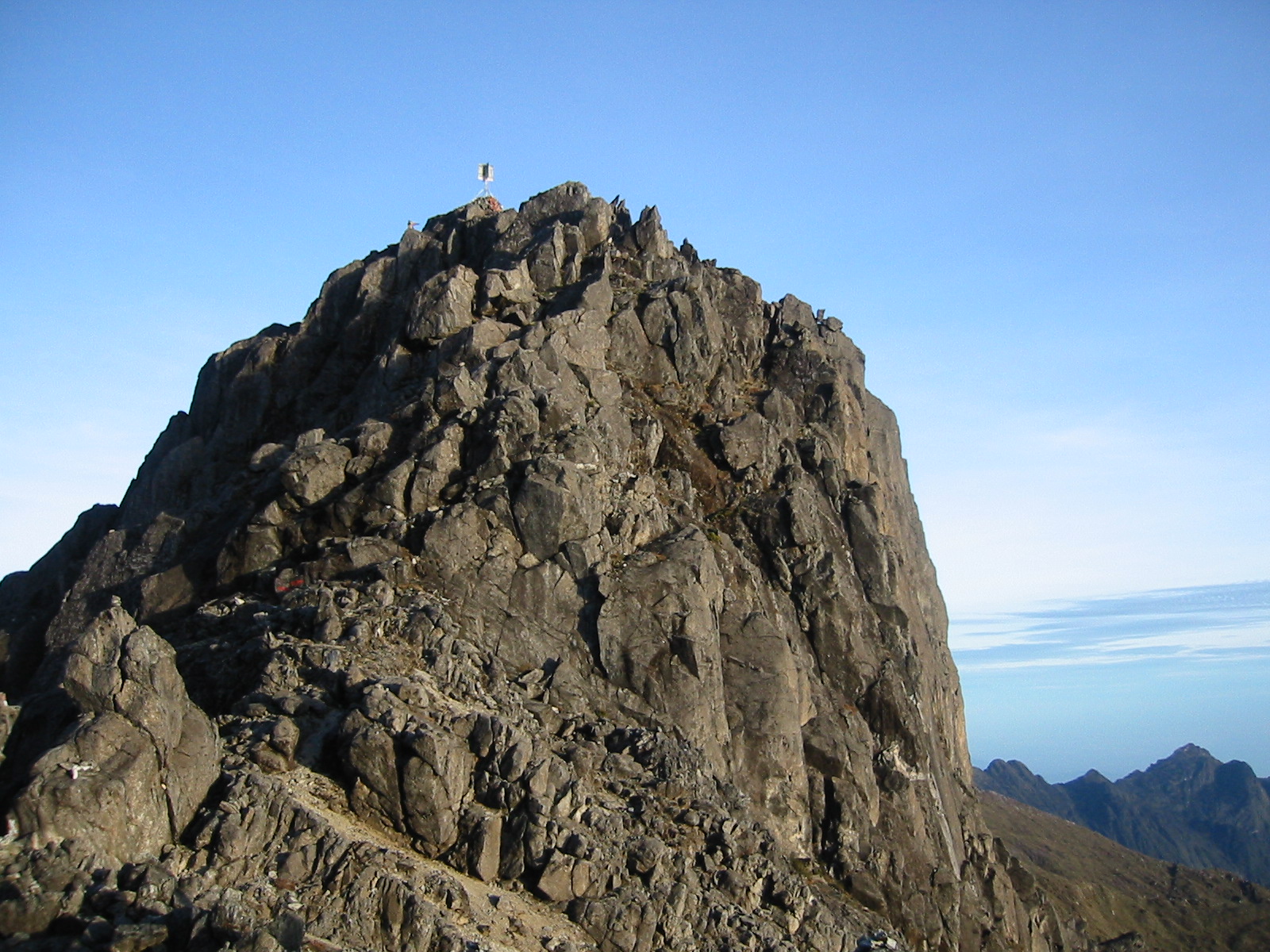
The phosphate pinnacles: The mined-out centre of the island looks like a grim lunar landscape of sharp limestone columns. This is the thing you have to see to grasp with your own eyes the scale of an entire nation's environmental catastrophe.
Anibare Bay: The prettiest place in the country, white sand and coral, a good spot to spend time away from the dusty roads. Worth a trip for decent snorkelling and the chance of spotting sea turtles.
Buada Lagoon: The only freshwater body on the island, ringed by palm gardens, a sharp contrast to the lifeless quarries all around. You can walk the full green shoreline at an easy pace in an afternoon.
The airport runway: A genuine curiosity in Yaren, where the ordinary ring road crosses the airstrip. Locals gather here in the evenings simply to sit on the tarmac or watch the rare arrivals come in.
Moqua Well: A small underground lake hidden in the limestone not far from the government buildings. The place feels faintly mystical and its natural cool is a relief at the hottest point of an equatorial afternoon.
Prices #
Currency: The Australian dollar is the only money in use, since the country has no currency of its own. Prices are steep because almost every product and foodstuff arrives by ship from Australia.
Cards: Visa and Mastercard are accepted almost nowhere, so bring a serious cash float. A couple of the larger shops have terminals, and even those regularly fail with connection errors.
ATMs: There are only a handful of machines on the whole island, in the Aiwo and Meneng districts. They are often completely empty or simply broken, so counting on withdrawing money after you land is a bad plan.
How to bring money: Arrive with Australian dollars in hand, taken out in Brisbane or Nadi before you fly. A Wise or Revolut card is useful for topping up at a Fiji or Australia stopover, but on Nauru itself treat plastic as decoration.
Tipping: The local culture does not expect anything on top of the bill. A polite smile and a few kind words to your waiter or driver are the thanks that actually land.
| Item | Price (USD) |
|---|---|
| Lunch in a cafe | 14 |
| Dinner at a hotel | 23 |
| Bottle of water | 3 |
| Cup of coffee | 5 |
| Beer in a bar | 8 |
| Car hire, per day | 55 |
| Litre of petrol | 2 |
| Taxi across a district | 6 |
| Packet of biscuits | 4 |
| Ride on the phosphate train | 0.4 |
| Guided snorkelling trip | 110 |
| SIM card | 9 |
| 1GB of data | 5 |
| Coconut at the market | 2 |
Getting around #
Getting here: One airline serves the island, linking it with Brisbane in Australia and Nadi in Fiji, and flights run only a couple of times a week. From Europe or North America you are looking at a long haul to Brisbane and then the Pacific hop, so build in generous slack on both sides of your Nauru dates.
Getting around: On an island a few kilometres across, there are no bus routes in any normal sense. A 19-kilometre ring road connects every district and takes about thirty minutes to drive end to end.
On foot: The best way to understand the country is to walk right round the perimeter. It takes four to six hours, and you want to set off at first light so the equatorial sun does not flatten you.
Bicycles: You can rent a bike from residents or arrange one through the reception at the Menen hotel. Two wheels are ideal for heading inland to the phosphate workings and the Buada lagoon.
Car hire: Rental cars are genuinely scarce and dear for what you get. They are usually old right-hand-drive vehicles let out by the owners of small guesthouses.
The train: The single railway line exists to haul phosphate, but for a token fee you can sometimes ride a wagon. It is an exotic, if not remotely comfortable, way to see the interior. Traffic drives on the left, and note that when a plane lands the roads by the runway close completely.
Where to stay #
The choice: There are very few places to sleep and you book them directly by email. The big booking platforms are close to useless here, because the hotels never update availability on them.
Menen Hotel: The largest property, out in Anibare, recently part-renovated. It offers standard air-conditioned rooms and counts as the most reliable option for independent visitors.
Hotel Od'n Aiwo: The cheaper option, sitting in the island's commercial centre. The building is old and conditions inside are spartan, but the main shops and fast food places are right on the doorstep.
Guesthouses: Private guesthouses do exist, including options run by local families around Anibare. These can be simple converted containers with a bathroom or even huts, which suits the most frugal backpackers.
Power: Be ready for rolling blackouts across the republic. The hotels generally run their own generators, but internet and hot water can still disappear for an indefinite stretch.
Prices: Rates are unjustifiably high, a product of zero competition and extreme remoteness. Even a very modest room with no frills can be pitched at over 150 dollars a night.
Booking ahead: With so few rooms, a single arriving delegation can fill the island. Email weeks in advance and get written confirmation before you buy your flights.
What to eat #
The basics: The islanders eat what is caught in the ocean or what arrives in containers. Fresh vegetables and fruit are almost absent, and what does make it into the shops costs a fortune.
Fish: Tuna and mahi-mahi are the only things reliably fresh and affordable. Ask for the fish grilled with rice, which is the safest and most filling thing on offer in the roadside cafes.
Chinese cafes: A sizeable diaspora lives here, so noodles and fried rice turn up everywhere. This is usually the cheapest way to eat properly around Aiwo or Denigomodu.
The Bay restaurant: Reckoned to be the best dinner spot, with a fine view over Anibare Bay. It serves Western dishes and fresh seafood, and the atmosphere beats the hotel canteens by a wide margin.
Water: Tap water is strictly off limits, so use bottled water from the supermarket. Even for brushing teeth it is better to use your own purified supply rather than ruin your trip.
Shopping: The Capelle & Partner supermarket carries tinned goods, snacks and imported drinks. The range is modest and shelves frequently sit empty waiting for the next supply ship from Australia.
Safety #
Crime: The crime rate is extremely low and everyone on the island knows everyone else by sight. You can walk around in the evening without worrying about robbery, though stray dogs in dark stretches deserve caution.
Natural hazards: The biggest threats are the fierce equatorial sun and razor-sharp coral. Burns happen fast, and cuts from rocks in the ocean heal slowly in this humidity.
Medical care: The single state hospital provides only the most basic treatment. Anything serious means waiting for an air ambulance, which runs to tens of thousands of dollars if you are uninsured, so proper travel insurance is not optional here.
The pinnacle fields: Walking in the island's interior demands real care, because the limestone columns crumble. The ground is unstable and knife-edged, so forget about open footwear.
Roads: Traffic keeps to the left, and although there are few cars, drivers can be unpredictable. Walking the island, always face oncoming traffic and stay as close to the verge as you can.
Hydration: In this heat dehydration arrives quickly. Carry a couple of litres of water at all times and never brush off the first signs of dizziness or sudden weakness on a walk.
Etiquette and culture #
Etiquette: Society here is fairly conservative and religious, particularly about how people dress. Away from the beaches, cover shoulders and knees to avoid disapproval from the older generation.
Sunday: The day belongs entirely to church and family, and almost everything on the island shuts. It is a time of complete quiet, and not the moment to make noise or plan anything boisterous.
Photography: Always ask before pointing a camera at a resident or their home. Photographing anything connected with the refugee processing facility is strictly forbidden, and people take that seriously.
History: Phosphate mining and the damage it did remain a painful subject for many. Do not lecture anyone about the state of the environment; genuine sympathy for a difficult national story goes much further.
Hospitality: People are extremely friendly and may invite you to a family gathering on the spot. Do not turn down food that is offered, because it is the best chance you will get to hear about island life first hand.
Sport: Nauruans adore weightlifting, and it is the country's great source of national pride. If you are lucky enough to catch a local competition, you will see extraordinary passion and strength from a very small nation.
Connectivity #
Mobile: Digicel is the sole operator and covers most of the island's perimeter. You can buy a SIM at the company office in Aiwo, presenting your passport for the mandatory registration.
eSIM: Roaming from most home networks is either poor or eye-wateringly expensive here. Setting up an eSIM data plan with a provider like Airalo before you fly usually works out cheaper and far more reliable.
Internet: Connection speeds often leave a lot to be desired, especially during the evening peak. Video calls drop constantly, so plain text messages are the better bet for staying in touch with home.
Hotel access: The Menen hotel sells paid network access that is considered the most stable on the island. A day of it will cost you roughly what a decent lunch does.
Language: English is an official language alongside Nauruan and is spoken widely, so you will have no trouble in shops, hotels or government offices. Signage is limited in general, but what exists is usually in English.
Sockets and calls: Nauru uses Australian-type plugs with three flat pins, so bring an adapter, because finding one in a local shop is close to impossible. International calling is expensive, so use messaging apps, and expect signal to drop out over the broken ground in the island's centre.
Phrasebook #
| English | Nauruan | Pronunciation |
|---|---|---|
| Hello | Ekamowir omo | eh-kah-moh-WEER OH-moh |
| Thank you | Tubwa | TOOB-wah |
| Yes | Eiy | Ay |
| No | Ouwak | OH-wak |
| Please | Anit | ah-NEET |
| Sorry | Amen | ah-MEN |
| Good | Ikamagarrar | ee-kah-mah-GAR-rar |
| Bad | Ngab | Ngab |
| How much is it? | Egar emwin? | eh-GAR em-WEEN? |
| Water | Enin | eh-NEEN |
| Fish | Emwin | em-WEEN |
| Food | Nak | Nyak |
| Friend | Dorer | doh-RER |
| Beautiful | Agon | ah-GON |
| Island | Eanu | eh-AH-noo |
| Help! | Kaitata | kai-TAH-tah |
| Goodbye | Oauo | oh-AH-oo |
| High five! (slang) | Mo rira! | Moh REE-rah! |
| All good (slang) | Gabber | GAB-ber |
| Foreigner, white person (slang) | Imat | ee-MAT |
| My name is | Ni ete | Nee EH-teh |
| Where is? | Ike? | EE-keh? |
Good to know #
Flights: Only one airline flies here, connecting Nauru with Australia and Fiji. Services run a couple of times a week, so plan your logistics with a very large margin for error.
Pack everything: Bring absolutely everything you need, from specific medication to strong sunscreen. The island may simply not stock things a city dweller takes for granted.
Cash again: It bears repeating, because without a wad of Australian dollars you risk going hungry and roofless. This is the single most important rule for any independent traveller in this corner of the Pacific.
Maps: Download offline maps in advance, since online navigation can fail at any moment. Getting lost on one ring road is hard, but the inland tracks to the quarries carry no signage at all.
Climate: It is always hot and humid, so pack light natural fabrics only. Do not skip a hat, because the equatorial sun does not forgive carelessness.
Expectations: Nauru is not a tropical paradise from a brochure; it is a place for people who want the hard truth and a genuinely unusual story. Come with an open mind and no demands about comfort.