 Города и дороги
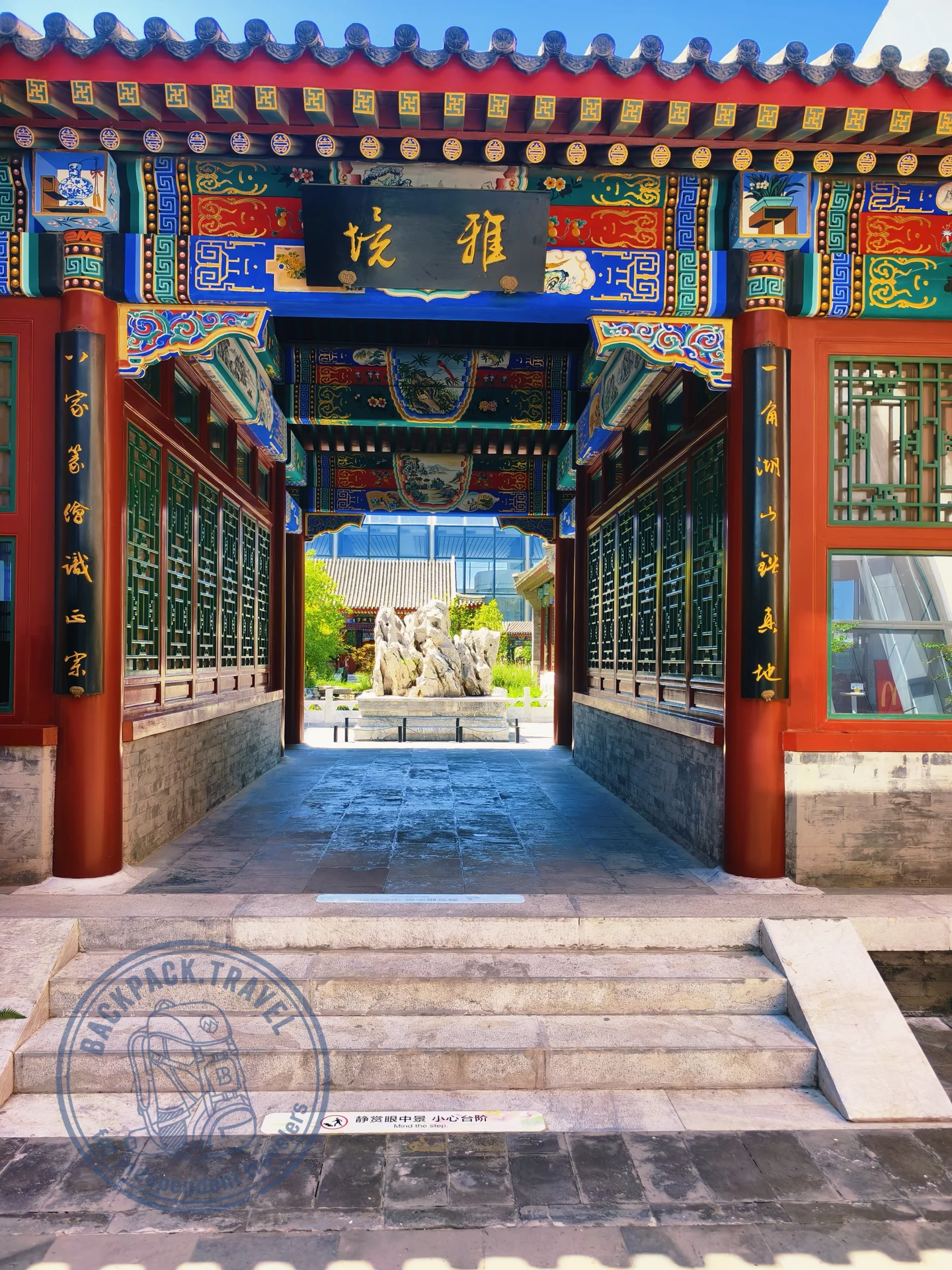
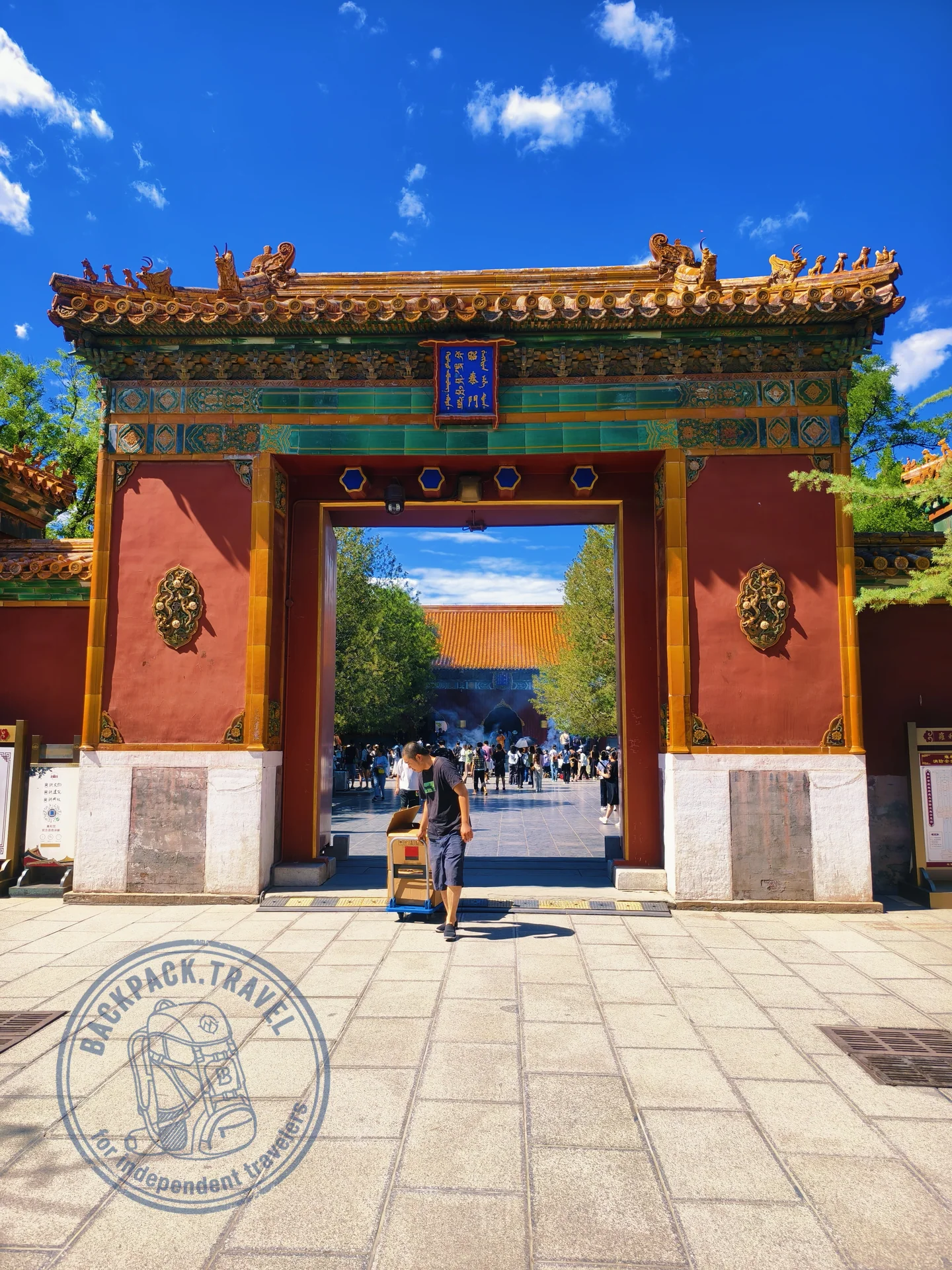
The largest Tibetan Buddhist monastery in Beijing. The complex was built in 1694 as the residence of Prince Yinzhen; after his accession to the throne under the name Yongzheng part of the buildings were given to lamas, and in 1744 the estate was turned entirely into a monastery of the Gelug school.
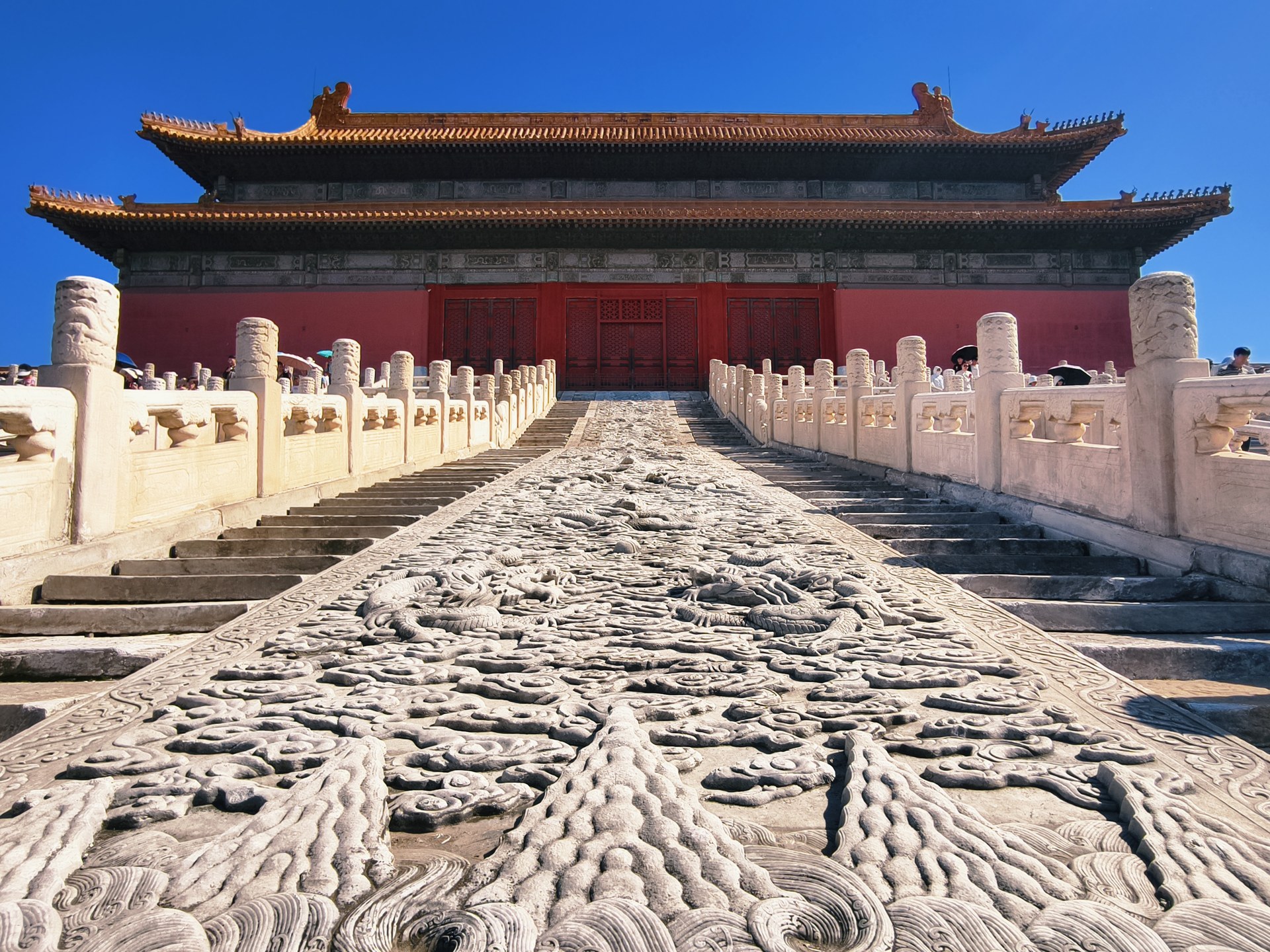
The roof tiles were changed then to yellow, the imperial colour: for a while the coffin of the late sovereign stood within these walls. The courtyards are divided by gates and pavilions, and incense burns constantly at the censers.
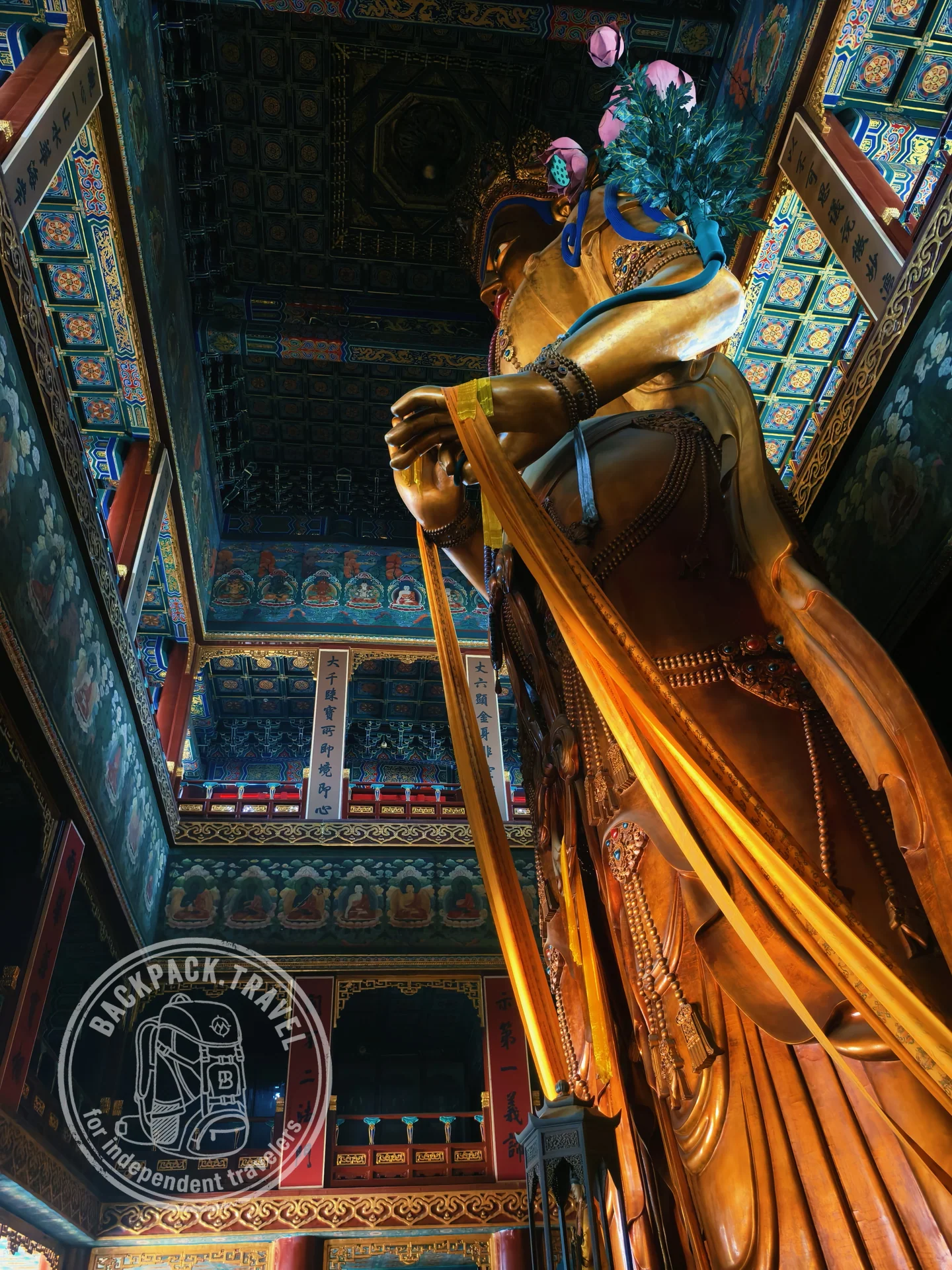
In the far pavilion, Wanfuge, stands a statue of Maitreya about eighteen metres high above the floor, carved from a single sandalwood trunk brought from the Himalayas; for its sake the pavilion was raised to three tiers with galleries running round it. The Falundian hall holds a bronze Tsongkhapa, founder of the Gelug school, and Tibetan stupas are set on the roof.
Kept here too is the golden urn that Qianlong introduced for drawing lots in the choice of the reincarnations of the highest lamas: for the Qing court the monastery was also an instrument of policy, tying Beijing to Tibet and Mongolia. During the Cultural Revolution the monastery was closed, but it was saved from destruction, and at the beginning of the eighties it opened again. Services are held daily, and on holidays whole families come here with incense.
- Address
- Andingmen East Avenue, Dongcheng District
On the map
Reviews (0)
No reviews yet. Be the first!
Updated