Description
The capital of China — the Great Wall, the Forbidden City, Beihai Park and Peking duck.
Wiki
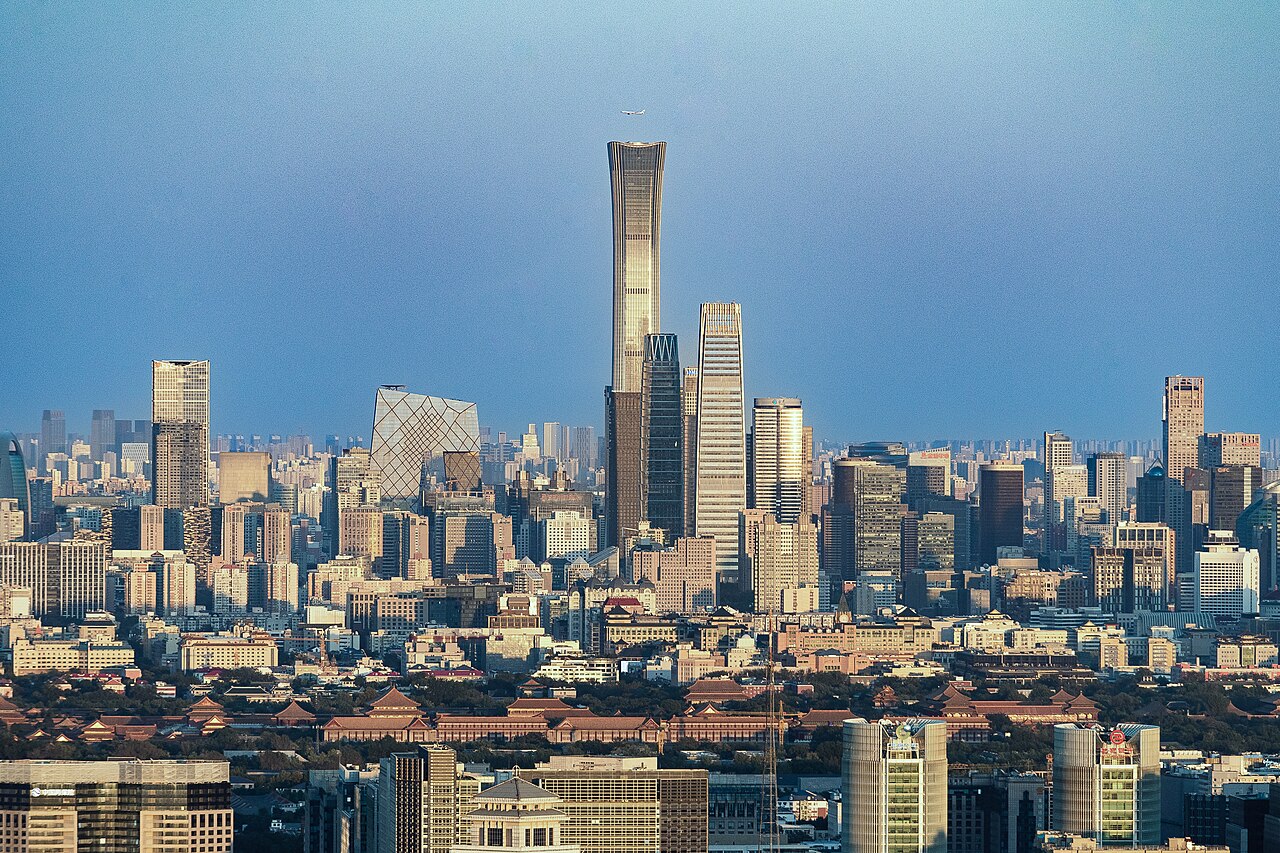
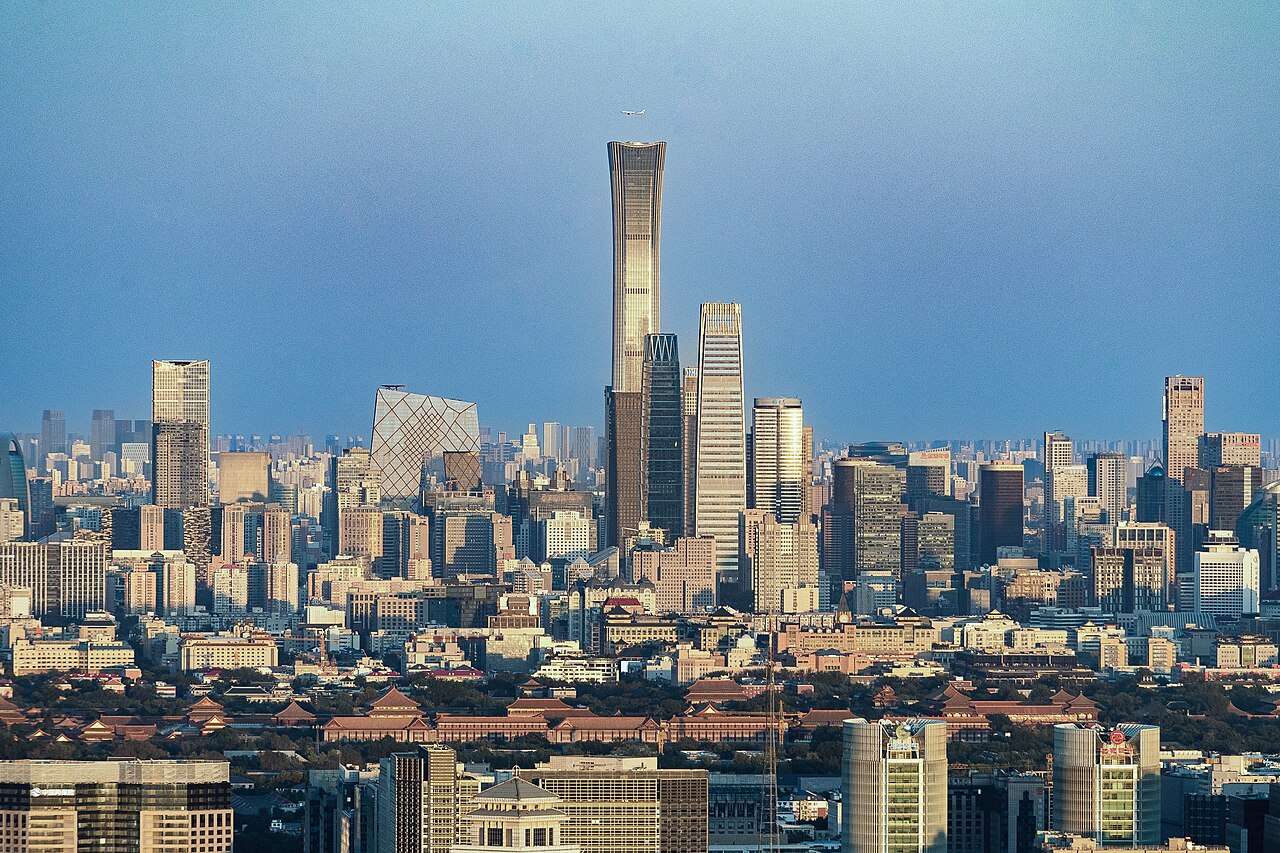
Beijing is the capital of the People's Republic of China and its political, cultural and educational centre, with a population of more than 20 million. A city with over three thousand years of history, it joins the inheritance of imperial China to the look of a modern metropolis, and remains the starting point for a trip to the Great Wall — one of the most recognisable structures on the planet.
A little history
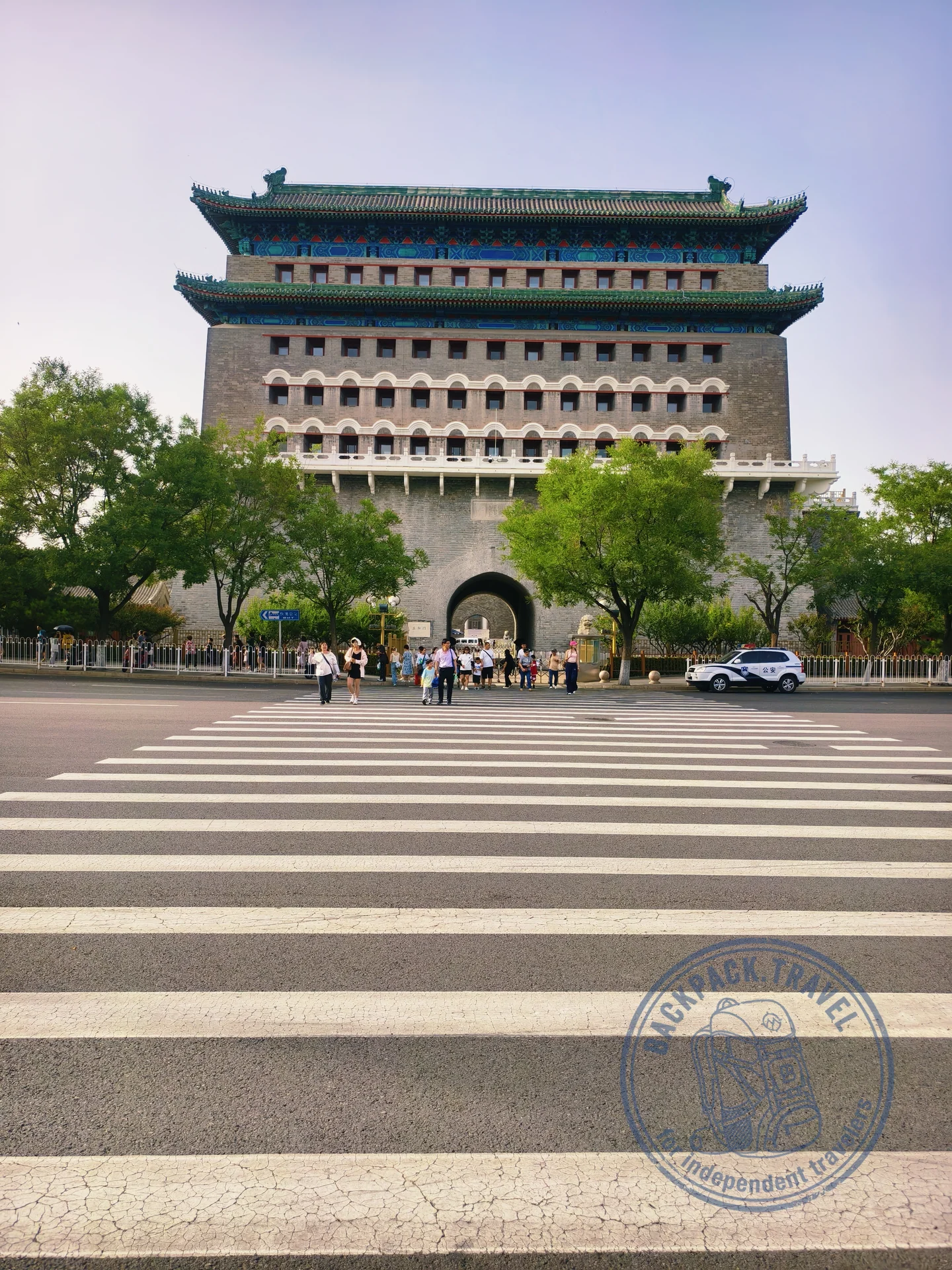
Settlements existed on the site of modern Beijing as far back as the Zhou era. The city took on capital status more than once: under the Mongol Yuan dynasty, Khanbaliq (Dadu) was built here, the city described by Marco Polo. Under the Ming, after the capital moved from Nanjing at the beginning of the 15th century, the familiar shape of the city took form, with its palaces, temples and system of city walls. The name Beijing ("northern capital") was fixed at that time. Under the Qing, Beijing remained the centre of the empire until its fall in 1912, and from the founding of the PRC in 1949 it became the country's principal city once again.
Main sights
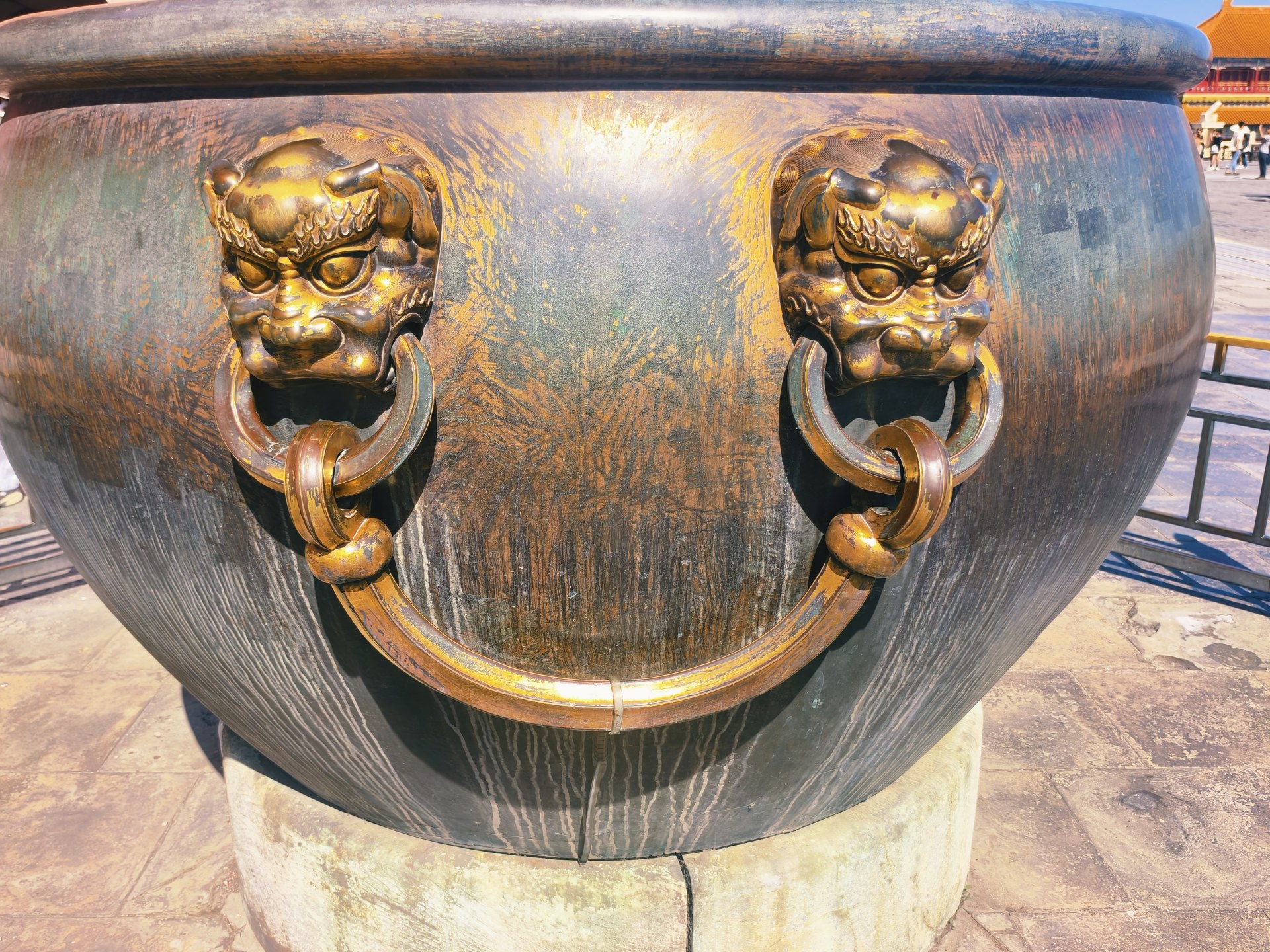
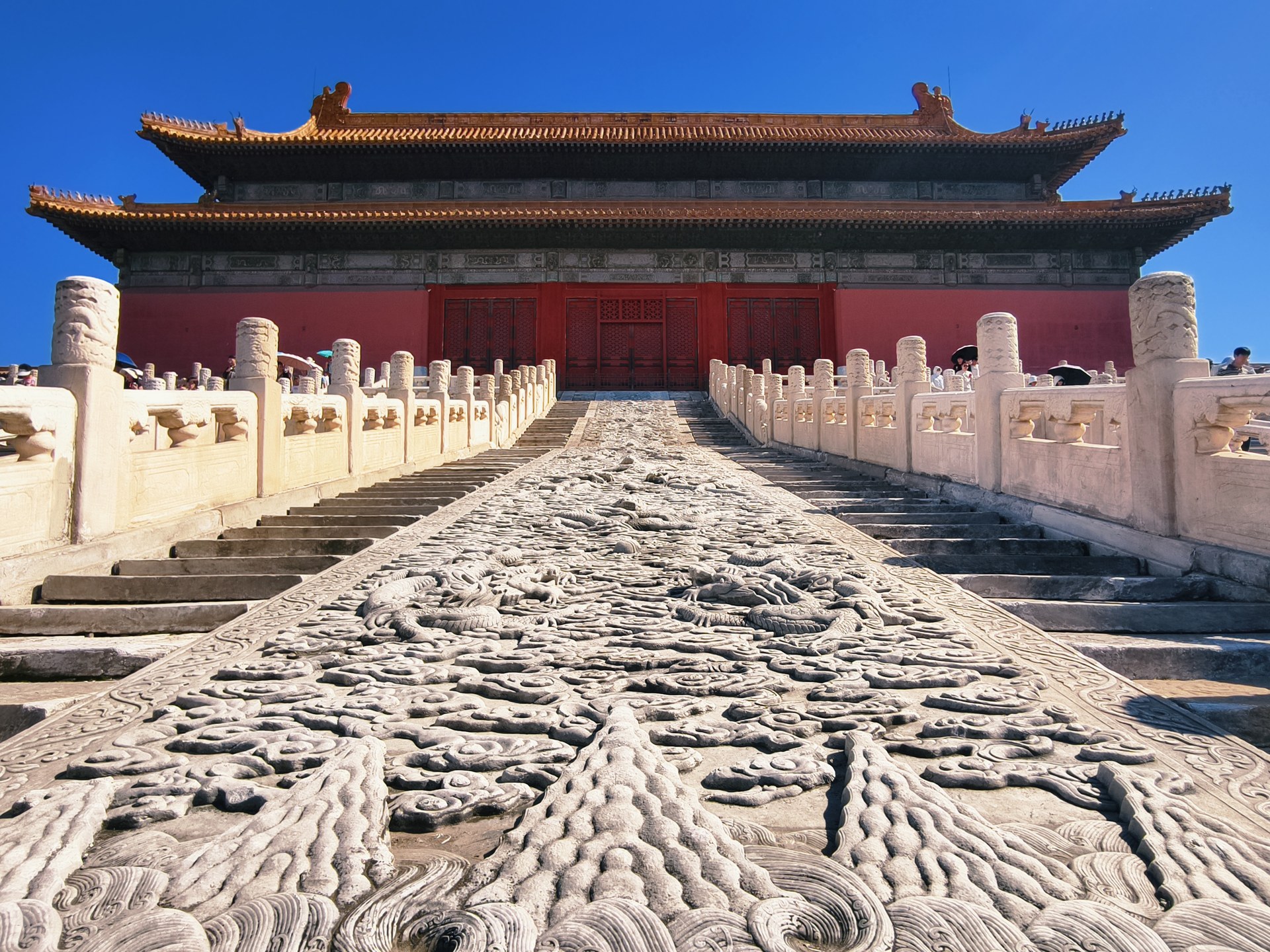
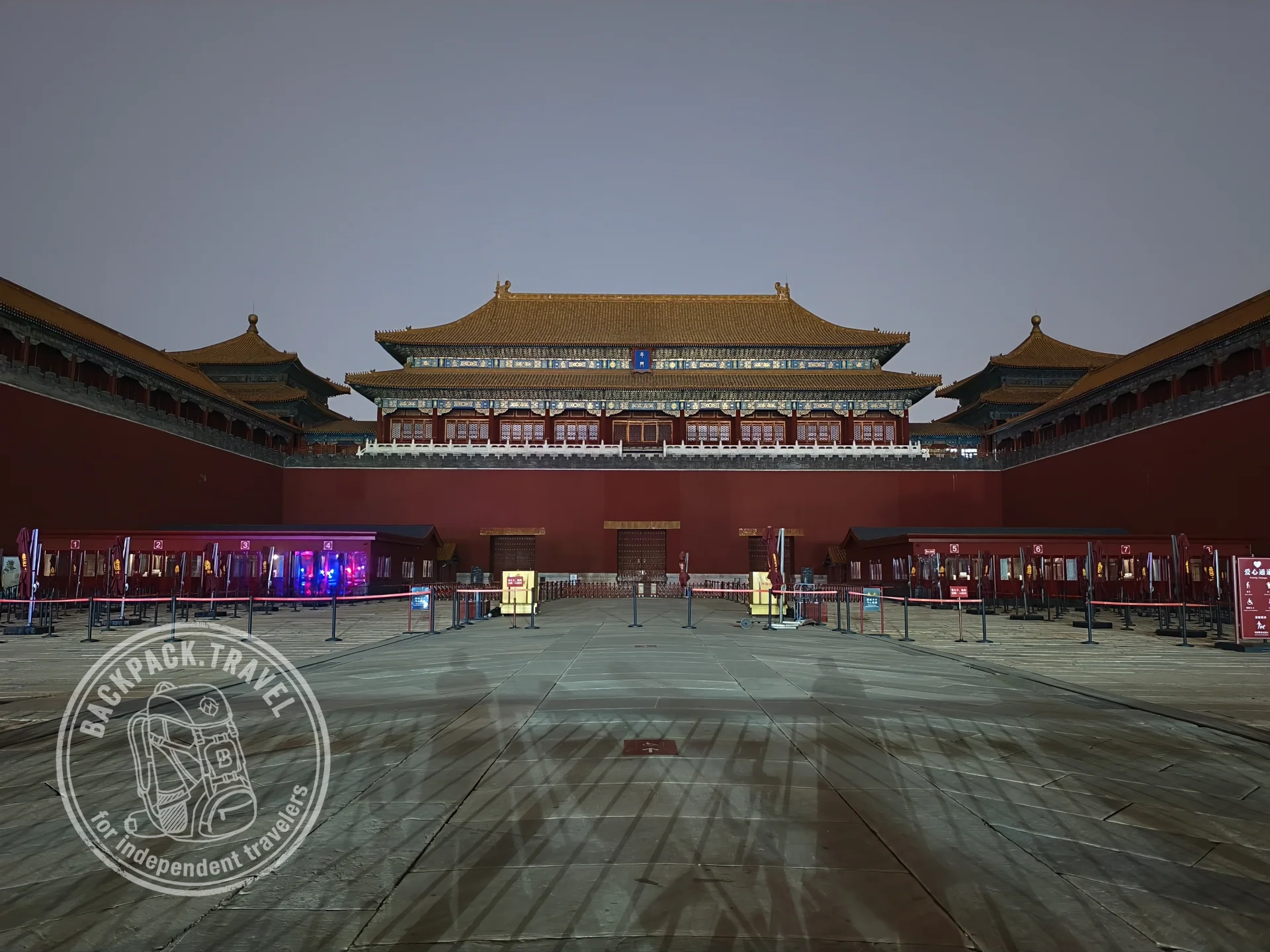
- The Forbidden City (Gugong) — a vast palace complex of about 72 hectares, the residence of the emperors of the Ming and Qing dynasties for nearly five centuries. The ensemble takes in hundreds of buildings, ceremonial halls, private apartments and gardens. Walking the central axis takes at least two or three hours; tickets are bought online in advance.
- The Great Wall — from Beijing the easiest section to reach is Mutianyu: restored, fitted with a cable car, and winding picturesquely along the mountain ridges. Anyone who prefers it untouched should choose Jinshanling or Simatai, wilder and less crowded stretches. The closest section, Badaling, is also the most overrun.
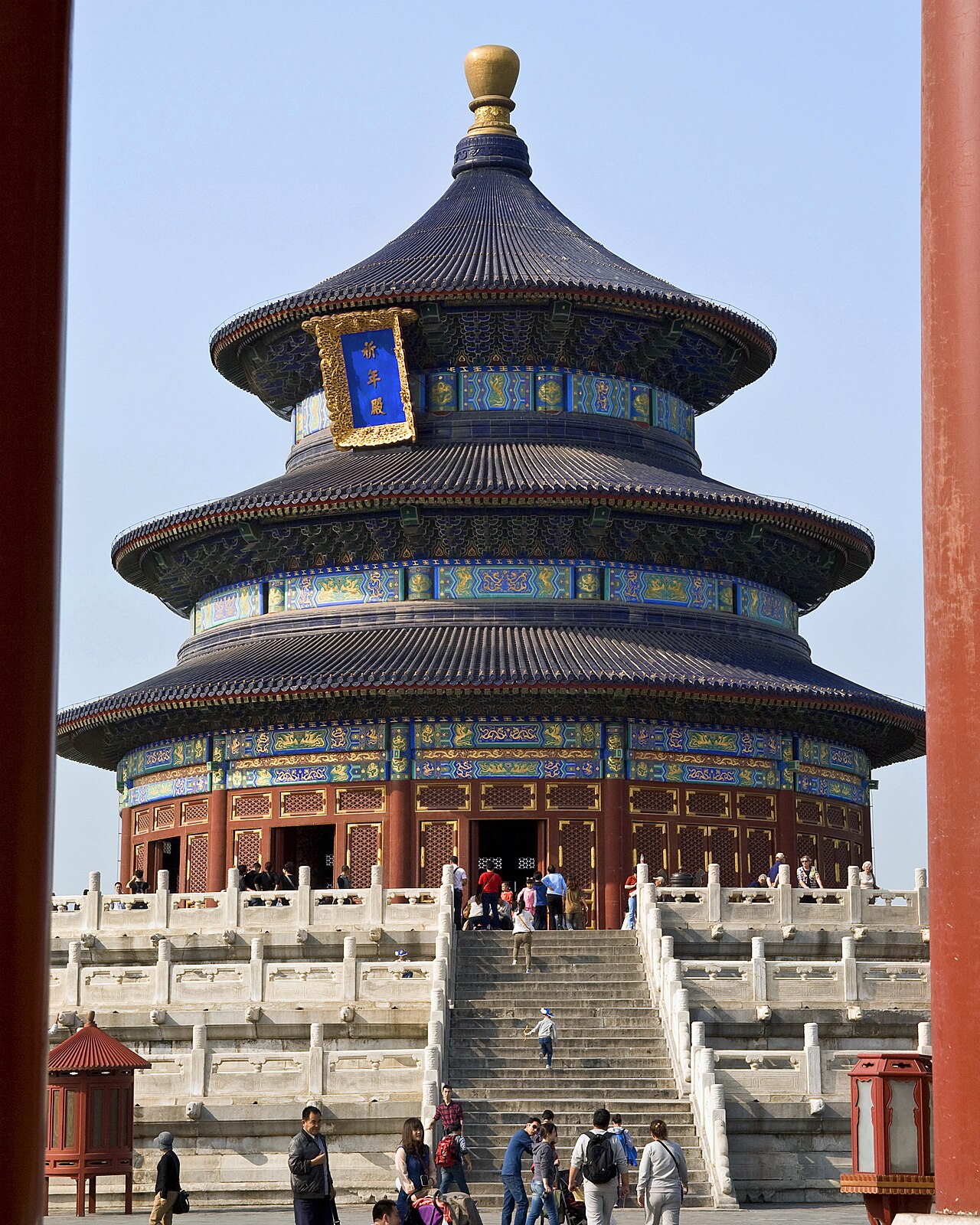
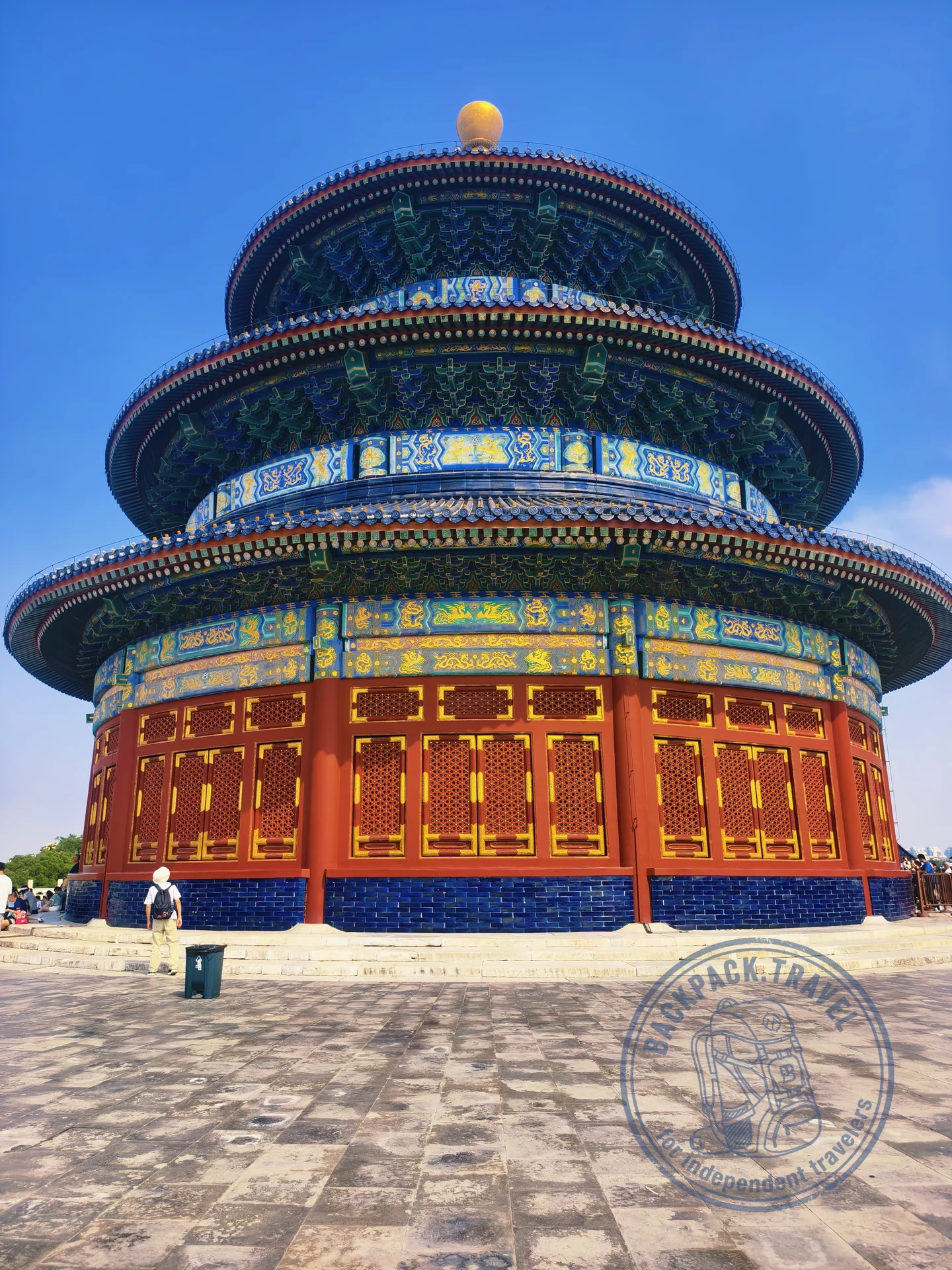
- The Temple of Heaven (Tiantan) — an extensive ritual park where the emperors prayed for a good harvest. The round Hall of Prayer with its three-tiered blue roof has become one of the symbols of Chinese architecture.
- Tiananmen Square — one of the largest squares in the world, framed by the gate with its portrait of Mao Zedong, the Mausoleum, the Great Hall of the People and the National Museum of China. A passport is required to enter.
- The Summer Palace (Yiheyuan) — the imperial country residence, with the man-made Kunming Lake, Longevity Hill, a painted covered walkway and a marble boat. An ideal place for an unhurried walk.
- Beihai Park — one of the oldest surviving imperial gardens, with a lake, the White Pagoda on Qionghua island and pavilions in traditional style.
- The hutongs — a network of old lanes of single-storey buildings with siheyuan courtyards around the Shichahai lakes. The Nanluoguxiang and Gulou quarters are best seen on foot, by bicycle or in a rickshaw.
- 798 Art Zone — a former factory reimagined as an art district, with contemporary galleries, studios, cafes and street installations.
Food
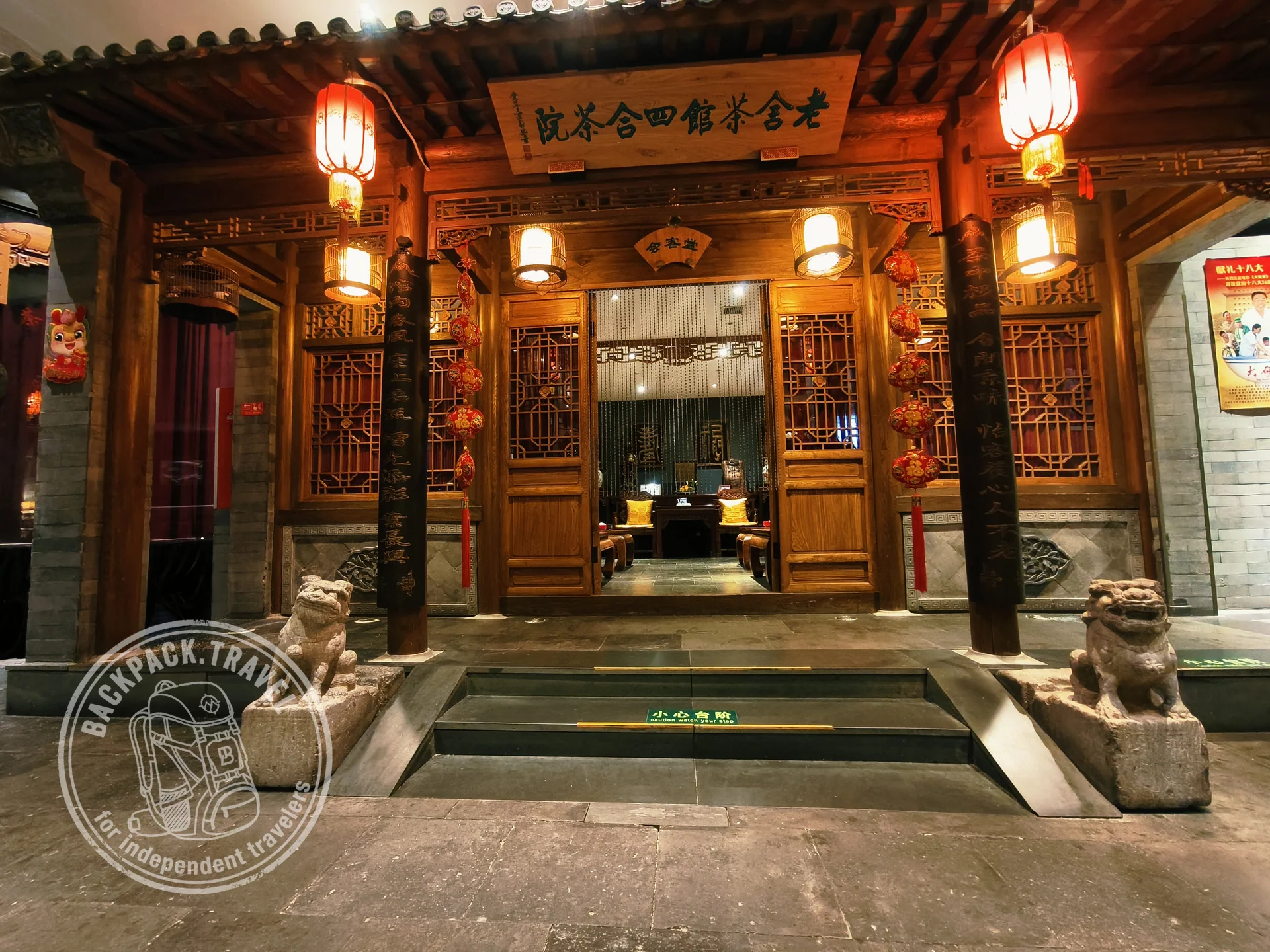
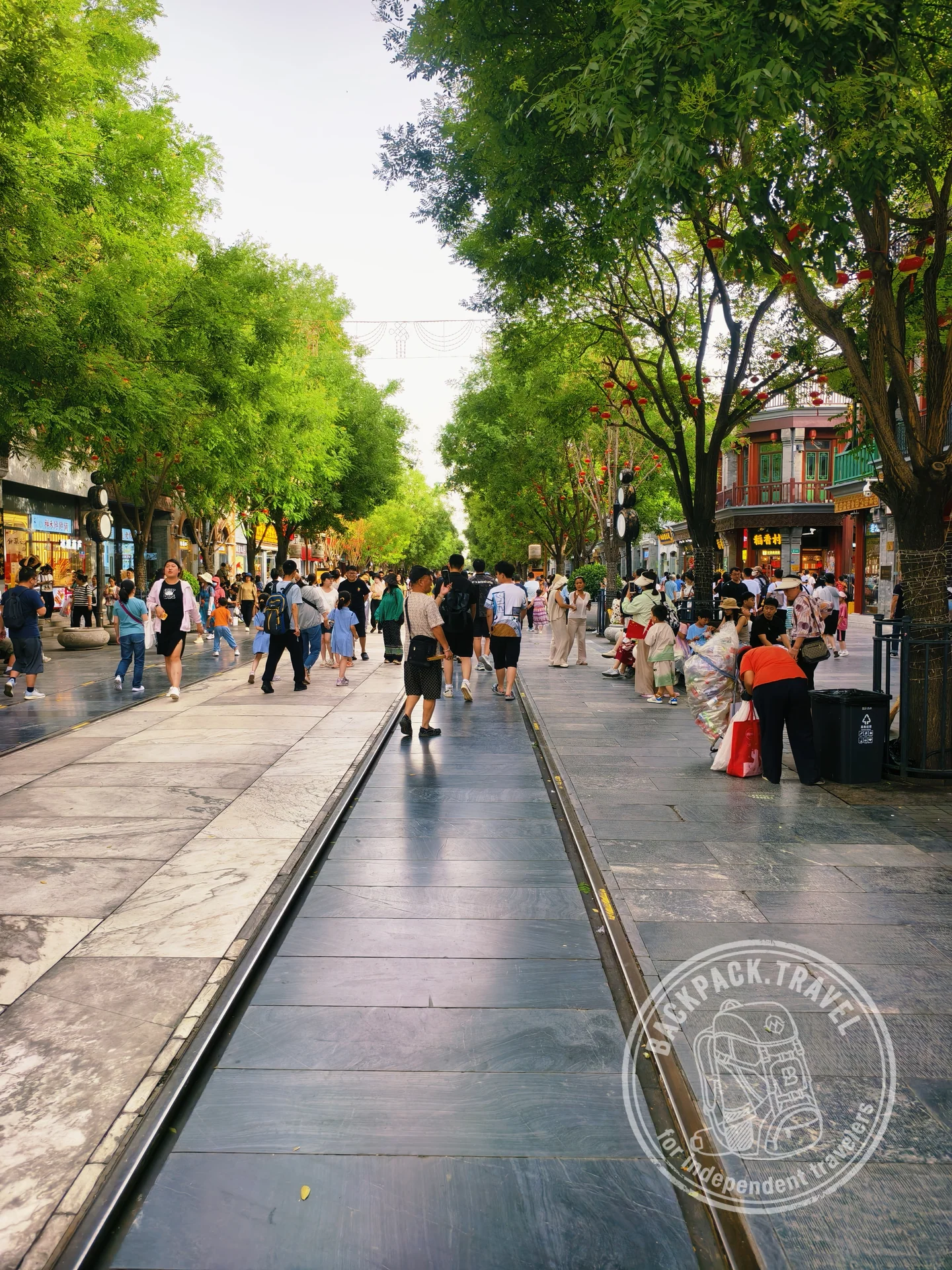
The city's culinary symbol is Peking duck: the bird, with its crisp glossy skin, is served in thin slices to be wrapped in delicate pancakes with spring onion, cucumber and hoisin sauce. The Quanjude and Siji Minfu restaurant groups enjoy a deserved reputation. Beyond the duck it is worth trying jiaozi dumplings, zhajiangmian noodles with soybean paste, lamb in a hotpot, and the street snacks of the Wangfujing quarter. For a cup of tea and something sweet it is pleasant to look into the tea houses of the older districts.
Practicalities
Beijing is served by two airports — Shoudu (PEK) and the modern Daxing (PKX). Within the city the metro is the most convenient option: the extensive network reaches almost every point a visitor wants, and signage is duplicated in the Latin alphabet. Payment for travel and purchases runs almost universally through mobile services, so it is useful for foreigners to link a card to WeChat or Alipay in advance. High-speed trains connect the capital with Xi'an, Shanghai and other cities. Entry requirements change often — check the current rules for your own passport before you travel.
When to go
The best seasons are spring (April–May) and autumn (September–October), with mild weather and clear skies. Summer is hot and humid, with a rainy season, and winter is dry and freezing. Many popular sites require tickets to be booked in advance, and during the public holidays the flow of visitors rises sharply.
A five-day route
- Day 1: Tiananmen Square, the Forbidden City, Jingshan Park with its viewing point.
- Day 2: the trip to the Great Wall (Mutianyu), and the evening in the city.
- Day 3: the Temple of Heaven, a walk through the hutongs and around the Shichahai lakes, Beihai Park.
- Day 4: the Summer Palace and, if you wish, Yuanmingyuan (the Old Summer Palace).
- Day 5: the 798 art district, museums, shopping and a tasting of Peking duck.
Photos