 Города и дороги
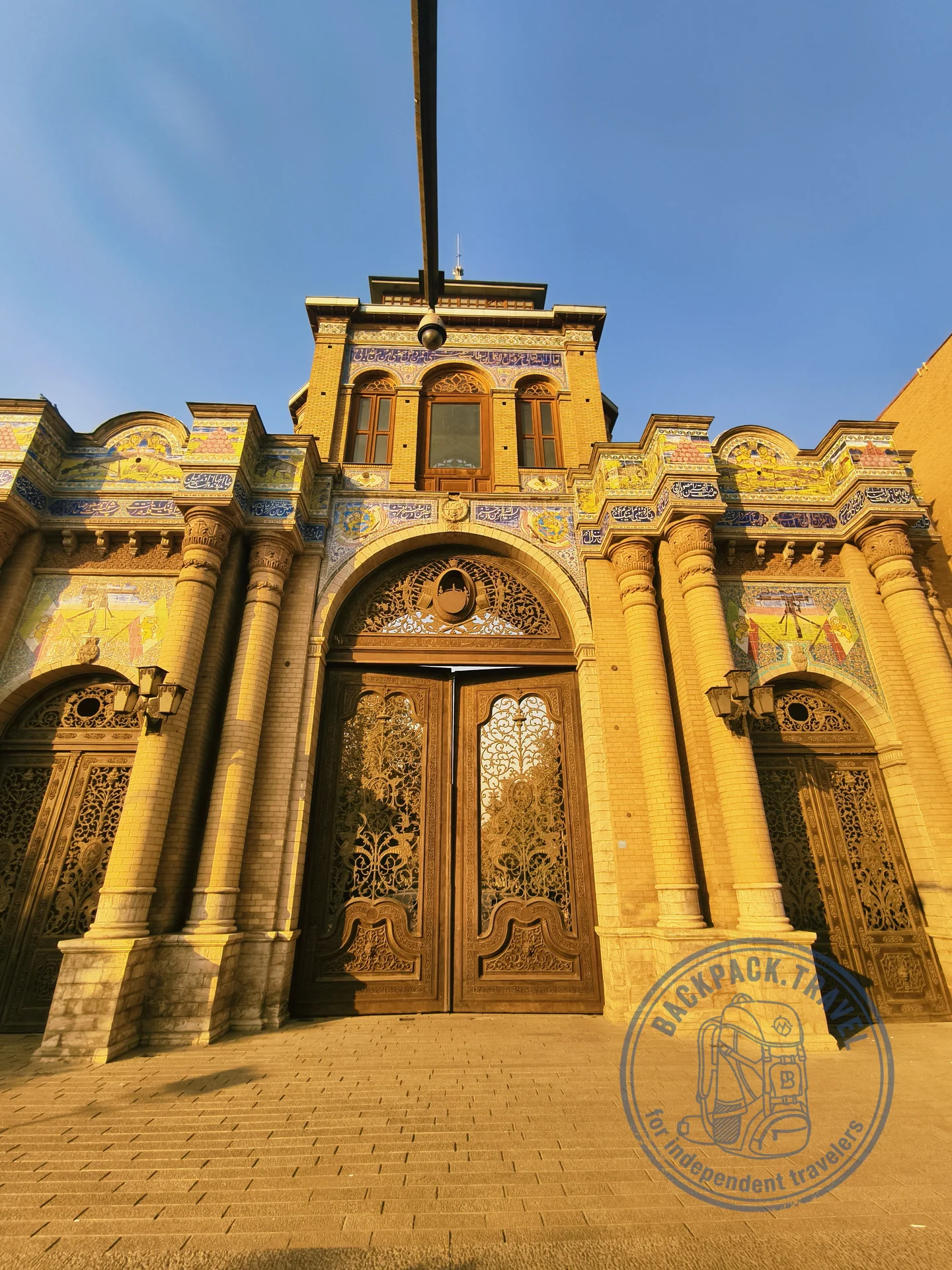
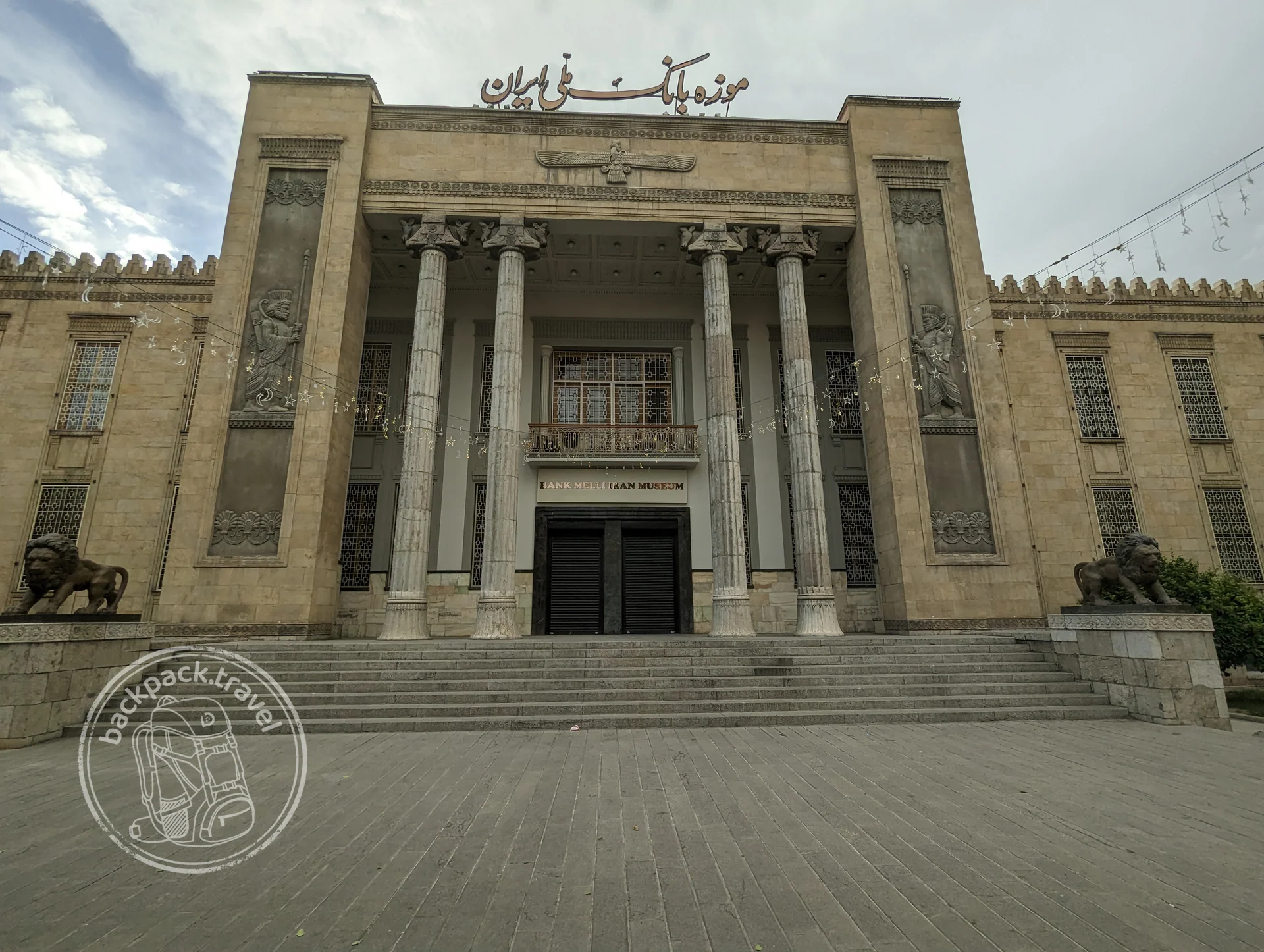
The building of the National Bank of Iran on Ferdowsi Street in the old centre of Tehran was put up at the turn of the 1920s and 1930s, when the country under Reza Shah was seeking a footing for its new state architecture in its own antiquity. Hence the neo-Achaemenid look: massive stone walls with almost no openings on the lower level, a portico with columns whose capitals repeat those of Persepolis, stone lions by the staircase and reliefs with figures of warriors and tribute-bearers on either side of the entrance. The work was led by European engineers then serving in Iran, while the stone and the carving were executed by local craftsmen. Part of the building is occupied by the bank's museum, which shows the history of money in the country: coins of Achaemenid, Parthian and Sasanian times, silver and gold of the Islamic dynasties, the first paper banknotes, banking equipment, safes and scales. The banking hall itself, with its marble finish, is of separate interest. Ferdowsi Street around it is built up with offices and exchange bureaux, and the heavy portico stands out sharply against that background.
- Address
- خواندنیها, Tehran
On the map
Reviews (0)
No reviews yet. Be the first!
Updated