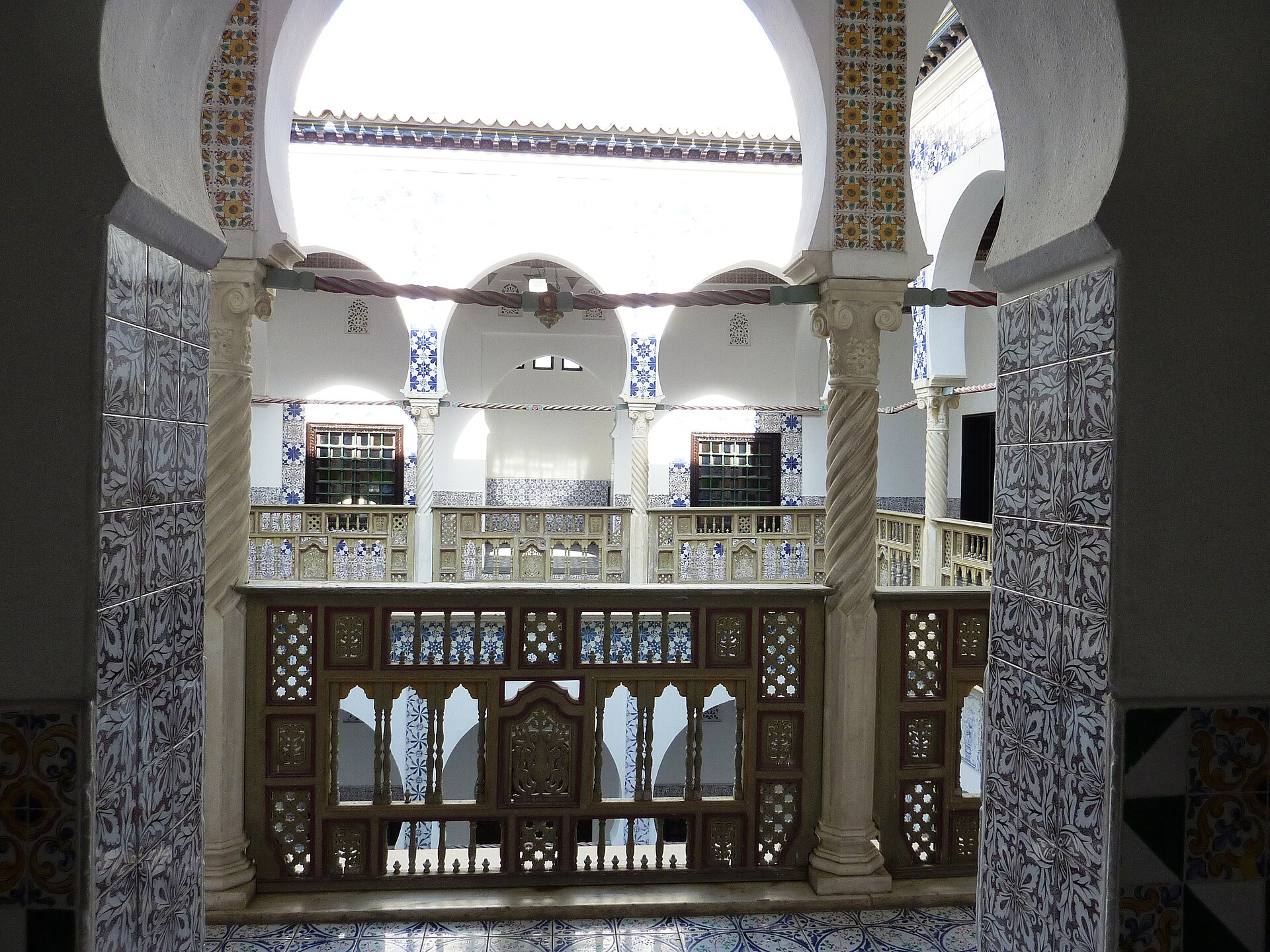

A country of magnificent Roman ruins at Leptis Magna and Sabratha, of Saharan rock art and a long Mediterranean coastline. Libya holds some of the finest classical monuments in the world, across five UNESCO sites. Since the conflict of 2011 it has remained unstable and closed to mass tourism, though it is gradually opening through an e-visa system for organised groups. A trip requires serious preparation and a local operator.
Where to go
#Tripoli
The capital is where to go for Ottoman architecture and Roman heritage sitting in the same few streets. Walk the Medina and the Corniche seafront to pick up the rhythm of the modern Maghreb. Every independent route through the country starts here, so give it two days minimum.
Benghazi
The second city, out east, worth a trip for the distinct atmosphere of Cyrenaica. Infrastructure is rebuilding slowly after the conflicts, but the city remains an important cultural hub for the region. Always check the current security situation and regional entry rules before going.
Ghadames
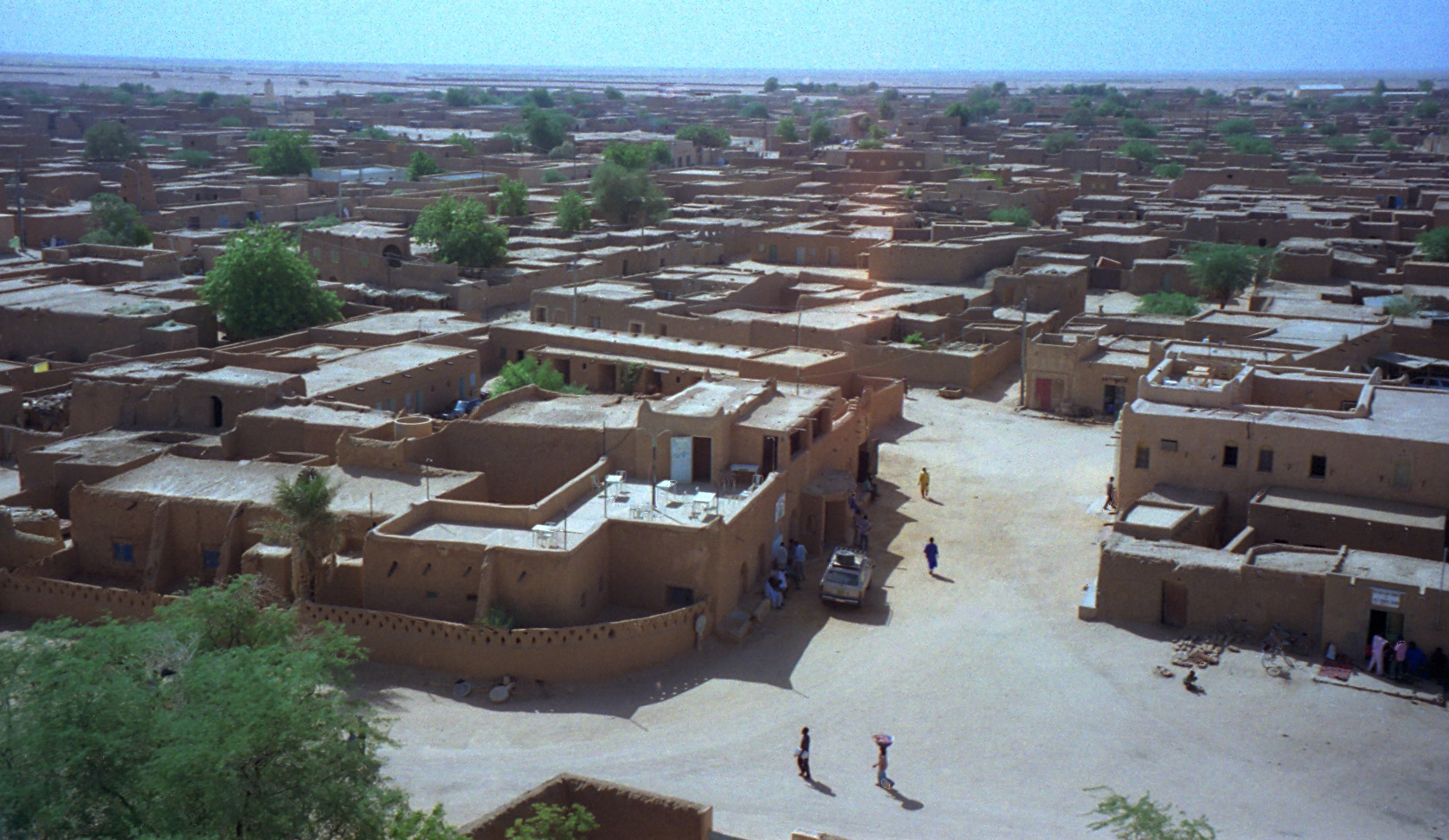
This "pearl of the desert" deep in the Sahara is where to go for extraordinary mud-brick architecture and the coolness of ancient walls. Labyrinths of covered streets keep the heat out and feel like a portal into the middle ages. It is one of the most photogenic and peaceful oases in North Africa.
Misrata
A major trading port where you see modern Libyan business and active reconstruction. There is a decent choice of rooms and always fresh seafood in the coastal cafés. It works well as a base for day runs out to the great ruins of Leptis Magna.
Sabha
The main town of the southern Fezzan region and the usual launching point for desert expeditions. This is the gateway to the Ubari sand seas and the black rock of the Acacus with its ancient art. Independent travellers need particular care here and reliable local guides.
What to see
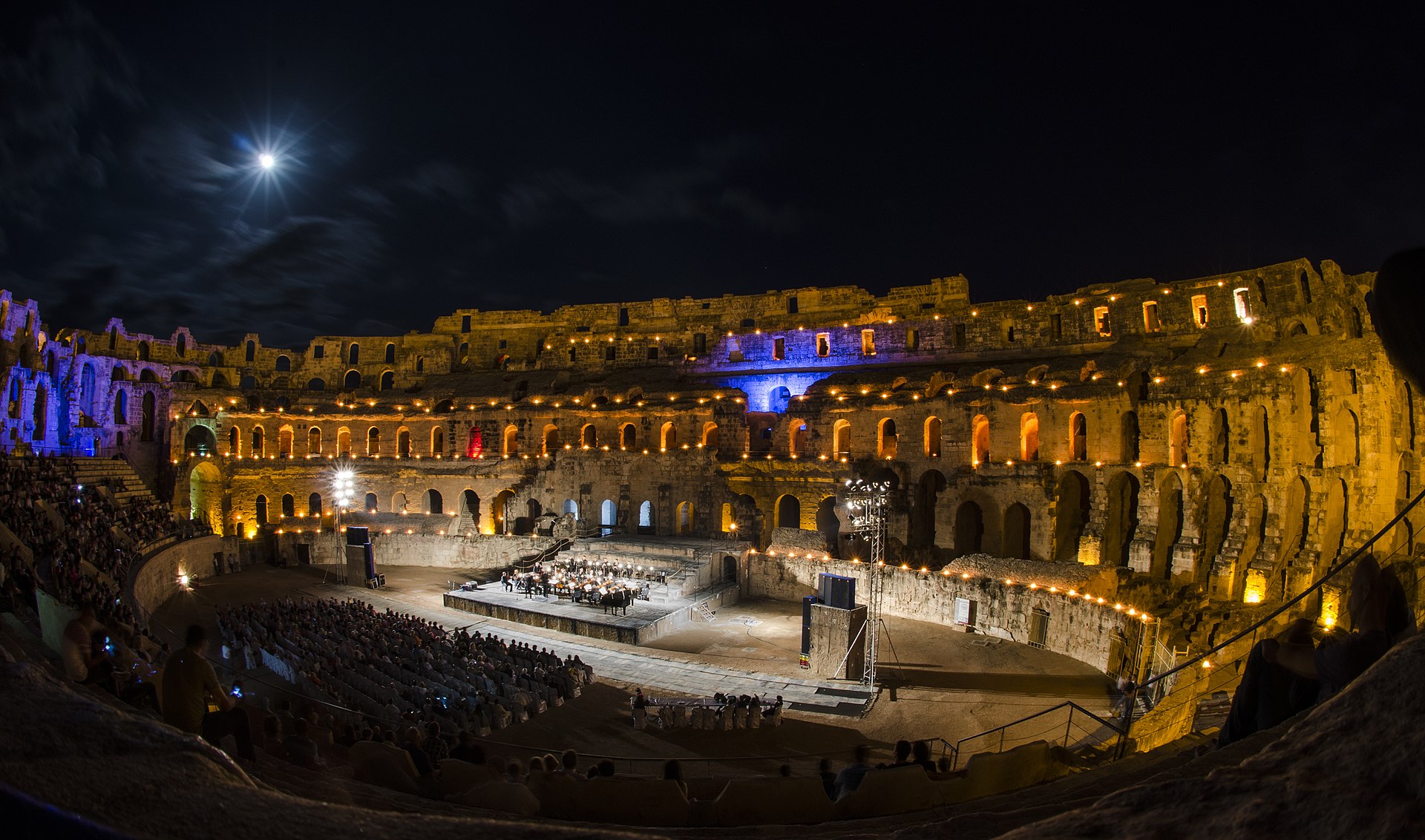
#Roman Libya: The main thing to see in the country is the colossal Leptis Magna, which outscales even Pompeii. Walking the forum of Septimius Severus and the vast amphitheatre takes a full day, and the state of the triumphal arches astonishes even seasoned archaeologists.
Theatres by the sea: Go to Sabratha for the ancient theatre standing directly on the Mediterranean shore. It is made for sunset photography, when the old columns catch the last light. The mosaics in the temples of Isis and Serapis are worth the trip on their own.
Greek heritage: History travellers should head for Cyrene in the east, where the temples of Zeus and Apollo survive alongside a huge necropolis cut into the coastal cliffs. It counts among the most significant Greek colonies in Africa.
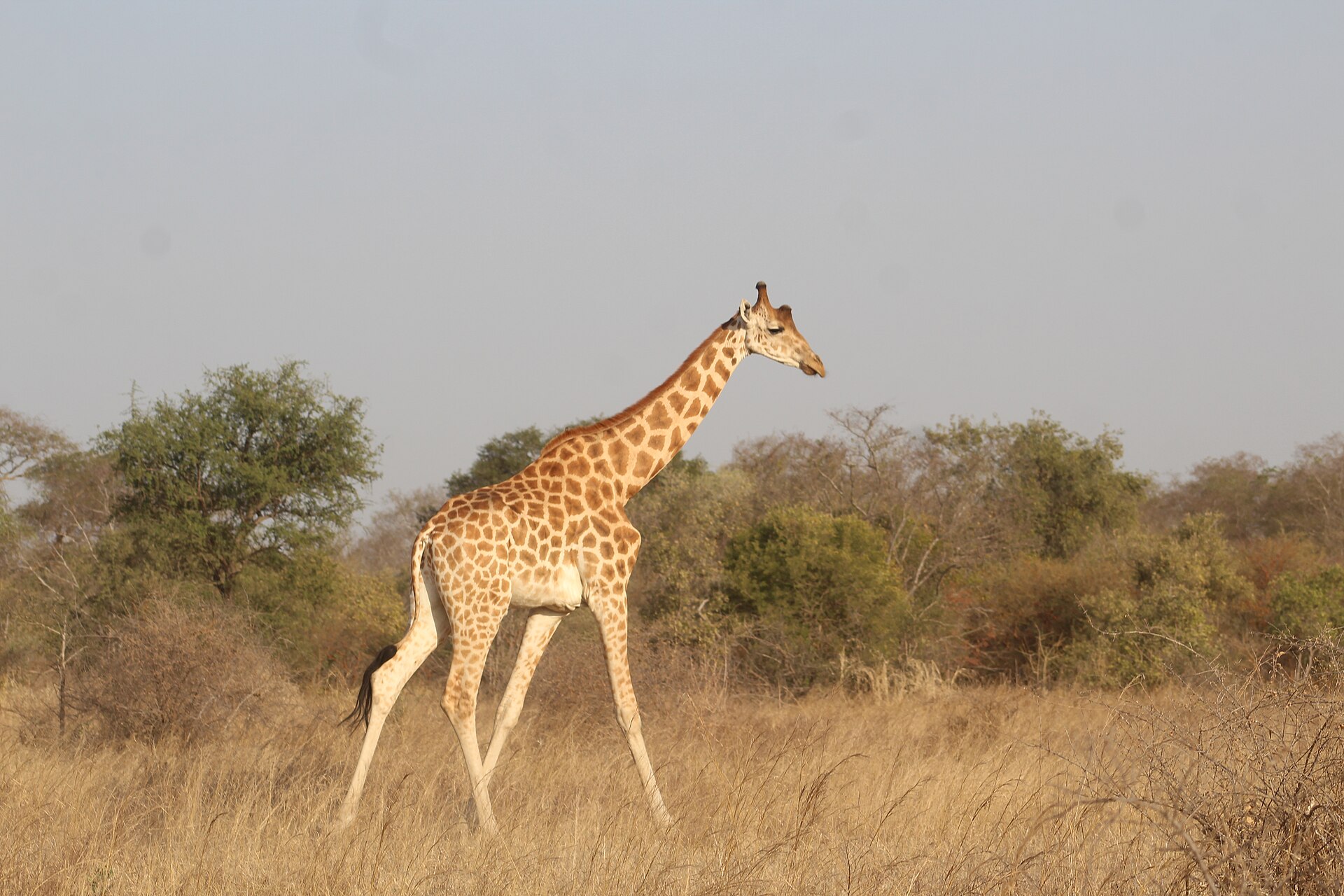
Rock art: In the Tadrart Acacus mountains you can see thousands of petroglyphs over ten thousand years old in a day. Drawings of elephants and giraffes prove the Sahara was once flowering savannah.
Saharan lakes: Head into the Ubari sand sea to the salt lakes trapped among giant dunes. Floating in dense salt water in a burning desert is exactly why people come this far off the map. Lake Gabraoun is ringed by an abandoned village.
Oasis architecture: In Ghadames, see the old town with its complex multi-level street system. White walls and cool passages create a microclimate that makes forty-five degrees survivable. It is listed by UNESCO for its exceptional state of preservation.
Prices
#Currency: The Libyan dinar (LYD) is the only legal tender in the country. One dinar is 1000 dirhams and notes run from 1 to 50. Count your change before leaving the counter, especially in markets.
Cards: Bank cards of any kind are useless here. Bring cash dollars or euros, ideally new notes without tears or marks. ATMs are often empty or refuse foreign plastic even at the big banks, so a Wise or Revolut card buys you nothing on the ground.
Changing money: Use the official exchange offices in Tripoli. Black market rates look better but those transactions are illegal and risky. Keep a float of dinars in small notes for everyday costs.
Budget: The country is cheap if you are comfortable with simple living. Transport and beds take most of your money, since food and fuel cost almost nothing. Plan on 70 to 90 dollars a day travelling without a group.
Tipping: Around 5 to 10 percent in local cafés if you liked the service, and taxi fares get rounded up. Guides and drivers on longer routes expect a small amount at the end.
| Item | Price (USD) |
|---|---|
| Lunch in a simple café | 4 |
| Dinner for two | 18 |
| Street shawarma with a cola | 2 |
| 1.5L bottle of water | 0.5 |
| Cup of strong coffee | 0.6 |
| Taxi across town | 6 |
| Litre of petrol | 0.024 |
| Guesthouse night | 35 |
| Hotel in central Tripoli | 95 |
| Leptis Magna ticket | 5 |
| Litre of fruit juice | 0.6 |
| Kilo of fresh fish | 7 |
| Kilo of chicken | 2 |
| Local SIM card | 8 |
Getting around
#Between cities: Private minibuses called louages run along the coast between towns. Tripoli to Sabratha costs a couple of dollars, but they leave only when every seat is taken, so allow slack in your day.
Fuel: Petrol in Libya is officially the cheapest in the world thanks to enormous subsidies. Filling a tank costs less than a cup of coffee, which makes travelling by road absurdly good value.
City taxis: Inside Tripoli and Benghazi this is how a foreigner gets around. There are no meters, so always agree the final price before you get in. A ride across the centre rarely goes over five dollars.
Car with driver: For remote ruins or desert runs, hiring a car for the whole day works out better. It costs 60 to 120 dollars and removes the problem of finding a ride back. The driver frequently doubles as translator and minder.
Domestic flights: Internal services connect the capital with the east and south. Libyan Airlines schedules are highly unstable and delays are routine. Buy tickets in advance at Mitiga airport counters or through local agencies.
Checkpoints: The highways carry many checkpoints run by various security forces. Keep your passport to hand and be ready to answer calmly about where you are going. Foreigners are allowed to drive themselves, but it takes strong nerves.
Where to stay
#Choice: Tripoli has the best options, from international chains to modest city hotels. Look around the seafront or the Medina to be close to where things happen. In the provinces the choice narrows sharply, often to one or two working hotels.
Booking: The big global platforms work erratically in Libya or simply do not list everything. You will often end up messaging owners directly or turning up with your bag and judging the place on sight.
Guesthouses: In Ghadames and the oases, traditional mud-brick houses converted for guests are the popular choice. It is the best way to feel the desert properly. Conditions can be basic but the hospitality never is.
Utilities: Hot water and stable electricity are far from universal. Always ask whether the property has its own generator, because rolling blackouts happen regularly. Carry a serious power bank for your devices.
Sleeping in the desert: Sahara trips mean mobile camps. Local guides set up tents and a field kitchen under the open sky. It is unforgettable, but bring warm clothes, because nights in the dunes get genuinely cold.
Paying: Almost every hotel takes only cash dinars. A few expensive places quote in dollars, but the card terminals still will not work. Keep your receipts, as you may need them when your stay is registered with the police.
What to eat
#The classic: Libyan couscous comes with tender lamb, vegetables and hot harissa. It is the compulsory Friday lunch and worth ordering in a good local restaurant. Portions are enormous and one dish often feeds two.
Bazin: The signature of Tripolitanian cooking, a dense ball of barley dough sitting in meat sauce. You eat it with your hands, dipping pieces into the gravy, and it is the most filling thing in North Africa.
No alcohol: Alcohol is completely banned throughout the country. Do not try to bring it in your luggage or buy it locally, because the penalty is prison or deportation. Libya is one of the driest places in the region and there are no exceptions for visitors.
Street food: Shawarma, falafel and fresh juice stands are everywhere. Libyan shawarma is generously filled and costs almost nothing. Turnover is high and locals eat this constantly, so ingredients are always fresh.
Seafood: On the coast, order the grilled sea bream or the big prawns. Tripoli's fish markets sell the day's catch, and a neighbouring shop will cook it in front of you. It is the healthiest and best eating of the whole trip.
Tea: Libyan tea is brewed strong and sweetened almost to syrup. It comes in small glasses, often with roasted peanuts or mint. It is central to how people socialise, and refusing an offer of tea can read as disrespect.
Safety
#The situation: The country remains a high-risk destination divided between competing factions, and you should read your own government's travel advisory before committing to anything. Most incidents occur in remote southern areas and in the east. The coastal strip between Tripoli and Misrata is considered relatively calm.
No photography: Photographing military sites, checkpoints or anyone in uniform is absolutely forbidden. Even an accidental frame of a government building can lead to detention. Always ask permission before photographing people.
After dark: Try not to leave the major cities once the sun goes down. Intercity roads can be unsafe because of poor lighting and unpredictable checks. Plan every movement for daylight hours.
Guides: For the ancient ruins and any Sahara trip, the authorities frequently require a licensed guide. This is not a formality but the mechanism by which your safety is managed in complicated regions.
Health: State hospital standards are very low, so carry a well-stocked medical kit. Drink only bottled water and avoid ice in drinks, because a stomach infection here is a serious inconvenience.
Registration: On arriving in a new town, make sure the hotel has logged your details for the police. Carry a copy of your passport and visa and keep the original in a safe or a hidden pocket.
Etiquette and culture
#Islam: Libya is a deeply religious country where faith sets the rules of behaviour. Respect prayer times and do not make noise near mosques. During the call to prayer, life in the Medina visibly slows, which is worth experiencing.
Dress: Men should avoid short shorts in town, and women should cover shoulders and knees. In conservative areas and at religious sites a headscarf is required. Clothing should be loose and unassuming.
The right hand: Use only your right hand for eating, shaking hands and passing objects. The left is considered unclean, and using it can be read as a serious insult or simply as very poor manners.
Hospitality: Libyans are extremely welcoming and may invite a stranger for tea or a meal. The gesture is sincere, but always ask before entering a private home. Be ready for long conversations about family and politics over the glass.
Ramadan: During the fasting month the country goes quiet until sunset. Visitors must not eat, drink or smoke in public during daylight. Most cafés open only in the evening, so plan your meals around it.
Photographing people: Before photographing a woman, get consent from a male relative. Libyans generally enjoy being photographed, but pushing a camera around the residential parts of the Medina will not go down well.
Connectivity
#Networks: The main operators are Libyana and Al Madar. You can buy a SIM at Mitiga airport or at a central office, and you will need your passport. A week's package with data costs around eight dollars.
Coverage: 4G works reliably in Tripoli and along the coast, which is enough for maps and messaging. Heading south towards the Sahara, the signal disappears altogether. Expect several days with no connection in the desert.
Speed: Libya sits near the bottom of world rankings for mobile internet speed, averaging around 22 Mbit/s. A reliable VPN app is often needed for normal services to work properly.
eSIM: Airalo supports Libya, though its tariffs run well above local prices. It is a convenient way to stay reachable the moment you land, until you find an official outlet for a local SIM.
Power: Because of constant electricity interruptions, carry a charged power bank at all times. Hotel sockets may only be live for a few hours a day, so charge your phone and navigation whenever you can.
Messaging: WhatsApp is the tool for dealing with guides, drivers and apartment owners. It is the most widely used channel in the country and most logistics get settled there.
Language: Arabic is the working language everywhere, and English is spoken mainly by guides, hotel staff and younger city dwellers. Signage outside Tripoli is largely Arabic only, so a translation app matters.
Phrasebook
#| English | Arabic | Pronunciation |
|---|---|---|
| Hello | السلام عليكم | as-sa-LAA-mu a-LAY-kum |
| Thank you | شكراً | SHOO-kran |
| Yes / No | نعم / لا | NA-am / laa |
| How are you? | كيف حالك؟ | KEE-fak |
| All is well | الحمد لله | al-HAM-du li-LAAH |
| How much is it? | بكم؟ | b-KAM |
| Expensive | غالي | GHAA-lee |
| Cheaper | أرخص | AR-khas |
| Water | ماء | maa |
| Bread | خبز | khubz |
| Where is the hotel? | وين الفندق؟ | wayn el-FUN-duq |
| Help me | ساعدني | SAA-ed-nee |
| Police | شرطة | SHUR-ta |
| Right | يمين | ya-MEEN |
| Left | يسار | ya-SAAR |
| Straight on | على طول | a-la TOOL |
| Goodbye | مع السلامة | MA-a as-sa-LAA-ma |
| Sorry | سمحلي | SMAH-lee |
| Beautiful | حلوة | HEL-wa |
| Mate, brother (slang) | يا خوي | ya KHOO-ya |
| OK, fine (slang) | باهي | BAA-hee |
| Let's go! | هيا | HAY-ya |
Good to know
#Consular help: Find out before you travel which mission covers your nationality and where it actually operates, since several countries run Libya from outside the country. Save those contacts, because if you lose documents or hit trouble with officials that is the only real help available.
Plugs: Sockets are types C and L at 230 volts. Most European chargers need no adapter, but for the three-pin type L a simple adapter bought at a local market solves it. UK, US and Australian plugs need one regardless.
Maps: Download offline map packs in Google Maps or Maps.me before you go. This is critical, because paper maps are essentially unobtainable and mobile data fails exactly when you need it.
Medical kit: Pack a comprehensive kit including strong antibiotics, treatments for stomach infections and good antiseptics. Familiar European medicines are hard to find in Libyan pharmacies and local equivalents may differ in composition.
Insurance: Choose a policy with high limits that explicitly names Libya. Standard policies frequently exclude conflict-affected areas, so read the small print carefully before you pay.
Current information: Before moving into a new region, check recent traveller reports and your own government's advisory. Security conditions and rules for passing checkpoints change week to week, so older guidebooks will be wrong.
Frequently asked questions
#Yes, almost every nationality needs a visa arranged in advance. The simplest route is the e-visa system, which issues an online permit valid for up to 30 days for 63 dollars. Note that you must show 1000 Libyan dinars or the equivalent in cash at the border, and any Israeli stamp in your passport means refusal.
The situation remains unstable, so completely unaccompanied travel carries real risk. Stick to the established coastal routes, hire a local driver for longer journeys, and read your own government's travel advisory before you commit.
Plan on 800 to 1200 dollars excluding flights. The bulk goes on accommodation, hiring transport with a driver, and the compulsory guides at archaeological sites.
No. Foreign cards are not accepted anywhere and ATMs will not serve them reliably. You need cash dollars or euros, which you change into dinars at official offices in Tripoli.
Petrol costs around 0.024 dollars a litre, which is the cheapest anywhere in the world. Huge state subsidies are the reason, and it makes road travel almost free once you have a vehicle.
You fly in on a connection, typically through Istanbul, Cairo, Dubai or Tunis, landing at Mitiga international airport in Tripoli. From Europe or North America you route through one of those hubs, and schedules change often enough that flexible tickets are worth the premium.
No. Tap water carries a high infection risk because of poor treatment and old pipework. Buy bottled water for drinking and for brushing your teeth, and skip ice in street cafés.
It has a beautiful Mediterranean coastline, though classic tourist infrastructure barely exists. You can swim at Tripoli or Misrata, but observe local dress norms strictly while doing so.
Effectively no — flying is banned or out of reach for tourists. The civil aviation authority prohibits flights without prior permission or a licence, and there is no procedure for tourists. Rules for other countries are in the drone ranking by country.
Updated
The data on this page goes out of date. Visa rules and permitted stays, border requirements, prices and budgets, transport and local conditions all change fast, and we do not re-check every page every day. We show the date of our last check where we have one, but before you travel, verify with official sources: the country’s consulate, its immigration service, its e-visa portal and your carrier.