
Egypt
EGThe only surviving wonder of the ancient world, the pyramids of Giza, has stood here for 4,500 years, and admission costs less than a restaurant dinner in Europe. Egypt is the Nile, the temples of Luxor, Red Sea diving and chaotic Cairo, where 20 million people live to the rhythm of a permanent car horn. The devaluation of the pound has made the country extraordinarily cheap for visitors carrying hard currency. The Grand Egyptian Museum opened in 2025, the cultural event of the decade.
Where to go #
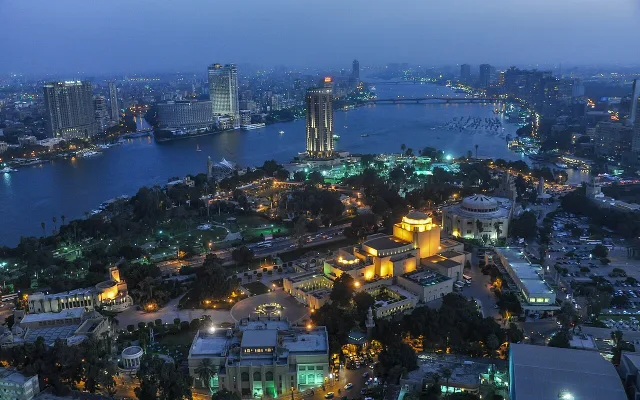
Cairo
Cairo is where you can see the pyramids of Giza, visit the Egyptian Museum, walk the Khan el-Khalili bazaar and enjoy views of the Nile.
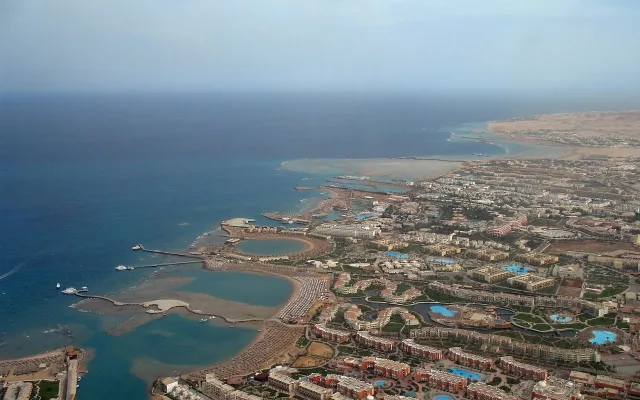
Hurghada
Hurghada is a popular Red Sea resort known for its diving centres and coral reefs. All-inclusive hotels are widespread here.
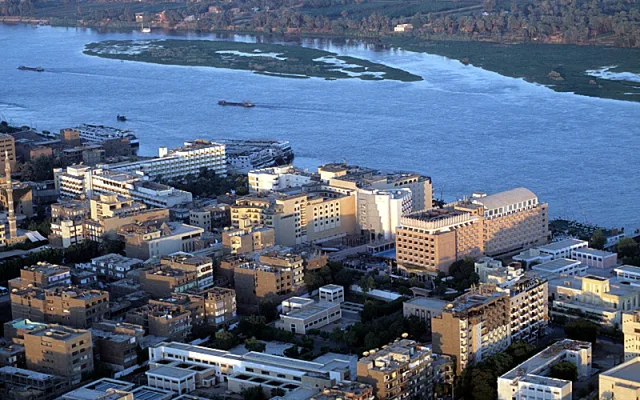
Luxor
Ancient Thebes on the Nile — Karnak, Luxor Temple and the royal necropolises of the west bank.
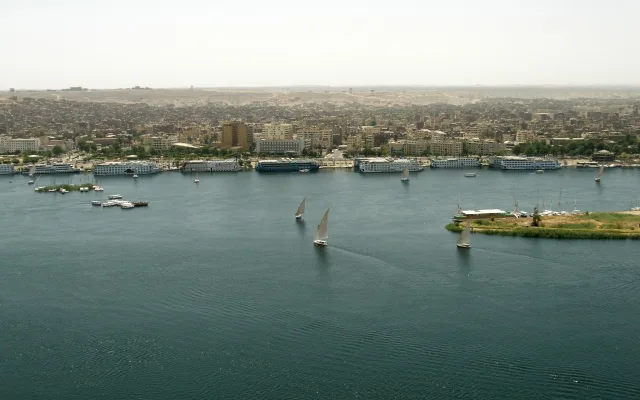
Aswan
Egypt's southernmost city on the Nile — the temple of Philae, Abu Simbel, the High Dam and feluccas under sail.
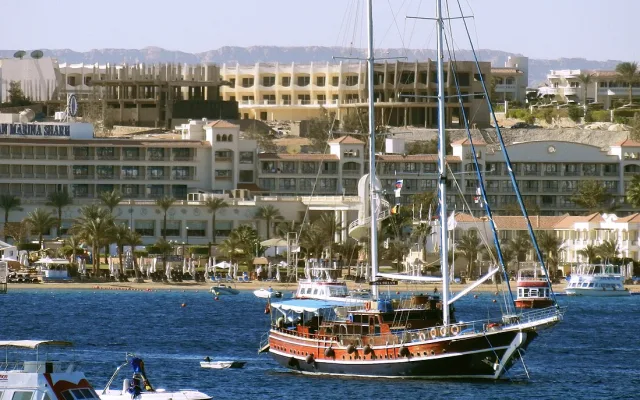
Sharm el-Sheikh
Sharm el-Sheikh is a resort town on the Red Sea, known for the coral reefs of Ras Muhammad National Park, its diving and beaches such as Naama Bay.
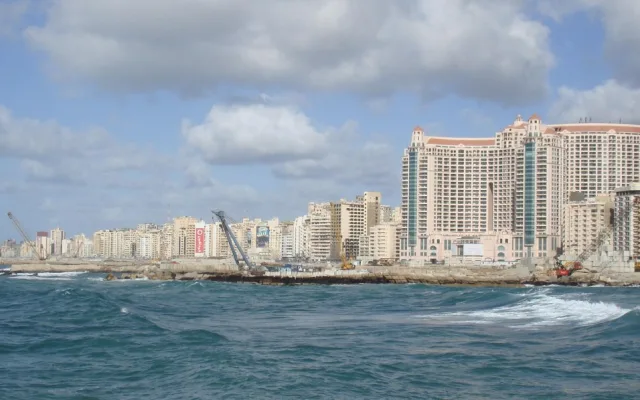
Alexandria
The Mediterranean city of Egypt — the library, the Qaitbay fort and the Greco-Roman catacombs.
What to see #
The Pyramids of Giza: Still the main event, though note that entering the Great Pyramid costs more than the site itself. Arrive for the 8:00 opening to beat both the heat and the crowds.
Grand Egyptian Museum: All the halls are now open, with the complete Tutankhamun collection. The scale and the cleanliness are startling by the standards of the rest of the city.
Valley of the Kings: Dozens of painted pharaonic tombs at Luxor. The base ticket covers any three, and the finest of them, Seti I, requires a separate supplement.
Abu Simbel: Near the Sudanese border, and dismissed by some because the drive is so long, but the scale of it at sunrise justifies every minute on the road.
National Museum of Egyptian Civilisation: In Cairo, go for the hall of royal mummies. The atmosphere there is genuinely solemn and unlike anything else in the city.
Karnak Temple: The largest complex in Egypt and easily half a day. The hypostyle hall with its giant columns looks impossible even now.
Prices #
Currency: The Egyptian pound moves a lot, so do not change your whole budget at the airport. Rates at official exchange offices in town are always better and closer to the market.
Cards: Archaeological sites and major museums no longer take cash at all. You need a working Visa or Mastercard to buy entry tickets, and this catches people out constantly.
Cash: For markets, minibuses and street food, small pounds are essential. Keep fives, tens and twenties in your pocket for transactions where nobody has change.
ATMs: Widely available in cities and at resorts. Withdraw from bank-branded machines and decline the machine's own conversion offer, which is always worse than your bank's.
Baksheesh: Tipping is not a gesture here, it is social infrastructure. Ten to twenty pounds for a small favour or for someone opening a tomb gate is the cultural norm.
| Item | Price (USD) |
|---|---|
| Grand Egyptian Museum ticket | 28.00 |
| Giza pyramids site entry | 13.00 |
| Inside the Great Pyramid | 21.00 |
| Koshari lunch | 1.00 |
| Street coffee | 0.50 |
| Mango juice | 0.80 |
| Uber, 5 km | 2.50 |
| Train to Luxor | 20.00 |
| SIM card, 20 GB | 5.00 |
| Water 1.5l | 0.30 |
| Valley of the Kings | 11.00 |
| Karnak Temple | 8.00 |
| Beer in a bar | 3.00 |
| Pack of dates | 2.00 |
Getting around #
Taxis: In Cairo, use Uber or Careem and nothing else. It fixes the price and spares you the endless argument about the broken meter.
Coaches: Go Bus and Blue Bus run comfortable services between cities. Book online in advance, especially the overnight runs with proper lie-flat seats.
Trains: The new Spanish-built Talgo trains to Luxor are fast and clean. For the experience, take the overnight sleeper at 80-100 dollars with dinner included.
Minibuses: The unmarked white microbuses are the cheapest way to move. Wave one down at the roadside and pass 5-15 pounds forward to the driver as you get in.
Domestic flights: Air Cairo often has fares between the resorts and the capital at 40-60 dollars, saving six to eight hours of dusty desert road.
Metro: In Cairo it is the escape from the traffic, though rush hour is a crush. Each train has designated carriages for women in the middle.
Getting there: Cairo has direct flights from across Europe including London, Paris, Frankfurt and Istanbul, and non-stop from New York. The Red Sea resorts take heavy charter and low-cost traffic from Europe in winter.
Where to stay #
Cairo: Look for a place in Downtown or on the quiet green island of Zamalek. Check there is air conditioning and read the reviews on cleanliness, which is a relative concept here.
Dahab: Monthly apartment rentals are popular, starting around 300 dollars. Look in the Mashraba area if you want quiet and the best beaches on your doorstep.
Luxor: Stay on the west bank to live among palms and fields. Every morning you will watch the balloons lift off from your own terrace.
Red Sea resorts: Budget all-inclusive deals go from 50 dollars, which frequently works out better than renting a flat and eating in tourist cafés.
What to check: In cheap hotels, expect missing toilet paper and weak water pressure. Test the sockets and the door lock yourself when you check in.
Booking: The usual platforms work, though the walk-in price after some negotiation is sometimes lower. Have a confirmed booking for at least your first night.
What to eat #
Koshari: Try this wild combination of rice, pasta and lentils under a spicy sauce. At the cult Abou Tarek in Cairo, an enormous bowl costs almost nothing.
Breakfast: Ful medames, the slow-cooked bean dish, and taameya falafel are the most filling start to a day. Avoid raw salads in the cheapest places, given the water they are washed in.
Street juice: A thick glass of mango or sugar cane juice is the best answer to the heat. It is pressed in front of you and is generally completely safe.
Seafood: In Alexandria and Hurghada, find the fish markets where you pick your catch and they grill it. Fresher and cheaper than any smart restaurant.
Drinks: Black tea with a mountain of sugar and fresh mint is drunk by the litre. Arabic coffee with cardamom is very strong and comes in small cups with thick grounds.
Sweets: Egyptian baklava and konafa are extremely sweet and pair perfectly with bitter coffee. Buy them from chain patisseries, which keep proper hygiene standards.
Safety #
Hustlers: The main risk is the persistent "helpers" around the pyramids. They offer free gifts or to show you the best angle, then demand money aggressively.
Roads: Cairo traffic is chaos and there are almost no working lights. Cross the street by attaching yourself to a local, and never assume a car will slow down for you.
Water: Drink bottled only and brush your teeth with it too. Egyptian tap water carries bacteria that visitors have no tolerance for.
Solo women: Dress modestly, covering shoulders and knees. You will attract attention regardless, but a firm "la, shukran", meaning no thank you, usually ends it quickly.
Checkpoints: There are many on the highways and at resort entrances. Keep your passport with you, because police check documents for every passenger.
Sun: Egyptian sun is deceptive because of the wind. Use factor 50+ even for walking around a city, or you will lose the first two days of your trip to burns.
Advisories: Check your own government's travel advisory before you book, particularly on the Sinai interior and the western desert.
Etiquette and culture #
Religion: Islam sets the rhythm of the day, so factor in the five daily prayer times. During Ramadan many cafés close in daylight, but the evening meals are wonderfully festive.
Etiquette: Do not hand over money or food with your left hand, which is considered unclean. Take your shoes off at the threshold of a working mosque or a private home.
Conversation: Egyptians are extremely sociable and will ask about your family within a minute. It is not an interrogation, it is politeness and genuine hospitality.
Haggling: At markets the opening price for you is at least five times the real one. Bargain enthusiastically and with a smile, because this is culture rather than an insult.
Dress: In Cairo and Luxor, avoid very short shorts and vest tops. Modest clothing protects you from the sun and earns noticeably more respect.
Photography: Ask before photographing people, especially women. Photographing strategic installations and military bridges is prohibited and carries fines.
English: Widely spoken in tourist areas and by guides, less so in ordinary Cairo neighbourhoods. Even ten words of Arabic drops prices at any market instantly.
Connectivity #
SIM cards: Buy an Orange or Vodafone SIM in the arrivals hall. It is cheaper and far easier than hunting for a shop in the city with no connection.
Internet: Hotel Wi-Fi often reaches only the lobby and is slow. For maps and work, rely on mobile 4G, which holds a signal almost everywhere.
Apps: Install Uber and Careem for taxis, and Google Translate with the Arabic pack downloaded. The Go Bus app handles coach tickets without queueing.
eSIM: International eSIM providers cover Egypt well and are worth activating before landing if you want to skip the counter entirely.
Visa document: Keep a PDF of your e-visa on your phone. Border officers sometimes ask to see it even when the data is already in their system.
Navigation: Google Maps gets confused in the old quarters and their narrow alleys. Navigate by the large mosques, and locals will always point you the right way.
Phrasebook #
| English | Arabic | Pronunciation |
|---|---|---|
| Hello (peace be upon you) | السلام عليكم | as-sa-LAAM a-LAY-kum |
| Thank you | شكراً | SHOOK-ran |
| No, thank you | لا شكراً | la SHOOK-ran |
| How are you? | ازيك؟ | iz-ZAY-yak |
| Fine, all good | تمام | ta-MAAM |
| How much is this? | بكام ده؟ | bi-KAAM da |
| Far too expensive! | غالي قوي | GHA-li AW-i |
| Beautiful | جميل | ga-MEEL |
| Where is the toilet? | فين الحمام؟ | fayn el-ham-MAAM |
| Water | مياه | MAY-ya |
| Tea | شاي | shai |
| The bill, please | الحساب لو سمحت | el-hi-SAAB law sa-MAHT |
| Help! | الحقوني | il-ha-OO-ni |
| Right / Left | يمين / شمال | ya-MEEN / shi-MAAL |
| Mate (slang) | يا صاحبي | ya SAH-bi |
| Tomorrow / Later | بكرة / بعدين | BOK-ra / ba-DEEN |
| Let's go! (slang) | يلا | YAL-la |
| Please | من فضلك | min FAD-lak |
| Goodbye | مع السلامة | ma-as-sa-LAA-ma |
| Yes / No | ايوه / لأ | AY-wa / la |
| No problem | مفيش مشكلة | ma-FEESH MOSH-kila |
Good to know #
Your embassy: Most missions are in Cairo, many in the Garden City or Zamalek districts. Note the number down before you travel in case of lost documents.
When to go: October to April. In summer, Luxor passes 45 degrees, which makes visiting any monument genuinely dangerous.
Health: Carry rehydration salts and something serious for stomach upsets. The food is rich and the air conditioning is brutal, and the combination gets most visitors eventually.
Power: Standard European two-pin sockets. UK and US travellers need an adapter, and US devices need to be dual voltage.
Pharmacies: Local ones are excellent and many medicines cost far less than at home. Pharmacists often speak English and will advise on the spot.
Messaging: The usual apps work without restriction. Video calls stutter on mobile data, but text and voice notes go through instantly.