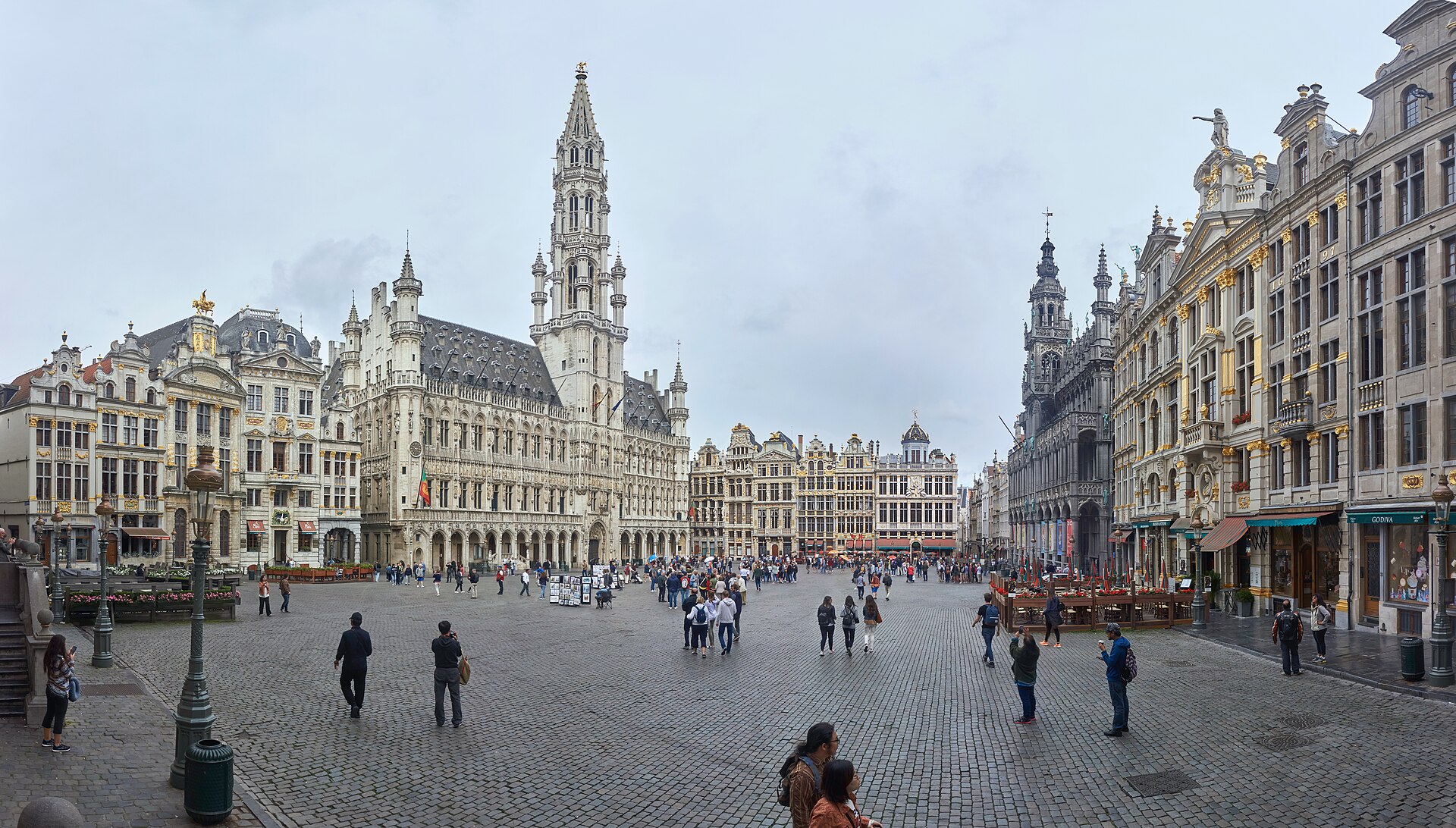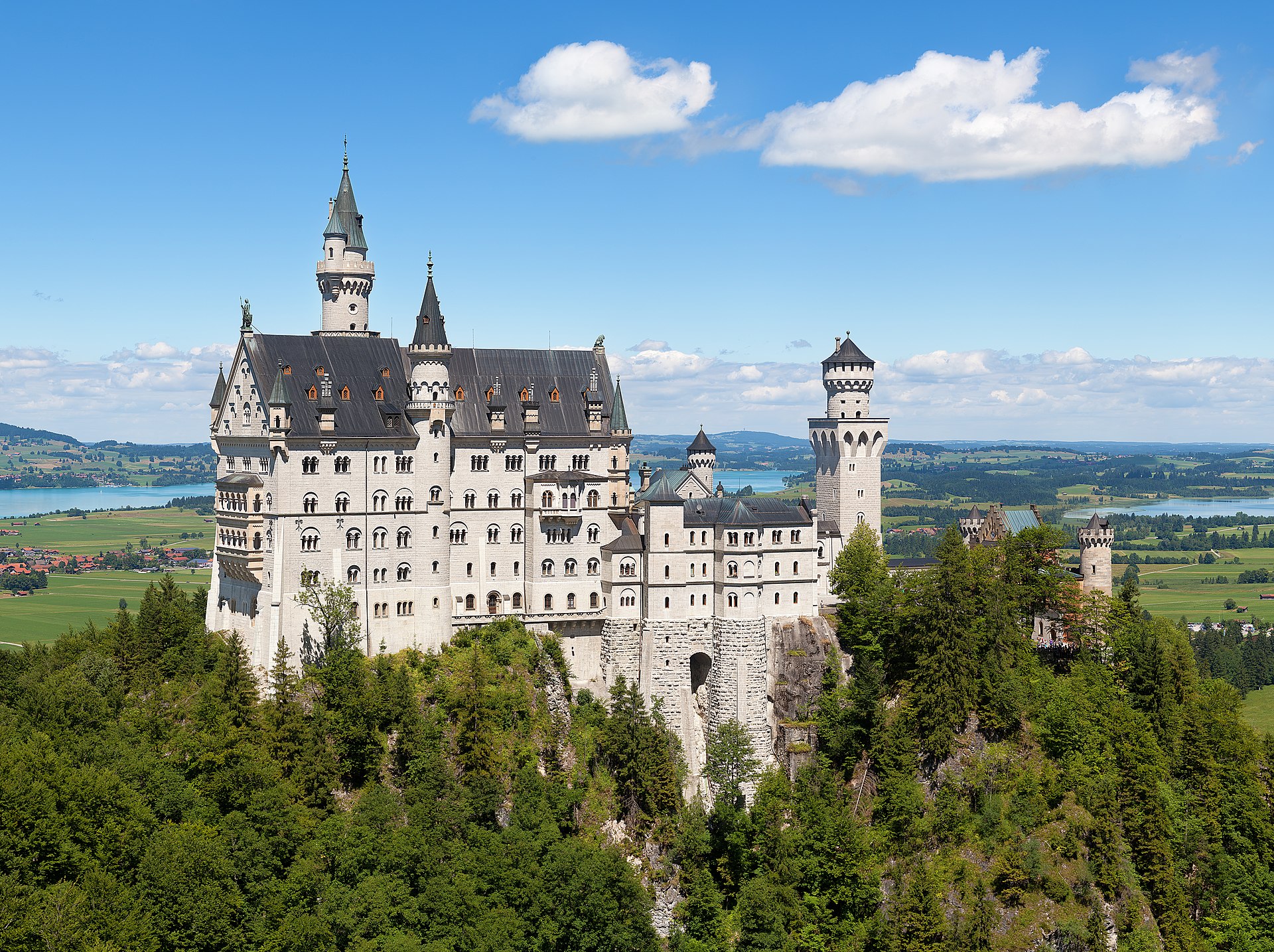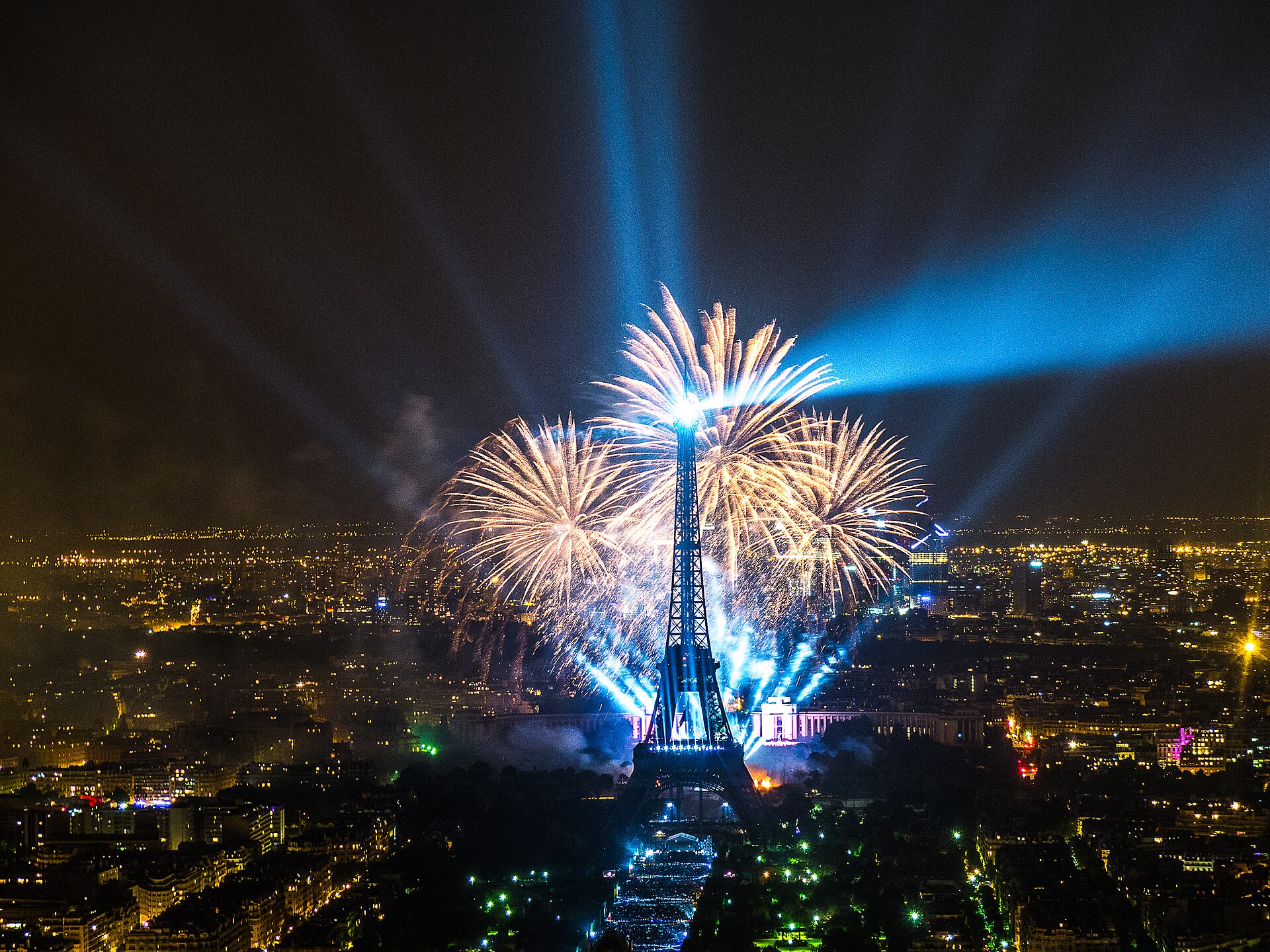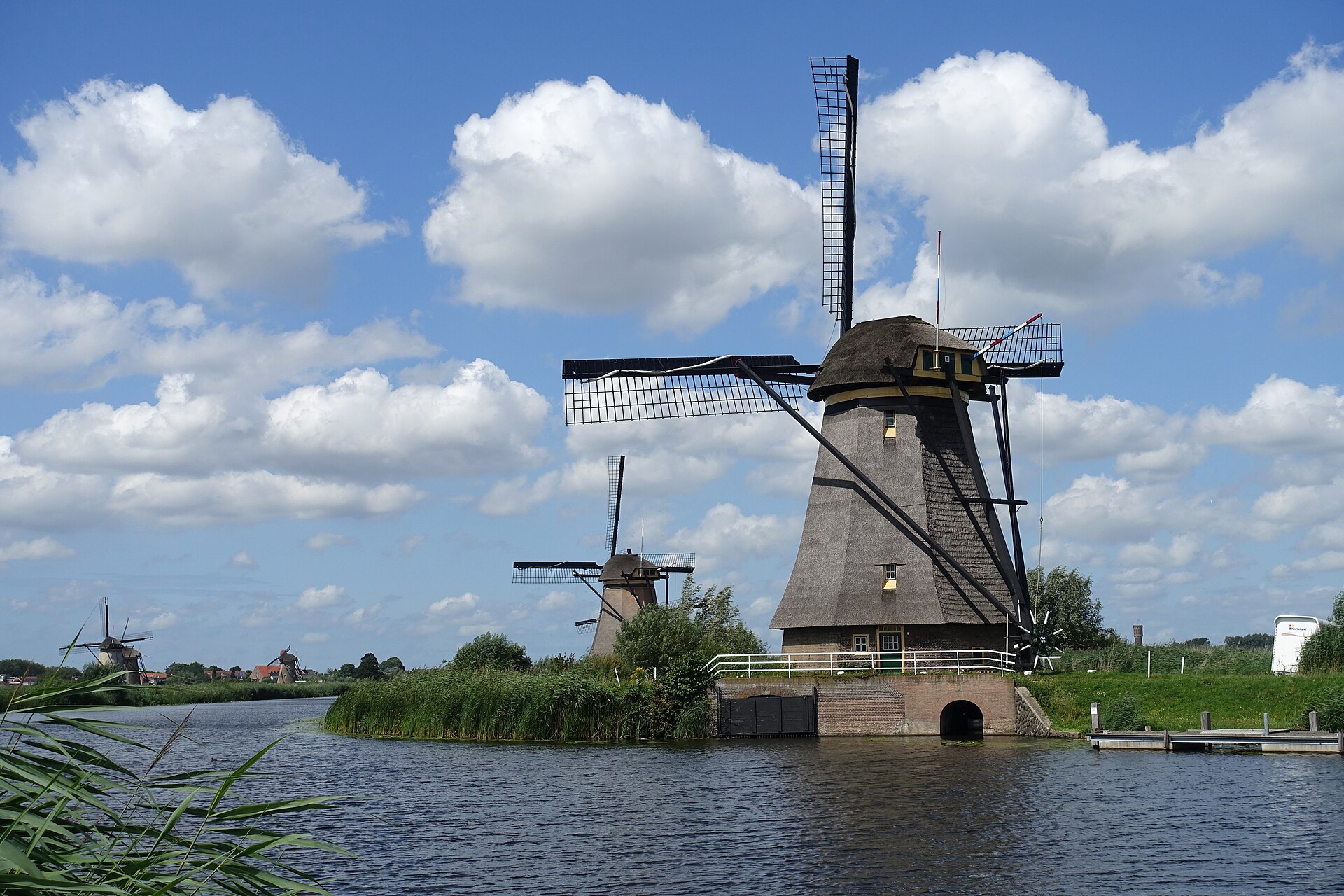

This tiny Grand Duchy is squeezed between Belgium, France and Germany, yet manages to be one of the richest countries in the world. The capital is a fortress city with dramatic gorges running through its centre, bridges over the ravines and UNESCO-listed underground casemates. All public transport in the country is free — a unique arrangement. Luxembourg makes an ideal one- or two-day stop between Paris, Brussels and the Rhine valley.
Where to go
#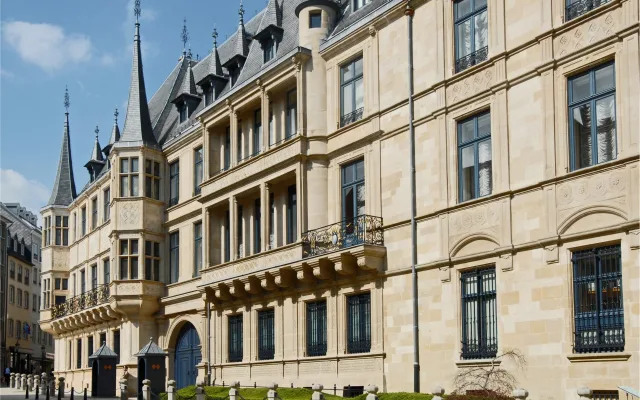
Luxembourg City
Capital of the Grand Duchy — UNESCO-listed fortress casemates, the Grund quarter above the gorge, and understated luxury.
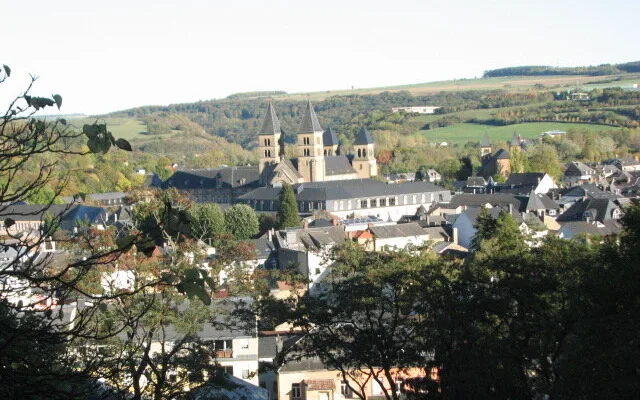
Echternach
The oldest town in Luxembourg, on the German border — a 7th-century abbey and a dancing procession.
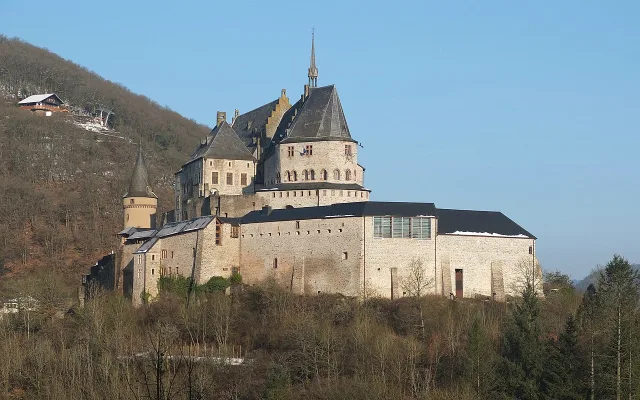
Vianden
A small town on the Our river with a medieval castle perched on a cliff — one of the most picturesque in Europe.
What to see
#The Bock Casemates: The main thing to see in the capital, seventeen kilometres of tunnels bored through the rock. The open platforms inside the cliff give the best views over the lower town and the Alzette. You are touching the walls of what was once northern Europe's mightiest fortress.
Vianden Castle: An enormous hilltop residence worth the trip for its knights' halls and Byzantine galleries. Restored from ruins, it puts you convincingly inside the medieval world, and it hosts frequent medieval fairs.
The Pétrusse Valley: A green gorge through the middle of the capital, where to go for a quiet walk beneath stone bridge arches. The park separates modern Kirchberg from the ancient Upper Town, and one walk explains why this counts as one of Europe's greenest capitals.
Mullerthal: The "Little Switzerland" region is essential if you like hiking. Strange rock formations, narrow clefts and forest waterfalls make it the most scenic ground in the country. Give it a full day and walk part of the famous hundred-kilometre trail.
The Adolphe Bridge: A stone arch over forty metres high and the country's most photographed spot. A modern walkway hangs underneath it, giving an unusual angle on the city gardens and the canyon.
The Family of Man: Clervaux castle holds this legendary collection of hundreds of photographs, entered in the UNESCO register. It is a powerful statement about the unity of everyone on the planet, and it belongs on any cultural itinerary.
Prices
#Currency: The euro is the currency here. Rates are stable, but Luxembourg remains one of the more expensive places to travel in Europe. Budget accordingly, because service prices in particular are high.
Cards: Visa and Mastercard are taken everywhere, from big supermarkets to tiny souvenir shops, and contactless phone payments work without fuss almost anywhere. Amex is accepted less consistently. A Wise or Revolut card is useful mainly if you are coming from outside the eurozone and want to skip your bank's conversion fee.
Cash: You will only need notes at street markets or for small purchases under ten euros in some older cafés. Any ATM will dispense cash, but watch what your own bank charges for the withdrawal.
Tipping: Service is normally already included in a restaurant bill. If you genuinely enjoyed it, rounding up to a whole number or adding five percent is considered good form.
| Item | Price (USD) |
|---|---|
| Cappuccino | 4.70 |
| 0.5L beer | 6.50 |
| Lunch in a café | 18.00 |
| Dinner for two | 95.00 |
| Bottle of water | 2.10 |
| Bottle of wine | 11.00 |
| Casemates ticket | 10.00 |
| Castle entry | 13.00 |
| Taxi, 5 km | 22.00 |
| Dress in a shop | 48.00 |
| Takeaway sandwich | 9.00 |
| Apples, 1 kg | 3.50 |
| Souvenir magnet | 6.00 |
| Men's jacket | 120.00 |
Getting around
#It is free: The country's defining quirk is that all public transport is free in second class. No tickets are needed by anyone, resident or visitor, for any journey inside the borders.
Trains: The national rail network links the capital with every region. Services are frequent and punctual, getting you quickly to the northern castles or the wineries of the Moselle valley.
Buses: The bus network reaches further than the railway does. Buses will take you to the most remote villages and nature parks, where no track was ever laid.
Trams: The capital runs a modern tram line connecting the station with the Kirchberg business district via the centre. It is the easiest way across town and sidesteps traffic entirely.
The funicular: An unusual little line that hauls you up the steep climb from the Pfaffenthal valley to the plateau. Like everything else, it is completely free and runs until late evening.
Crossing borders: If you are heading into France, Germany or Belgium, you do pay. The charge applies to the stretch from the last station inside Luxembourg onward to your destination.
Taxis: Private hire is indefensibly expensive for an independent traveller. A short ride across town easily reaches thirty euros, so take the free bus instead.
Where to stay
#Prices: Accommodation is the single biggest line in any independent budget here. Room rates in the centre of the capital reach serious numbers even midweek in low season.
Where to stay: The smart move is booking in a satellite town such as Esch or Ettelbruck. Free transport means the commute costs nothing while the room costs substantially less.
Hostels: The state-run hostel network offers genuinely good conditions with breakfast included. It is the best option for a clean dorm bed at the most reasonable money available locally.
Guesthouses: In small towns like Vianden, family-run guest houses are the popular choice. This is where you get real Luxembourgish character and good home-produced food.
Apartments: Renting a flat through the usual international platforms often beats a standard hotel room on price. It also lets you cook, buying food at local supermarkets.
Seasons: In summer and during the Christmas markets, rooms vanish instantly. Book two or three months ahead if you want anything at a sane price.
What to eat
#Tradition: The national cuisine is a hearty mix of German portions and French finesse. The signature dish is smoked pork collar with broad beans in a thick creamy sauce, served almost everywhere.
Snacks: Try the hot potato fritters with parsley sold at fairs and town festivals. It is the cheapest and most popular street food and everyone here loves it, though it is heavy enough to replace a meal.
Eating cheaply: The reliable trick is looking for the dish of the day at lunchtime. That lunch in a town café costs half what the same food does off the main menu.
Soup: Order the thick green bean soup with bacon and potato. It is classic comfort cooking and it warms you properly after a long walk through the canyons.
Wine: The Moselle valley is known for light whites and the local sparkling crémant. A bottle of something good costs about ten euros in an ordinary shop and makes an excellent souvenir.
Desserts: In the pâtisseries, look for open plum tarts, which are at their best in autumn. Local bakers know what they are doing, and the handmade chocolate is respected worldwide.
Beer: Local brands turn out good lagers, poured in every bar in the capital. Beer is taken seriously here, and the pubs in the lower town have a distinctly old-European atmosphere.
Safety
#Overall: The Grand Duchy sits consistently on the lists of the safest places on earth. You can walk the streets at night without any real worry for yourself or your belongings.
Theft: The one minor risk is pickpocketing, which occasionally happens around the railway station. Keep an eye on your bag in a crowd and do not leave valuables on café tables.
Police: Officers are polite and genuinely ready to help a visitor. Streets are patrolled regularly, which is part of why the general level of calm is so high.
Roads: Local drivers are extremely disciplined and always stop for pedestrians at crossings. Fines for any traffic offence are enormous, so visitors should be equally scrupulous.
Healthcare: Medical standards are excellent but everything costs a great deal. That is exactly why a solid travel insurance policy is a genuine necessity here.
Getting help: In any unpleasant situation, dial 112. The operators usually speak several languages and coordinate the relevant services very quickly.
Etiquette and culture
#Three languages: People here switch effortlessly between the three official languages. Luxembourgish dominates daily life, German dominates the press, and restaurant menus are in French.
Manners: Luxembourgers are fairly reserved and value other people's personal space. Greeting the room when you enter a shop or café is standard, and the local word for it is "Moien".
A mixed country: Nearly half the population are foreign nationals who came here to work. That produces an unusually multicultural atmosphere where different traditions are simply respected.
Sundays: Almost every shop is closed on Sunday and the towns go noticeably quiet. The day is for family, for the outdoors, or for a long unhurried lunch in a small restaurant.
Holidays: National Day on 23 June is the event of the year, with major fireworks. The whole country comes out onto the streets and the mood is entirely good-humoured.
Formality: Formal address is the norm and the polite "you" form is expected. Excessive familiarity lands coldly, particularly in official institutions and banks.
Connectivity
#Internet: Modern mobile coverage reaches essentially the whole of the Grand Duchy. Speeds stay high even on trains crossing the thick northern forests.
SIM cards: For a short trip, an eSIM through one of the international services is the easiest route. It saves hunting for operator offices and signing complicated contracts.
Wi-Fi: Free hotspots exist at stations, at the airport and in most city parks. Almost every café hands over the password as soon as you have ordered.
Roaming: Roaming is free for EU residents but expensive for everyone else, so travellers from the UK, the US or Australia should check their plan before landing. Use messaging apps for calls, since the data coverage is excellent everywhere.
Post: The national postal service is faultless and one of the oldest in Europe. Sending a postcard is a small tradition that has genuinely survived here.
Apps: Download the official journey planner for the free transport network. It shows current timetables and real-time bus arrivals, which matters when connections are tight.
English: Most people working in tourism, hospitality and retail speak good English, and signage in the capital is multilingual, so you will not struggle to be understood.
Phrasebook
#| English | Luxembourgish | Pronunciation |
|---|---|---|
| Hello | Moien | MOY-en |
| Thank you | Merci | mer-SEE |
| Please | Wann ech gelift | van esh guh-LEEFT |
| Yes | Jo | yo |
| No | Nee | nay |
| Sorry | Entschëllegt | ent-SHUH-lekht |
| Goodbye | Äddi | EH-dee |
| How much is it? | Wéi vill kascht dat? | vay feel kasht dat |
| Where is...? | Wou ass...? | voh ass |
| Water | Waasser | VAH-ser |
| Beer | Béier | BAY-er |
| Wine | Wäin | vine |
| Delicious! | Lecker! | LEK-er |
| Beautiful | Schéin | shayn |
| I don't understand | Ech verstinn net | esh fer-SHTEEN net |
| The bill, please | D'Rechnung, wann ech gelift | dREKH-nung, van esh guh-LEEFT |
| Good | Gutt | goot |
| Friend | Frënd | frunt |
| Cheers! | Prost! | prohst |
| Great (slang) | Tip-top | TIP-top |
Good to know
#Consular help: Most countries either keep an embassy in Luxembourg City or cover the Grand Duchy from Brussels, so check which applies to your passport before you travel. Save the exact address, since some missions sit in leafy residential districts that are awkward to find without navigation.
In an emergency: The single number for police or medical help is 112. Operators speak several languages and can direct help anywhere in this small country very fast.
Plugs: Sockets take the standard European C and F plugs. If your devices come from the UK, the US or Australia, pack an adapter; anything bought in continental Europe works as is.
Transport info: Track trains and buses through the official site or app rather than third-party tools. The system is reliable and reflects even short-notice changes to city routes.
Opening hours: The official tourism portal carries current opening times for every museum and castle. It also has detailed information on walking trails across all the regions.
Hostels: The cheapest beds are booked through the central youth hostel service. That gets you the best rate and whatever special offers are running at the time.
Frequently asked questions
#Luxembourg is in the Schengen area, so passport holders from the UK, the US, Canada, Australia and many other countries enter visa-free for short stays. Everyone else applies for a Schengen type C visa through the consulate of their main destination country. Check your own passport's rules well before booking.
Findel airport sits minutes from the capital and has connections to most major European cities, including London, Frankfurt, Paris and Amsterdam. From North America you will usually connect through a big European hub. Arriving by train from Paris or Brussels is also easy and drops you straight in the centre.
Yes. Luxembourg was the first country in the world to scrap fares entirely on buses, trains and trams. It applies to visitors as well as residents, with no pass or paperwork required.
In 2026 a standard adult ticket costs thirteen euros, including the compulsory municipal tax. Students and children get substantial discounts on production of the relevant card.
Budget options include the Asian noodle places in the centre, such as Dancing Noodles, and the Belgian frites stands. The Cocottes chain is also worth knowing for healthy food at fairly accessible prices.
It is one of the calmest countries in the world, with street crime that barely registers. Walking at night in the tourist areas and residential districts of the capital is considered entirely safe.
There are three official languages: Luxembourgish, French and German, each used in different parts of life. Most people working in tourism also speak excellent English, so you will manage without any of the three.
Yes, it is one of Europe's pricier destinations, and accommodation is the item that hurts. Free public transport offsets some of it, and staying in a satellite town like Esch while eating the lunchtime dish of the day keeps costs manageable.
Yes, but with restrictions. Registration is mandatory for drones from 250 g — lighter models can fly without it. You also need to pass a test and hold a pilot certificate. Common EASA rules apply: operator registration is required for drones from 250 g, and for any drone with a camera — which covers virtually every consumer model. You also need the free A1/A3 online test, and the operator ID must be stuck on the drone. One registration is valid across the whole EU. Rules for other countries are in the drone ranking by country.
Updated
The data on this page goes out of date. Visa rules and permitted stays, border requirements, prices and budgets, transport and local conditions all change fast, and we do not re-check every page every day. We show the date of our last check where we have one, but before you travel, verify with official sources: the country’s consulate, its immigration service, its e-visa portal and your carrier.