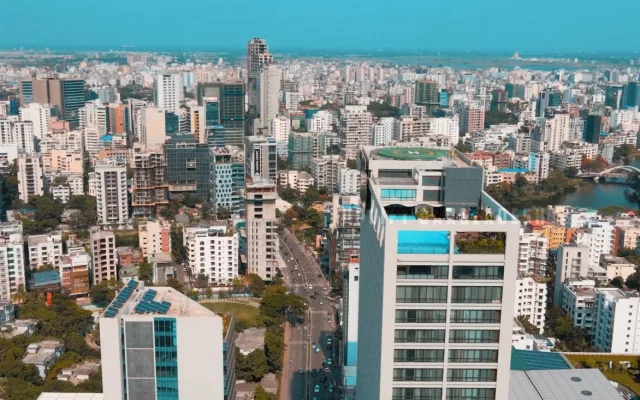
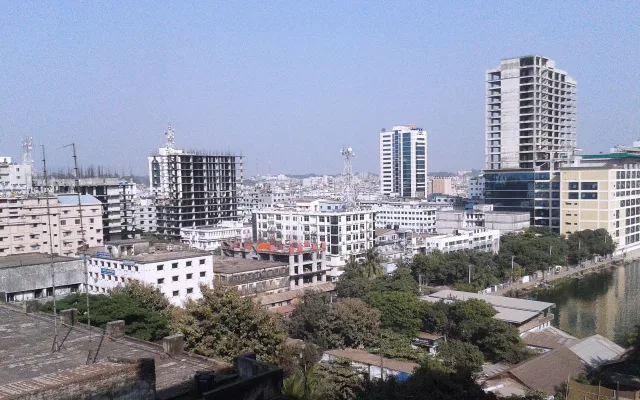
Description
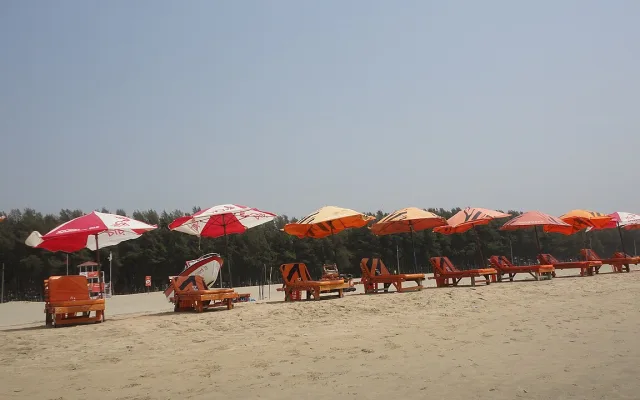
Cox's Bazar is known for its long natural beach stretching 120 kilometres along the coast of the Bay of Bengal.
Wiki
Cox's Bazar is a coastal city in south-eastern Bangladesh and the administrative centre of the district of the same name in the Chittagong Division. Its defining feature is an unbroken sandy shoreline roughly 120 km long along the Bay of Bengal, widely described as the longest natural sea beach in the world.
Overview
The city lies about 150 km south of Chittagong, on a narrow coastal plain between the bay and a ridge of low forested hills. The permanent population numbers several hundred thousand and swells considerably during the holiday season. Cox's Bazar is Bangladesh's principal beach resort and one of the most visited domestic tourism destinations in the country. The climate is tropical monsoon: November through March brings dry, relatively mild weather, while the summer months deliver heavy rainfall.
The city's name traces back to Hiram Cox, an officer of the British East India Company who served in the area in the late 18th century. A trading post (bazaar) was established here, and the combination of his surname with the word "bazaar" produced the modern place name.
Beaches and Coastline
The beach runs for dozens of kilometres without sharp interruption and is loosely divided into several sections. The most popular and best-developed are the central stretches:
- Laboni Beach — the closest section to the town centre and the liveliest, lined with stalls and crowded with visitors.
- Kolatoli and Sugandha — the areas where most hotels and eating places are concentrated.
- Inani Beach — a section further south, known for its golden sand and distinctive coral and rock outcroppings at the waterline.
The gently shelving seabed makes the shore good for walking, but tidal currents and Bay of Bengal surf can be strong, so swimming is best kept to marked zones. Watching the sun drop straight into the bay at sunset is the classic Cox's Bazar experience.
Surroundings
A trip to Cox's Bazar usually extends beyond the city beach — there are several worthwhile destinations within a few hours:
- Himchari — hilly terrain south of the city with a waterfall and viewpoints overlooking the ocean and green hillsides.
- Maheshkhali Island — reached by boat across the bay; known for the Hindu Adinath temple on a hilltop, Buddhist pagodas, and betel-nut plantations.
- Saint Martin's Island — Bangladesh's only coral island, lying further south near the border with Myanmar; prized for clear water and a relaxed atmosphere. Note that tourism here is now tightly restricted to protect the reef: the island opens for only a few months a year, with daily visitor quotas and compulsory advance registration, and overnight stays are not always allowed. The rules are revised every season, so check before you travel.
- Ramu — a village with deep-rooted Buddhist traditions, monasteries, and workshops producing statues and bronzeware.
History and Culture
The region has long historical ties to the Arakan and to the Buddhist culture of the Rakhine people, whose communities still live in the surrounding area and maintain their temples, crafts and festivals. Alongside the predominantly Muslim population this gives local culture a distinctly mixed character. Fishing, salt production and seafood processing are all visible parts of daily life — boats, drying fish and salt flats can be seen along the coast.
Food
Rice and seafood form the foundation of local cooking. Fresh fish, prawns and crab prepared with generous spicing are popular, as is dried fish (shutki), a regional speciality used in spicy sauces and curries. Coastal eateries serve grilled fish, rice dishes and traditional sweets; tea is drunk everywhere.
Practical Information
- Getting there. Cox's Bazar is connected to Chittagong and the capital Dhaka by road and air; the domestic airport receives regular flights. The overland journey from Dhaka takes many hours, so most visitors opt for the plane.
- Best time to visit. The dry season from November to March is ideal — fewer rains and more comfortable conditions at the beach. The coast turns rough during the monsoon.
- Things to keep in mind. Bangladesh has conservative social customs; modest dress and behaviour on the beach are advisable. Check ferry schedules to the islands in advance, as these depend on the season and weather.
Three Days in Cox's Bazar
Three days is enough to cover the highlights. The first day is best spent on the city beaches — Laboni, Kolatoli and Sugandha — with a walk along the shore and an evening sunset. The second day works well for a trip to Inani Beach and the Himchari hills, with their waterfall and panoramic views. The third day suits a boat excursion — to Maheshkhali Island with its temples and pagodas, or, if conditions allow, to the coral sands of Saint Martin's Island. This itinerary gives a feel for both the world's longest beach and the wider nature and culture of the Bay of Bengal coast.