Description
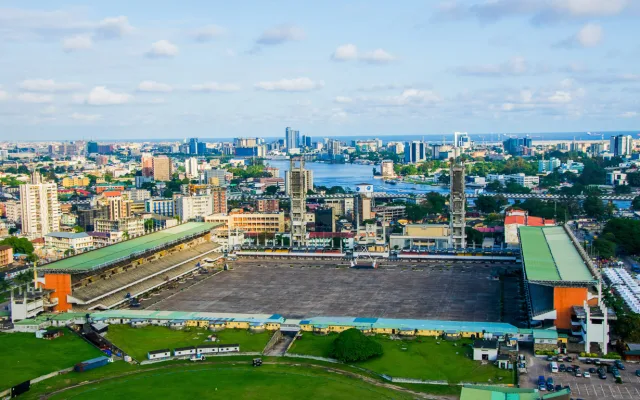
Africa's largest megacity and its pulsing heart: the fashionable districts of Lekki and Victoria Island, sandy beaches, a world-class Afrobeats scene, and the National Arts Theatre.
Wiki
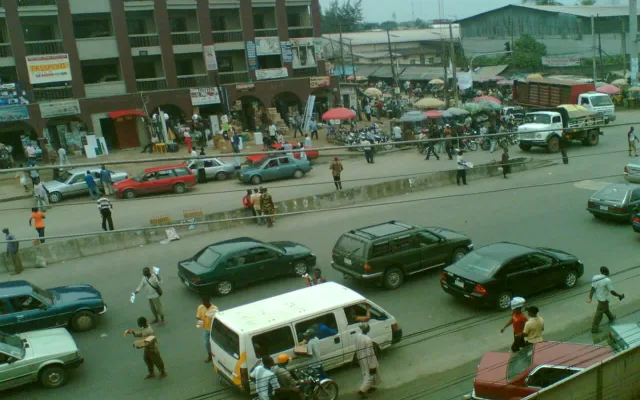
Lagos is Africa's largest city and Nigeria's economic capital, sprawling along the Gulf of Guinea around a system of lagoons. Dynamic, noisy, and creative, it has long since transformed from a colonial port into a megacity with its own cinematic and musical culture, known far beyond the continent.
Overview
The Lagos metropolitan area is estimated to hold between 21 and 30 million people, making it one of the most populous on Earth. Until 1991 it was the country's capital, until administrative functions were transferred to Abuja, built in the centre of Nigeria. Despite losing its capital status, Lagos has retained its role as the principal financial, commercial, and media hub of West Africa. It is home to Nollywood — a film industry that produces more titles annually than any other except India's Bollywood — as well as a large share of Africa's recording scene.
The city divides into two parts: the island section (the historic core and business districts) and the Mainland, where most residents live. An extensive network of bridges linking the islands to the shore helps with navigation. Before travelling, check the current visa requirements for your passport, ensure any recommended vaccinations are up to date, and review the latest safety situation, as conditions in certain districts can change.
Main Sights
- Victoria Island — the business and diplomatic hub, home to embassies, bank offices, major hotels, and restaurants; a convenient starting point for exploring the city.
- Lagos Island — the oldest part of the city: lively markets, the former residence of the Oba (the traditional ruler), the Cathedral Church of Christ, and colonial-era buildings.
- Lekki Conservation Centre — a mangrove reserve on the Lekki Peninsula with rich wildlife and a celebrated canopy walkway stretching 401 metres, one of the longest on the continent.
- Lekki Arts and Crafts Market — the country's largest craft market, selling wooden sculptures, ritual masks, jewellery, and fabrics; an excellent place to encounter Yoruba folk art.
- Tarkwa Bay Beach — a secluded beach reachable only by water: the boat ride takes around 30 minutes from Victoria Island.
- Lekki Beach and Eleko Beach — open ocean beaches with strong surf; swimming requires caution due to rip currents.
- Kalakuta Republic Museum — the house museum of Fela Kuti, creator of Afrobeat, human-rights activist, and one of the central figures of twentieth-century Nigerian culture.
- National Arts Theatre in the Iganmu district — a monumental landmark of cultural life, hosting performances, concerts, and exhibitions.
- Badagri — a coastal town around 60 km away, a historical site of the transatlantic slave trade with museums documenting this tragic chapter.
Lagos's notorious traffic jams can be avoided by using the lagoon ferry taxis and water routes that allow quick movement between the islands.
Culture and Music
Lagos is the birthplace of Afrobeat and its modern descendant, Afrobeats, which today features regularly in global charts. Live performances, clubs, and street concerts make for a rich nightlife. Alongside music, theatre, contemporary visual art, and a thriving gallery scene all flourish, while Nollywood supplies films and series across the whole continent.
Food
Local cuisine draws on Yoruba traditions and pan-Nigerian dishes:
- Jollof rice — rice cooked in a tomato-and-pepper sauce, whose origins are the subject of a good-natured rivalry between Nigeria and Ghana;
- egusi — a rich soup made from ground melon seeds with leafy greens and meat;
- suya — spiced skewered meat coated in a peanut-and-spice blend;
- pepper soup — a fiery broth made with fish or meat;
- moi moi — a steamed pudding made from bean paste.
A meal at a local canteen (buka) is inexpensive; restaurants on Victoria Island offer a higher level of service and international menus.
Planning Your Visit
Three days is a comfortable amount of time to see the city: the first devoted to the island section and waterfront, the second to the Lekki Conservation Centre and beaches, the third to museums, markets, and optionally a day trip to Badagri. Ride-hailing apps and water transport are the most practical ways to get around; it is worth carrying cash in naira, though cards are accepted at larger establishments. The best time to visit is the dry season from November to March, when there is less rain and humidity.