Description
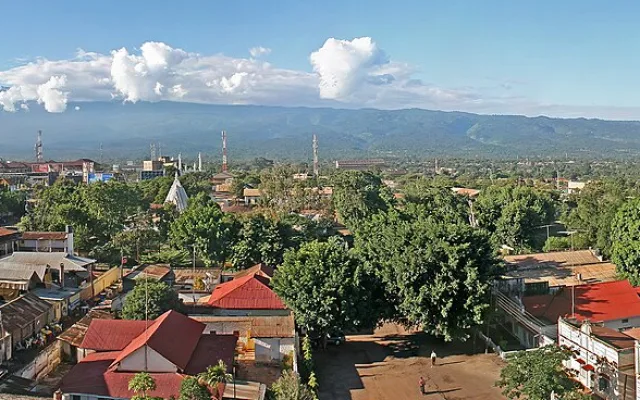
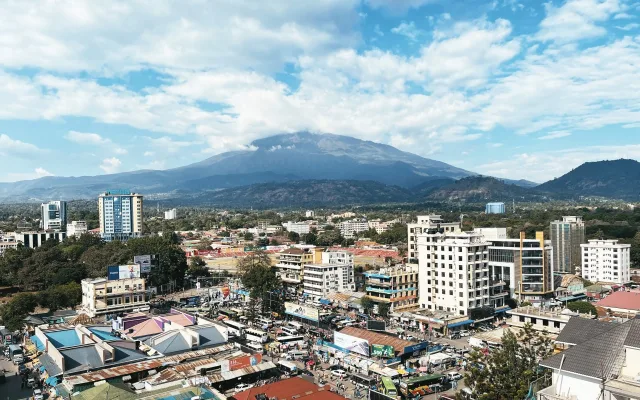
The base for climbing Kilimanjaro — at the foot of Africa's highest mountain, with the snow summit in view.
Wiki
Moshi is the most convenient staging post for climbing Kilimanjaro: almost every expedition starts here, and in clear weather the snow summit is visible from the streets. The town is small, calm and far more relaxed than the safari hub of Arusha — the ideal place to gather yourself before the mountain, or to breathe out after it.
Why come, and how many days to allow
Most travellers reach Moshi for Kili, but it makes sense to give the town itself a day or two, before or after the trek. That is enough to acclimatise, buy any missing gear, take a trip to a waterfall or a coffee plantation, and simply recover. If you are not climbing, two days covers the town and a couple of excursions comfortably.
A practical rhythm: arrive the day before the start, to settle the briefing with your guide and check your kit, and keep the "town" day for the return — after coming down you want a shower, a beer and no hurry at all.
Getting there and getting around
- The airport. Kilimanjaro International (JRO) lies roughly halfway between Moshi and Arusha. Shuttles and taxis run into town; arrange the transfer through your hotel or tour company in advance, as the choice is thin in the evening and haggling on the spot works against you.
- From Arusha and Dar es Salaam. Dala-dala minibuses and more comfortable shuttle buses run regularly between Arusha and Moshi, popular with visitors and continuing to the airport. Long-distance buses come from Dar es Salaam and from Nairobi in Kenya.
- In town. The centre is compact and the key points walkable. Around the district and out to the suburbs there are dala-dalas (cheap but packed) and boda-boda motorcycle taxis — fast, but agree the price and wear a helmet if one is offered.
What is worth seeing nearby
Beyond the mountain itself, with its Marangu, Machame and Lemosho routes, Moshi is a good base for day trips:
- Materuni Falls — a striking waterfall on the slopes of Kili, usually combined with a walk through a Chagga coffee plantation and a tasting. The classic non-trekking day.
- Chagga coffee tours — the whole path from berry to cup, with hand roasting and grinding. Useful and enjoyable, and the coffee here is genuinely good.
- Lake Chala — a turquoise crater lake on the Kenyan border, half a day of easy walking.
- Marangu village — traditional Chagga life and the underground shelters where people hid from Maasai raids.
- Mount Meru (4,566 m) — if you have time, climbing it makes excellent acclimatisation before Kili.
Arusha and the great safaris (the Serengeti, Ngorongoro) are separate logistics; people do travel there from Moshi, but it should be planned as a trip in its own right.
Where to stay
Accommodation in Moshi runs from backpacker hostels to camps and lodges on the edge of town with a view of the mountain. The most convenient base is in or near the centre: close to cafés, exchange offices, gear shops and tour company offices. Many operators include the night before and after the trek in the package — check, so you do not pay twice.
Food and prices
The cooking is Tanzanian and Chagga, filling and inexpensive: nyama choma (meat over coals), ugali with mchuzi sauce, chipsi mayai (an omelette with chips) and mishkaki skewers. Street food and local eating houses cost very little; the tourist restaurants attached to hotels are noticeably dearer but still cheap by European standards. Do try the local coffee straight from the plantation.
On budget: the town itself is cheap, and the main expense is the climb and the tours. Food and transport are easy to economise on if you eat where locals eat and use the dala-dalas.
When to go
The best windows are the dry seasons: roughly late December to early March, and June to October. In those months the odds are better for clear skies, an open summit and decent trails. The rains — the long one running roughly March to May — make trekking harder and hide the mountain in cloud.
Safety and common mistakes
- Altitude is the main risk. Do not chase short routes to save money: the more days on the ascent, the better your chance of making it. Marangu in five days gives poor acclimatisation.
- Choosing an operator. Check the company's reputation and its conditions for porters — cheaper is not always fairer. Confirm what the price includes: park fees, food, equipment.
- Gear can be bought or hired in Moshi, but the quality varies — bring your own for the critical items, boots and warm layers.
- Street "helpers" and pushy tour sellers in the centre are routine. Do not agree deals in the street; go through established offices or your hotel.
- Standard tropical hygiene: bottled or purified drinking water, and repellent and malaria prophylaxis on medical advice.